


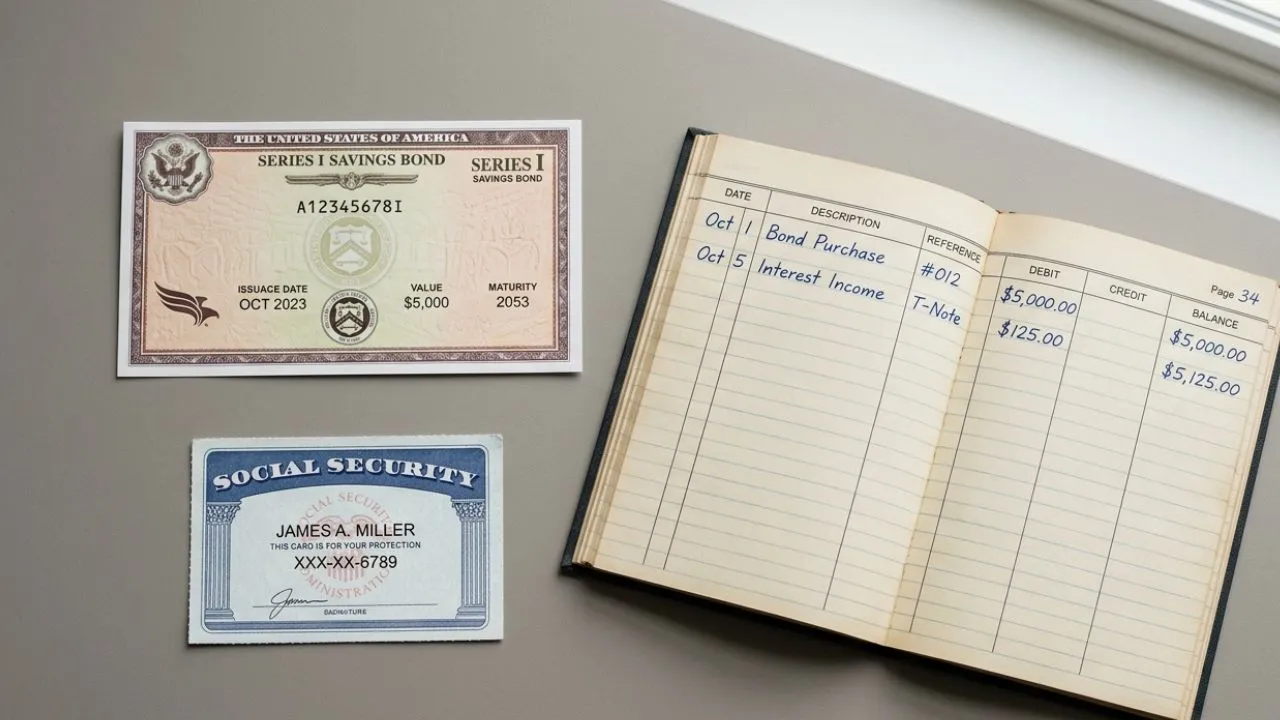
The Social Security Trust Fund is the federal reserve account where payroll taxes from American workers accumulate and are held until they are paid out as retirement, disability, and survivor benefits. Every paycheck you receive has FICA contributions flowing directly into this fund. As of 2026, the fund supports over 70 million Americans monthly.
What the Social Security Trust Fund Actually Is
The Social Security Trust Fund is not a single account. It is two legally separate federal trust accounts managed by the U.S. Department of the Treasury on behalf of the Social Security Administration.
The Old-Age and Survivors Insurance Trust Fund, known as OASI, pays retirement and survivor benefits. The Disability Insurance Trust Fund, known as DI, pays disability benefits. Together they form the OASDI system that most Americans simply call “Social Security.”
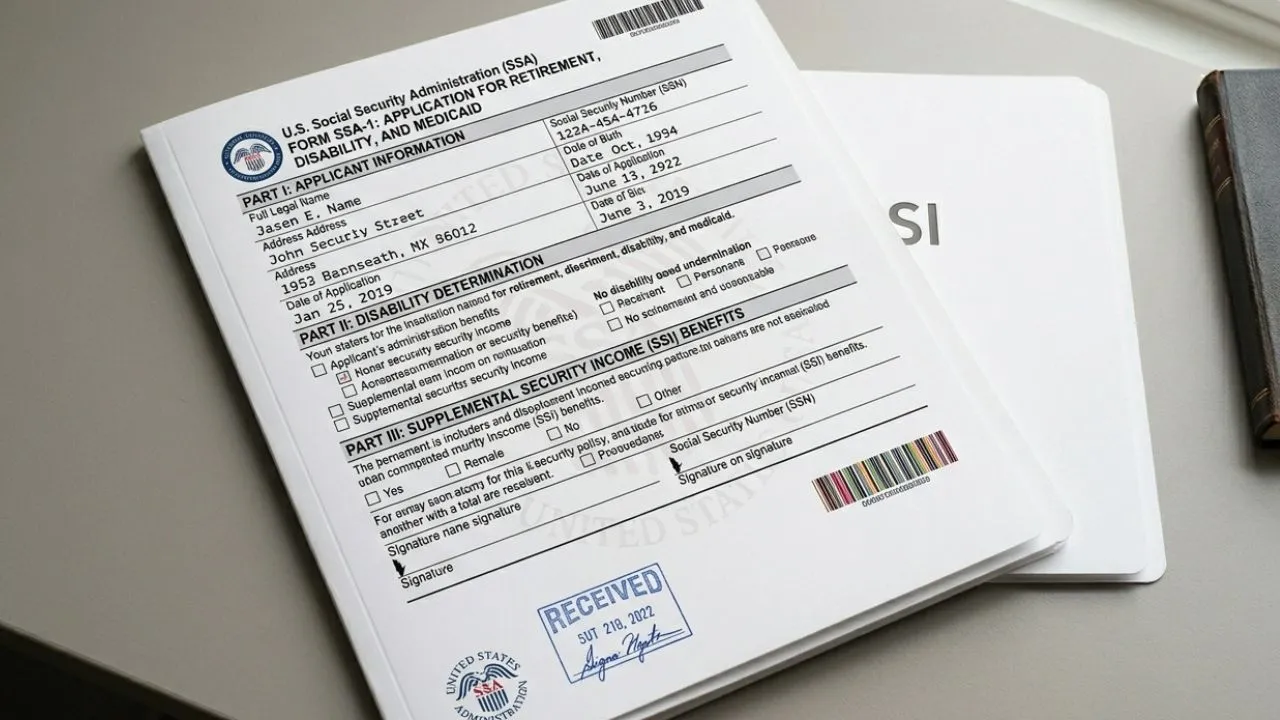

The SSA does not hold cash inside these accounts in the traditional banking sense. Instead, the U.S. Treasury invests the surplus payroll tax revenue into special-issue Treasury securities. These bonds are backed by the full faith and credit of the United States government.
The fund earns interest on these securities every year, which adds to its total reserves. As of 2026, the combined OASDI trust funds hold approximately $2.7 trillion in these special-issue bonds, according to the 2025 Social Security Trustees Report.
The SSA calculates benefit eligibility and payment amounts on its own systems. The Bureau of the Fiscal Service at the U.S. Treasury then constructs the actual electronic payment files and transmits them through the Federal Reserve’s FedACH settlement network to reach beneficiaries’ bank accounts. The trust fund is the source ledger; Treasury is the execution engine.
How Payroll Taxes Flow Into the Trust Fund
The Social Security Trust Fund receives its revenue through a highly structured pipeline governed by the Federal Insurance Contributions Act, known as FICA. Under current IRS guidance as of 2026, employees pay 6.2% of covered wages into OASDI, and employers match that contribution dollar for dollar. Self-employed individuals pay the full 12.4% rate under the Self-Employment Contributions Act, known as SECA.
The FICA Revenue Pipeline: Step by Step
The IRS collects FICA taxes through employer payroll deposits. Employers remit these funds to the IRS on a semi-weekly or monthly schedule depending on payroll size. The IRS then transfers the OASDI portion to the Treasury, which credits the appropriate trust fund account.
This transfer does not occur transaction by transaction. It occurs in large batch transfers that align with the federal government’s internal accounting windows. The Social Security payroll tax applies to covered wages up to the annual taxable earnings cap.
As of 2026, the Social Security taxable earnings base is $176,100, according to the SSA’s official cost-of-living adjustment notice. Wages above that threshold are not subject to OASDI tax. Medicare’s 1.45% payroll tax has no earnings cap, but that revenue flows into the Medicare Hospital Insurance Trust Fund, not OASDI.
Beyond payroll taxes, the trust fund receives two additional revenue streams. First, a portion of the federal income taxes paid on Social Security benefits by higher-income recipients flows back into the fund. Second, the trust fund earns interest on its special-issue Treasury bonds.
As of 2026, these bonds pay a blended interest rate determined by the average market yield on longer-term Treasury securities at the time of issuance. This interest income has historically contributed several billion dollars annually to the fund’s balance.
The 2027 Social Security COLA projections depend directly on how inflation erodes the fund’s real purchasing power, making trust fund health a prerequisite to understanding COLA policy.
The Trust Fund Solvency Crisis: What 2032 Means
The Social Security Trust Fund faces a structural financing gap that current law does not resolve. According to the 2025 Trustees Report, the combined OASI and DI trust funds are projected to become depleted around 2033 under intermediate assumptions.
The Congressional Budget Office, in its 2024 long-term budget outlook, places depletion slightly earlier, around 2032 to 2033, under current law. The CBO trust fund projection analysis details this gap in precise actuarial terms.
Depletion does not mean Social Security disappears. It means incoming payroll tax revenue would cover only approximately 77 to 83 cents of every dollar owed in scheduled benefits, according to SSA’s Office of the Chief Actuary.
The SSA would be legally required to reduce benefits proportionally unless Congress acts. No current law permits the SSA to borrow money or pay benefits beyond available trust fund reserves.
Why the Fund Is Shrinking
The trust fund accumulated massive surpluses from the 1980s through the early 2010s. This occurred because the large baby boomer generation was actively working and paying FICA taxes while relatively fewer retirees were drawing benefits.
That demographic ratio has reversed. The ratio of workers to beneficiaries has declined from approximately 3.3 workers per beneficiary in 2000 to roughly 2.7 workers per beneficiary as of 2026, per SSA actuarial data. As baby boomers continue retiring at a rate of roughly 10,000 per day, outflows increasingly exceed inflows.
The fund began drawing down reserves around 2021, when total expenditures first exceeded total income including interest. The trust fund is now in structural deficit. Without legislative reform, whether through tax increases, benefit adjustments, or a combination of both, the depletion timeline advances each year.
The social security benefit cuts 2032 analysis tracks every active congressional proposal currently designed to extend the fund’s solvency window.
Is the Social Security Trust Fund a real account with real money?
Yes. The Social Security Trust Fund holds legally binding special-issue U.S. Treasury securities. These are real financial instruments backed by the full faith and credit of the federal government. The Treasury is legally obligated to redeem them. The fund is not a theoretical ledger entry. It is a functional creditor account with the United States Treasury as its counterparty.
Can Congress raid the Social Security Trust Fund?
Congress cannot directly spend the trust fund’s assets for non-Social Security purposes. The special-issue Treasury bonds in the fund represent money the general federal budget has borrowed from the trust fund over decades. When the SSA redeems those bonds to pay benefits, the Treasury must finance that redemption through current tax revenue or new borrowing. This is the precise mechanism that creates federal budget pressure as the fund draws down.
What happens to my Social Security if the trust fund runs out?
Under current law, the SSA cannot pay benefits beyond available trust fund reserves. If the fund is depleted, benefits would be reduced to the level that incoming payroll tax revenue supports. As of the latest actuarial projections, that reduction would be approximately 17 to 23 percent across all benefit categories. This outcome is not inevitable. Congress has historically acted to prevent benefit cuts, most notably with the Social Security Amendments of 1983.
Does the Federal Reserve control the Social Security Trust Fund?
No. The Federal Reserve does not manage the trust fund. However, Fed rate policy directly affects the interest income the fund earns on its Treasury securities, since new bond purchases are made at prevailing rates. Higher federal funds rates over sustained periods can marginally increase interest income on newly issued trust fund bonds.
The Legislative Architecture Governing the Trust Fund
The Social Security Trust Fund operates under Title II of the Social Security Act, originally signed in 1935 and substantially amended in 1939, 1956, 1972, and 1983. The Board of Trustees of the Federal Old-Age and Survivors Insurance and Federal Disability Insurance Trust Funds publishes an annual report to Congress, mandated by statute, detailing the fund’s financial status, projected income, projected expenditures, and solvency horizon.
The Board of Trustees consists of six members. Four are ex officio members: the Secretary of the Treasury, who serves as Managing Trustee; the Secretary of Labor; the Secretary of Health and Human Services; and the Commissioner of Social Security. Two additional positions are designated for public trustees appointed by the President and confirmed by the Senate.
The SSA’s Office of the Chief Actuary independently models all fund projections using demographic data from the Census Bureau, economic assumptions from the Office of Management and Budget, and mortality tables updated annually. These projections carry no political bias. They reflect actuarial mathematics applied to population and wage data.
The Social Security Trust Fund directly determines whether your future retirement or disability benefits arrive in full. Understanding its mechanics gives you the planning intelligence to act before policy changes take effect.
What you should do now
- Review your earnings record at SSA Account to verify every year of FICA contributions has been correctly credited to your record.
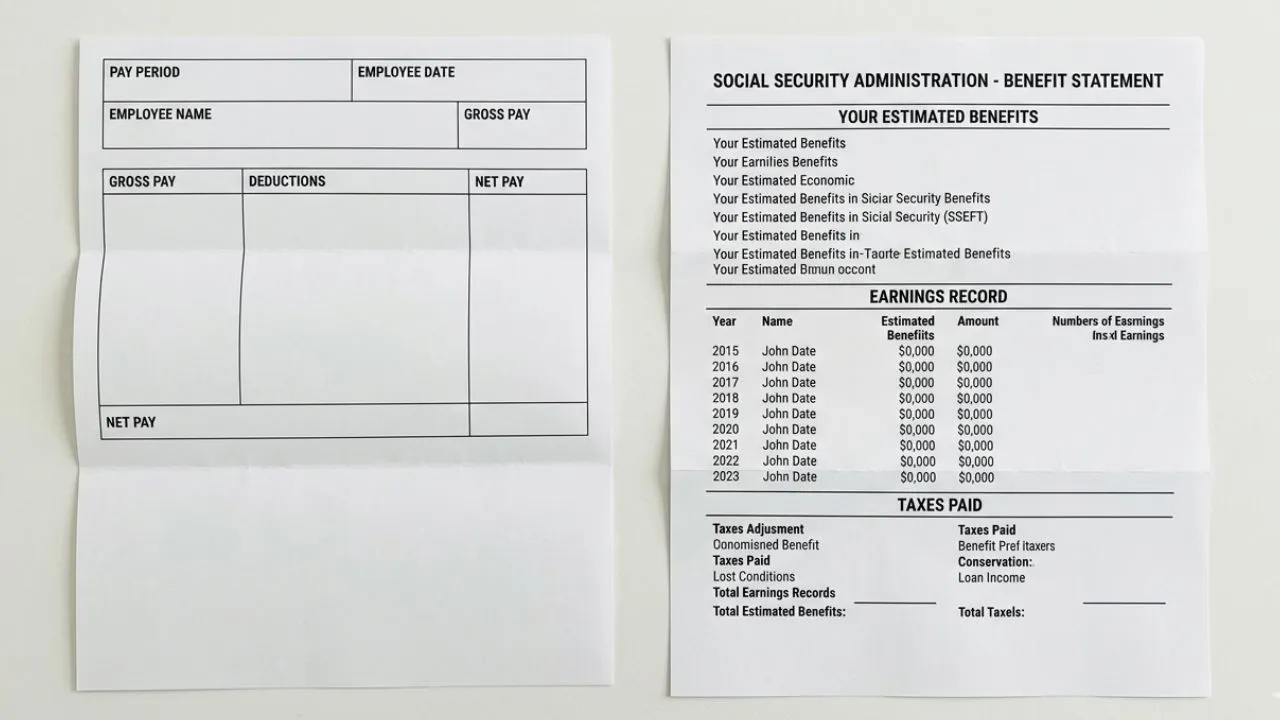
- Request a Social Security Statement through your SSA Account. This document shows your projected benefit at age 62, full retirement age, and age 70 under current fund solvency assumptions.
- Track the annual Trustees Report published each spring at Trustees Report. The depletion date shifts year to year and signals long-term program health.
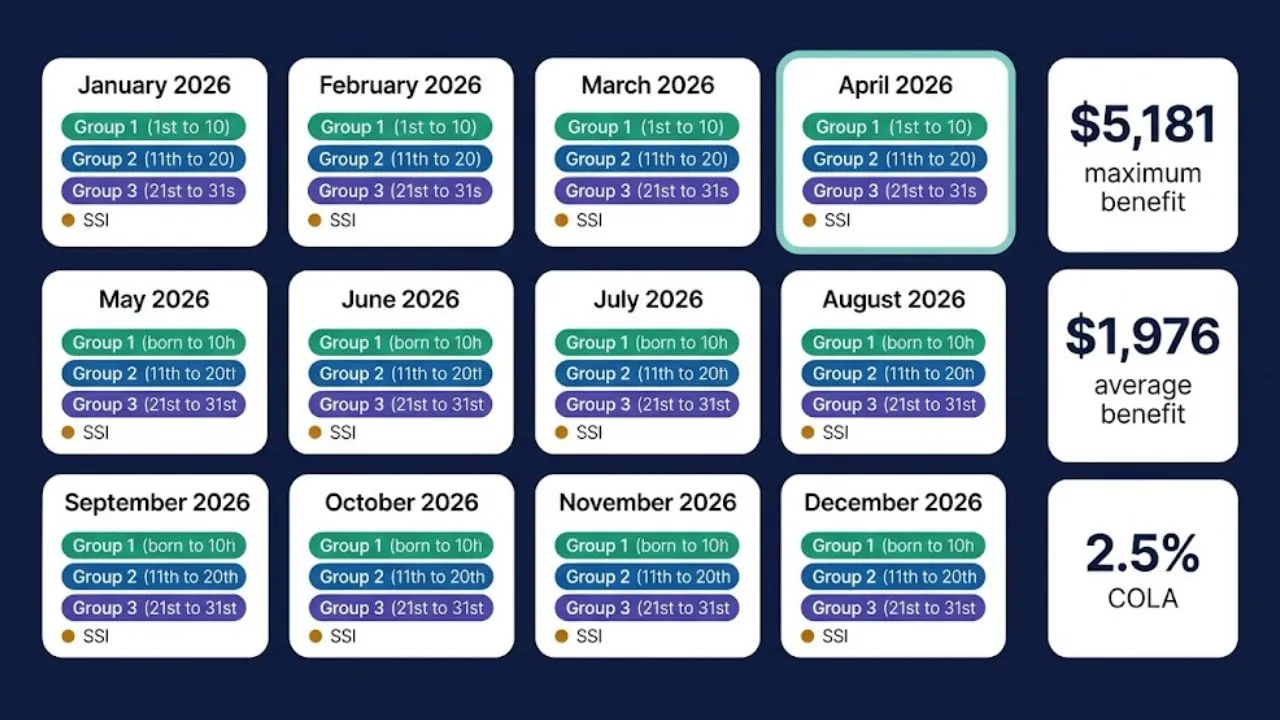
- Monitor COLA projections each fall. The 2027 COLA forecast reflects purchasing power changes under inflation trends. 2027 COLA Forecast.
- Contact your Congressional representatives if trust fund solvency legislation advances. The 1983 reform required bipartisan action, and future adjustments will likely follow similar political processes.
The Social Security Trust Fund is the financial backbone of America’s retirement and disability safety net. Every variable governing your benefit, from COLA adjustments to benefit reduction risk, traces back to the health of the Social Security Trust Fund. Monitoring its trajectory is not optional for anyone planning a financially secure retirement.











One thought on “What Is Social Security Trust Fund?: How It Works, Funding, and Solvency @import url("https://fonts.googleapis.com/css2?family=Poppins:wght@400;500;600&family=Source+Sans+3:wght@400;500;600;700&display=swap"); /* ========================================= NORMAL BYLINE ========================================= */ .izo-clean-byline { display: flex; align-items: center; justify-content: space-between; width: 100%; max-width: 620px; gap: 16px; margin-top: 4px; margin-bottom: 16px; font-family: "Poppins", Arial, sans-serif; } .izo-clean-byline-content { display: flex; flex-direction: column; justify-content: center; align-items: flex-start; min-width: 0; gap: 4px; line-height: 1.12; transform: translateY(-4px); font-family: "Poppins", Arial, sans-serif; } .izo-clean-author-wrap { position: relative; display: inline-block; width: fit-content; line-height: 1.12; margin: 0; padding: 0; outline: none; } .izo-by-label { font-family: "Poppins", Arial, sans-serif; font-size: 14px; font-weight: 400; color: #111; line-height: 1.12; margin-right: 3px; } .izo-clean-author-name { position: relative; display: inline-block; font-family: "Poppins", Arial, sans-serif; font-size: 14px; font-weight: 600; color: #111; cursor: pointer; line-height: 1.12; padding: 0; margin: 0; text-decoration-line: underline; text-decoration-color: #111; text-decoration-thickness: 1px; text-underline-offset: 1px; } .izo-clean-author-name::after { display: none; } .izo-clean-meta { font-family: "Poppins", Arial, sans-serif; font-size: 11px; font-weight: 400; color: #555; line-height: 1.12; margin: 0; padding: 0; } /* ========================================= RIGHT ACTIONS GOOGLE + SHARE ========================================= */ .izo-byline-actions { display: flex; align-items: center; justify-content: flex-end; gap: 7px; flex: 0 0 auto; position: relative; top: 6px; } /* ========================================= GOOGLE SOURCE BADGE ========================================= */ .izo-google-source-badge { display: inline-flex; align-items: center; justify-content: center; width: 34px; height: 34px; min-width: 34px; flex: 0 0 34px; padding: 6px; margin: 0; box-sizing: border-box; background: #ffffff !important; border: 1px solid rgba(85,85,85,0.30) !important; border-radius: 6px; box-shadow: none !important; text-decoration: none !important; overflow: hidden; transition: border-color 0.18s ease, background-color 0.18s ease; } .izo-google-source-badge img { display: block; width: 100%; height: 100%; max-width: 100%; object-fit: contain; object-position: center; margin: 0; padding: 0; border: 0 !important; border-radius: 0 !important; background: transparent !important; box-shadow: none !important; } .izo-google-source-badge:hover { background: #ffffff !important; border-color: rgba(85,85,85,0.45) !important; box-shadow: none !important; transform: none !important; } .izo-google-source-badge:focus { background: #ffffff !important; outline: 1px solid rgba(85,85,85,0.45); outline-offset: 2px; box-shadow: none !important; } /* ========================================= SHARE BUTTON ========================================= */ .izo-share-button { display: inline-flex; align-items: center; justify-content: center; width: 34px; height: 34px; min-width: 34px; flex: 0 0 34px; padding: 7px; margin: 0; box-sizing: border-box; background: #ffffff !important; border: 1px solid rgba(85,85,85,0.30) !important; border-radius: 6px; box-shadow: none !important; color: #333333 !important; cursor: pointer; text-decoration: none !important; overflow: hidden; appearance: none; -webkit-appearance: none; transition: border-color 0.18s ease, color 0.18s ease, background-color 0.18s ease; } .izo-share-button svg { display: block; width: 18px; height: 18px; fill: none; stroke: currentColor; stroke-width: 1.8; stroke-linecap: round; stroke-linejoin: round; margin: 0; padding: 0; } .izo-share-button:hover { background: #ffffff !important; border-color: rgba(85,85,85,0.45) !important; color: #111111 !important; box-shadow: none !important; transform: none !important; } .izo-share-button:focus { background: #ffffff !important; outline: 1px solid rgba(85,85,85,0.45); outline-offset: 2px; box-shadow: none !important; } /* ========================================= AUTHOR DETAILS CARD ========================================= */ .izo-clean-author-tooltip { position: absolute; top: calc(100% + 10px); left: 0; width: 440px; max-width: calc(100vw - 40px); background: #fff; color: #333; border: 1px solid #e5e5e5; border-radius: 8px; padding: 16px; font-family: "Source Sans 3", Arial, sans-serif; font-size: 13px; font-weight: 400 !important; line-height: 1.55; box-shadow: 0 8px 24px rgba(0,0,0,0.10); opacity: 0; visibility: hidden; transform: translateY(5px); transition: opacity 0.2s ease, transform 0.2s ease, visibility 0.2s ease; z-index: 9999; pointer-events: none; } /* ========================================= IMAGE + BIO ========================================= */ .izo-tooltip-main { display: flex; align-items: flex-start; gap: 14px; width: 100%; } .izo-tooltip-image { width: 96px; height: 96px; flex: 0 0 96px; object-fit: cover; object-position: center; display: block; border-radius: 6px; margin: 0; padding: 0; } .izo-tooltip-bio { flex: 1 1 auto; min-width: 0; font-family: "Source Sans 3", Arial, sans-serif; font-size: 13px; font-weight: 400; line-height: 1.55; color: #333; margin: 0; padding: 0; } .izo-clean-author-tooltip strong { font-family: "Source Sans 3", Arial, sans-serif; font-weight: 400 !important; } /* ========================================= DESKTOP HOVER ========================================= */ .izo-clean-author-wrap:hover .izo-clean-author-tooltip { opacity: 1; visibility: visible; transform: translateY(0); pointer-events: auto; } /* ========================================= KEYBOARD / MOBILE TAP ========================================= */ .izo-clean-author-wrap:focus .izo-clean-author-tooltip, .izo-clean-author-wrap:focus-within .izo-clean-author-tooltip { opacity: 1; visibility: visible; transform: translateY(0); pointer-events: auto; } /* ========================================= POPUP FOOTER SOCIALS | READ PROFILE ========================================= */ .izo-tooltip-footer { display: flex; align-items: center; gap: 14px; margin-top: 16px; width: 100%; } .izo-tooltip-socials { display: flex; align-items: center; gap: 14px; margin: 0; padding: 0; } .izo-tooltip-socials a { display: inline-flex; align-items: center; justify-content: center; width: 24px; height: 24px; color: #222; text-decoration: none; border: none; transition: opacity 0.2s ease, transform 0.2s ease; } .izo-tooltip-socials a:hover { opacity: 0.72; transform: translateY(-1px); } .izo-tooltip-socials svg { width: 21px; height: 21px; fill: currentColor; display: block; } /* Grey separator */ .izo-tooltip-separator { display: inline-flex; align-items: center; justify-content: center; color: #b5b5b5; font-family: "Source Sans 3", Arial, sans-serif; font-size: 20px; font-weight: 400; line-height: 1; margin: 0 1px; } /* Read profile */ .izo-clean-author-tooltip .izo-profile-link { display: inline-block; font-family: "Source Sans 3", Arial, sans-serif; font-size: 13px; font-weight: 600; color: #1a73e8; text-decoration: none; border-bottom: 1px solid #1a73e8; line-height: 1.25; white-space: nowrap; } /* ========================================= MOBILE ========================================= */ @media (max-width: 650px) { .izo-clean-byline { display: flex; flex-direction: row; align-items: center; justify-content: space-between; width: 100%; max-width: 100%; gap: 7px; margin-top: 3px; margin-bottom: 14px; flex-wrap: nowrap; } .izo-clean-byline-content { display: flex; flex-direction: column; flex: 1 1 auto; min-width: 0; max-width: calc(100% - 68px); gap: 3px; line-height: 1.12; transform: translateY(-4px); } .izo-clean-author-wrap { line-height: 1.12; margin: 0; padding: 0; max-width: 100%; white-space: nowrap; } .izo-by-label { font-size: 12px; line-height: 1.12; margin-right: 3px; } .izo-clean-author-name { font-size: 12px; font-weight: 600; line-height: 1.12; padding: 0; margin: 0; text-underline-offset: 1px; white-space: nowrap; } .izo-clean-meta { font-size: 9.5px; line-height: 1.12; margin: 0; padding: 0; color: #555; white-space: nowrap; } /* ========================================= GOOGLE + SHARE MOBILE STAY ON SAME ROW ========================================= */ .izo-byline-actions { display: flex; flex-direction: row; align-items: center; justify-content: flex-end; gap: 5px; flex: 0 0 auto; white-space: nowrap; position: relative; top: 5px; } /* GOOGLE MOBILE */ .izo-google-source-badge { width: 28px; height: 28px; min-width: 28px; flex: 0 0 28px; padding: 5px; border-radius: 5px; background: #ffffff !important; border: 1px solid rgba(85,85,85,0.30) !important; box-shadow: none !important; margin: 0; } .izo-google-source-badge img { width: 100%; height: 100%; } /* SHARE MOBILE */ .izo-share-button { width: 28px; height: 28px; min-width: 28px; flex: 0 0 28px; padding: 6px; border-radius: 5px; background: #ffffff !important; border: 1px solid rgba(85,85,85,0.30) !important; box-shadow: none !important; margin: 0; } .izo-share-button svg { width: 15px; height: 15px; stroke-width: 1.8; } /* ========================================= MOBILE AUTHOR CARD ========================================= */ .izo-clean-author-tooltip { width: min(340px, calc(100vw - 32px)); max-width: calc(100vw - 32px); padding: 14px; left: 0; font-size: 12.5px; line-height: 1.5; } .izo-tooltip-main { gap: 11px; align-items: flex-start; } .izo-tooltip-image { width: 82px; height: 82px; flex: 0 0 82px; border-radius: 5px; } .izo-tooltip-bio { font-size: 12.5px; line-height: 1.5; } /* Mobile footer */ .izo-tooltip-footer { gap: 11px; margin-top: 14px; flex-wrap: nowrap; } .izo-tooltip-socials { gap: 12px; } .izo-tooltip-socials a { width: 22px; height: 22px; } .izo-tooltip-socials svg { width: 20px; height: 20px; } .izo-tooltip-separator { font-size: 18px; margin: 0; } .izo-clean-author-tooltip .izo-profile-link { font-size: 12.5px; line-height: 1.2; } }
ByAdarsha Dhakal

Adarsha Dhakal is the Founder and Editor of Investozora, an independent U.S. financial news publication he launched in August 2025. He covers IRS tax refunds, Social Security benefit payments, federal payment systems, Federal Reserve policy, and U.S. Treasury operations, explaining how government financial decisions affect the daily lives of American households. All reporting is sourced directly from official government records including IRS.gov, SSA.gov, FederalReserve.gov, and fiscal.treasury.gov.
|
Read full profile →
Published May 22, 2026 · 6:22 AM ET · Updated 2 months ago

”