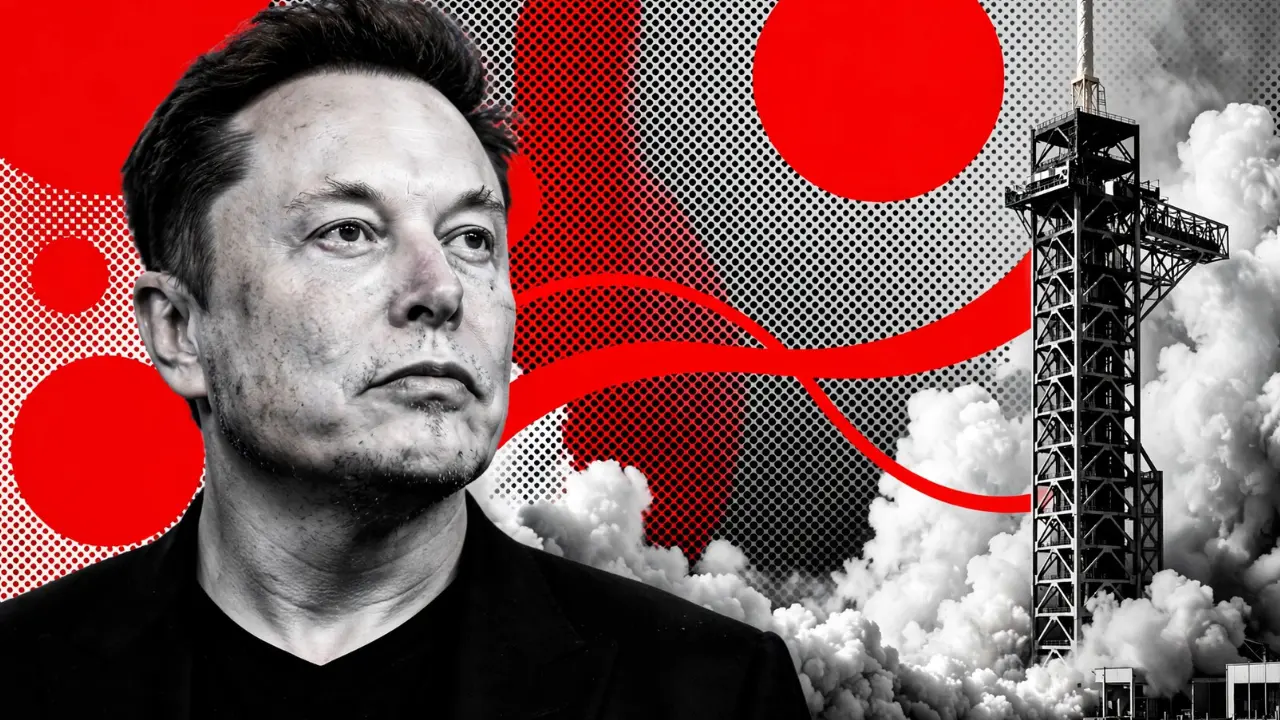

SpaceX priced its initial public offering at $135 per share and begins trading on Nasdaq under the ticker SPCX, targeting a $75 billion raise at a $1.75 trillion valuation, according to the company’s Form S-1/A filed with the Securities and Exchange Commission and available through SEC EDGAR.
The world’s most-watched private company goes public on Friday morning. The SpaceX IPO is not just a Wall Street event. It is a direct financial event for millions of Americans who never placed a single order, never heard of ticker SPCX, and never clicked a brokerage app in their lives.
Here is what is actually happening and what it means for your money.
More than $70 billion in orders poured in from retail investors alone before pricing, according to Reuters. Total demand across all investor categories exceeded $250 billion.
The offering was oversubscribed by three to four times. SpaceX’s offering is set to raise $75 billion by selling more than 555 million shares at $135 each, eclipsing Saudi Aramco’s prior record of $29.4 billion set in 2019 by a factor of more than two and a half.
The company’s stated mission, as communicated in investor presentations, is to make life multiplanetary and extend human consciousness beyond Earth. The price investors are paying tomorrow reflects that ambition almost entirely on faith.
The financial reality inside the prospectus tells a more complex story. SpaceX reported $18.674 billion in consolidated revenue in 2025 alongside a $4.937 billion net loss.
The company operates three distinct business segments with radically different financial profiles. Starlink generated $11.387 billion in revenue in 2025 with $4.423 billion in operating profit, making it the only profitable segment.
The Space segment, which includes Falcon 9 launch services, contributes meaningful revenue but carries significant capital costs from Starship development.
The AI segment, operating under the xAI brand after SpaceX’s acquisition of Musk’s artificial intelligence company in February 2026, lost $6 billion in 2025 and is projected to burn approximately $10 billion in 2026. Starlink’s profits are currently subsidizing xAI’s losses entirely.
At $135 per share, the IPO values SpaceX at roughly 92 times its trailing sales, a valuation multiple that prices in not what the company has built but what it promises to build. For context, Nvidia trades at roughly 20 to 25 times revenue.
Apple trades at roughly 10 times. The gap between SpaceX’s pricing and conventional financial metrics is not a rounding error. It is a deliberate bet on a founder’s ability to do things that have never been done commercially. Morningstar values SpaceX at $63 per share, a 53 percent discount to the IPO offering price.
The investment research firm’s analysts ran three probability-weighted scenarios: a Moonshot scenario where Starship becomes fully reusable and orbital data centers scale commercially, assigned a 7 percent probability; a No-Go scenario assigned 43 percent probability; and a Minimum Viable Product scenario assigned 50 percent probability.
Even giving the company substantial benefit of the doubt in two of the three scenarios, their mathematics produces $63. Morningstar warns there is a major disconnect between market expectations and underlying fundamentals and suggests investors sit out the IPO and wait for a more attractive entry point.
That is one legitimate view. Others on Wall Street see it differently. New Street Research analysts published a note Thursday projecting SPCX hits $165 within 12 months, reflecting 22 percent upside from the IPO price and a $2.3 trillion valuation.
Their thesis rests on SpaceX capturing 75 percent of what they project as a multi-decade space economy worth trillions. The same set of facts, the same financial filings, two price targets more than 160 percent apart. This is what a genuinely contested valuation looks like.
The piece of this story that most Americans are missing is the passive exposure question. The bond market yield shifts that accompanied the pre-IPO period in May and June 2026 were partly driven by the scale of capital being repositioned ahead of this listing.
The Nasdaq index has recently introduced rule changes to make it easier for SpaceX and other firms planning mega IPOs to list on the Nasdaq 100, while S&P Global has refused to make exceptions to allow early entry into the S&P 500.
MSCI has confirmed it will apply fast-track inclusion rules. This means that passive index funds tracking those benchmarks, including retirement funds, 401(k) plans, and educational savings accounts held by tens of millions of Americans, will be required to purchase SPCX shares regardless of price, regardless of valuation, and regardless of whether the account holder would ever choose to buy SpaceX on their own.
The scale of that forced buying is meaningful. SpaceX at $1.75 trillion would rank as roughly the seventh-largest company in the United States at IPO. Index funds weighted by market cap will need to allocate proportionally.
Vanguard Capital Management’s chief investment officer, Rodney Comegys, described the situation clearly: mega IPOs reinforce the value of diversification, and even the largest IPOs represent a small piece of a diversified portfolio.
The practical translation of that statement is that your retirement account’s SpaceX allocation will be small but non-zero, and you will not be asked. This connects directly to the US money movement system in a way most financial coverage has not addressed. A $75 billion capital raise of this scale does not exist in a vacuum inside equity markets. Capital flowing into SPCX comes from somewhere.
The SpaceX listing comes at a time when stocks have been wobbling after huge run-ups, and the Nasdaq composite had shed 7.4 percent since hitting an all-time high on June 1.
Analysts at Renaissance Capital have noted that investments are becoming more concentrated and that one bad earnings call from a company of this scale will be felt broadly. The 10-year Treasury yield currently sitting between 4.54 and 4.57 percent reflects in part the capital market repositioning occurring around this listing.
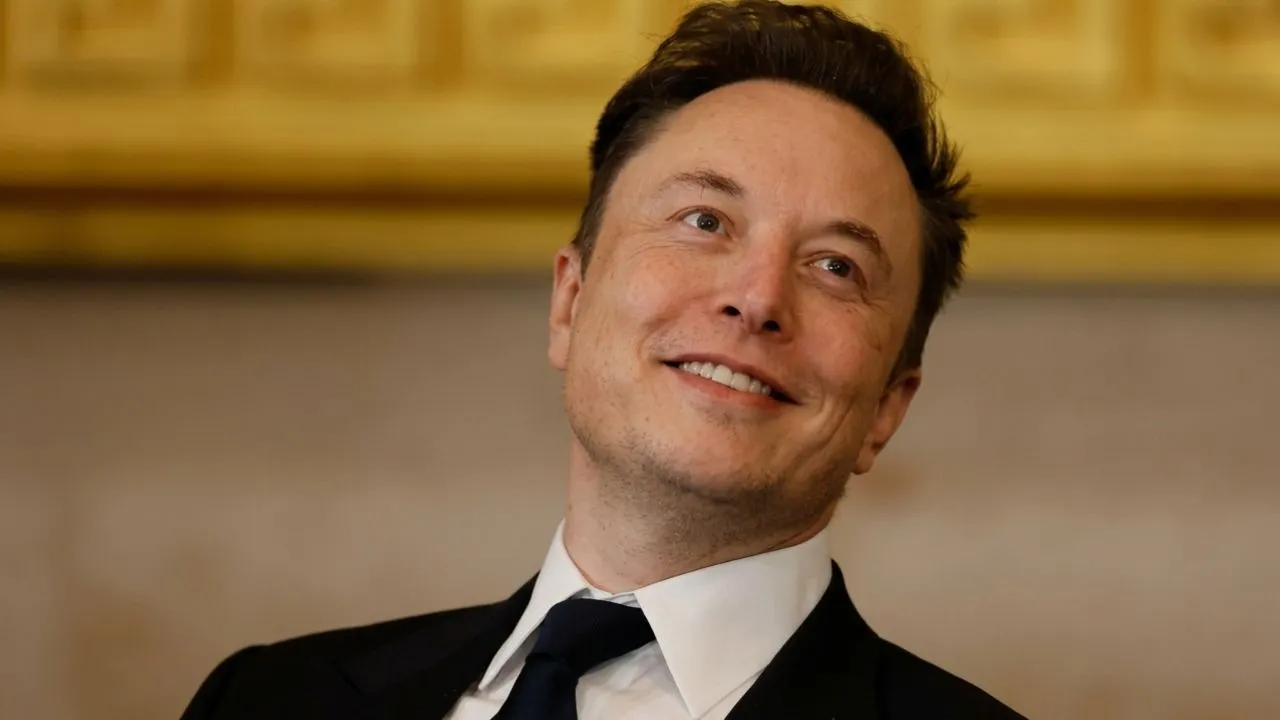
The governance structure deserves as much attention as the financials. Investors are being asked to make exceptions on Elon Musk’s insistence that he will retain an estimated 80 to 85 percent of SpaceX voting rights, a condition that would deter most institutional investors in any other context.
Matt Calkins, CEO of Appian, described the offering as a referendum on a single individual: how much faith investors have in this specific entrepreneur’s ability to open new markets.
Ben Ritchie of Aberdeen Investments framed it as a test of investors’ willingness to embrace a new model of public equity ownership, high valuation, limited governance rights, and founder-driven vision. James Dow, a professor at London Business School, noted that the valuation is inevitably tied to Musk personally: in 20 years, his role and health are genuine unknowns that cannot be priced away.
The SpaceX listing also comes as OpenAI and Anthropic have also filed paperwork with the Securities and Exchange Commission to begin their own IPO processes, likely later this year.
These three IPOs together represent the largest concentrated injection of speculative AI capital into public markets in history. Each one individually would be a market-defining event. Together they represent a structural shift in how AI infrastructure is capitalized and governed.
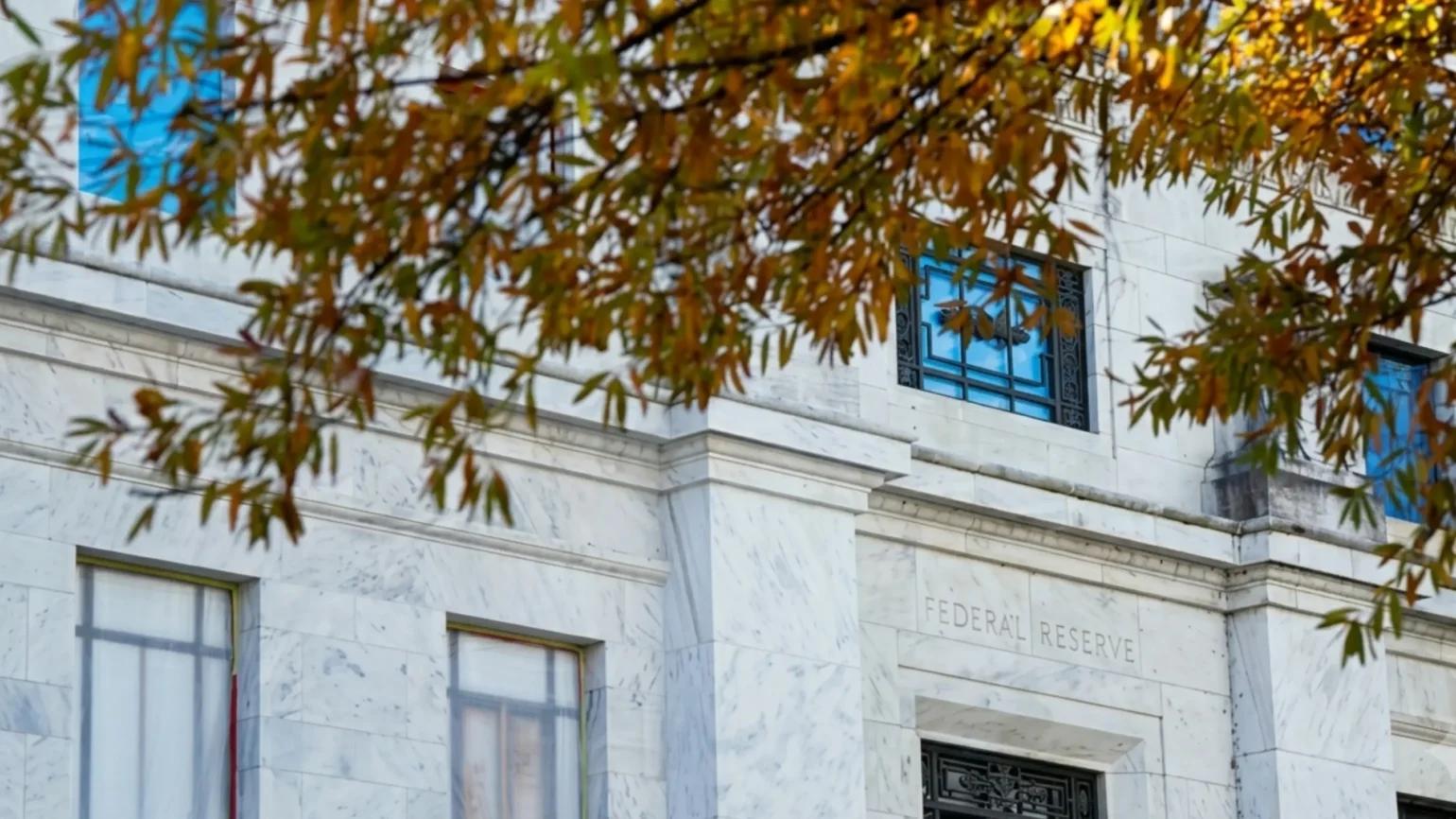
The FOMC meeting on June 16 will be the first after SPCX begins trading, and the Federal Reserve will be evaluating inflation and financial stability conditions in an environment where trillions of dollars of new market capitalization have just been created.
For the majority of individual investors, the honest answer to whether you should buy SPCX tomorrow is the same answer Ron Lieber of the New York Times gave this morning: you are probably not important or lucky enough to receive shares at $135, and that may be exactly the right outcome for your long-term financial health.
A lottery ticket is exciting. A lottery ticket embedded inside your retirement account at a valuation that Morningstar calculates is 114 percent above fair value is a different proposition.
What SpaceX has genuinely built is remarkable. Starlink serves more than 10 million active subscribers across 160 countries. Falcon 9 is the most reliable orbital launch vehicle in history.
Starship, if it achieves full reusability, will reduce the cost of reaching orbit by a factor that makes everything else in the launch market obsolete.
The company’s stated ambitions, including orbital data centers, a permanent lunar presence, and a self-sustaining city on Mars, are not marketing. They are engineering programs with funded teams and defined milestones.
Whether those ambitions are worth $1.75 trillion today, on June 12, 2026, at 94 times trailing revenue, is the question every buyer is answering yes to, and every person who chooses not to buy is answering no. Both answers have serious analysts behind them. That disagreement is precisely what makes a market.
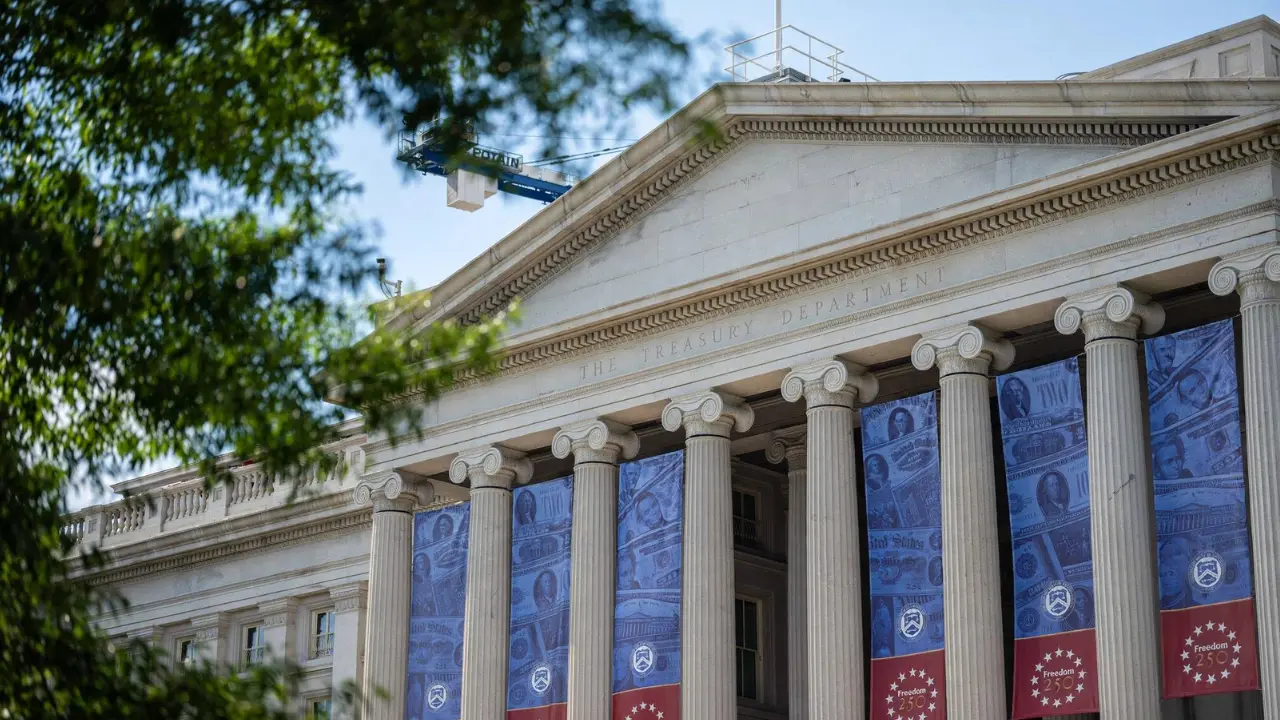
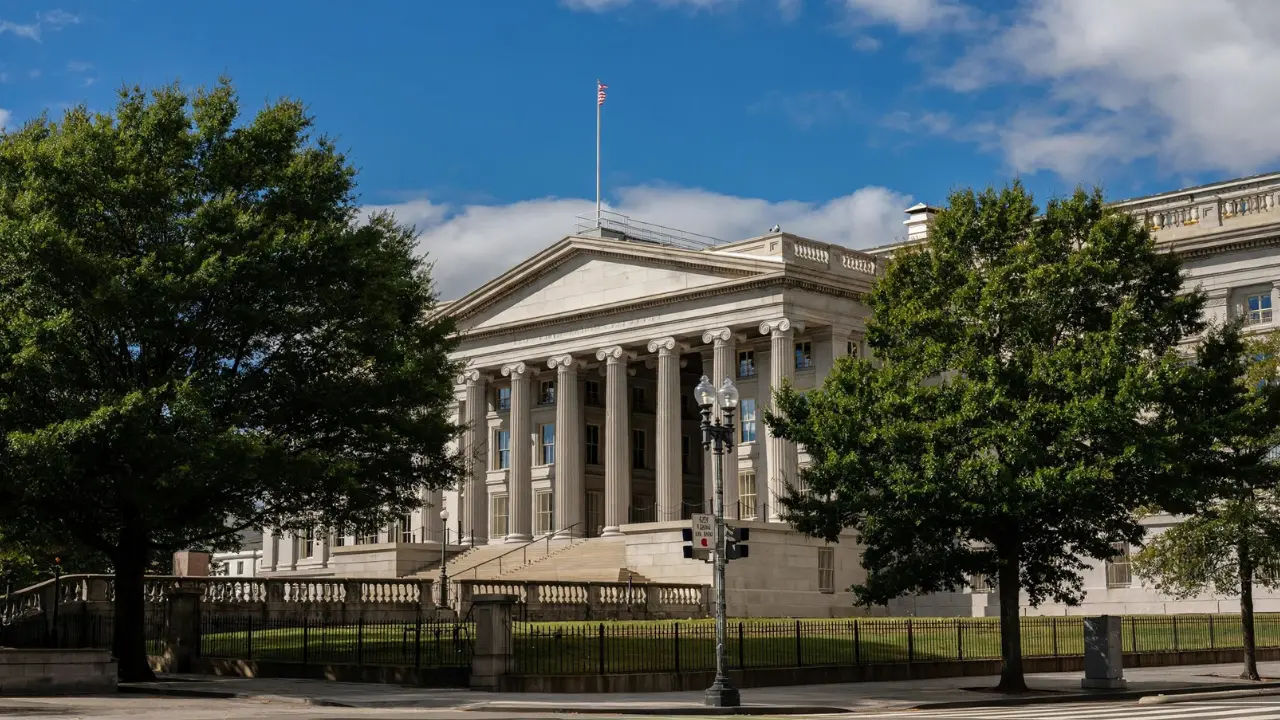
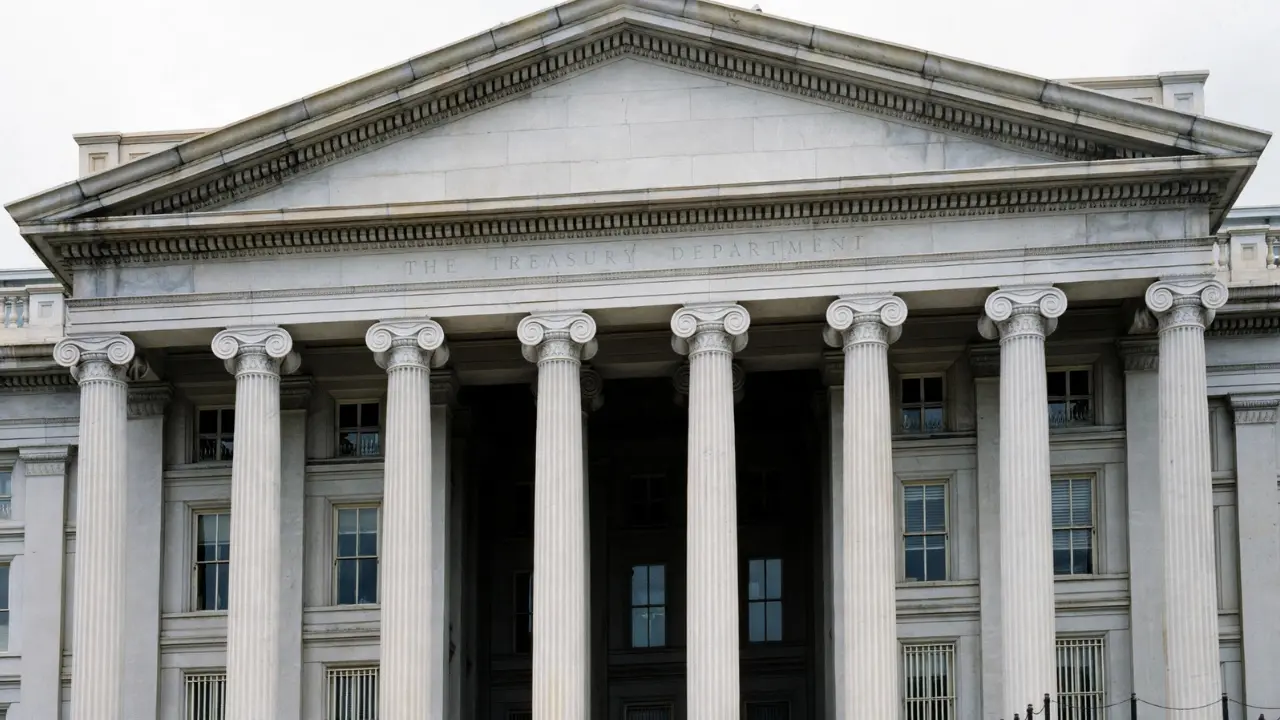
The US debt ceiling context matters here too. Treasury is managing extraordinary measures at a moment when $75 billion in new corporate capital is being raised privately. The interaction between federal borrowing capacity and private capital markets at this scale is not theoretical.