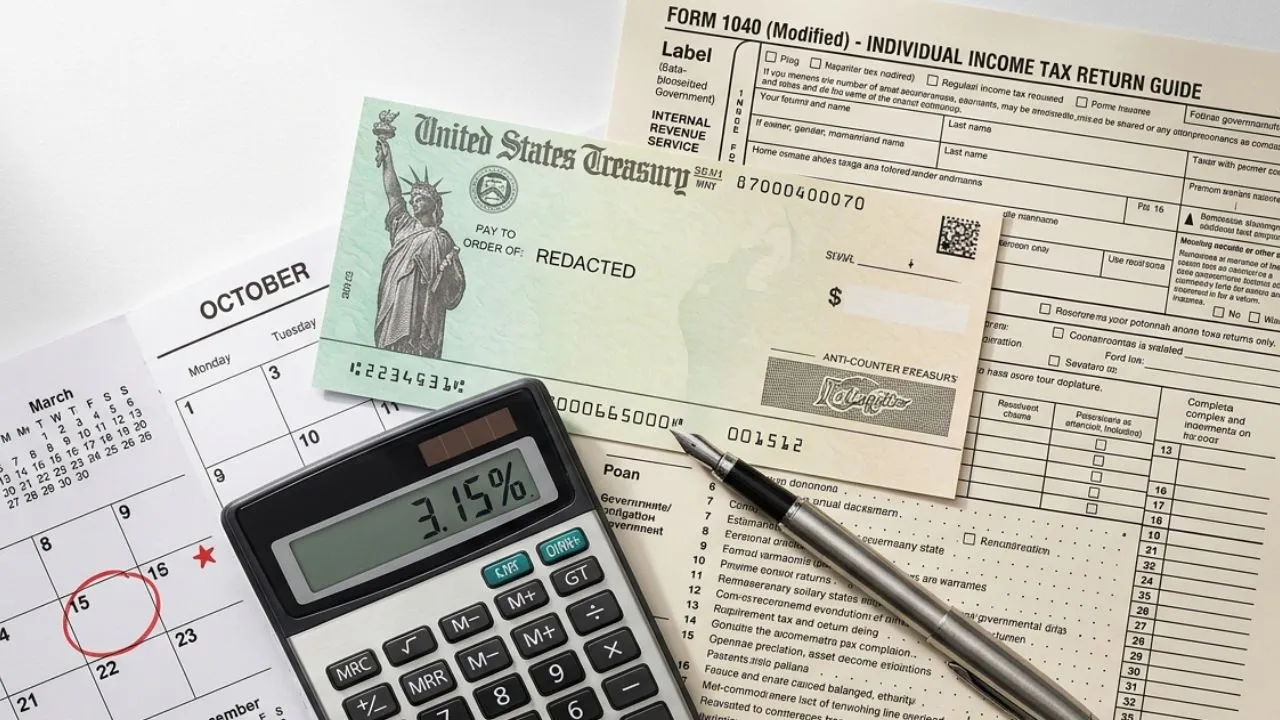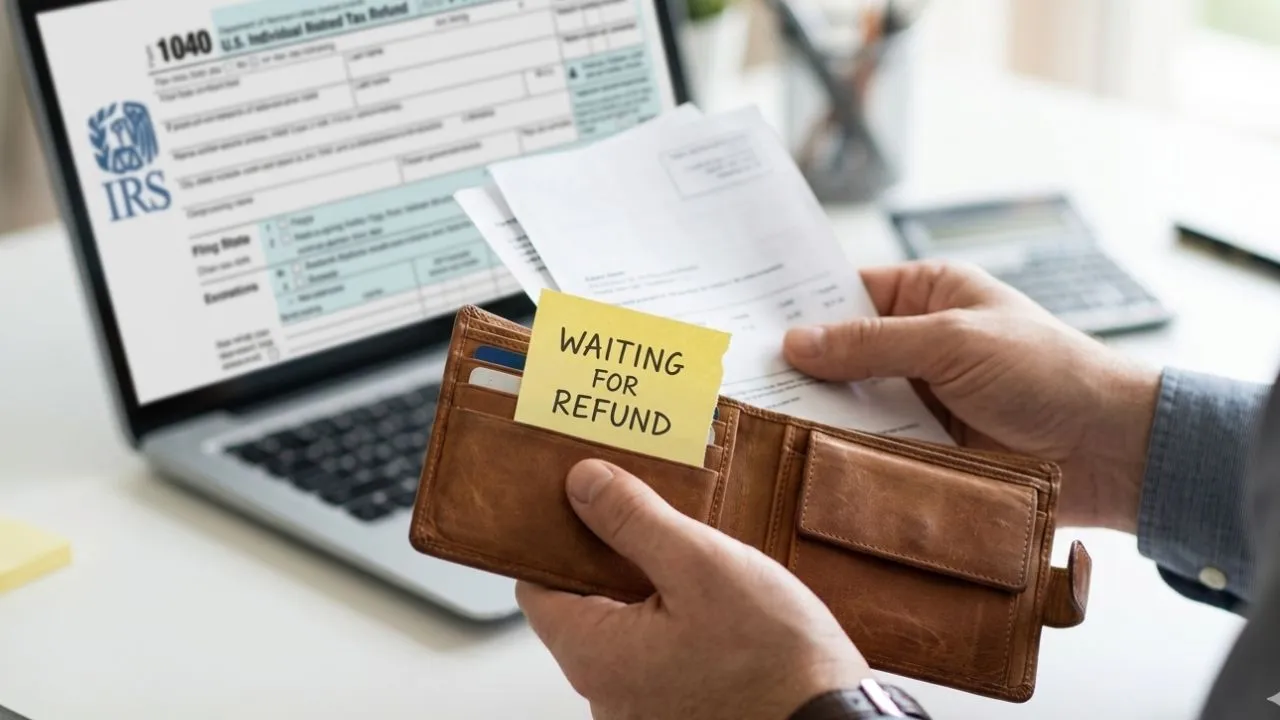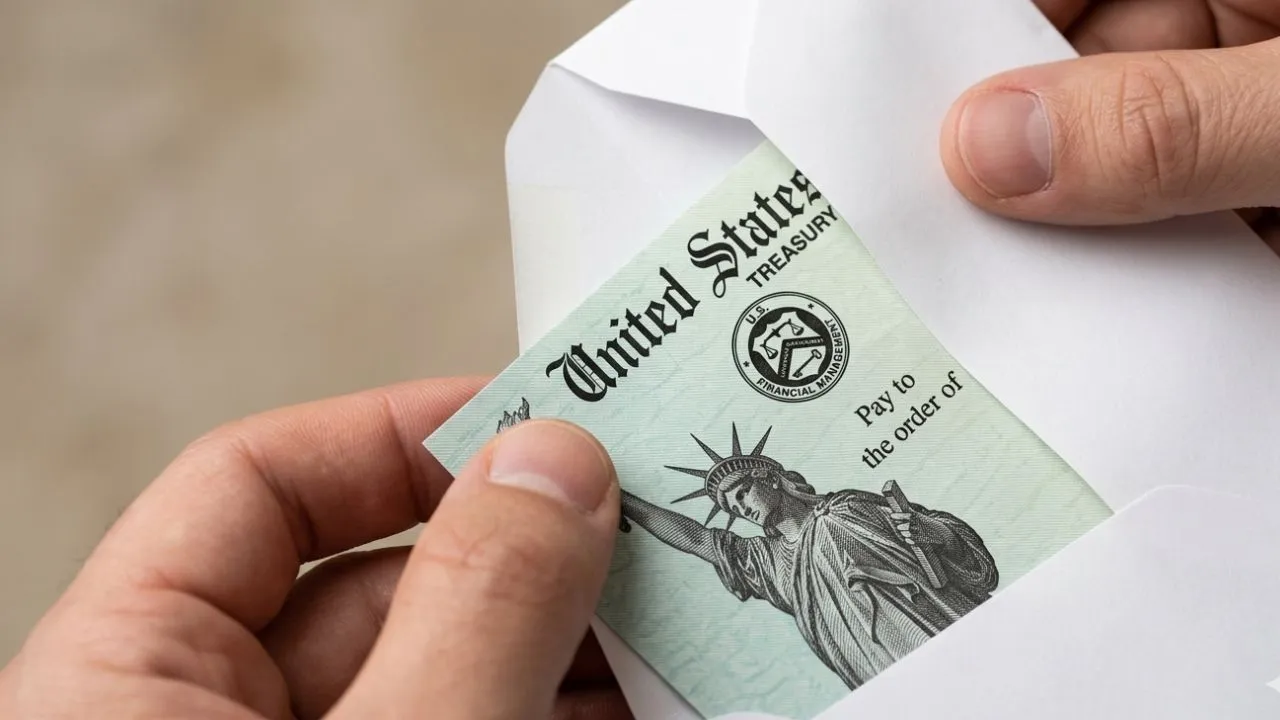

An unexpected IRS refund delay affecting 830,000 taxpayers has surfaced during the 2026 tax filing season, leaving millions of dollars in financial limbo.
If your tax refund status is frozen and you receive a letter labeled IRS Notice CP53E, your tax money is approved but caught in a new federal electronic payment system loop.
An IRS refund delay for 830,000 taxpayers happens because the IRS cannot complete your direct deposit. This occurs if your bank details are missing, wrong, or rejected by your financial institution.
Under new rules phasing out physical paper checks, the IRS locks your money with a temporary hold until you log into your official online profile and fix your banking information.
What Is a CP53E Notice and Why Is it Freezing Tax Refunds?
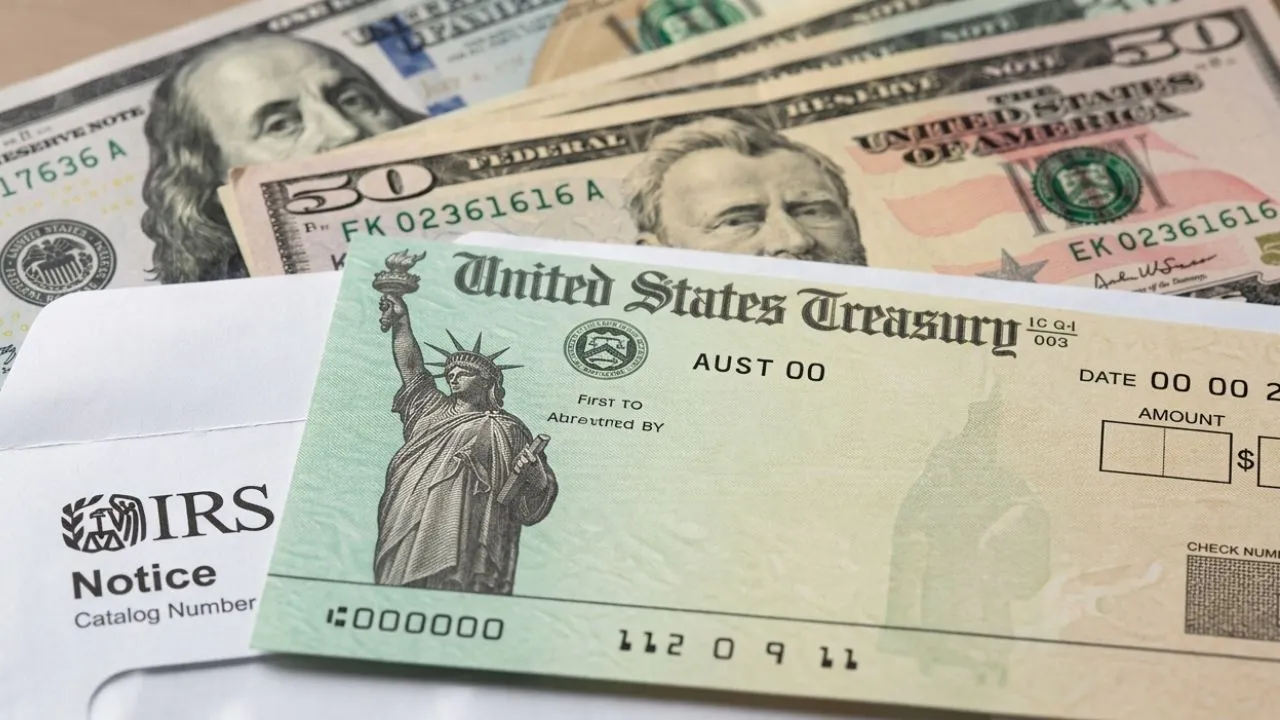
An official IRS Notice CP53E is an automated letter sent to your physical address when your tax return has successfully finished processing, but the system cannot deliver your money electronically. In previous tax years, if your bank routing digits were entered incorrectly or your account had closed, the agency’s computers would automatically print and mail a paper check to your house.
This fallback path has changed. Under the federal government’s massive modern transaction migration, the agency is aggressively enforcing the irs paper check phase out executive order 14247 for individual tax distributions.
Instead of generating a paper document, the IRS computer system applies a numeric hold inside the internal processing database. This action leaves your account marked with an irs code 810 refund freeze status line.
The letter is issued exactly once per tax season. It serves as an automated warning that you must clear the system bottleneck yourself before any money will move across federal payment rails.
The Treasury and Federal Reserve Processing Pipeline Explained
To understand how an initial filing error turns into an extended wait, it is necessary to examine the actual multi-agency financial network. The processing loop spans three completely distinct institutional layers.
First, the IRS Individual Master File system flags an electronic distribution error and applies transaction code 971 with action code 804 to trigger an account freeze.
Next, the system routes this data to the U.S. Bureau of the Fiscal Service, which immediately holds the formal payment authorization. Finally, the Federal Reserve Wire or ACH Network registers a failed transaction and rejects the electronic token back to the Treasury.
When you hit submit on your filing software, your data goes to the IRS Individual Master File system. If your accounting calculations match, the system approves your payout. However, before the funds can legally leave federal hands, the IRS must route a specialized payment file directly to the U.S. Department of the Treasury’s Bureau of the Fiscal Service.
The Fiscal Service handles the physical distribution of all federal outlays through the automated clearing house network managed by the Federal Reserve. If your bank account details contain a typo, the Federal Reserve payment rail rejects the electronic token and bounces it straight back to the Treasury.
Under the current rules, that bounced token triggers an automatic internal entry on your transcript, specifically noted as a TC 971 AC 804 MISC CP53E transaction code. The internal irs refund pipeline how money reaches bank protocols then lock your profile. This freeze remains perfectly solid until you confirm your matching identities through the centralized web dashboard.
Widespread System Errors and the Counterfeit CP53E Mail Scam
A massive point of friction this year stems from documented programming errors inside regional IRS Service Centers. Thousands of tax professionals report that the system has accidentally mailed out thousands of invalid CP53E letters to individuals who actually owed a balance or had already seen their approved funds post successfully.
If your public online portal dashboard does not display a pending alert, your document may be an automated database glitch. Furthermore, bad actors are aggressively capitalizing on this confusion to target vulnerable filers.
The National Taxpayer Advocate issued an urgent alert warning that counterfeit paper CP53E letters are landing in mailboxes across the country. These fake documents are highly sophisticated, perfectly mimicking official formatting to steal your financial routing credentials.
Critical Fraud Warning: Real IRS Notice CP53E letters will never include a QR code directing you to scan with a phone, nor will they ask you to visit a non-governmental website link. The IRS will never send an email, text message, or call you on the phone regarding this specific hold.
If your letter contains a QR code or lists a number that is not the official informational line (866-325-4066), it is an active identity theft trap.
Frequently Asked Questions Regarding the CP53E Hold
What happens if I do not respond to the letter within 30 days?
If you fail to take action within the 30-day window printed on your letter, the system will eventually drop the electronic requirement and queue your profile for an old-fashioned mail document. However, this safety exit adds at least six additional weeks of administrative waiting time to your file.
Can an IRS phone representative update my banking details for me?
No, Phone operators cannot input your bank details. The automated informational telephone number is a recorded loop designed solely to give technical context. The only way to clear the hold is to provide your information via your authenticated online page.
What if my bank details change or I make a typo on the update screen?
The agency enforces a strict single-update policy for this specific notification. If you make a typo during your online submission and the bank rejects the update, you will not get a second chance. The transaction drops out of electronic routing completely and defaults directly to a manual paper queue.
Technical Edge Cases: Mismatched Names and Expat Exclusions
The automated validation system is designed to prevent fraud, but it frequently triggers unexpected flags for completely honest filers. If you use an online banking app or a digital fintech account, the primary name registered on that account must flawlessly match the official name on your tax document. Joint filers face frequent issues if they attempt to route their joint marital payout into an individual checking account held by only one spouse.
This system creates severe roadblocks for American citizens living abroad. Because federal payment networks cannot route direct deposits into foreign bank accounts, expats who do not maintain an active U.S. banking relationship will automatically trigger an administrative freeze if they do not secure an official electronic payment waiver.
What You Should Do Now
- Verify your real account status. Do not rely solely on paper mail. Navigate directly to IRS.gov/account and securely authenticate your identity through the official ID.me verification system.
- Locate the active notification. Once inside your secure account dashboard, review the alerts section for a notification labeled “Add bank account notification.” If the letter is legitimate, the same action item should appear there.
- Input validated institutional details. Carefully enter your U.S. routing number and account number. Confirm that the bank account is registered in your exact legal name before submitting the information.
- Track the settlement status. Allow two to five business days for IRS systems to process and clear the account update. Monitor progress through the IRS Where’s My Refund not updating guide for additional troubleshooting and status-tracking information.
Taxpayers facing persistent systemic login problems can locate technical support infrastructure directly through the IRS Understanding Your CP53E Notice Portal or seek localized help via the Taxpayer Advocate Service Security Resource.