



Treasury yields held near 4.38 percent on Tuesday as American and Iranian officials gathered in Doha for a fresh round of talks aimed at stabilizing a fragile ceasefire that has already reshaped oil markets, inflation expectations, and the path the Federal Reserve may take on interest rates later this year.
The meetings come eleven days after Washington and Tehran signed a fourteen point memorandum of understanding on June 17 that paused four months of conflict disrupting shipping through the Strait of Hormuz, the narrow waterway between Oman and Iran that typically carries roughly one fifth of global oil traffic.
The interim accord lifted a blockade on the strait and restored Iran’s ability to sell oil internationally, and Brent crude has fallen approximately 20 percent since the closing session of May 29, trading near 73 dollars per barrel on Tuesday.
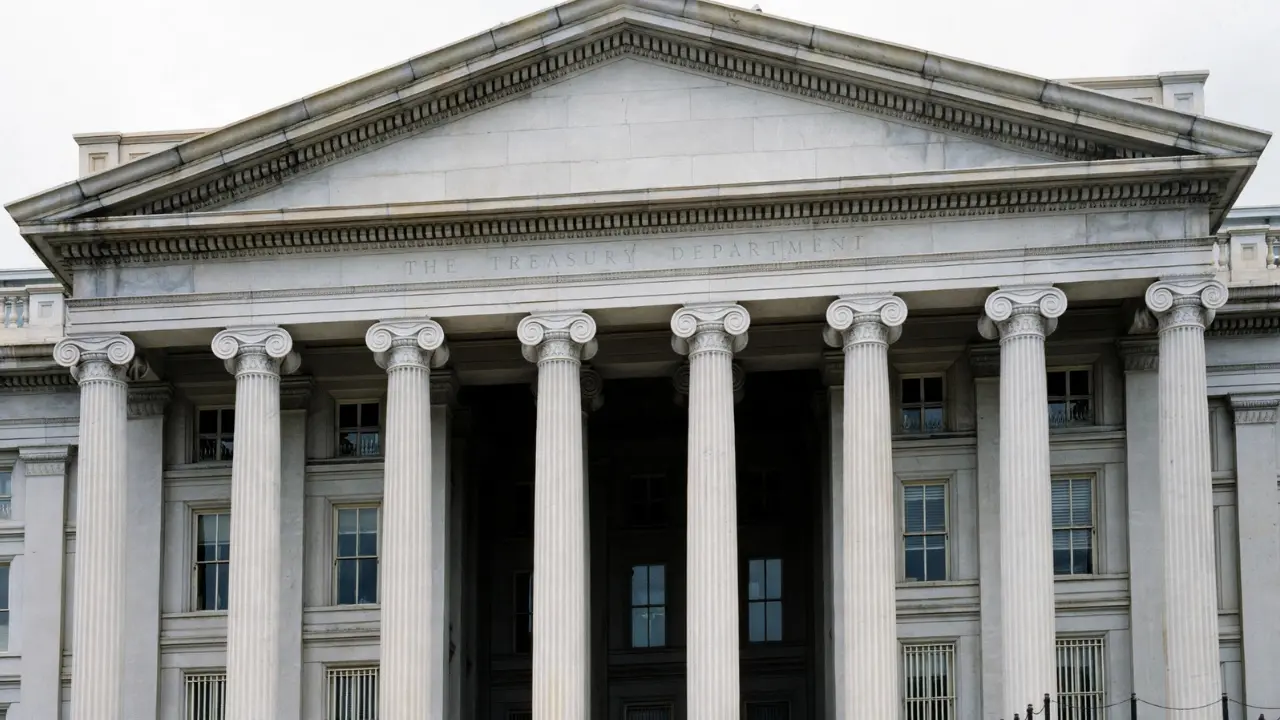
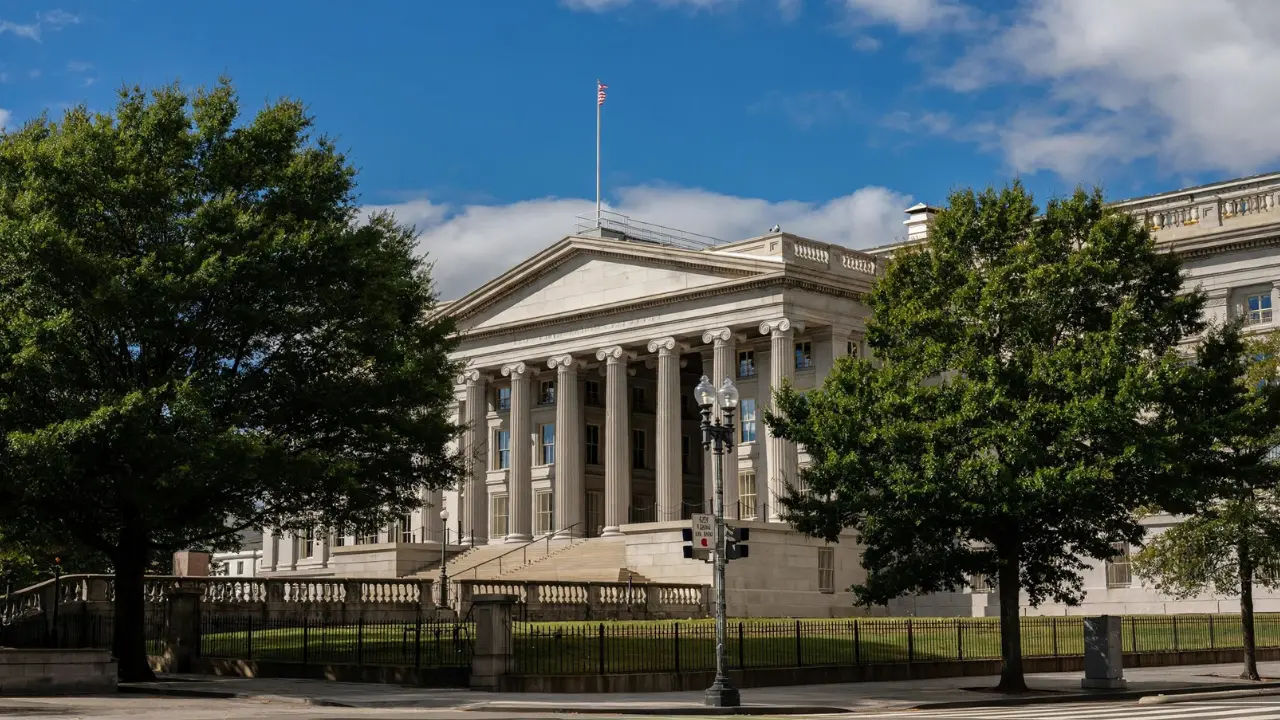
That decline traces a path readers can follow directly through the most authoritative public ledger of U.S. borrowing costs, the daily treasury yield curve maintained by the Treasury market data center, which publishes the 2 year, 10 year, and 30 year rates that anchor mortgage pricing, credit card APRs, and corporate borrowing nationwide.
The diplomatic track has not been smooth. Weekend strikes and counterstrikes between U.S. and Iranian forces near Bahrain and Kuwait briefly threatened the ceasefire before both sides agreed to stand down ahead of Tuesday’s meeting. U.S. special envoys arrived in Doha to meet with mediators rather than Iranian negotiators directly.
According to a Qatari government spokesperson, underscoring how fragile the underlying truce remains even as energy markets price in optimism. For readers tracking their own household finances, what happens in these talks over the coming days carries a direct line into borrowing costs, savings yields, and the inflation outlook the Federal Reserve weighs at every meeting.
What Doha Means For Borrowing Costs
The immediate mechanical link between Gulf diplomacy and a household’s mortgage rate or auto loan runs through energy prices first and Treasury yields second. When the Strait of Hormuz closed earlier this year amid the conflict, oil prices spiked above 100 dollars a barrel, and gasoline at the pump in the U.S. climbed to a peak near 4.56 dollars per gallon in May.
As the interim deal reopened shipping lanes, gas prices fell to roughly 3.86 dollars per gallon by late June, a decline of about 70 cents that flows directly into the headline inflation figures the Bureau of Labor Statistics tracks.
That relationship is precisely why fiscal data from Treasury debt information shows borrowing costs and energy markets moving in tandem this year: lower oil prices reduce one of the loudest inflation signals in the economy, and that reduction shapes how investors price the entire Treasury curve, since the 10 year yield in particular reflects the market’s collective bet on where inflation and growth are headed over the next decade.
The institutional mechanics matter here because three separate systems are reading the same Doha headlines and responding in different ways. The State Department track manages the diplomacy itself.
The Treasury market reads oil price signals into yield pricing within minutes of any headline. And the Federal Reserve, which does not trade in real time, instead absorbs these signals more slowly through its dual mandate of price stability and maximum employment, adjusting policy only when the data confirms a durable shift rather than a single day’s headline.
A reader checking their banking app this week and noticing little movement in their savings account yield is seeing the slower half of that transmission chain. Treasury yields have already adjusted to lower energy prices, but the Federal Reserve’s own benchmark rate, which more directly sets what banks pay on deposits, moves only at scheduled meetings based on accumulated data, not daily diplomatic headlines.
How Geopolitical Risk Becomes An Inflation Number
The simplest way to understand this chain is to follow a single barrel of crude oil from the Persian Gulf to a household budget. The weekly petroleum report published by the U.S. Energy Information Administration tracks crude inventories, refinery output, and gasoline prices on a rolling basis, and that data feeds directly into the Consumer Price Index calculation the following month.
Energy costs carry outsized weight in headline inflation because they touch nearly every other price in the economy: trucking costs, manufacturing inputs, heating bills, and airline fares all move with crude.
This is exactly the transmission mechanism playing out in real time. Annual energy inflation reached 23.5 percent over the past year as the conflict disrupted Gulf shipping, a sharp acceleration from 17.9 percent recorded just a month earlier.
That single category did more to push headline inflation above the Fed’s 2 percent target than almost any other input. Core inflation, which strips out food and energy specifically because of this volatility, told a calmer story, rising just 0.2 percent on the month even as the annual rate edged up to 2.9 percent.
The gap between those two numbers is the clearest evidence available that geopolitical risk in the Gulf has been doing real work on American household budgets through the gas pump and the grocery truck, not through some abstract financial channel.
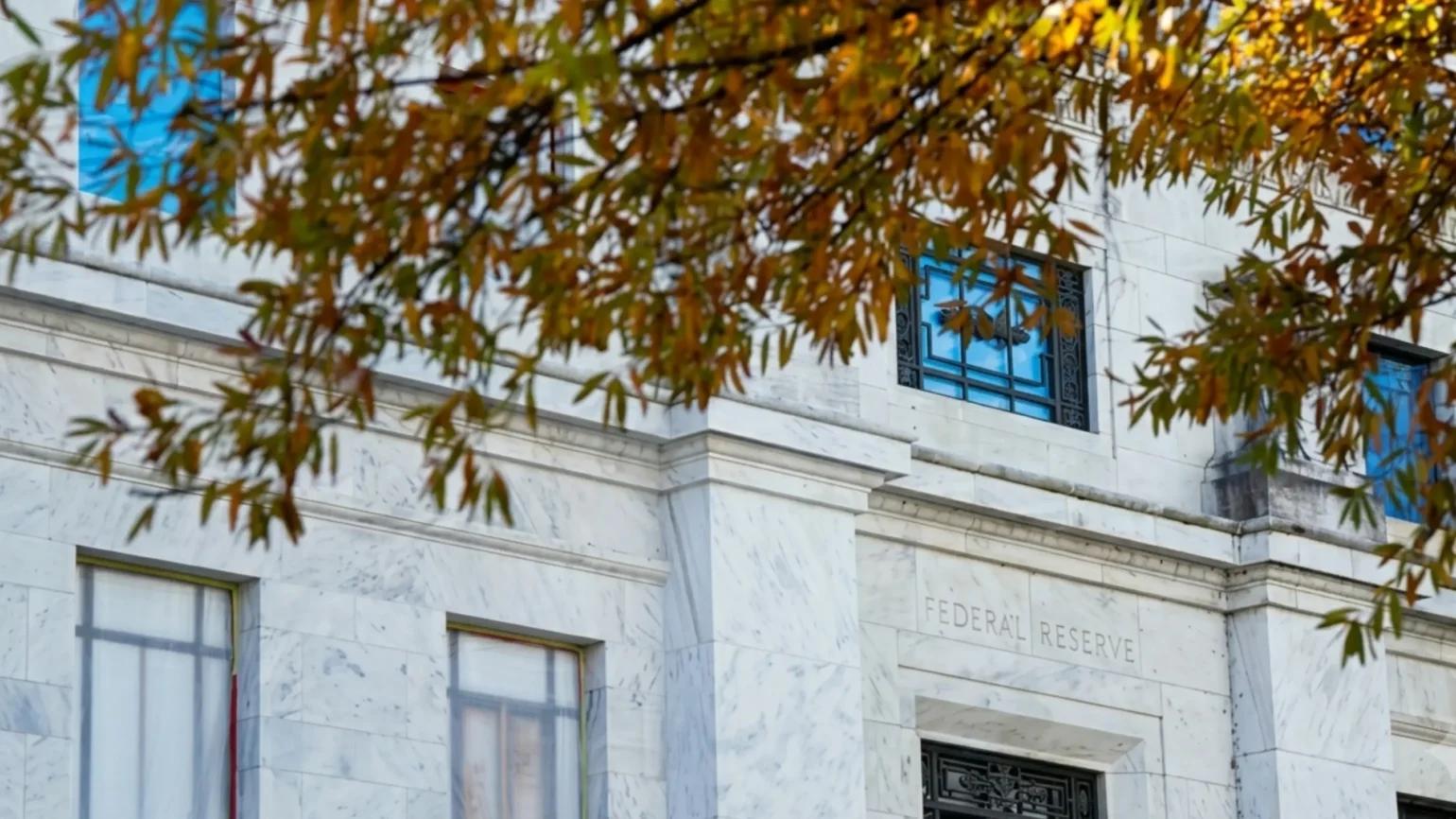
Federal Reserve press releases from June’s meeting confirmed officials are watching this distinction closely. The Federal Open Market Committee held its benchmark rate steady at 3.50 to 3.75 percent for a fourth consecutive meeting, but the accompanying economic projections told a more pointed story: nine of eighteen participants now project at least one rate hike before year end, up from a March outlook that had leaned toward cuts.
The median projection for the federal funds rate at the end of 2026 rose to 3.8 percent from 3.4 percent in March, a complete reversal from an implied cut to an implied hike. Seventeen of eighteen officials judged inflation risks to be tilted to the upside, with none seeing downside risk at all.
Why Treasury Yields Are The Number That Actually Touches Your Wallet
The Federal Reserve does not directly set mortgage rates, credit card APRs, or the yield on a 10 year Treasury note. What it controls directly is the federal funds rate, the overnight rate banks charge each other, through the Federal Open Market Committee process that meets eight times a year.
Everything else moves through market expectations about where that rate is headed, which is precisely why the 10 year Treasury yield reacted to oil price declines from the Doha diplomacy before the Fed itself took any action at all.
This is the mechanism most coverage of the U.S. Iran talks skips entirely. The pathway runs from Middle East tensions through oil prices into inflation expectations, then into Treasury yields, and only at the final stage into the federal funds rate and the borrowing costs households actually feel on mortgages, auto loans, and credit cards.
A mortgage rate quoted today reflects the market’s forward looking bet on inflation and growth over the life of a 30 year loan, a bet built primarily on the 10 year Treasury yield rather than on the Fed’s current overnight rate.
That is why yields fell to roughly 4.38 percent, the lowest level since early May, even as the Fed’s own projections turned more hawkish in June. Lower energy prices reduced near term inflation risk in the eyes of bond investors faster than the Fed’s institutional process could formally lower its own rate outlook.
The monetary policy report Congress receives twice yearly explicitly walks through this distinction between market based yield movements and the Fed’s own administered rate decisions, a distinction that matters enormously for anyone trying to time a mortgage refinance or a new auto loan against headlines from Doha.
What Happens If Talks Break Down
The reverse scenario carries real weight given how quickly this ceasefire has already been tested. Iranian officials denied this week that any Doha meeting was confirmed even as President Trump announced one publicly, and weekend strikes against U.S. positions in Bahrain and Kuwait showed how easily the interim accord can fray.
If the Strait of Hormuz closes again, the same chain runs in reverse and faster: oil prices spike, headline inflation accelerates, and Treasury yields could move higher on renewed inflation risk even as safe haven demand for U.S. government debt simultaneously increases.
Those two forces can partially offset each other, which is part of why Treasury market behavior during geopolitical shocks is harder to predict than oil prices alone would suggest.
Quantitative research from the market desk at the Federal Reserve Bank of New York, which executes the open market operations that implement Fed policy, tracks exactly this kind of liquidity and safe haven flow on a daily basis.
Treasury securities have historically attracted buying during regional conflict escalation precisely because investors view U.S. government debt as a refuge, even while the same escalation pushes inflation expectations higher through energy costs.
The net effect on any given day depends on which force dominates investor psychology, and that balance can shift within hours based on a single diplomatic headline out of Doha.
What Investors And Borrowers Should Watch Next
The clearest signals available to readers over the coming weeks run through a short list of verifiable, dated releases rather than headline speculation. The Bureau of Labor Statistics will publish its employment report for June on Thursday, July 2, a Thursday release moved up one business day because the normal Friday slot falls on the Independence Day holiday observance.
That report will show whether the labor market resilience that has defined 2026, including a May payroll gain of 172,000 against a consensus near 80,000, continues into summer, a data point the Fed has cited directly as license to keep rates higher for longer regardless of energy price swings.
Consumer Price Index data due in mid-July will show whether the gasoline price decline from the Doha diplomacy has fully worked its way into headline inflation, or whether other categories have absorbed enough of the pressure to keep the annual rate elevated despite cheaper fuel.
The next scheduled FOMC meeting will offer the clearest read yet on whether Chair Kevin Warsh’s committee follows through on its hawkish June pivot or finds room to pause given easing energy costs. And the GDP data the Bureau of Economic Analysis publishes quarterly will show whether the broader economy is absorbing these shocks without a meaningful growth slowdown, the other half of the Fed’s dual mandate alongside inflation.
For a household watching their own bottom line, the practical takeaway is straightforward even amid genuinely unpredictable diplomacy. Gas prices have already fallen substantially from their wartime peak, a relief visible at any pump in the country.
Treasury yields have followed that decline lower, which has begun easing pressure on mortgage rates even as the Fed’s own policy stance has turned more cautious about cutting further.
Whether that easing holds depends less on any single Doha meeting succeeding or failing than on whether the underlying ceasefire survives the next several weeks of implementation, a question that remains genuinely open as both governments continue trading conflicting signals about what comes next.





One thought on “Iran Talks, Doha Negotiations, and Treasury Yields: Market Impact at 4.38% @import url("https://fonts.googleapis.com/css2?family=Poppins:wght@400;500;600&family=Source+Sans+3:wght@400;500;600;700&display=swap"); /* ========================================= NORMAL BYLINE ========================================= */ .izo-clean-byline { display: flex; align-items: center; justify-content: space-between; width: 100%; max-width: 620px; gap: 16px; margin-top: 4px; margin-bottom: 16px; font-family: "Poppins", Arial, sans-serif; } .izo-clean-byline-content { display: flex; flex-direction: column; justify-content: center; align-items: flex-start; min-width: 0; gap: 4px; line-height: 1.12; transform: translateY(-4px); font-family: "Poppins", Arial, sans-serif; } .izo-clean-author-wrap { position: relative; display: inline-block; width: fit-content; line-height: 1.12; margin: 0; padding: 0; outline: none; } .izo-by-label { font-family: "Poppins", Arial, sans-serif; font-size: 14px; font-weight: 400; color: #111; line-height: 1.12; margin-right: 3px; } .izo-clean-author-name { position: relative; display: inline-block; font-family: "Poppins", Arial, sans-serif; font-size: 14px; font-weight: 600; color: #111; cursor: pointer; line-height: 1.12; padding: 0; margin: 0; text-decoration-line: underline; text-decoration-color: #111; text-decoration-thickness: 1px; text-underline-offset: 1px; } .izo-clean-author-name::after { display: none; } .izo-clean-meta { font-family: "Poppins", Arial, sans-serif; font-size: 11px; font-weight: 400; color: #555; line-height: 1.12; margin: 0; padding: 0; } /* ========================================= RIGHT ACTIONS GOOGLE + SHARE ========================================= */ .izo-byline-actions { display: flex; align-items: center; justify-content: flex-end; gap: 7px; flex: 0 0 auto; position: relative; top: 6px; } /* ========================================= GOOGLE SOURCE BADGE ========================================= */ .izo-google-source-badge { display: inline-flex; align-items: center; justify-content: center; width: 34px; height: 34px; min-width: 34px; flex: 0 0 34px; padding: 6px; margin: 0; box-sizing: border-box; background: #ffffff !important; border: 1px solid rgba(85,85,85,0.30) !important; border-radius: 6px; box-shadow: none !important; text-decoration: none !important; overflow: hidden; transition: border-color 0.18s ease, background-color 0.18s ease; } .izo-google-source-badge img { display: block; width: 100%; height: 100%; max-width: 100%; object-fit: contain; object-position: center; margin: 0; padding: 0; border: 0 !important; border-radius: 0 !important; background: transparent !important; box-shadow: none !important; } .izo-google-source-badge:hover { background: #ffffff !important; border-color: rgba(85,85,85,0.45) !important; box-shadow: none !important; transform: none !important; } .izo-google-source-badge:focus { background: #ffffff !important; outline: 1px solid rgba(85,85,85,0.45); outline-offset: 2px; box-shadow: none !important; } /* ========================================= SHARE BUTTON ========================================= */ .izo-share-button { display: inline-flex; align-items: center; justify-content: center; width: 34px; height: 34px; min-width: 34px; flex: 0 0 34px; padding: 7px; margin: 0; box-sizing: border-box; background: #ffffff !important; border: 1px solid rgba(85,85,85,0.30) !important; border-radius: 6px; box-shadow: none !important; color: #333333 !important; cursor: pointer; text-decoration: none !important; overflow: hidden; appearance: none; -webkit-appearance: none; transition: border-color 0.18s ease, color 0.18s ease, background-color 0.18s ease; } .izo-share-button svg { display: block; width: 18px; height: 18px; fill: none; stroke: currentColor; stroke-width: 1.8; stroke-linecap: round; stroke-linejoin: round; margin: 0; padding: 0; } .izo-share-button:hover { background: #ffffff !important; border-color: rgba(85,85,85,0.45) !important; color: #111111 !important; box-shadow: none !important; transform: none !important; } .izo-share-button:focus { background: #ffffff !important; outline: 1px solid rgba(85,85,85,0.45); outline-offset: 2px; box-shadow: none !important; } /* ========================================= AUTHOR DETAILS CARD ========================================= */ .izo-clean-author-tooltip { position: absolute; top: calc(100% + 10px); left: 0; width: 440px; max-width: calc(100vw - 40px); background: #fff; color: #333; border: 1px solid #e5e5e5; border-radius: 8px; padding: 16px; font-family: "Source Sans 3", Arial, sans-serif; font-size: 13px; font-weight: 400 !important; line-height: 1.55; box-shadow: 0 8px 24px rgba(0,0,0,0.10); opacity: 0; visibility: hidden; transform: translateY(5px); transition: opacity 0.2s ease, transform 0.2s ease, visibility 0.2s ease; z-index: 9999; pointer-events: none; } /* ========================================= IMAGE + BIO ========================================= */ .izo-tooltip-main { display: flex; align-items: flex-start; gap: 14px; width: 100%; } .izo-tooltip-image { width: 96px; height: 96px; flex: 0 0 96px; object-fit: cover; object-position: center; display: block; border-radius: 6px; margin: 0; padding: 0; } .izo-tooltip-bio { flex: 1 1 auto; min-width: 0; font-family: "Source Sans 3", Arial, sans-serif; font-size: 13px; font-weight: 400; line-height: 1.55; color: #333; margin: 0; padding: 0; } .izo-clean-author-tooltip strong { font-family: "Source Sans 3", Arial, sans-serif; font-weight: 400 !important; } /* ========================================= DESKTOP HOVER ========================================= */ .izo-clean-author-wrap:hover .izo-clean-author-tooltip { opacity: 1; visibility: visible; transform: translateY(0); pointer-events: auto; } /* ========================================= KEYBOARD / MOBILE TAP ========================================= */ .izo-clean-author-wrap:focus .izo-clean-author-tooltip, .izo-clean-author-wrap:focus-within .izo-clean-author-tooltip { opacity: 1; visibility: visible; transform: translateY(0); pointer-events: auto; } /* ========================================= POPUP FOOTER SOCIALS | READ PROFILE ========================================= */ .izo-tooltip-footer { display: flex; align-items: center; gap: 14px; margin-top: 16px; width: 100%; } .izo-tooltip-socials { display: flex; align-items: center; gap: 14px; margin: 0; padding: 0; } .izo-tooltip-socials a { display: inline-flex; align-items: center; justify-content: center; width: 24px; height: 24px; color: #222; text-decoration: none; border: none; transition: opacity 0.2s ease, transform 0.2s ease; } .izo-tooltip-socials a:hover { opacity: 0.72; transform: translateY(-1px); } .izo-tooltip-socials svg { width: 21px; height: 21px; fill: currentColor; display: block; } /* Grey separator */ .izo-tooltip-separator { display: inline-flex; align-items: center; justify-content: center; color: #b5b5b5; font-family: "Source Sans 3", Arial, sans-serif; font-size: 20px; font-weight: 400; line-height: 1; margin: 0 1px; } /* Read profile */ .izo-clean-author-tooltip .izo-profile-link { display: inline-block; font-family: "Source Sans 3", Arial, sans-serif; font-size: 13px; font-weight: 600; color: #1a73e8; text-decoration: none; border-bottom: 1px solid #1a73e8; line-height: 1.25; white-space: nowrap; } /* ========================================= MOBILE ========================================= */ @media (max-width: 650px) { .izo-clean-byline { display: flex; flex-direction: row; align-items: center; justify-content: space-between; width: 100%; max-width: 100%; gap: 7px; margin-top: 3px; margin-bottom: 14px; flex-wrap: nowrap; } .izo-clean-byline-content { display: flex; flex-direction: column; flex: 1 1 auto; min-width: 0; max-width: calc(100% - 68px); gap: 3px; line-height: 1.12; transform: translateY(-4px); } .izo-clean-author-wrap { line-height: 1.12; margin: 0; padding: 0; max-width: 100%; white-space: nowrap; } .izo-by-label { font-size: 12px; line-height: 1.12; margin-right: 3px; } .izo-clean-author-name { font-size: 12px; font-weight: 600; line-height: 1.12; padding: 0; margin: 0; text-underline-offset: 1px; white-space: nowrap; } .izo-clean-meta { font-size: 9.5px; line-height: 1.12; margin: 0; padding: 0; color: #555; white-space: nowrap; } /* ========================================= GOOGLE + SHARE MOBILE STAY ON SAME ROW ========================================= */ .izo-byline-actions { display: flex; flex-direction: row; align-items: center; justify-content: flex-end; gap: 5px; flex: 0 0 auto; white-space: nowrap; position: relative; top: 5px; } /* GOOGLE MOBILE */ .izo-google-source-badge { width: 28px; height: 28px; min-width: 28px; flex: 0 0 28px; padding: 5px; border-radius: 5px; background: #ffffff !important; border: 1px solid rgba(85,85,85,0.30) !important; box-shadow: none !important; margin: 0; } .izo-google-source-badge img { width: 100%; height: 100%; } /* SHARE MOBILE */ .izo-share-button { width: 28px; height: 28px; min-width: 28px; flex: 0 0 28px; padding: 6px; border-radius: 5px; background: #ffffff !important; border: 1px solid rgba(85,85,85,0.30) !important; box-shadow: none !important; margin: 0; } .izo-share-button svg { width: 15px; height: 15px; stroke-width: 1.8; } /* ========================================= MOBILE AUTHOR CARD ========================================= */ .izo-clean-author-tooltip { width: min(340px, calc(100vw - 32px)); max-width: calc(100vw - 32px); padding: 14px; left: 0; font-size: 12.5px; line-height: 1.5; } .izo-tooltip-main { gap: 11px; align-items: flex-start; } .izo-tooltip-image { width: 82px; height: 82px; flex: 0 0 82px; border-radius: 5px; } .izo-tooltip-bio { font-size: 12.5px; line-height: 1.5; } /* Mobile footer */ .izo-tooltip-footer { gap: 11px; margin-top: 14px; flex-wrap: nowrap; } .izo-tooltip-socials { gap: 12px; } .izo-tooltip-socials a { width: 22px; height: 22px; } .izo-tooltip-socials svg { width: 20px; height: 20px; } .izo-tooltip-separator { font-size: 18px; margin: 0; } .izo-clean-author-tooltip .izo-profile-link { font-size: 12.5px; line-height: 1.2; } }
ByAdarsha Dhakal

Adarsha Dhakal is the Founder and Editor of Investozora, an independent U.S. financial news publication he launched in August 2025. He covers IRS tax refunds, Social Security benefit payments, federal payment systems, Federal Reserve policy, and U.S. Treasury operations, explaining how government financial decisions affect the daily lives of American households. All reporting is sourced directly from official government records including IRS.gov, SSA.gov, FederalReserve.gov, and fiscal.treasury.gov.
|
Read full profile →
Published Jun 30, 2026 · 1:45 PM ET · Updated 2 months ago

”