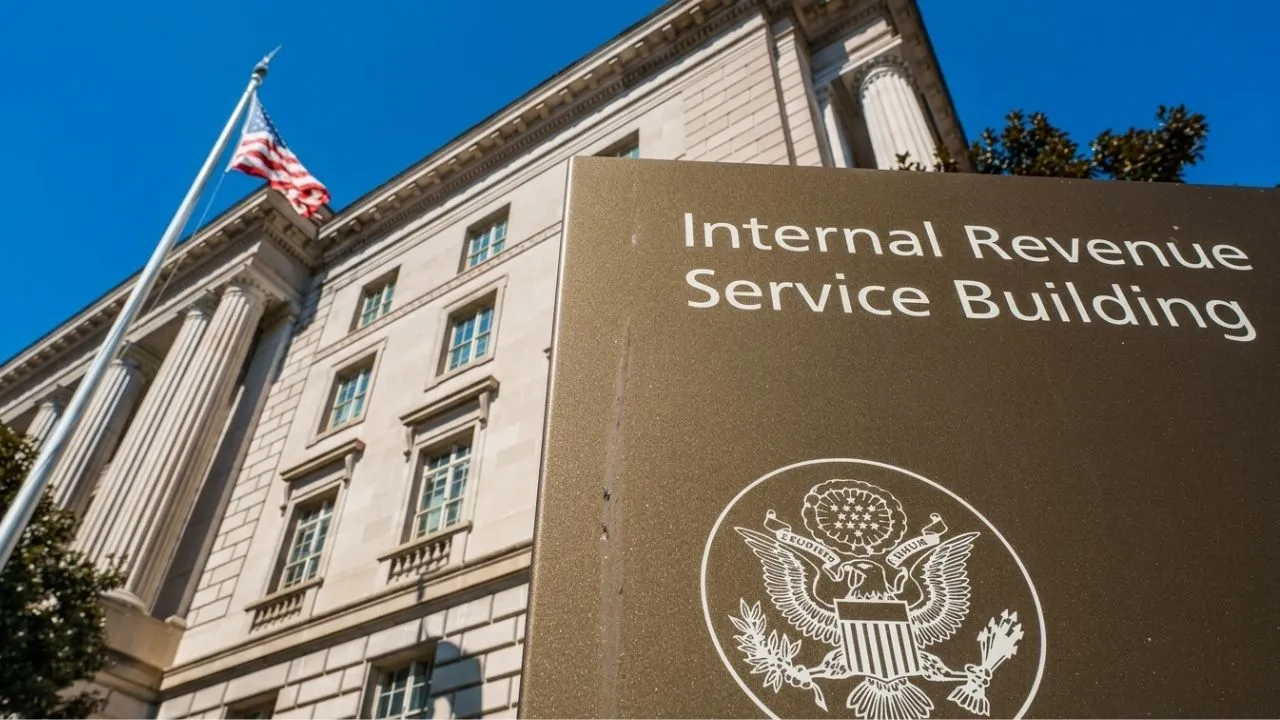


The Internal Revenue Service enforces a hard deadline most retirement savers underestimate every year. Required minimum distributions apply the moment a retiree crosses a specific age threshold, tied directly to birth year. Required minimum distributions now follow a two-tier formula that catches many savers by surprise.
New RMD Age Thresholds
Under the SECURE 2.0 Act, the age that triggers a required beginning date depends entirely on birth year. Anyone born between 1951 and 1959 must begin required withdrawals at age 73. Anyone born in 1960 or later waits until age 75 instead.
This two-tier system means siblings born only a few years apart can face very different timelines. A retiree confirming their own required beginning date should check birth year first, not age alone. The IRS RMD guidance confirms both thresholds directly and lists the exact transition rules by birth year.
The Double Tax Trap
The IRS allows a one-time delay for the very first required distribution. A retiree can wait until April 1 of the year after reaching their threshold age. That flexibility sounds generous, but it creates a serious tax distortion most retirees do not anticipate.
Delaying the first distribution forces two full withdrawals into a single tax year. The delayed first payment arrives by April 1, and the regular second payment still arrives by December 31 of that same year. Combined, both withdrawals often push a retiree into a higher tax bracket unexpectedly.
That stacked income frequently triggers Medicare IRMAA surcharges on top of ordinary tax liability. Retirees layering two distributions onto existing income should review the Medicare premium impact before choosing to delay a first withdrawal. A missed or inaccurate distribution carries its own separate penalty, set at 25 percent of the shortfall under current law.
That penalty drops to 10 percent when a retiree files a timely correction and shows reasonable cause within a two year window. The official distribution rules spell out exactly how that correction process works and what documentation the IRS expects.
The QCD Tax Wipeout
One legal mechanism erases the RMD tax burden entirely rather than merely delaying it. A qualified charitable distribution allows an IRA owner aged 70 and a half or older to send funds directly from their account to a qualified charity. The transaction never touches the retiree’s adjusted gross income at all.
For the current 2026 tax year, the inflation-indexed cap for Qualified Charitable Distributions has actually been raised to exactly $111,000. That amount satisfies the required distribution dollar for dollar without adding a single dollar of taxable income. Reviewing current deduction amounts alongside a charitable distribution plan often reveals additional room to manage taxable income precisely.
Retirees still working part time should also confirm how high earner wages rules interact with any remaining catch-up contributions inside a workplace plan rules framework before their RMD years begin.
Inherited IRA Annual Mandate
Most retirement guidance focuses entirely on the original account owner reaching their required beginning date. A separate and less understood rule governs what happens after that owner passes away. Non-spouse beneficiaries who inherit a traditional IRA face their own distinct obligation.
If the original owner had already reached their required beginning date, the beneficiary cannot simply wait until year ten to empty the account. Finalized IRS regulations, detailed on the IRS RMD FAQ page, require mandatory annual distributions throughout the entire ten-year window. An adult child who inherits an account under these conditions must withdraw every single year, not just once at the end.
This distinction catches many beneficiaries completely off guard. An heir who assumes they have a full decade of flexibility may instead face an IRS notice guide correction after an audit flags a skipped year. Confirming this rule directly with a tax professional immediately after inheriting an account prevents an expensive and avoidable penalty.
The interaction between required distributions, Social Security income, and Medicare premiums shapes retirement income more than most retirees expect. A retirement benefit timing decision made years earlier still affects how much income stacks on top of an eventual RMD. Retirees who understand their benefit calculation method can better anticipate how RMD income will interact with existing Social Security payments.
Long-term projections tied to the trust fund outlook add another layer of uncertainty for retirees planning multi-decade withdrawal strategies. Surviving spouses reviewing survivor benefit rules should factor RMD timing into any decision about when to switch to a higher benefit. A retirement savings match program launching in 2027 will not directly affect current RMD rules, but it signals continued federal emphasis on structured retirement withdrawals.
Retirees holding treasury bill investing positions or inflation bond yield instruments inside a traditional IRA still face the same RMD calculation regardless of the underlying asset. All of these obligations settle through the same national payment infrastructure that processes federal payments, tax refunds, and retirement account distributions nationwide.
The RMD system rewards retirees who confirm their exact required beginning date early and plan distributions deliberately. Retirees who ignore the rule, delay without understanding the tax consequences, or inherit an account without confirming the annual mandate face penalties that a few minutes of verification could have prevented.