
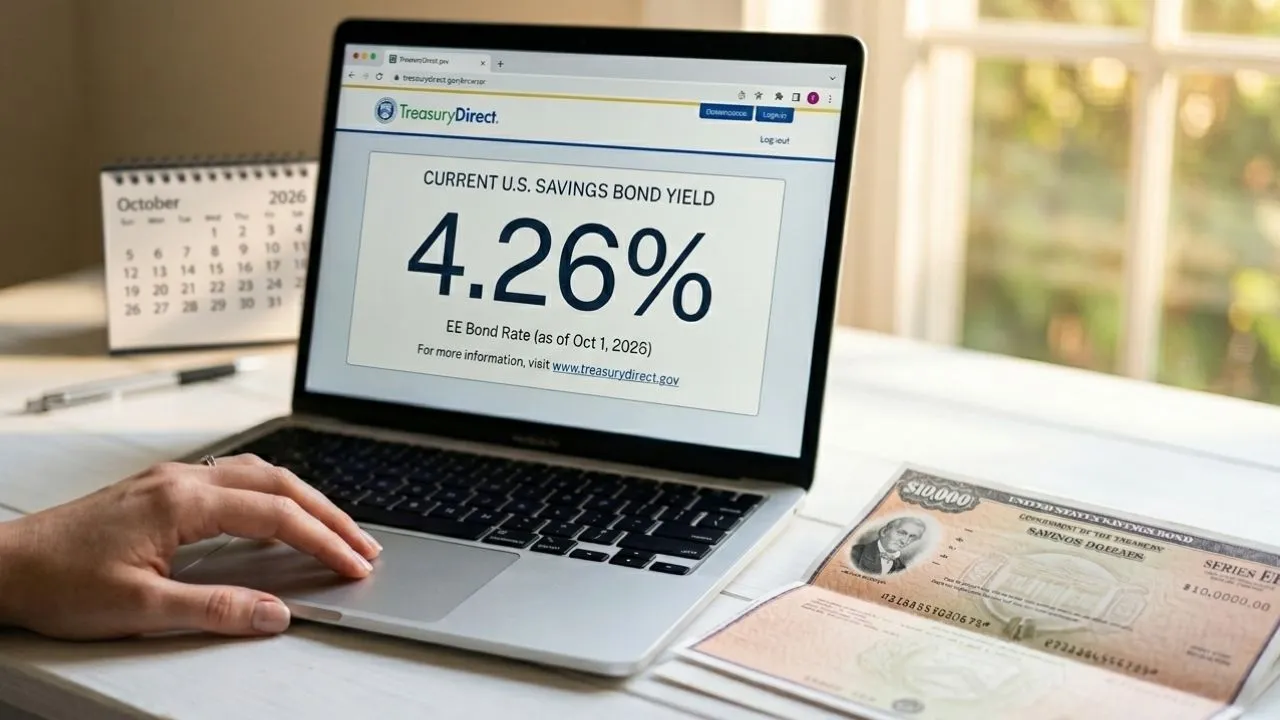
Treasury Direct confirms the current composite rate for Series I Savings Bonds issued from May 1, 2026 through October 31, 2026 is 4.26%, combining a fixed rate of 0.90% with a semiannual inflation rate of 1.67%.
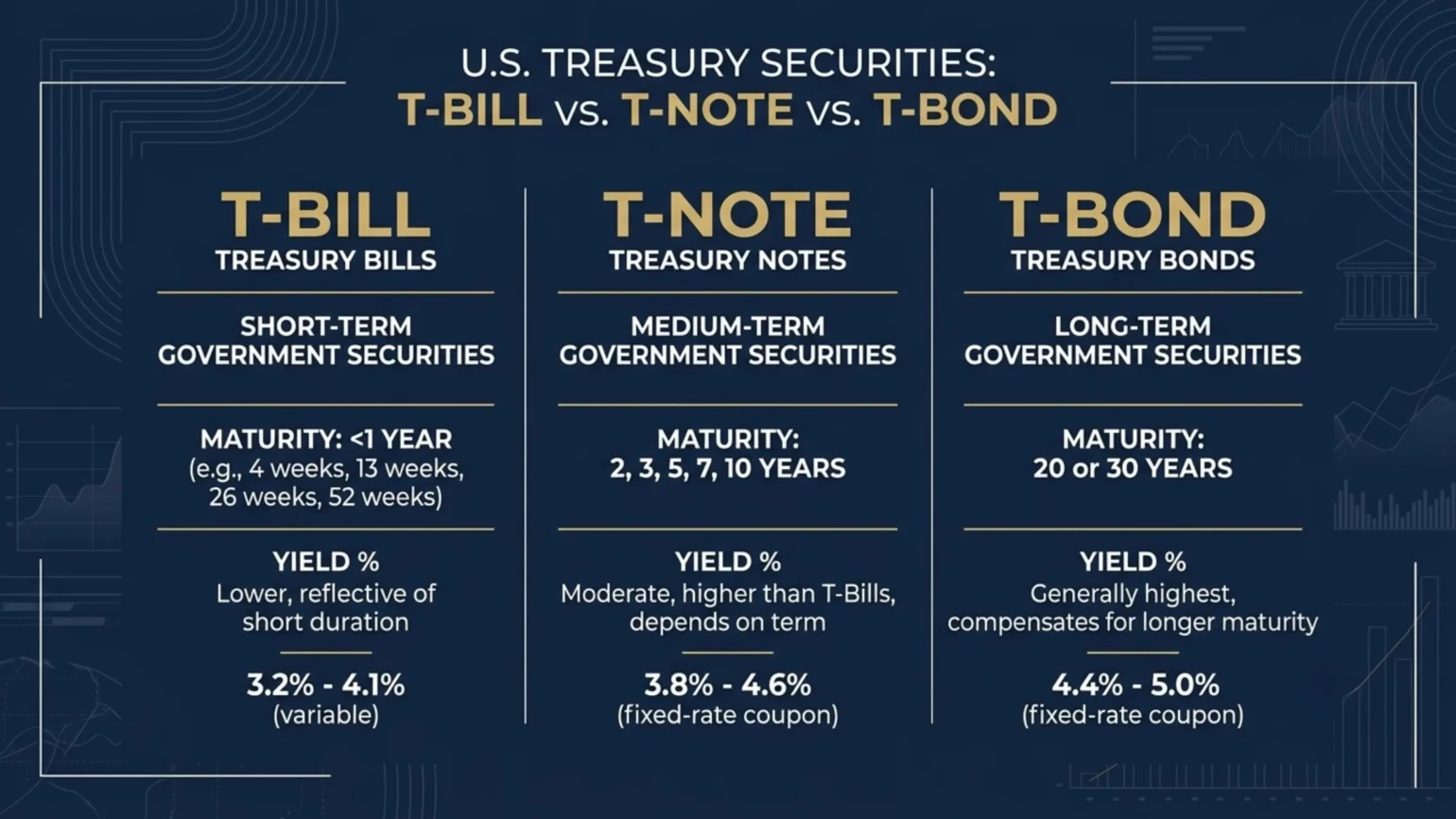
The average national high-yield savings account is paying between 3.90% and 4.10% right now. The average 12-month Treasury Bill yield entered this cycle hovering near 3.75%.
The I-bond rate is currently higher than both, and unlike a savings account, the rate your bond earns in its first six months is already guaranteed. There is no teaser rate that expires. No promotional period that resets. The 4.26% is locked for the first six months from the date you purchase.
What the 4.26% Actually Means
The current composite rate for I bonds is a combination of a fixed rate and an inflation rate. The fixed rate is 0.90%, which remains locked permanently for the 30-year life of the bond. The semiannual inflation rate is 1.67%, based on changes in the Consumer Price Index for all Urban Consumers (CPI-U).
The math that produces 4.26% from these two components follows the standard Treasury formula: fixed rate plus two times the semiannual inflation rate plus the product of the fixed rate and the semiannual inflation rate. That formula produces 0.0090 plus 0.0334 plus 0.0001503, which equals 0.0425503, rounded to 4.26%.
What this means practically for someone purchasing today: the 4.26% applies to your bond for the first six months from your purchase date. After six months, the rate adjusts to whatever the Treasury sets on November 1, 2026.
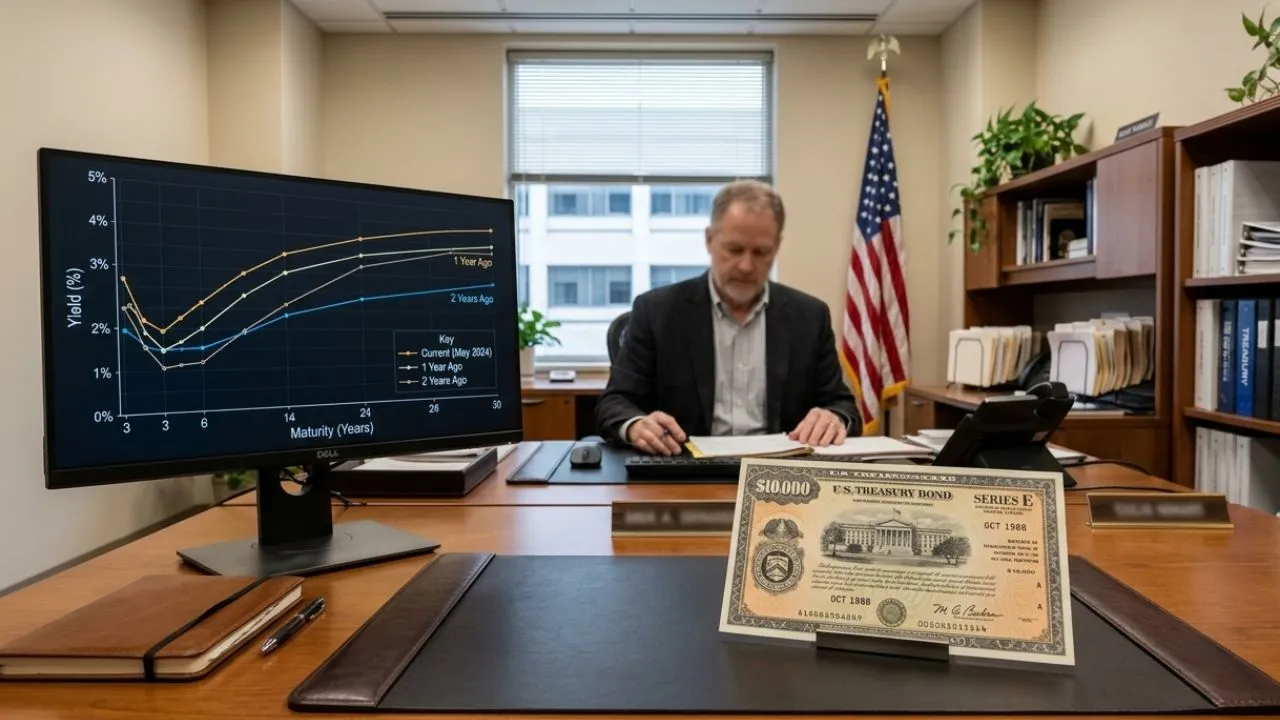
That adjustment will reflect the CPI-U data from September 2026. The fixed 0.90% component never changes for the life of your bond, regardless of what inflation does in subsequent years. The Treasury bills and yield guide at Investozora explains how I-bond yields compare to other Treasury instruments across different holding periods.
What the official TreasuryDirect page does not tell you directly: the 0.90% fixed rate on current I-bonds is notable context within the recent rate cycle. The fixed rate set on May 1, 2026 is 0.90%, matching the November 1, 2025 fixed rate. The fixed rate was 1.10% in May 2025 and 1.20% in November 2024.
That declining fixed rate trend means buyers today are locking in a slightly lower permanent floor than buyers did 18 months ago. Whether that matters to you depends on your holding horizon. For someone holding the bond five to ten years, the permanent floor matters considerably more than the current composite headline.
The Comparison That Matters for Your Money
Most financial discussions of I-bonds compare them to high-yield savings accounts using only the current composite rate. That comparison misses the most important structural difference between the two products.
A high-yield savings account rate changes whenever the issuing bank decides to change it. It can fall 50 basis points the week after you deposit money. There is no lock. The bank owes you the disclosed APY at any given moment and can revise that disclosure at any time. This is not a criticism of high-yield savings accounts. They are excellent tools. But the rate you see today is not the rate you are guaranteed tomorrow.
An I-bond purchased today locks the 4.26% rate for the first six months with zero counterparty risk because the bond is a direct obligation of the U.S. Treasury. It sits entirely outside the banking system. There is no FDIC limit to worry about. There is no institution between you and the Treasury. The Treasury general account mechanics explain how the government holds and manages these obligations.
The offset to that security is liquidity. I-bonds cannot be redeemed for the first 12 months from purchase. If you cash a bond before it reaches five years old, you forfeit the last three months of interest. For someone who may need their principal within a year, a high-yield savings account or a short-duration Treasury Bill is the better tool despite the lower yield.
The comparison also changes when you layer in taxes. I-bond interest is exempt from state and local income taxes. In high-tax states like California, New York, or New Jersey, that exemption can add a meaningful after-tax yield advantage that the headline 4.26% does not capture. You still owe federal income tax on the interest, but the state exemption is permanent.
For context on the full picture of how these federal instruments connect to the broader money movement infrastructure, the US Treasury payment architecture explains exactly how Treasury-issued instruments interact with the banking system.
This I-bond rate cycle also connects directly to the upcoming FOMC decisions. The FOMC meeting schedule for 2026 shows four more rate decisions before year-end. If the Fed cuts rates in September or December, the inflation component of the November 2026 I-bond rate reset could decline while the fixed 0.90% remains in place. Buyers who lock in today’s 4.26% get the full first six months regardless of what the Fed does.
The Purchase Limits You Need to Know
The I-bond rate advantage is real, but the program has hard annual purchase limits. You can buy a maximum of $10,000 in electronic I-bonds per calendar year through TreasuryDirect. An additional $5,000 is available in paper bonds using your federal tax refund. For most individuals, the $10,000 electronic limit is the relevant ceiling.
Those limits mean I-bonds cannot replace a savings account for your full emergency fund unless your emergency fund is under $10,000. They work best as a complement to a high-yield savings account: park the first $10,000 of your savings in I-bonds to lock the guaranteed rate, and maintain your remaining liquid savings in a high-yield account for immediate access.
The interest on I-bonds earns from the first day of the month you buy them, and interest gets added to the bond’s value twice a year through semiannual compounding. That compounding mechanism means the effective yield over a full year slightly exceeds the stated composite rate because each six-month interest payment becomes part of the principal base that the next six months’ rate is applied to.
The Treasury yield comparison guide provides the full rate landscape context for situating I-bonds alongside other Treasury and savings instruments in a single portfolio.
What You Should Do Now
Go to TreasuryDirect.gov now and verify the current 4.26% I-bond rate. The rate applies to bonds purchased through October 31, 2026. Compare your current high-yield savings account APY against 4.26%. If you are earning less and have savings you will not need for at least 13 months, the I-bond rate advantage is real and accessible today.
Note the one-year lockup and the five-year penalty window before buying. Money you may need within 12 months should not go into I-bonds regardless of the rate.
If your state has a high income tax rate, calculate your after-tax I-bond yield by applying only the federal marginal rate. The state tax exemption typically adds 0.30% to 0.70% to the effective after-tax yield for residents of high-tax states.
Set a calendar reminder for November 1, 2026, when TreasuryDirect will announce the new composite rate and fixed rate for the November 2026 to April 2027 cycle. That announcement will determine whether buying now or waiting until November produces a better outcome for bonds purchased in the next purchase window.