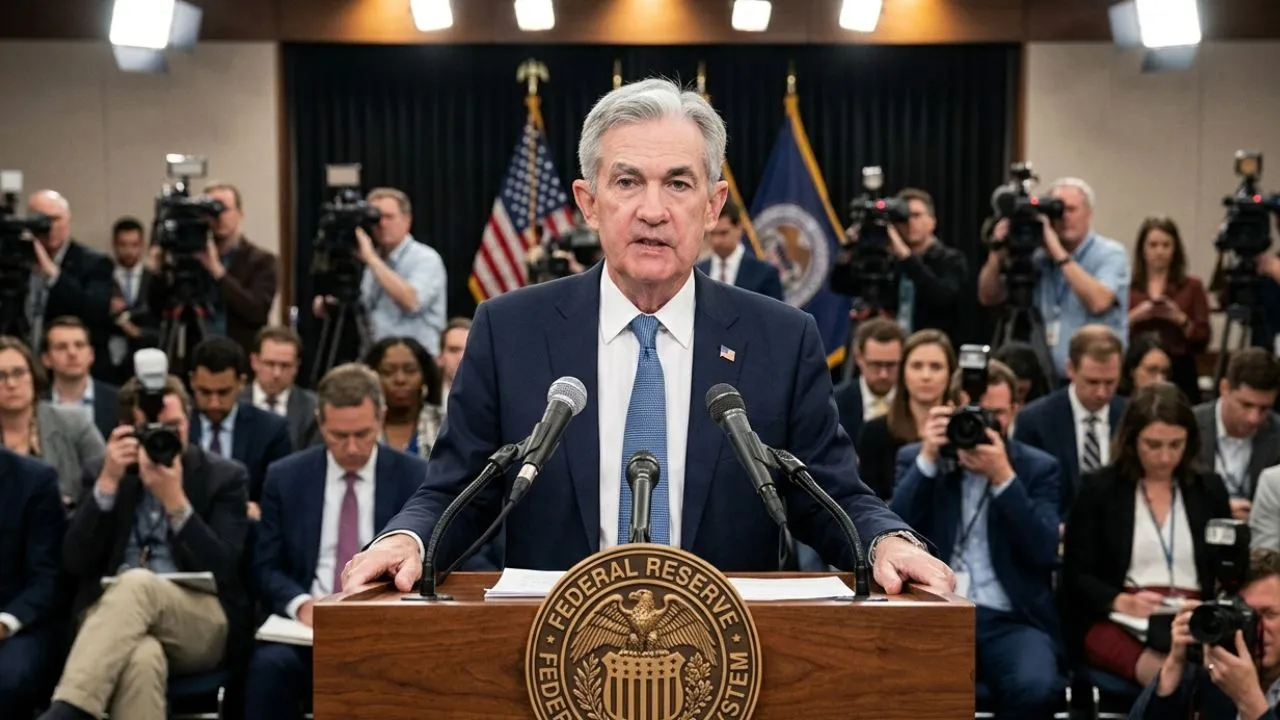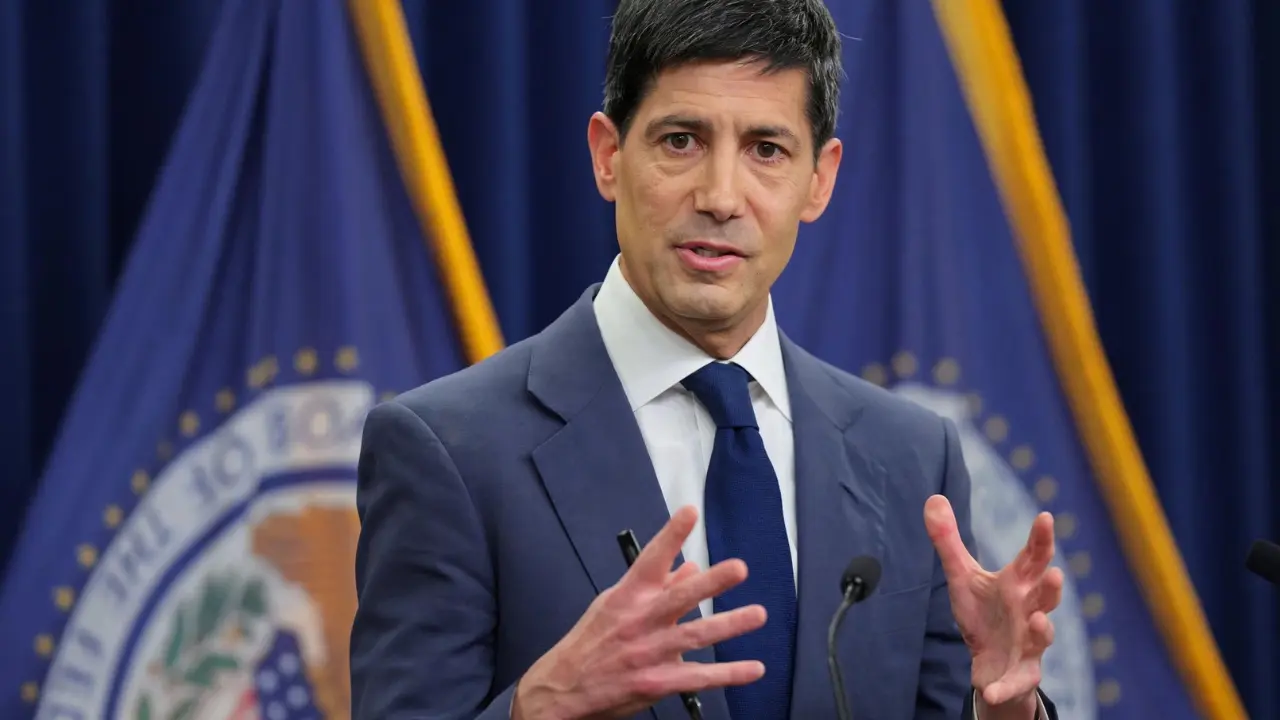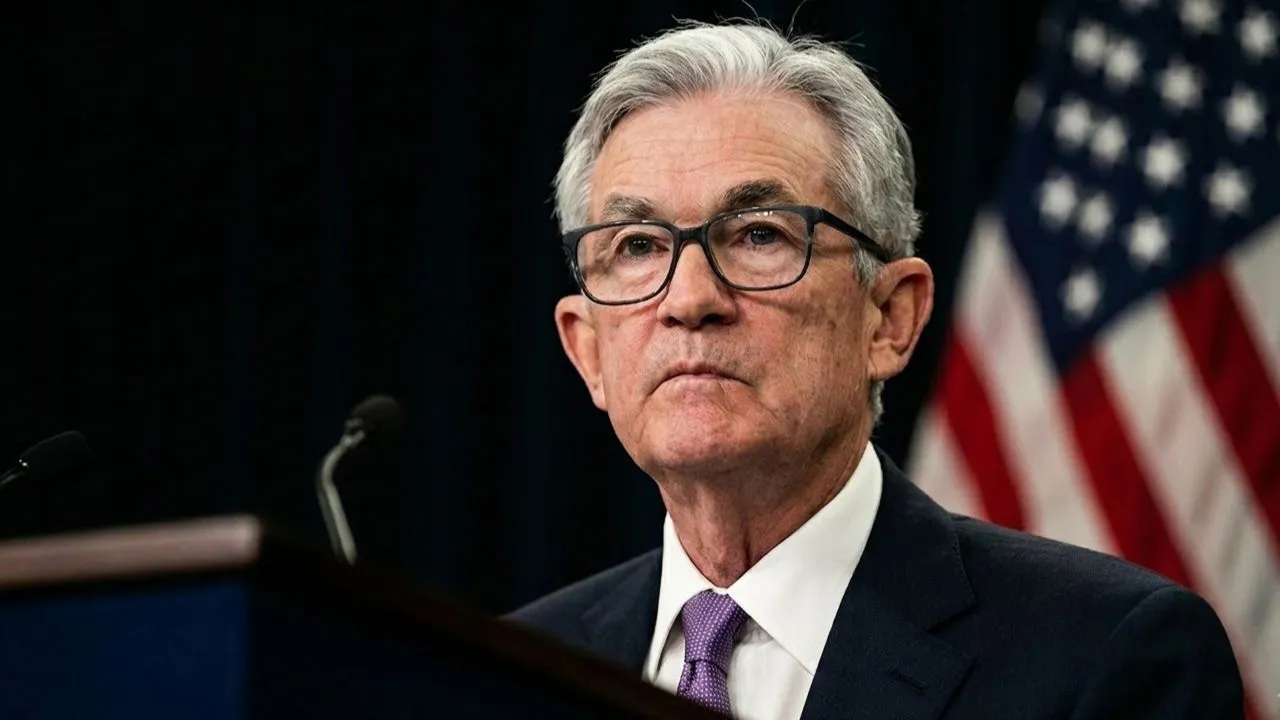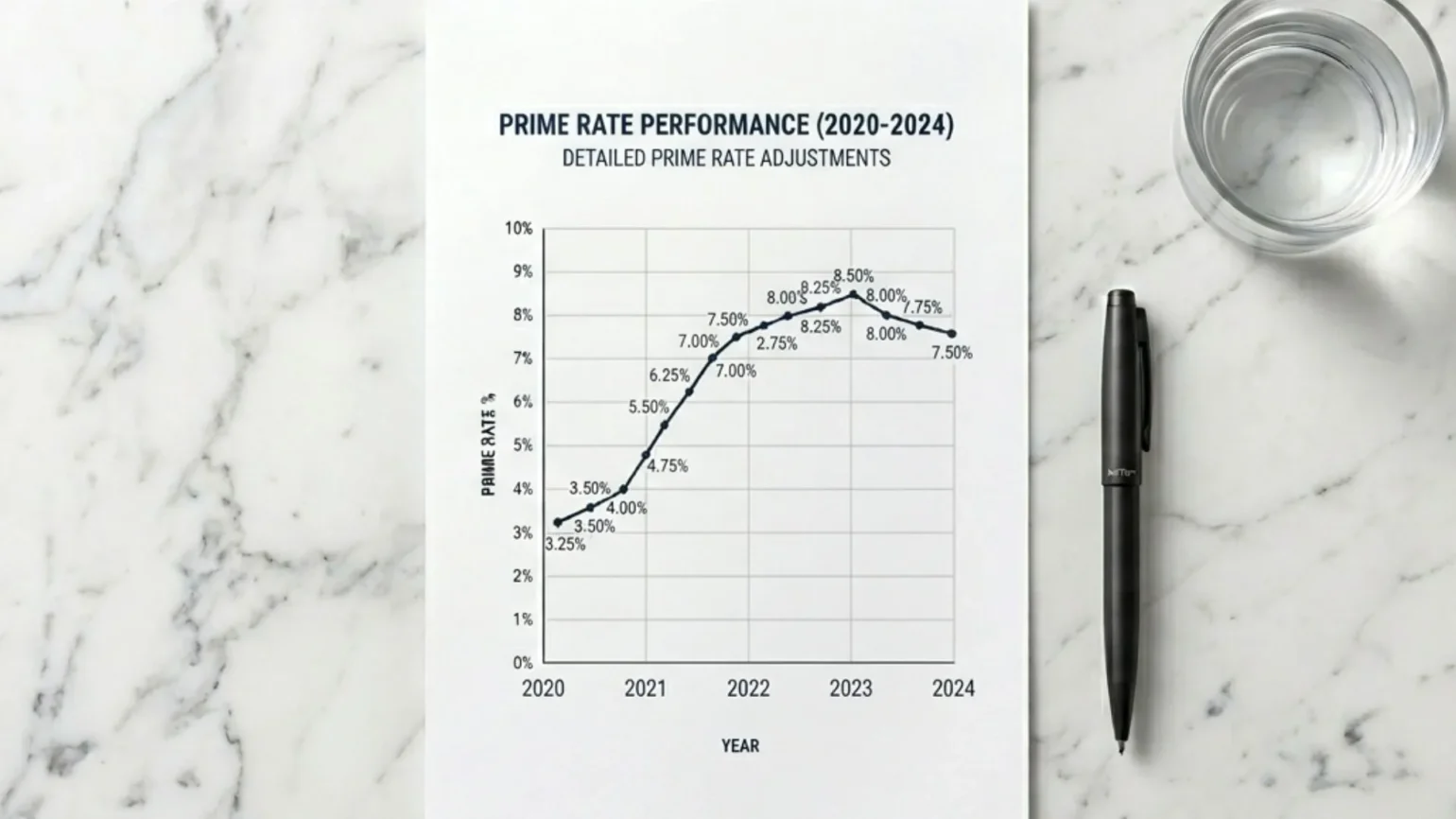
A surprise July jobs report has scrambled the Federal Reserve’s rate-setting calculus less than six weeks before its next policy meeting. The U.S. economy lost 23,000 jobs against a forecast gain near 85,000, and the two prior months were revised down by a combined 103,000, shifting market expectations from a possible September rate increase toward a likely hold, though no decision has actually been made.
What the Report Showed
The U.S. economy lost 23,000 jobs in July, the Bureau of Labor Statistics reported August 7, well short of economists’ forecast for a gain near 85,000. May and June payrolls were also revised down by a combined 103,000 jobs, meaning the labor market added far fewer positions this spring than initially reported.
The unemployment rate ticked down to 4.1% from 4.2%, but only as labor-force participation fell, not because more people found work. Job losses were concentrated in local government education, which shed 50,000 positions, retail, which lost nearly 20,000 jobs, and the financial sector, which cut 14,000 jobs.
The combination of an outright monthly loss and steep downward revisions is the detail economists are treating as most significant, since it suggests the labor market’s spring performance was weaker in real time than initially reported.
Why This Changes the Fed’s Math
Heading into Friday’s report, Federal Reserve policymakers were genuinely split, with several officials publicly favoring a September rate increase if inflation failed to ease. The Federal Open Market Committee had voted 9-3 at its last meeting to hold rates steady, with three members dissenting in favor of a hike.
That three-vote dissent, unusually large for a modern FOMC decision, reflected a committee genuinely divided over whether inflation, still running above the Fed’s 2% target, warranted tighter policy despite a labor market that had appeared resilient through most of 2026.
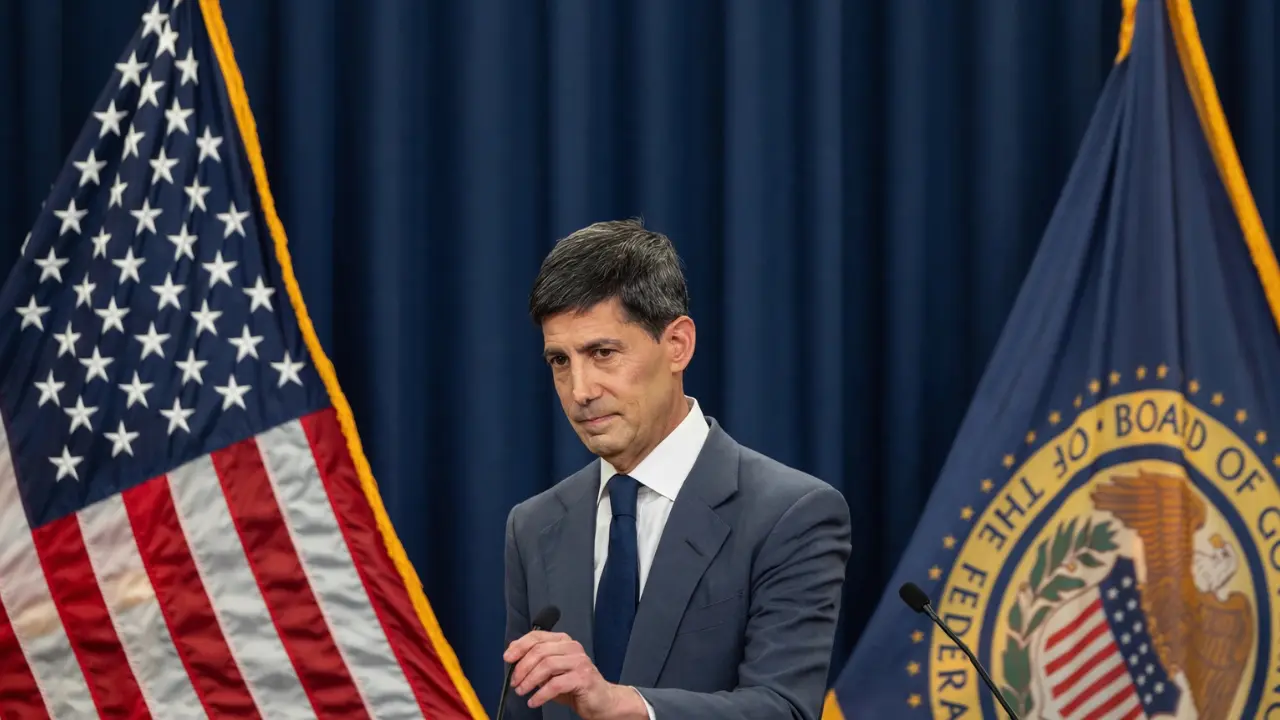
Richmond Fed President Tom Barkin, responding directly to the report, called it “very consistent” with a labor market that is “not loose, not tight,” describing employers who are neither hiring aggressively nor cutting staff.
He noted the workforce itself isn’t growing, pointing to lower immigration, shifting demographics, and workers aging out of the labor force as structural factors distinct from cyclical weakness.
That framing matters because a shrinking labor supply can produce a soft jobs number for reasons unrelated to demand weakening, a distinction the Fed will need to sort out before September.
How Markets Reacted
The jobs data reversed market pricing within hours. Odds of a September hold, as tracked by the prediction platform Kalshi, jumped to 65%, and CME Group’s FedWatch tool showed a comparable 60%, both sharply higher than before the report.
Odds of an October hike similarly slid on the same futures-based gauge. Investors are now weighing the July jobs miss against a still-elevated inflation backdrop, a genuine tension the Fed itself has not yet resolved. Readers can track the fuller breakdown in Investozora’s rate-hike odds tracker.
What Is Confirmed Versus What Remains Conditional
The July payroll figures and the size of the May-June revisions are confirmed BLS data. What the Federal Reserve will actually decide on September 16 is not confirmed; it is conditional on incoming data, principally the July Consumer Price Index due August 12 and the August employment report due before the meeting.
A hold is currently the more probable outcome based on futures pricing, not a decision that has been made. The full decision calendar is available in Investozora’s meeting schedule.
Who Is Affected, and Who Is Not
A softer labor market and a steadier Fed rate path most directly affect borrowers with variable-rate debt, including credit cards and adjustable mortgages, and savers holding money-market and short-term CD balances tied to the federal funds rate.
It does not, by itself, change the rate on existing fixed-rate mortgages or Treasury securities already issued, a distinction frequently blurred in casual coverage of jobs reports. Investozora’s savings impact guide covers that transmission chain in more detail.
What Happens Next
Officially scheduled: the Federal Open Market Committee meets September 15-16, 2026, with a rate decision announced at 2 p.m. Eastern on the second day. Officially scheduled: July CPI arrives August 12, followed by the August jobs report the first Friday of September. Conditional: whether the Fed holds, cuts, or raises depends on how those two releases land, not on Friday’s report alone.