
The 30-year Treasury yield retreated Wednesday after touching its highest level since 2007, but the bigger question for markets is whether long-term borrowing costs are increasingly being driven by forces beyond the Federal Reserve’s next rate decision.
This analysis was prepared before the Federal Reserve’s July meeting minutes scheduled for release at 2 p.m. ET on Wednesday, August 19. Market levels cited below are timestamped and may change during the session.
U.S. Treasury yields pulled back Wednesday morning ahead of the Federal Reserve’s July meeting minutes, but the retreat has not erased the signal coming from the long end of the bond market.
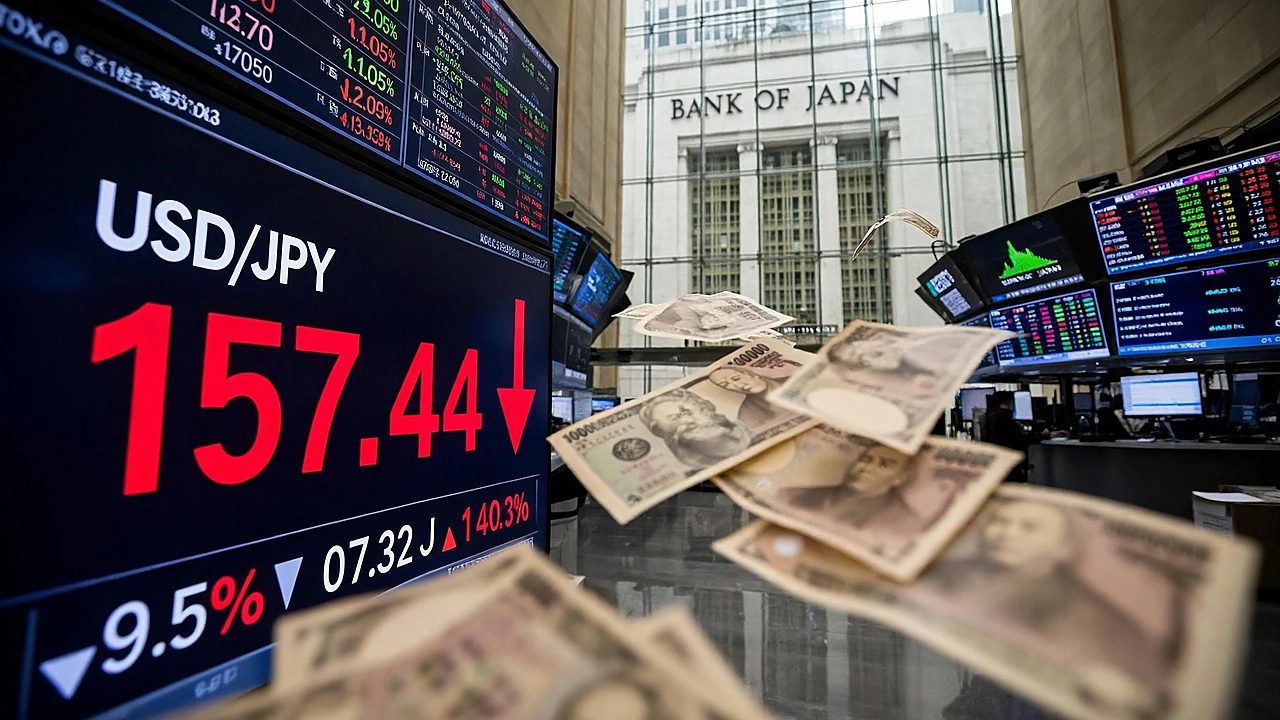
At about 10:15 a.m. ET, the benchmark 10-year Treasury yield was around 4.655% and the 30-year yield was around 5.205%, according to Reuters’ Wednesday Treasury-market report. The 30-year yield had reached 5.337% on Tuesday, its highest level since 2007. Part of Wednesday’s reversal followed an announcement that the U.S. Treasury would increase liquidity-support buybacks of longer-dated securities.
That matters because it highlights the central issue facing investors before the Fed minutes: the forces moving long-term Treasury yields extend beyond what the Federal Open Market Committee does with the overnight federal funds rate. The Federal Reserve’s official August calendar schedules the minutes from the July 28–29 meeting for 2 p.m. ET Wednesday.
The July Fed meeting already showed a significant policy split
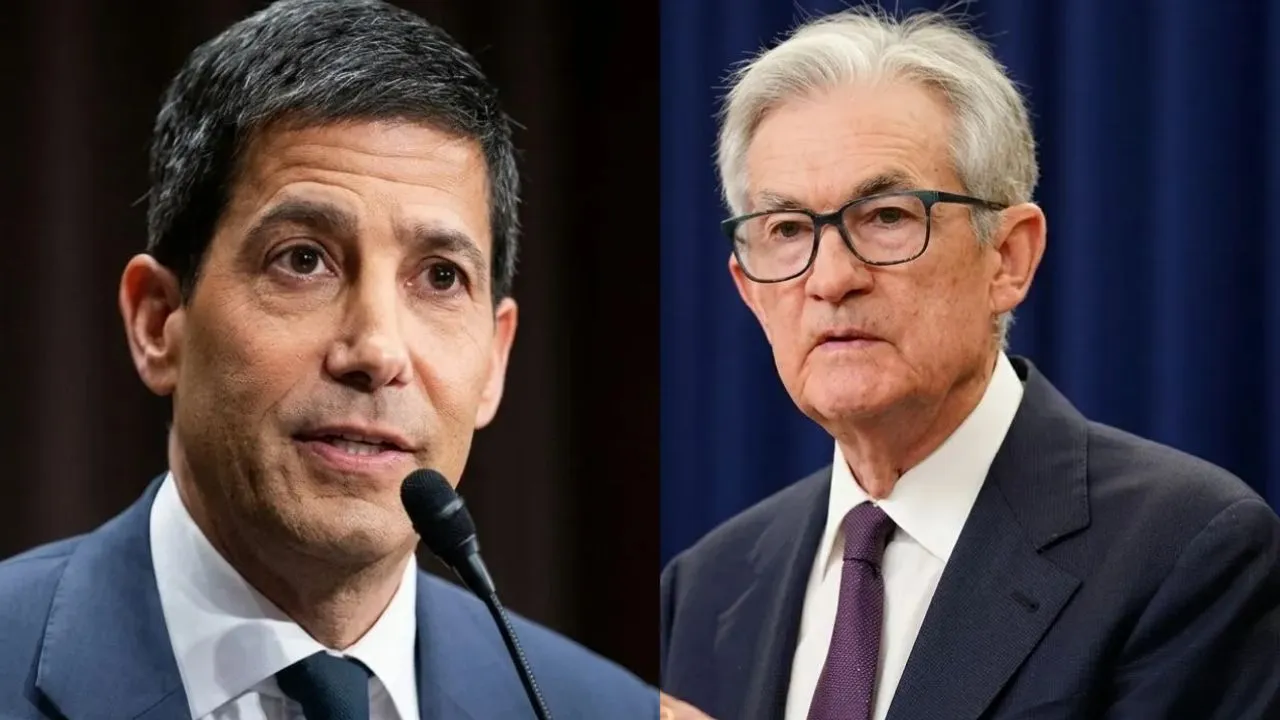
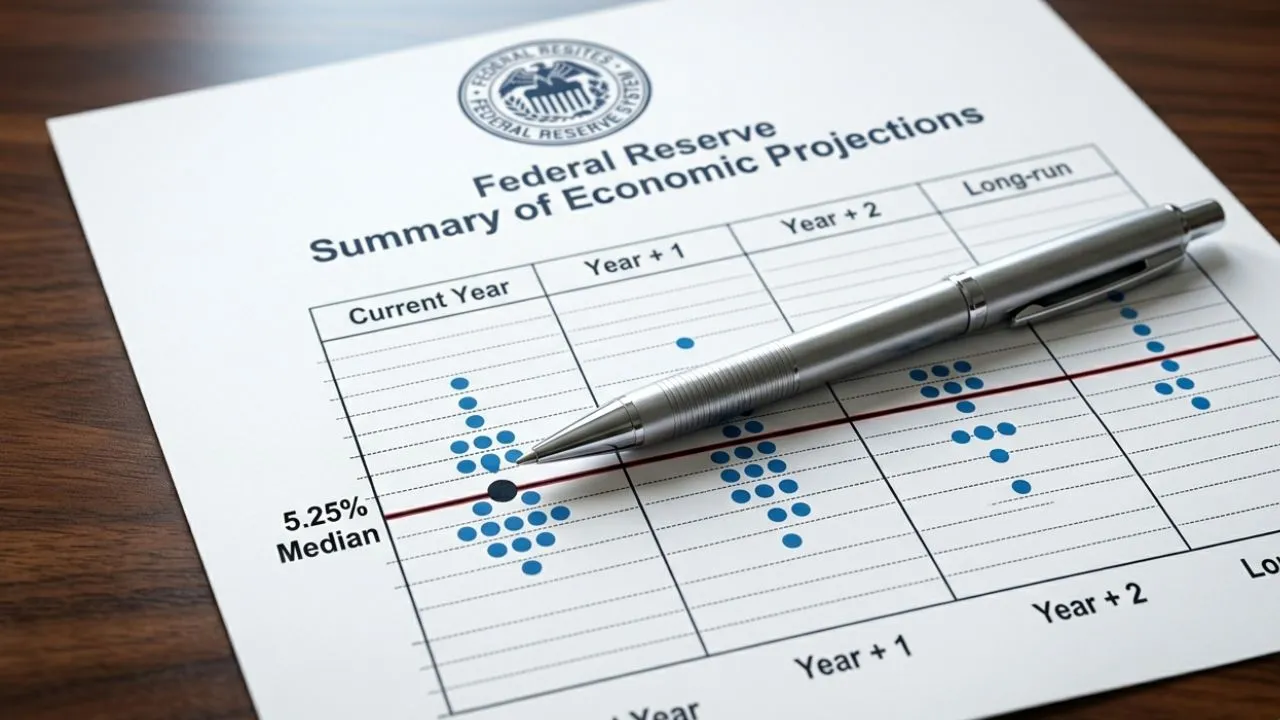
The starting point for reading the minutes is unusually clear. At its July 29 meeting, the FOMC kept the federal funds target range at 3.5% to 3.75%, but the decision passed by a 9–3 vote. Beth Hammack, Neel Kashkari and Lorie Logan dissented because they preferred a quarter-percentage-point rate increase.
That makes the minutes more important than a routine explanation of a rate hold. Markets will be looking for evidence of how much broader the case for tighter policy was inside the Committee.
Three officials actually voted for a hike. The minutes may show whether additional participants also saw a strong case for raising rates but ultimately supported the majority decision, how policymakers assessed the persistence of inflation, and how they viewed the current policy stance.
The distinction matters for September. A three-person dissent is known already; evidence that concern about inflation extended substantially beyond those dissenters could change how investors interpret the balance of risks at the Fed’s next meeting, scheduled for September 15–16. The minutes cannot tell investors what the Fed will do in September, but they can show how close the July debate was before another month of data arrived.
Long-term Treasury yields are not simply the Fed funds rate at a longer maturity
The more important bond-market question may be happening outside that policy debate. The Federal Reserve directly targets a very short-term interest rate. A 10-year or 30-year Treasury yield reflects something broader: expectations for future short-term rates plus the additional compensation investors demand for committing money for years or decades.
That additional compensation is commonly described as the term premium. This is why Treasury yields can rise even if investors become less convinced that the Fed will raise rates soon. Investozora’s guide to how the federal funds rate and Treasury yields can move differently explains that distinction in more detail.
The Fed itself has already pointed to it. In the minutes of the June FOMC meeting, the Fed’s market manager said some market-based measures of expected policy rates were being lifted partly by term premiums.
The minutes also noted that the ownership of Treasury securities had shifted somewhat from relatively price-insensitive official-sector investors toward more price-sensitive private investors, a change that could affect the term-premium component of yields. That is a critical piece of context for Wednesday.
If investors demand greater compensation for inflation uncertainty, heavy debt supply, fiscal risk, geopolitical uncertainty or simply the risk of holding very long-duration bonds, longer-term yields can remain elevated without an equivalent increase in expectations for the Fed’s overnight rate. The bond market can therefore tighten financial conditions independently of a new Fed hike.
Wednesday’s Treasury action reinforces that distinction
The Treasury Department’s buyback program is another reason not to treat every move in bond yields as a Fed signal. Treasury says its liquidity-support buybacks are intended to improve market liquidity by creating regular opportunities for investors to sell older, or “off-the-run,” Treasury securities.
Its official Treasury Securities Buyback FAQs also explicitly distinguish that objective from using the program to counter episodes of acute market stress. That is different from Federal Reserve monetary policy.
Treasury manages federal financing and the structure of government debt. The Fed sets monetary policy and manages short-term financial conditions. Both can affect Treasury markets, but through different mechanisms.
Wednesday’s market reaction illustrates the distinction. Reuters reported that longer-dated yields fell after Treasury said it would increase the size of liquidity-support buyback operations for longer-dated bonds.
The move does not prove that Treasury policy is now the dominant force in long-term yields. It does show why investors looking only at the next Fed rate decision can miss an important part of what is happening in the bond market.
The minutes have another limitation: they are already behind the newest data
There is one reason investors should be cautious about treating the July minutes as a current Fed forecast. The meeting took place on July 28 and 29. The Bureau of Labor Statistics released the July employment report on August 7 and the July Consumer Price Index on August 12, according to the official August 2026 BLS release calendar.
Both releases therefore came after the meeting whose discussion will be published Wednesday. The minutes cannot contain policymakers’ discussion of data they had not yet received. That makes the document most useful as a record of the Committee’s starting position before the newer economic evidence arrived.
Readers following the newer labor-market side of the debate can compare the minutes with Investozora’s coverage of how the latest jobs report changed the Fed rate outlook, while the inflation side can be followed through our analysis of July CPI and the Federal Reserve outlook.
If the minutes look hawkish but subsequent data have weakened the case for another increase, markets may give the document less weight. If the minutes reveal a broader inflation concern that investors had not appreciated, the reaction could be larger. That difference between what officials thought in late July and what markets know in mid-August is essential to interpreting the release correctly.
What bond investors should watch at 2 p.m.
The first question is whether support for tighter policy extended beyond the three officials who formally dissented. The second is whether policymakers or Fed staff spent significant time discussing long-term Treasury yields, term premiums, market liquidity or broader financial conditions.
The June minutes already showed that the Fed was separating changes in expected policy rates from changes in the term premium. Any evolution in that discussion would be important for a market where the long end has moved sharply again.
The third is how officials balanced persistent inflation risks against risks to growth and employment. The July statement said inflation remained above the Fed’s 2% objective while economic activity was expanding at a solid pace. The minutes can provide far more detail about where officials disagreed within that broad assessment.
None of those signals, by itself, settles the September decision. But together they can show whether the July vote represented three isolated calls for a hike or a deeper debate about whether policy was restrictive enough.
Why this matters beyond the Treasury market
Long-term Treasury yields are reference rates for borrowing throughout the economy. Mortgage pricing, corporate bonds and many other longer-duration financing costs are influenced by Treasury yields plus additional credit, liquidity and other risk premiums. That means households and businesses can face higher financing costs even when the Fed leaves its policy rate unchanged.
Investozora has a broader guide to how higher Treasury yields feed into mortgages and other household rates and an explainer on how higher interest rates raise borrowing costs across the economy.
For prospective homebuyers, companies refinancing debt and investors valuing long-duration assets, the direction of the 10-year and 30-year Treasury yields can therefore matter as much as the next quarter-point move from the Fed.
The bigger signal from the bond market
The July Fed minutes can change expectations about the future path of the federal funds rate. They cannot, by themselves, resolve every force pushing long-term borrowing costs higher.
The Federal Reserve had already acknowledged in its June minutes that term premiums and changes in the Treasury investor base can affect yields. This week’s sharp move in long-dated bonds and Wednesday’s reaction to Treasury’s buyback announcement has put that distinction back at the center of the market.
If longer-term Treasury yields remain elevated even while expectations for near-term Fed tightening soften, that would be consistent with a larger role for term premium, debt-market supply and demand, inflation uncertainty and other long-horizon risks.
That is why the most important question at 2 p.m. may not be simply whether the minutes sound “hawkish” or “dovish.” It is whether the Fed’s own discussion helps explain a bond market in which the cost of borrowing for 10 or 30 years is increasingly being determined by more than the next FOMC vote.