

The Federal Reserve held its federal funds target range at 3.50% to 3.75% on July 29, while borrowing costs across major household credit products remain well above the low-rate environment of several years ago.
The latest Federal Reserve consumer-credit data show an average 22.15% rate on credit-card accounts assessed interest and a 7.14% rate on 60-month new-car loans at commercial banks for the second quarter of 2026.
Higher interest rates are still putting pressure on household borrowing even though the Federal Reserve has kept its policy rate unchanged since the beginning of 2026. The important distinction is that there is no single “consumer interest rate.” Mortgages, credit cards and auto loans respond to different parts of the financial system.
That is why higher interest rates can remain painful even during a Fed pause. Credit cards react closely to short-term bank funding conditions, while mortgage rates depend much more on longer-term bond yields. Auto and personal-loan pricing adds lender risk, borrower credit quality and loan terms to the equation.
For households, the practical question is therefore not simply whether the Fed raises or cuts rates next. It is which borrowing cost matters to the household budget, and what market signal is most likely to move it.
Borrowing costs remain elevated even while the Fed is holding
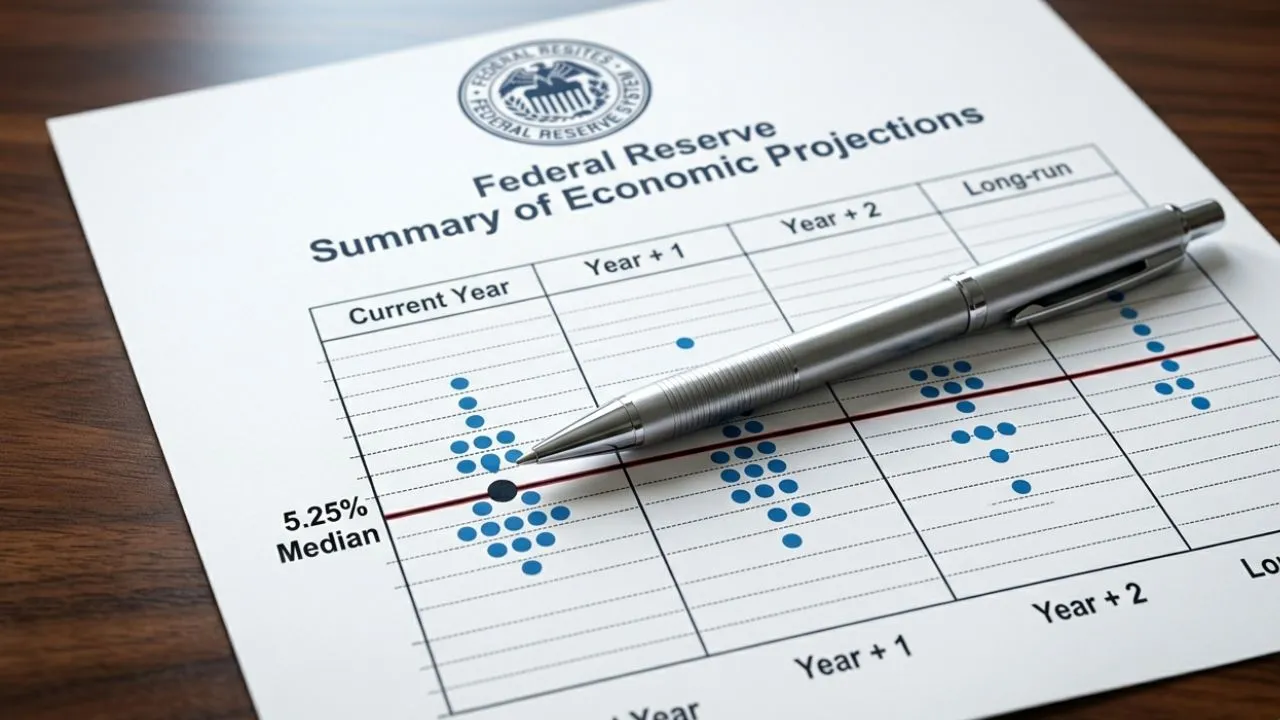
The Federal Open Market Committee left its target range unchanged at 3.50% to 3.75% on July 29. Three officials dissented and preferred a quarter-point increase, according to the Fed’s official July 29 FOMC statement. That vote does not establish what the Fed will do next, but it shows that policymakers have not declared the inflation fight finished.
The distinction matters because a Fed hold does not automatically produce cheaper household credit. The federal funds rate is one part of a broader rate transmission system involving Treasury yields, bank funding costs, investor expectations and lender-specific risk pricing.
Federal Reserve data released August 7 make the cost difference visible. During the second quarter of 2026, commercial-bank credit-card accounts that actually incurred interest averaged 22.15% APR, compared with 16.45% in 2021. The average rate across all card accounts was 20.94%, versus 14.60% in 2021.
New-car financing shows the same longer-run shift. The Fed reported an average 7.14% rate for 60-month new-car loans at commercial banks during the second quarter, compared with 4.82% in 2021. Twenty-four-month personal loans averaged 11.86%, up from 9.38% in 2021. Those figures come from the Fed’s August Consumer Credit release.
That means the burden of higher rates is not theoretical. It appears each month in minimum card payments, car payments, refinancing decisions and the amount of income left after debt service.
Mortgages, credit cards and auto loans follow different rate paths
Mortgage borrowers should be especially careful about treating the federal funds rate as a direct mortgage-rate forecast. Fixed mortgage rates respond more closely to longer-term Treasury yields and mortgage-bond pricing than to the overnight rate the Fed controls.
The broader mechanism is explained in Investozora’s mortgage impact guide. The Consumer Financial Protection Bureau has likewise documented the relationship between mortgage rates and Treasury rates and how elevated rates reduce housing affordability.
The national 30-year fixed mortgage average stood at 6.69% for the week ending August 6, 2026, according to Freddie Mac data published through the Federal Reserve Bank of St. Louis mortgage benchmark.
The cash-flow difference becomes large on a long loan. An Investozora calculation using a $400,000, 30-year fixed mortgage produces about $2,578 in monthly principal and interest at 6.69%. At the 2.65% mortgage rate recorded in early January 2021, the same loan would have required about $1,612.
That is roughly $967 more each month, before taxes, insurance or other housing costs. The calculation isolates the interest-rate effect and does not represent a lender quote. The CFPB has separately used the same $400,000 loan framework to demonstrate how rising mortgage rates can materially change affordability.
Credit cards work differently. Variable card APRs are closely tied to short-term rates through bank benchmark pricing. Readers carrying revolving balances can see the full mechanism in Investozora’s credit card APR explainer.
Auto loans sit between those two systems. Fed policy influences lenders’ funding costs, but the final rate also reflects credit score, loan length, vehicle value and lender underwriting.
Using the Federal Reserve’s reported averages, a $35,000 five-year auto loan at 7.14% produces a payment of about $695 a month. At the 2021 rate of 4.82%, the same loan would be roughly $658, or about $38 less each month. No individual borrower is guaranteed either rate. The comparison simply shows how a few percentage points can translate into persistent monthly costs.
The biggest household risk is cumulative cash-flow pressure
A mortgage, credit card and auto loan do not need to rise simultaneously for higher rates to strain a household. Consider a homeowner whose fixed mortgage is already locked.
That borrower may be protected from current mortgage-rate increases. But a variable credit-card balance can remain expensive, and the next car purchase may still require financing at a much higher rate than several years ago.
The opposite can also occur. A household with no revolving card debt may feel little impact from a high credit-card APR, yet face dramatically reduced buying power when shopping for a home.
This is why watching only the next Fed meeting can be misleading. Readers who want the institutional mechanics can review how the Fed controls rates, but household decisions should be based on the actual rate attached to each debt.
The Federal Reserve’s June consumer-credit figures also show that Americans were still adding debt. Total consumer credit increased at a 3.3% seasonally adjusted annual rate in June, including a 6.0% annualized increase in revolving credit.
Total seasonally adjusted consumer credit outstanding reached about $5.17 trillion. That does not mean every household is under financial stress. It does mean borrowing costs matter across a very large pool of outstanding debt.
The next important question is whether inflation and economic data give the Fed room to reduce short-term rates, or instead keep policy restrictive. Even then, mortgage rates may move differently if long-term Treasury yields respond to changing inflation, growth or bond-market expectations.
What you should do now
Households should first separate fixed-rate debt from variable-rate debt. A fixed mortgage does not become more expensive merely because the Fed holds rates high. A variable credit card, home-equity line or other floating-rate account can respond much more quickly.
For credit cards, the number worth watching is the APR printed on the statement, not a national average. Paying down a balance carrying an APR above 20% can produce a much larger guaranteed reduction in interest expense than waiting for a modest future Fed cut.
For homebuyers, compare actual mortgage offers rather than assuming the next Fed decision will determine the best time to borrow. Treasury yields and mortgage-market conditions can move before the Fed acts, after it acts, or in a different direction altogether.
For auto buyers, compare both the APR and the total amount financed. Extending a loan term can lower the monthly payment while increasing the total interest paid.
Higher interest rates therefore require households to watch several signals at once: Federal Reserve policy for short-term borrowing, bond yields for mortgages, and individual lender pricing for the loan actually being offered.
If higher interest rates persist, the greatest household advantage comes from reducing expensive variable debt and preserving flexibility before taking on new fixed obligations.
If rates eventually fall, relief will not arrive equally across every product or every borrower. The Federal Reserve’s next move matters. But for household finances, the rate on the statement, loan estimate or financing contract matters more.