
The Nasdaq Composite jumped 1.62% Monday morning as semiconductor and artificial-intelligence stocks rebounded, with Advanced Micro Devices crossing a $1 trillion market value for the first time.
At 11:22 a.m. ET on September 21, the Nasdaq was up 430.51 points at 26,953.06, compared with Friday’s close of 26,522.55. The S&P 500 was also up 1.05%, while the Dow Jones Industrial Average gained 0.50%.
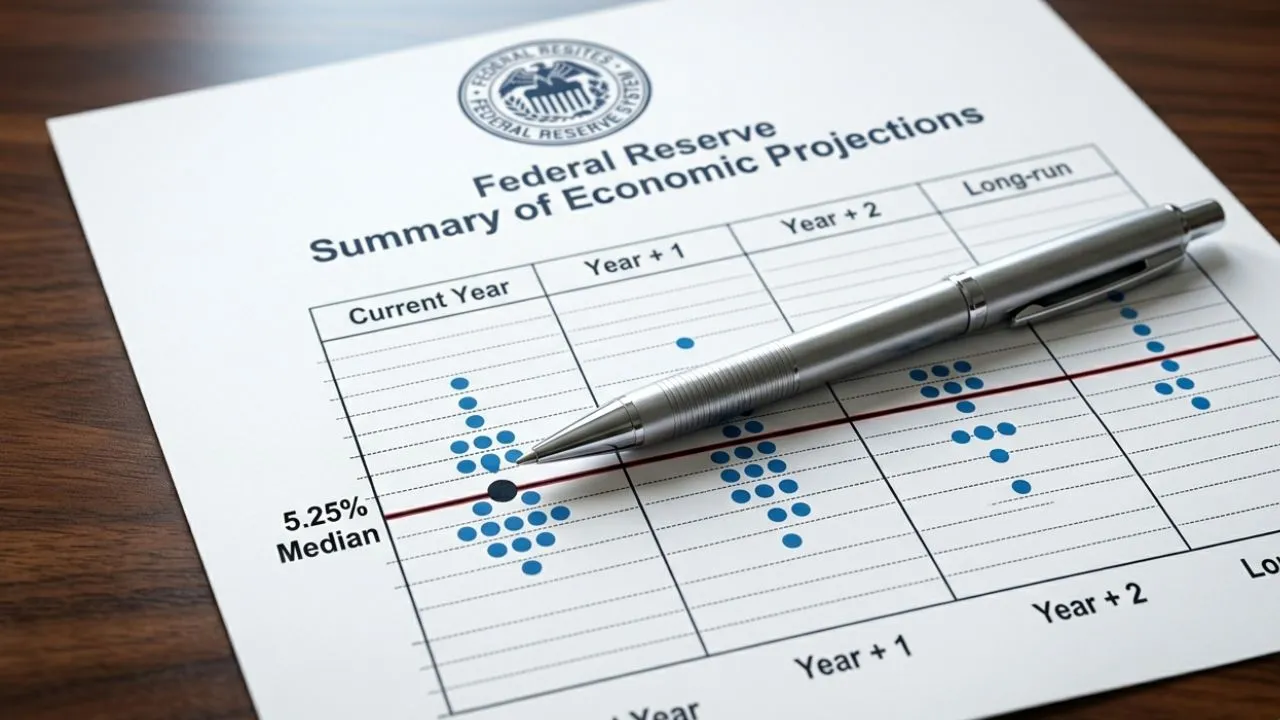
The move marked another sharp swing for technology shares after a volatile stretch in which investors have been weighing high Treasury yields, the Federal Reserve’s tighter rate path and questions about whether enormous spending on AI infrastructure can continue delivering strong returns. Investozora previously examined that tension in its analysis of the rotation between AI stocks and the broader U.S. economy.
AMD became the clearest symbol of Monday’s rebound. The chipmaker rose 9.6% to a record $613.31 in morning trading, pushing its market capitalization above $1 trillion for the first time. AMD became the fourth U.S. chip company to cross that threshold after Nvidia, Broadcom and Micron.
The Philadelphia Semiconductor Index was up about 2.7%, while Intel gained roughly 12% and Qualcomm advanced about 4.5%. AMD shares have risen about 185% in 2026, compared with a 15.8% gain for the Nasdaq through the same observation period.
AMD has been expanding beyond individual processors toward complete AI computing systems that combine processors, networking equipment and other hardware. The company has also been gaining ground in server CPUs used alongside GPUs for AI inference workloads. That longer-term expansion has helped keep AMD near the center of investor interest in AI infrastructure.
Monday’s stock gains also coincided with some relief in two pressures that had recently weighed on equities: oil prices and Treasury yields. Crude prices fell sharply as investors assessed recovering Saudi exports and the possibility of diplomatic progress surrounding the Middle East conflict. Brent traded near $100 a barrel while U.S. crude fell below $100 during the session.
At the same time, the benchmark 10-year Treasury yield moved back below 5%. That level has become increasingly important for equity valuations after yields recently crossed 5%, a move Investozora covered in its report on the Dow’s difficult week and the surge in the 10-year Treasury yield.
The simultaneous decline in oil and Treasury yields reduced two immediate sources of pressure on growth stocks, but it does not by itself establish that either move caused Monday’s technology rally. Market participants were also reassessing AI spending and individual company developments. Reuters quoted Great Hill Capital chairman Thomas Hayes saying that money was moving back into the AI trade.
Interest rates remain an important risk. Chicago Fed President Austan Goolsbee said Monday that strong demand could be contributing to inflation pressures, reinforcing the possibility that monetary policy may need to remain restrictive. Investozora has more on his remarks in Goolsbee Says Strong Demand Could Require Faster Fed Rate Hikes.
The next test comes from a heavy schedule of Federal Reserve communication. The Federal Reserve’s official September calendar lists Vice Chair for Supervision Michelle Bowman speaking Tuesday and Vice Chair Philip Jefferson on Wednesday, giving investors fresh opportunities to assess how officials view inflation and further tightening after September’s rate increase.
For now, Monday’s trading shows that investors remain willing to return quickly to AI stocks when pressure from yields and energy prices eases. Whether that rebound holds through the close will determine if the Nasdaq’s 1.6% advance becomes a durable recovery or another sharp intraday swing.