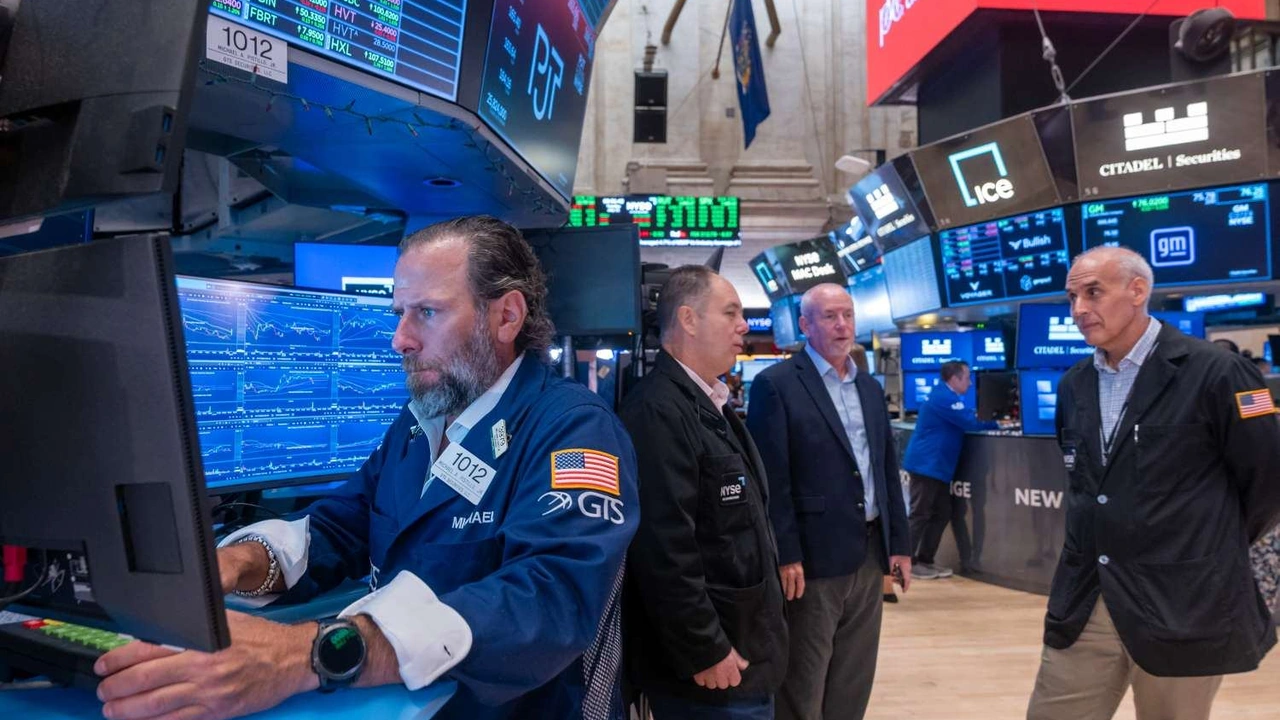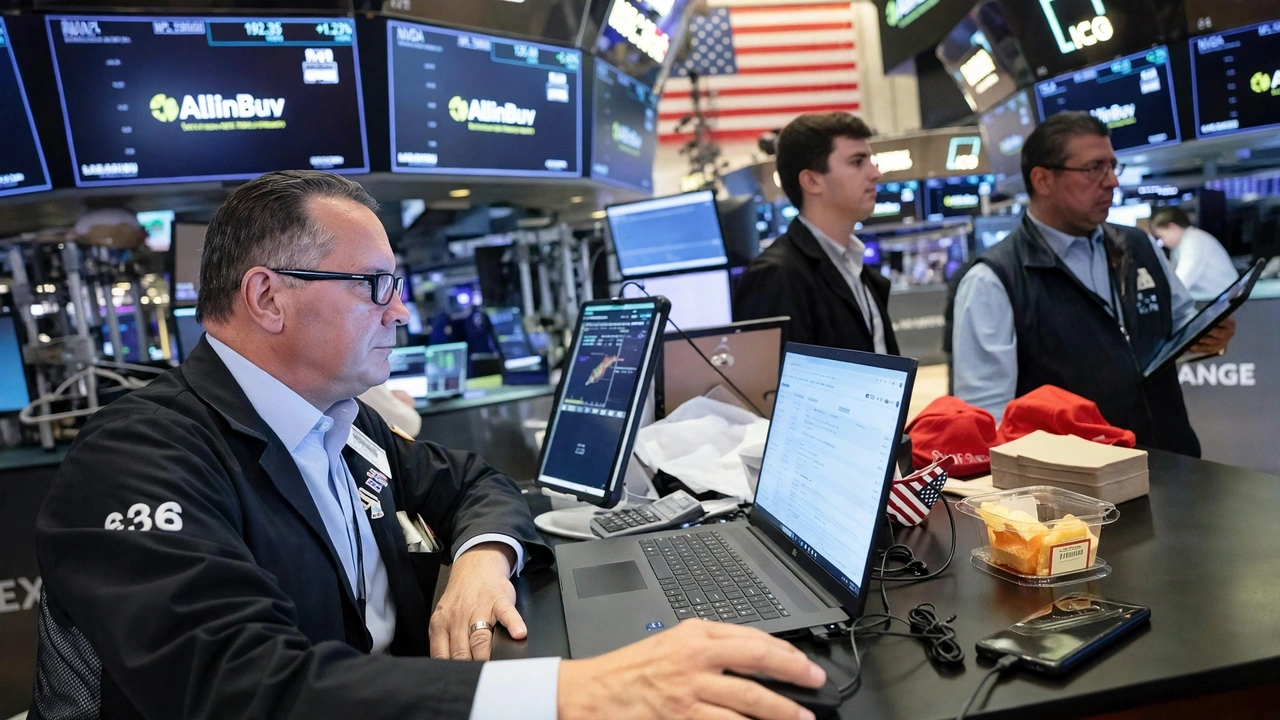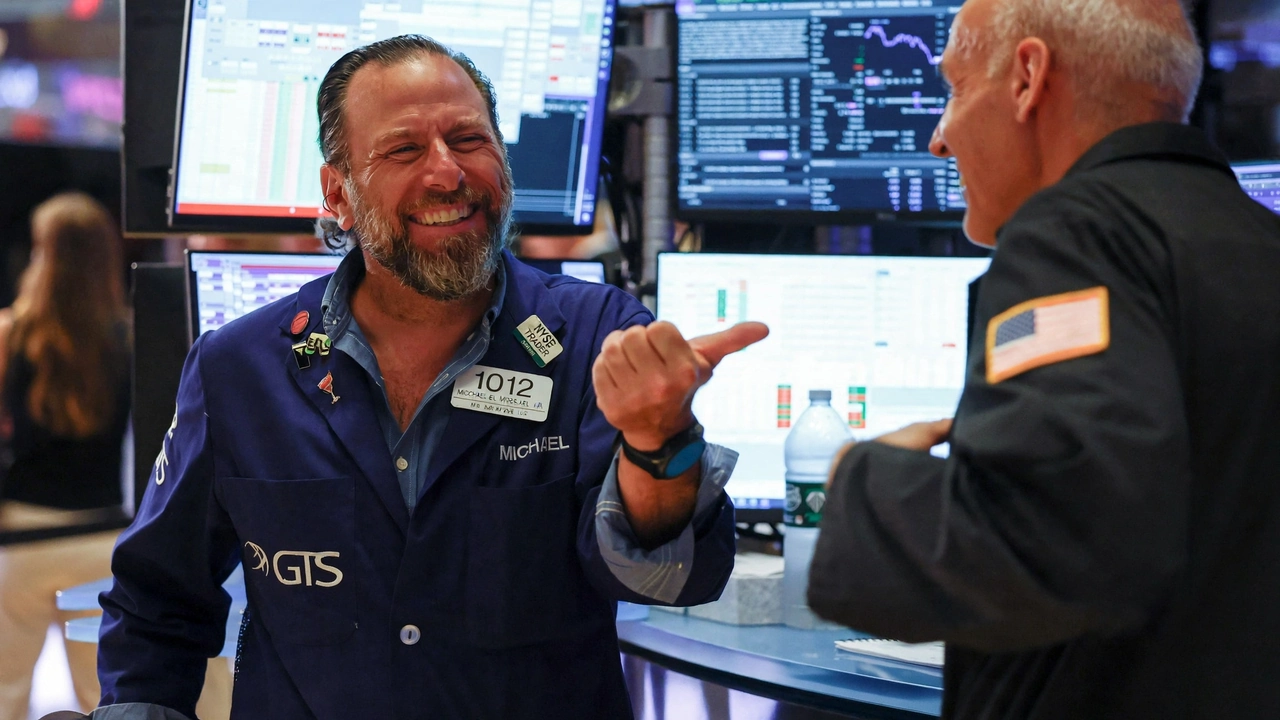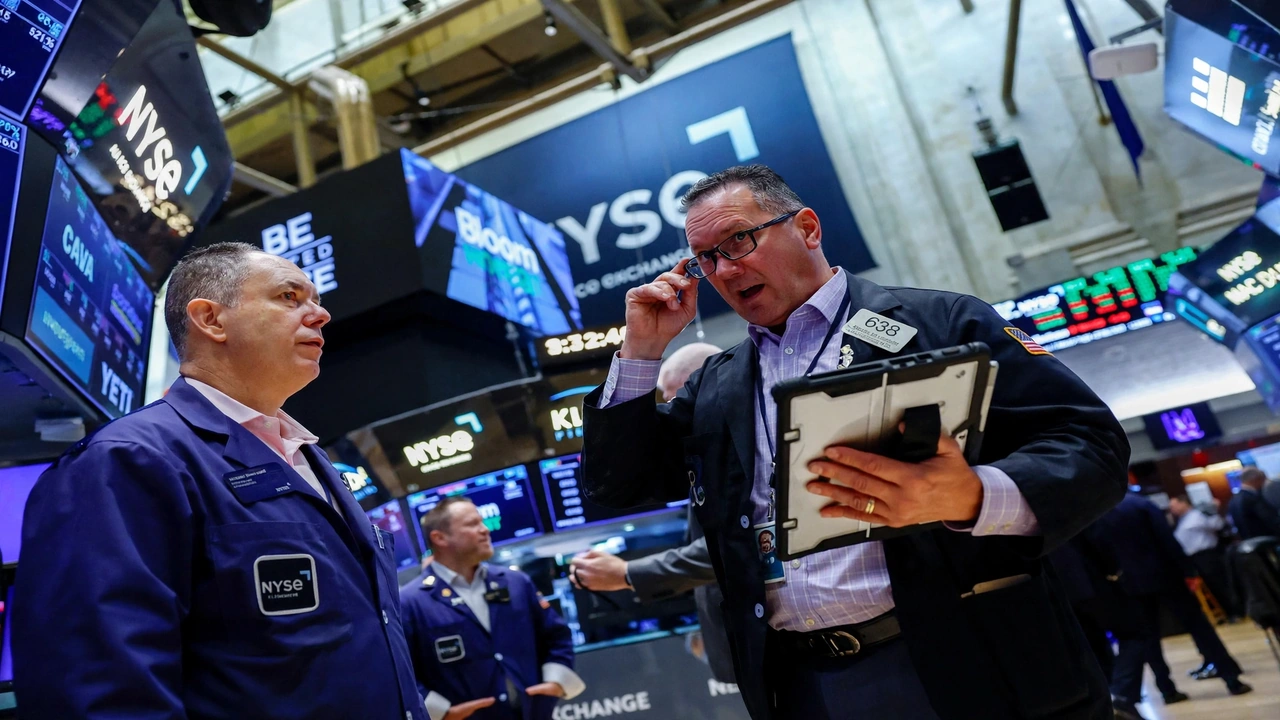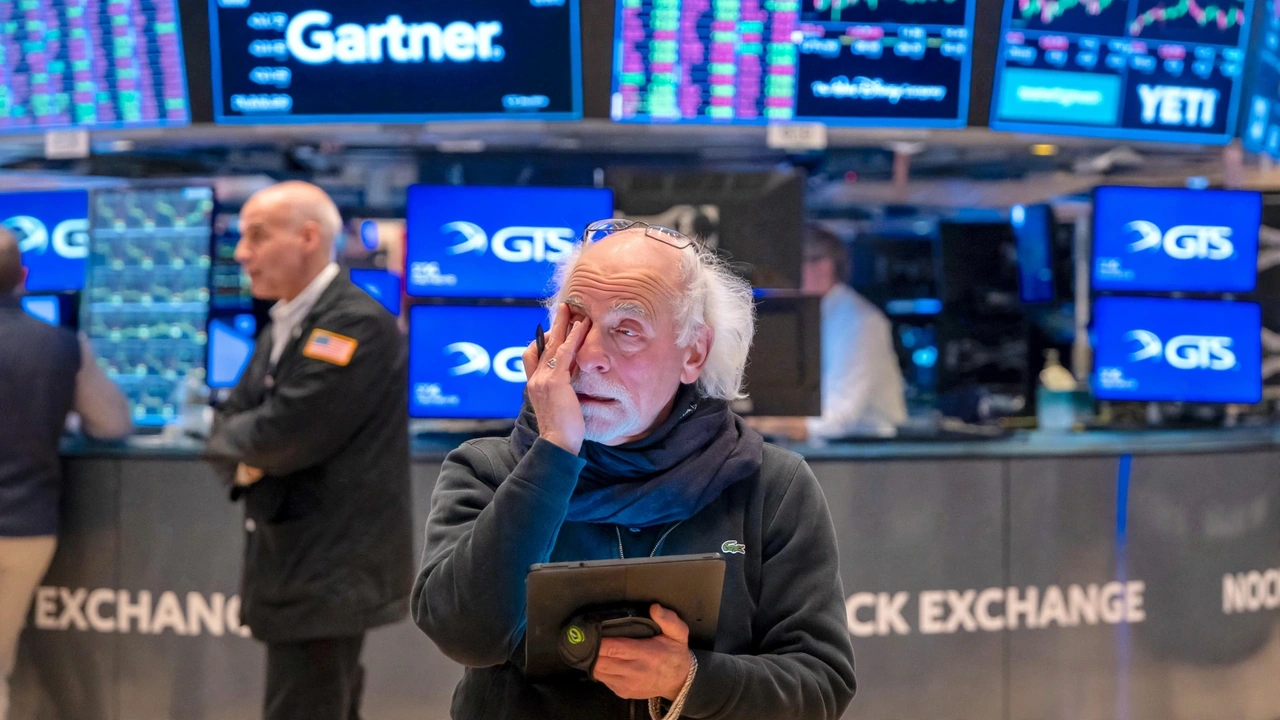

U.S. stocks rallied on Wednesday, November 11, as the Nasdaq Composite gained 1.6% and artificial intelligence stocks recovered from recent heavy selling, despite lingering concerns about inflation and higher interest rates. The Nasdaq closed at 25,466.19, up from 25,065.87 on Tuesday, according to official index data sourced from Nasdaq and published by the Federal Reserve Bank of St. Louis.
The S&P 500 rose 1.31% to 7,619.38, while the Dow Jones Industrial Average gained 0.49% to 52,486.49. The technology-heavy index outperformed both benchmarks, signaling renewed demand for AI-related shares after Tuesday’s inflation-driven market decline.
Wednesday’s advance reversed the Nasdaq’s 0.74% decline on November 10, when unexpectedly strong consumer inflation raised concerns about further Federal Reserve interest rate increases. Investors had entered that session cautiously, as reflected in Tuesday’s market setup, before the inflation figures added pressure to equities.
The recovery also followed a much larger technology selloff on November 5, when the Nasdaq plunged 5.52%, a decline examined in the earlier market selloff. Wednesday’s gains therefore represented a meaningful recovery, although they did not erase all the losses accumulated during the recent volatility.
CoreWeave emerged as a major catalyst for renewed interest in artificial intelligence infrastructure, with its Nasdaq-listed shares climbing approximately 24.7% on Wednesday. In its November 10 filing with the Securities and Exchange Commission, the company reported third-quarter revenue of $3.66 billion, compared with $1.37 billion a year earlier.
CoreWeave also disclosed a $709 million quarterly net loss, illustrating the substantial costs accompanying its expansion. The company said it expected approximately $9 billion in customer prepayments and deposits over the following three months, potentially easing financing concerns, although those anticipated receipts were not cash already collected.
The enthusiasm extended across several semiconductor and AI-related businesses, with Nvidia advancing approximately 2.9% and Micron Technology surging 11.9% during Wednesday’s regular trading session. The gains reflected renewed investor interest in the computing hardware and memory infrastructure supporting artificial intelligence development.
Recent AMD financial results and major technology companies’ cloud earnings reports provide a broader picture of how demand for computing infrastructure is expanding. Nevertheless, rising demand for chips and cloud services does not establish that every company investing heavily in AI will generate sufficient profits to justify its spending.
That distinction remains important because concerns about financing costs, infrastructure investment and future profitability have contributed to technology-stock volatility. The financial pressures examined in the AI spending analysis illustrate why investors are paying closer attention to the relationship between revenue growth, capital expenditure and available cash.
An earlier Nasdaq-100 selloff showed how rapidly expectations can change when investors question the returns on expensive AI projects. CoreWeave’s results offered evidence of substantial customer demand, but its continuing net loss means the longer-term profitability question remains unresolved.
Inflation provided the principal economic counterweight to Wednesday’s stock-market optimism. The Bureau of Labor Statistics reported in its October CPI release that consumer prices increased 0.4% on a seasonally adjusted monthly basis, following a 0.6% increase in September.
Core inflation, excluding food and energy, increased 0.3% for the month, while many annual inflation rates remained unavailable because the agency had not collected the corresponding October 2025 data during a lapse in appropriations. The figures reinforced concerns about persistent price pressures and the possibility of additional monetary tightening, consistent with the inflation risks discussed in earlier Federal Reserve signals.
The stock-market rally did not establish that those inflation concerns had disappeared. Treasury yields rose sharply following Tuesday’s inflation report, adding to the borrowing-cost pressures that can weigh particularly heavily on companies financing large infrastructure projects.
However, the U.S. bond market was closed Wednesday for Veterans Day, meaning there was no comparable regular-session Treasury closing yield to demonstrate a fresh bond-market reversal. The relationship between borrowing costs and valuations, explained through Treasury yield movements, remains an important consideration for investors assessing whether the rebound can continue.
A comparison with earlier index levels also shows why Wednesday’s gain should not be mistaken for a complete recovery. The Nasdaq ended November 4 at 25,736.51, immediately before the steep November 5 selloff, compared with Wednesday’s closing level of 25,466.19.
Calculating the difference from those official observations puts the index approximately 270 points, or 1.05%, below its pre-selloff close despite the latest rally. The advance improved short-term market performance, but it did not eliminate the uncertainty around AI valuations, corporate financing and interest rates that had contributed to the decline.
Investors will now watch whether AI-related shares can sustain their gains when U.S. trading resumes Thursday, November 12, and whether Treasury markets reinforce or challenge the optimism visible in equities. Attention will also remain on inflation and the Federal Reserve’s next policy decision, scheduled for December 8–9 according to the central bank’s official meeting calendar.
The competing pressures from technology investment and monetary policy remain central to the broader November market outlook. Wednesday’s close demonstrated a strong recovery in AI-related stocks, but the sustainability of that rebound will depend on subsequent market performance, corporate financial results and evolving interest-rate expectations.