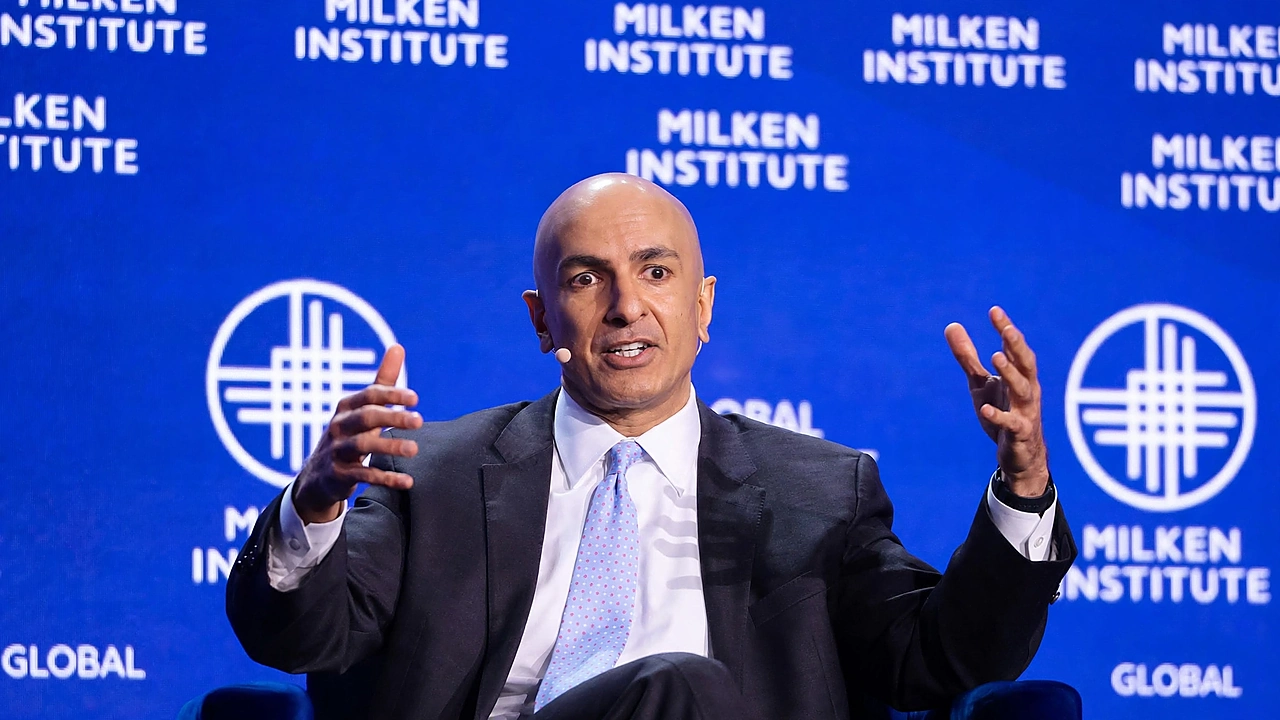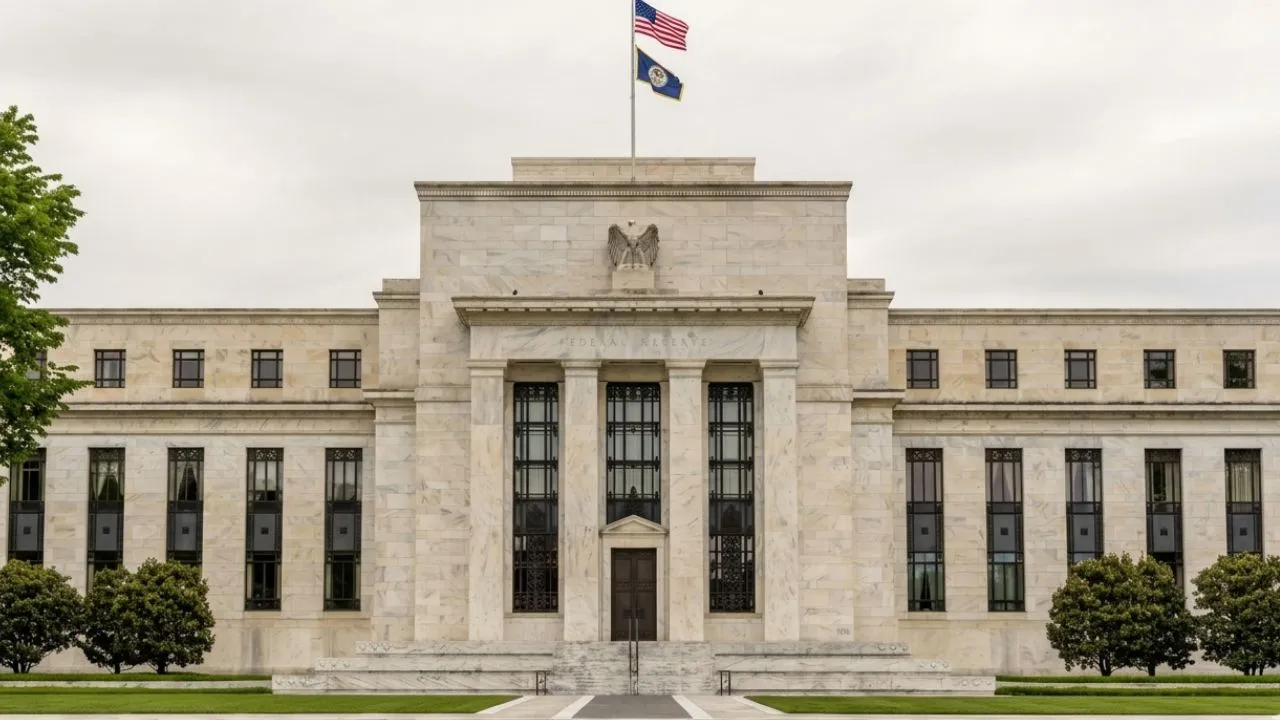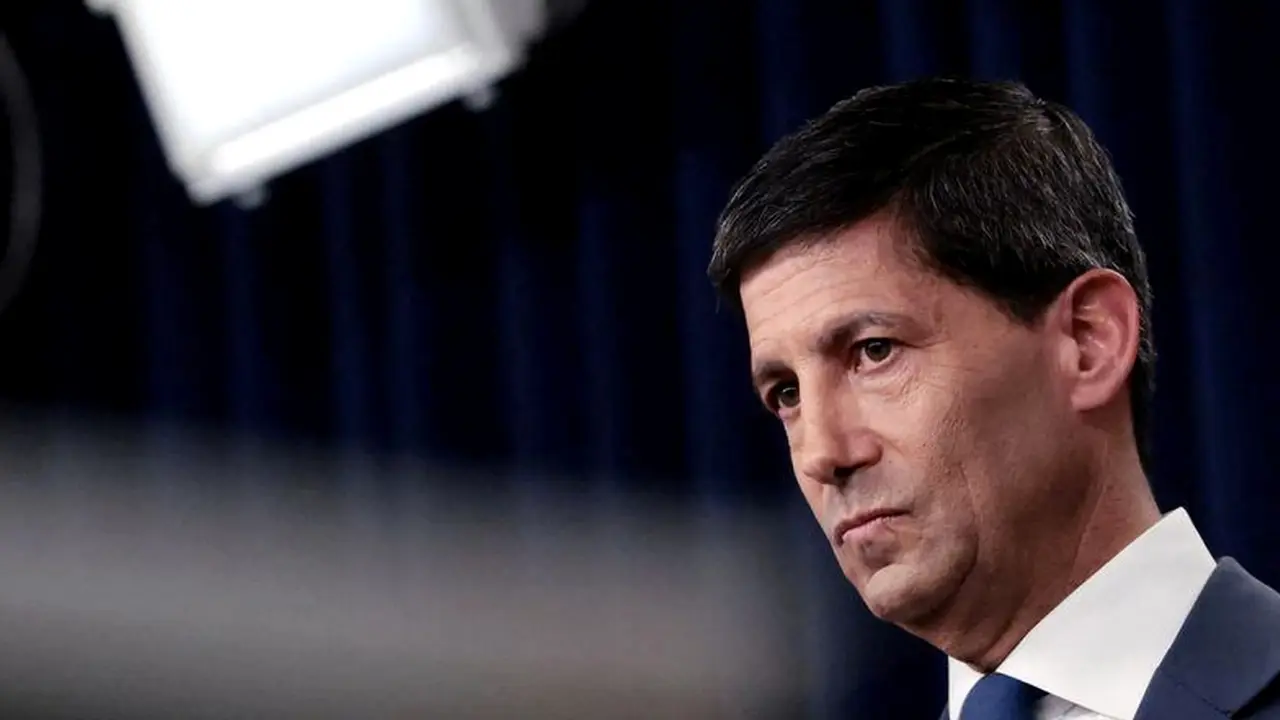

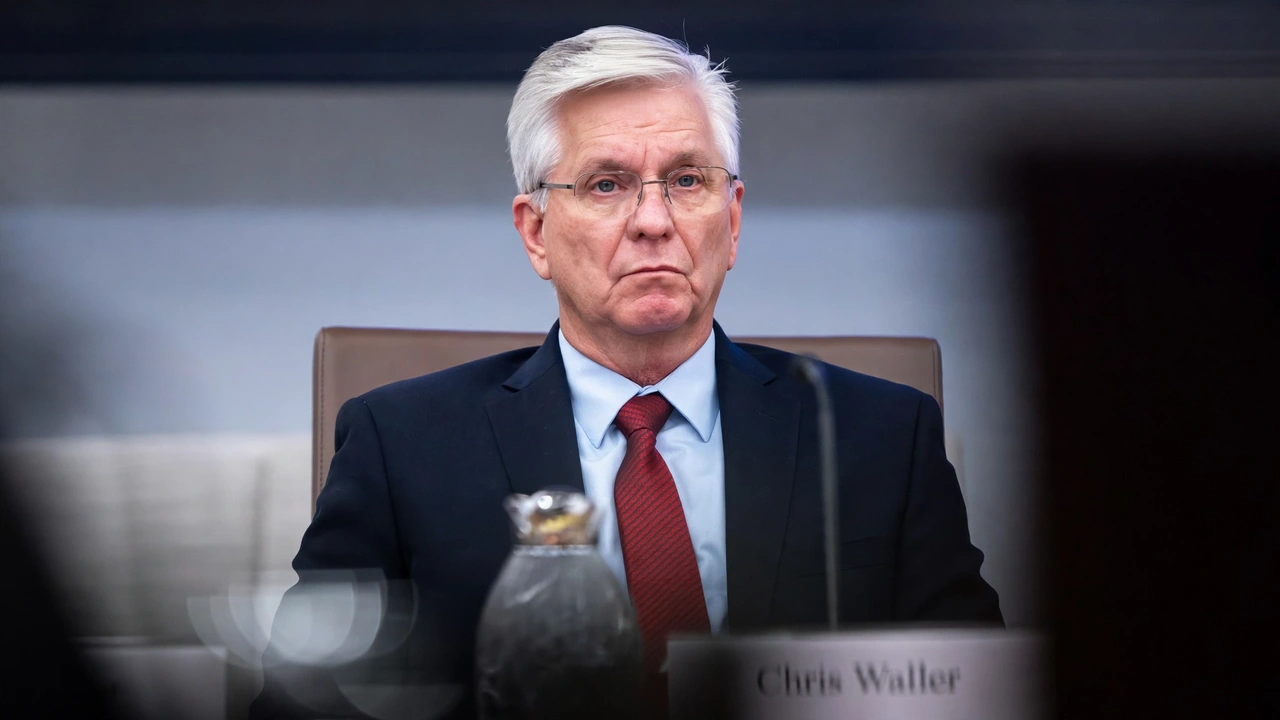
Federal Reserve Governor Christopher Waller set a specific condition for considering a larger interest-rate increase in December, and the latest U.S. inflation report met it. In his November 10 remarks, Waller said core consumer inflation of around 0.3% or higher could justify considering a half-percentage-point rate hike.
Hours later, the Bureau of Labor Statistics reported that core prices rose exactly 0.3% in October, strengthening the argument for more aggressive monetary tightening. That does not mean the Federal Reserve has committed to a larger increase.
Speaking at a conference in London before the inflation report was released, Waller said, “I believe a 50 basis point hike in the policy rate should be considered at the December meeting.” His baseline preference remained a quarter-point increase even if inflation improved, but persistent price pressures could warrant stronger action.
The distinction matters because Waller’s position represents an individual policymaker’s judgment rather than an official committee decision. The Fed’s October rate hold remains the latest policy action.
Inflation Meets Waller’s Condition
The October CPI report, released November 10 at 8:30 a.m. Eastern, showed headline consumer prices increasing 0.4% after a 0.6% gain in September. Core inflation, excluding food and energy, increased 0.3% for the third consecutive month, matching the level Waller identified.
Shelter prices rose 0.3%, food increased 0.5%, and energy advanced 0.7%, showing continued pressure across major spending categories. The report also lacked most annual inflation comparisons because the government did not collect the corresponding October 2025 survey data during a lapse in appropriations.
The persistence of core inflation matters more for Waller’s argument than the modest slowdown in headline monthly inflation. The Federal Reserve primarily targets personal consumption expenditures inflation, a different measure from CPI, and the September inflation figures showed core PCE rising 3.1% over the year, according to the official BEA release.
Waller also expressed concern that inflation was spreading beyond volatile energy prices, particularly through goods and services exposed to rising costs. I see the significant development as the combination of a clearly stated policy condition and an independently published inflation result that satisfied it.
Why a Larger Rate Hike Is Not Certain
Waller’s November remarks mark a more explicit position on the size of the next increase rather than a sudden reversal in his broader policy outlook. In his October 8 speech, he already supported additional tightening while emphasizing that increases need not occur at consecutive meetings.
The September minutes similarly showed that most policymakers considered another increase appropriate before year-end, depending on incoming evidence. His newer remarks add a measurable condition under which a larger increase should enter the debate.
Other policymakers have also expressed concern about persistent inflation, although their preferred timing and pace are not necessarily identical. Dallas Fed President Lorie Logan has called for at least two more quarter-point increases, while Philadelphia Fed President Anna Paulson has discussed the case for additional tightening.
These positions illustrate why supporting higher rates does not automatically mean supporting a half-point move at the next meeting. Waller’s proposal still requires consideration alongside the economic outlook and the preferences of other committee members.
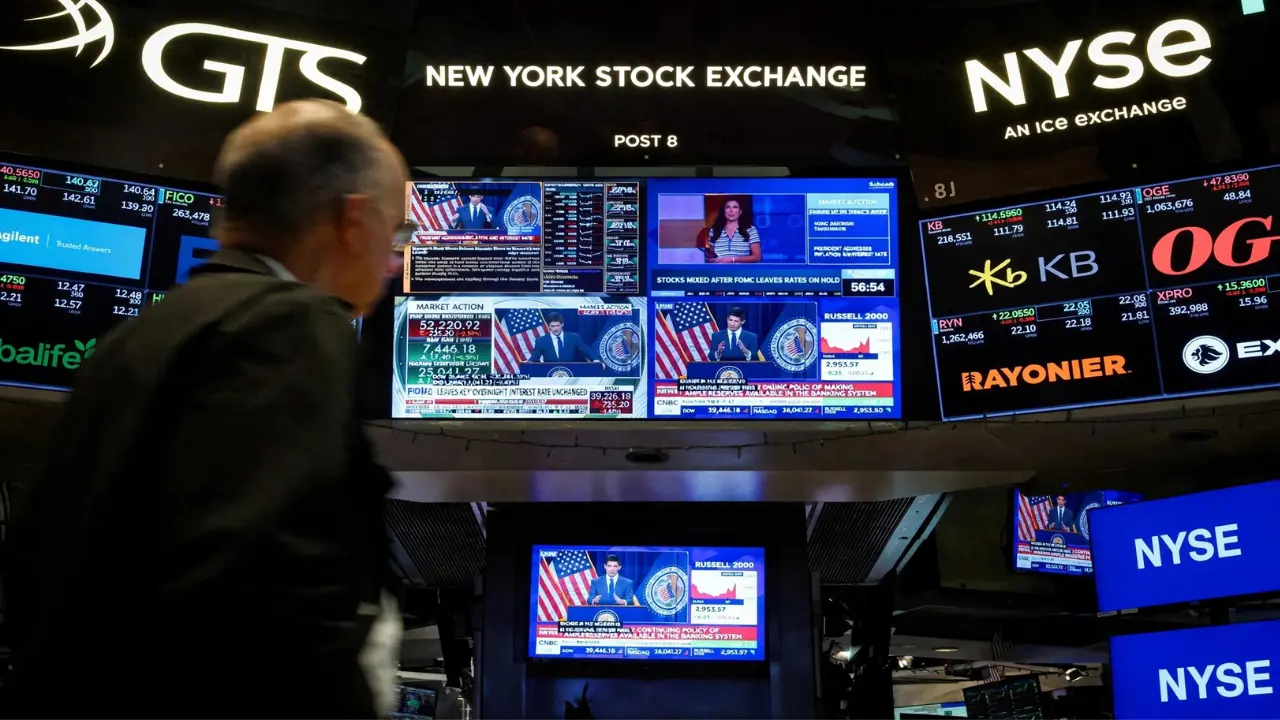
The Fed’s October policy statement maintained the federal funds target range at 3.75% to 4%, with two officials dissenting in favor of a quarter-point increase. From that starting point, a 25-basis-point increase would move the range to 4%–4.25%, while a 50-basis-point increase would lift it to 4.25%–4.50%. Those are calculations based on the current target range, not announced future rates. The committee must still decide whether the inflation evidence justifies either adjustment.
What Happens Next
The debate matters for households and financial markets because tighter monetary policy can affect borrowing costs, savings yields and bond valuations. Changes in expected Fed policy influence Treasury yield mechanics, while the effect on mortgage rate pricing depends heavily on longer-term bond yields rather than the federal funds rate alone.
Credit-card borrowers and savers could also experience different effects as lenders adjust their rates, although those adjustments are neither immediate nor uniform. The possibility of a larger hike is therefore economically consequential even before a formal decision.
The next scheduled Federal Reserve policy meeting is December 8–9, according to the official meeting calendar. Before then, policymakers will receive additional information, including the October PCE report scheduled for November 25, which could clarify underlying inflation trends.
Waller’s condition has been met, but that is only one part of the evidence the committee will consider. The central question now is whether persistent inflation will persuade enough policymakers to support a larger December increase.