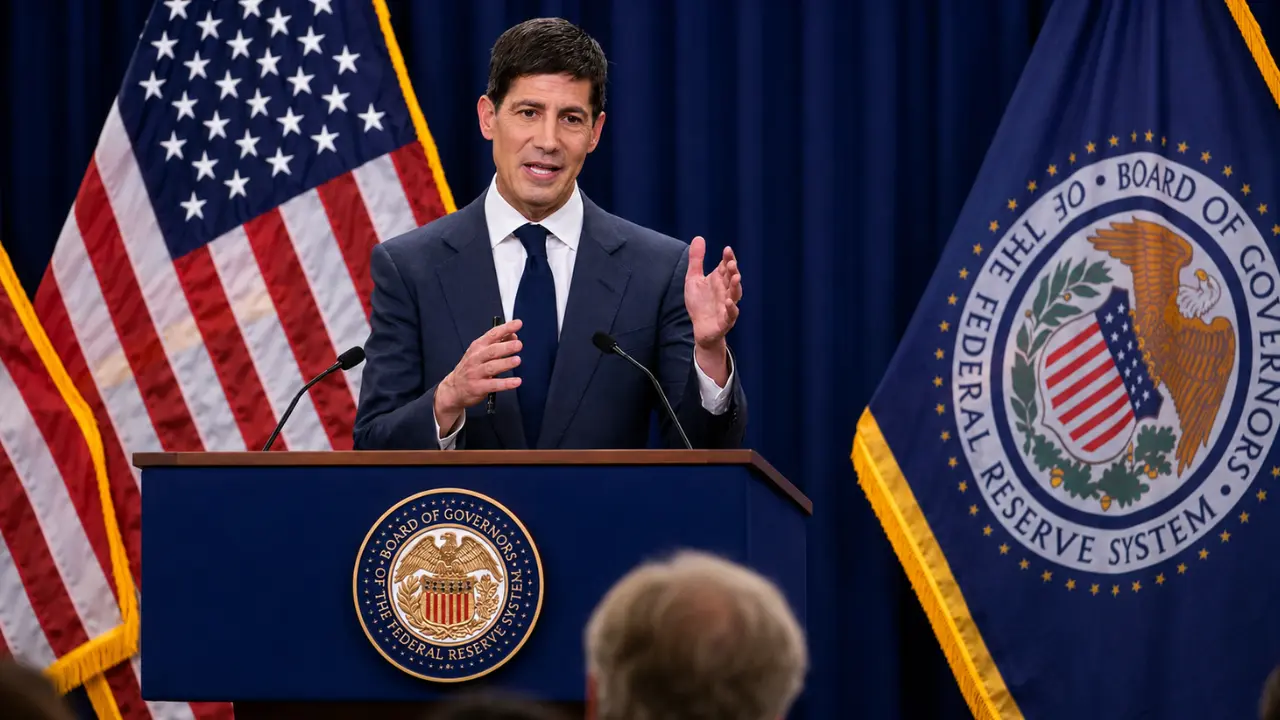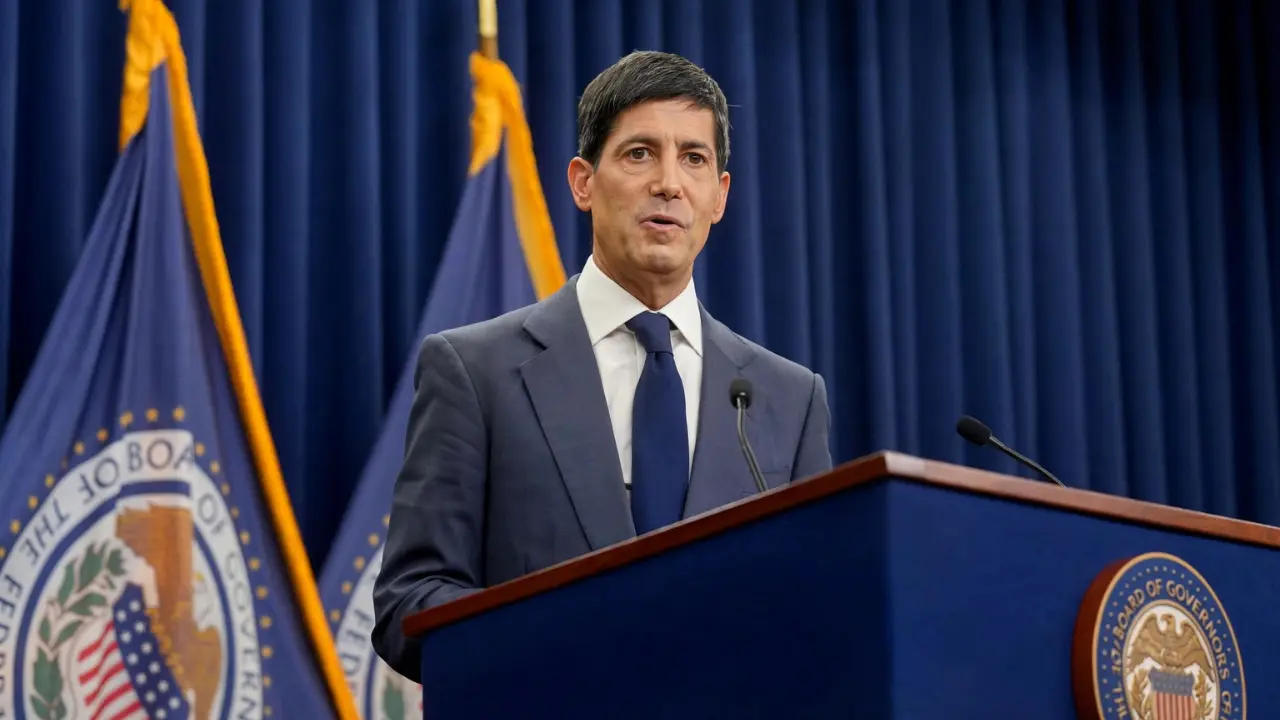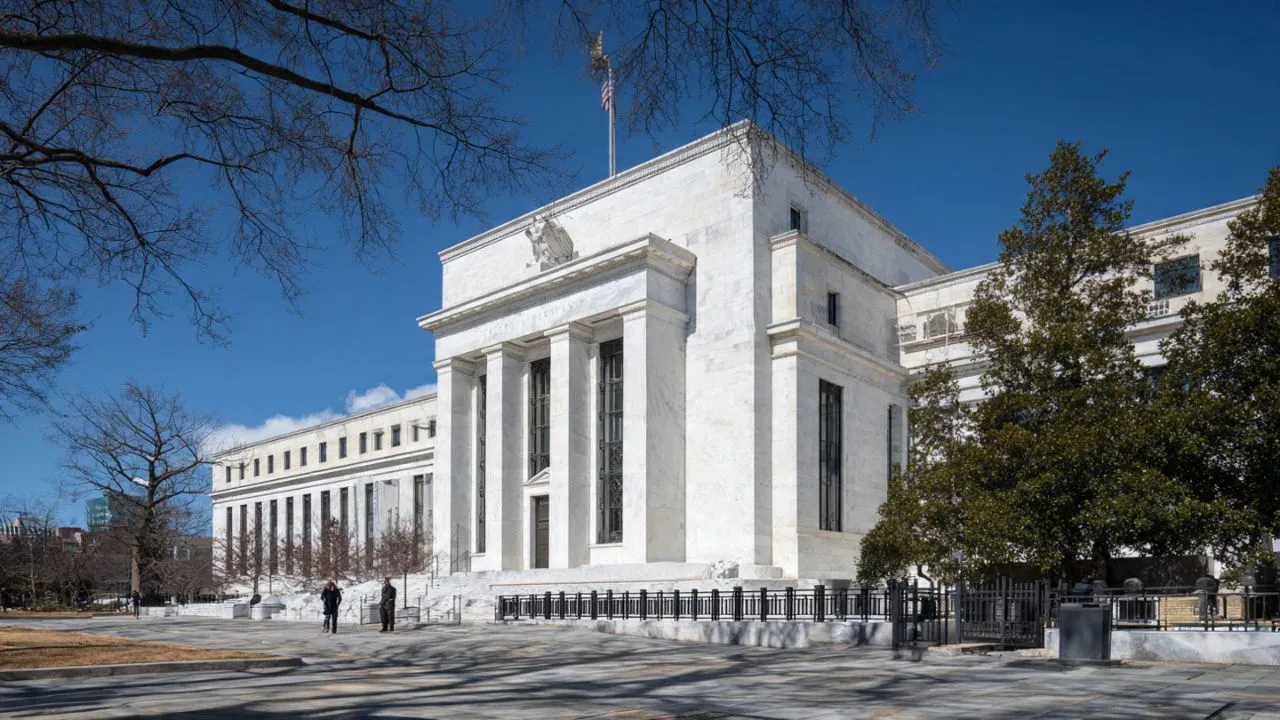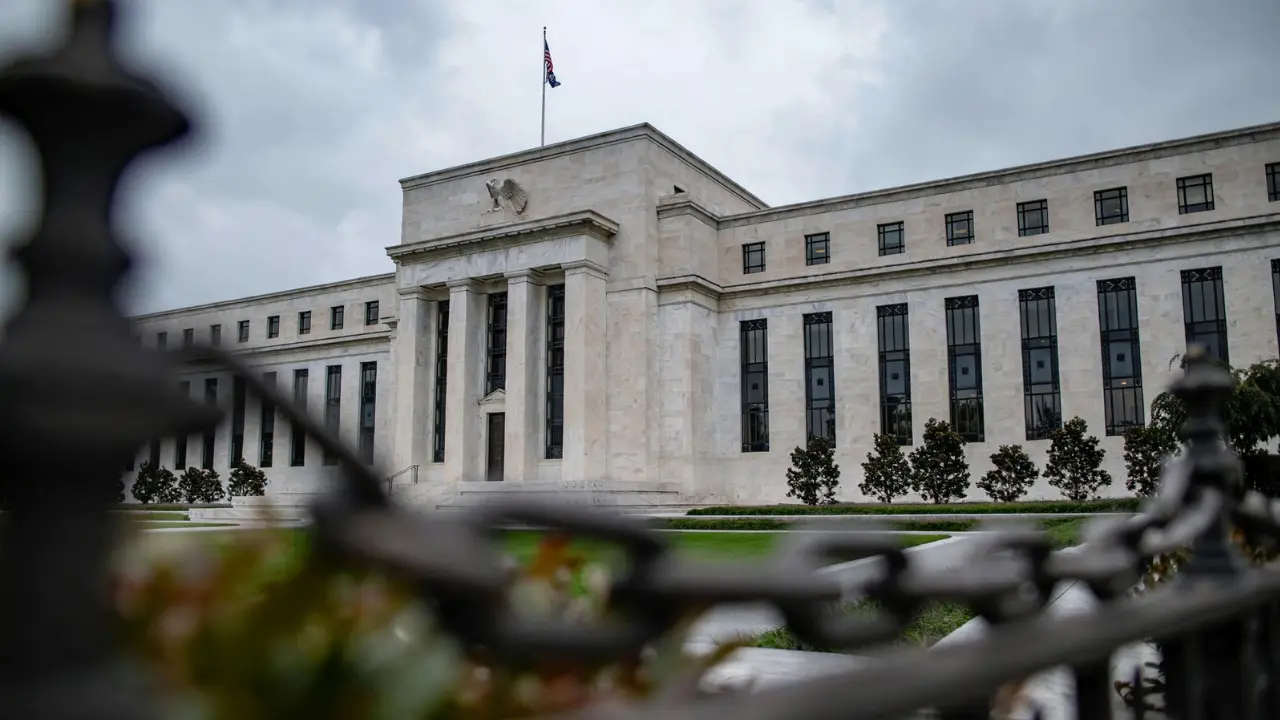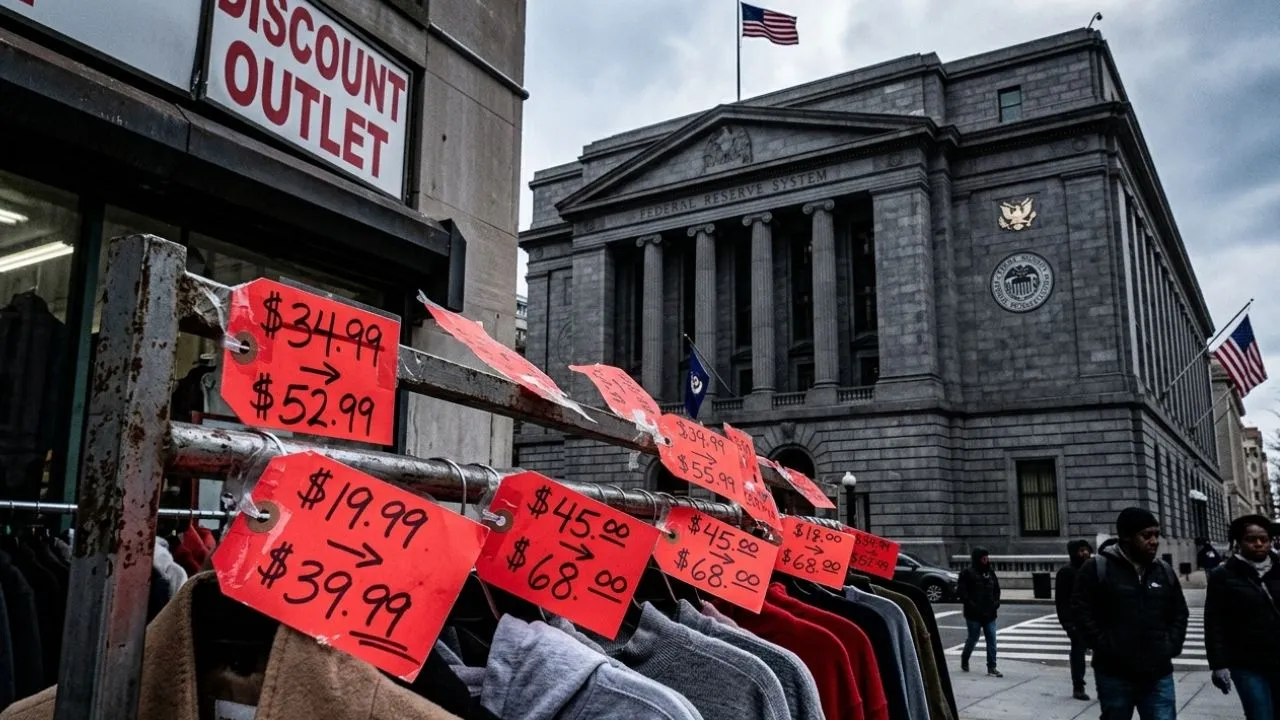

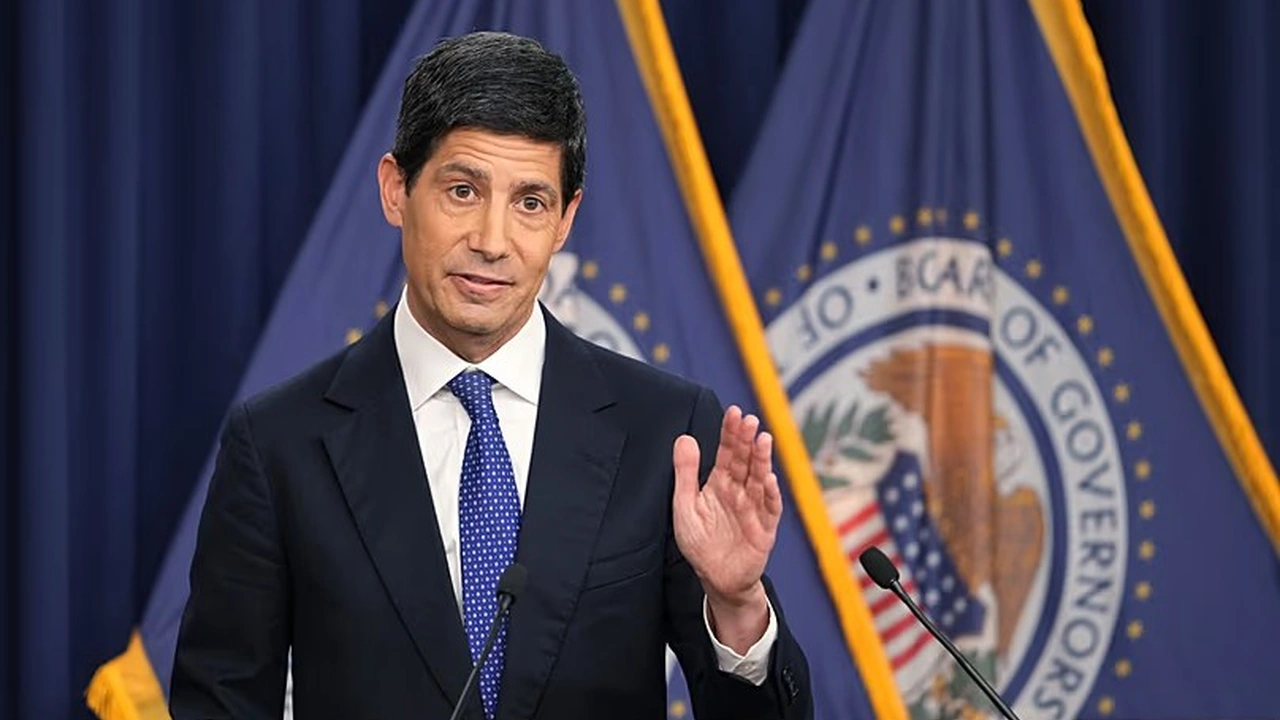
WASHINGTON — The Federal Reserve held its benchmark interest rate at 3.75% to 4% on Wednesday, October 28, as two policymakers voted for another quarter-point increase, exposing disagreement over how aggressively the central bank should respond to persistent inflation.
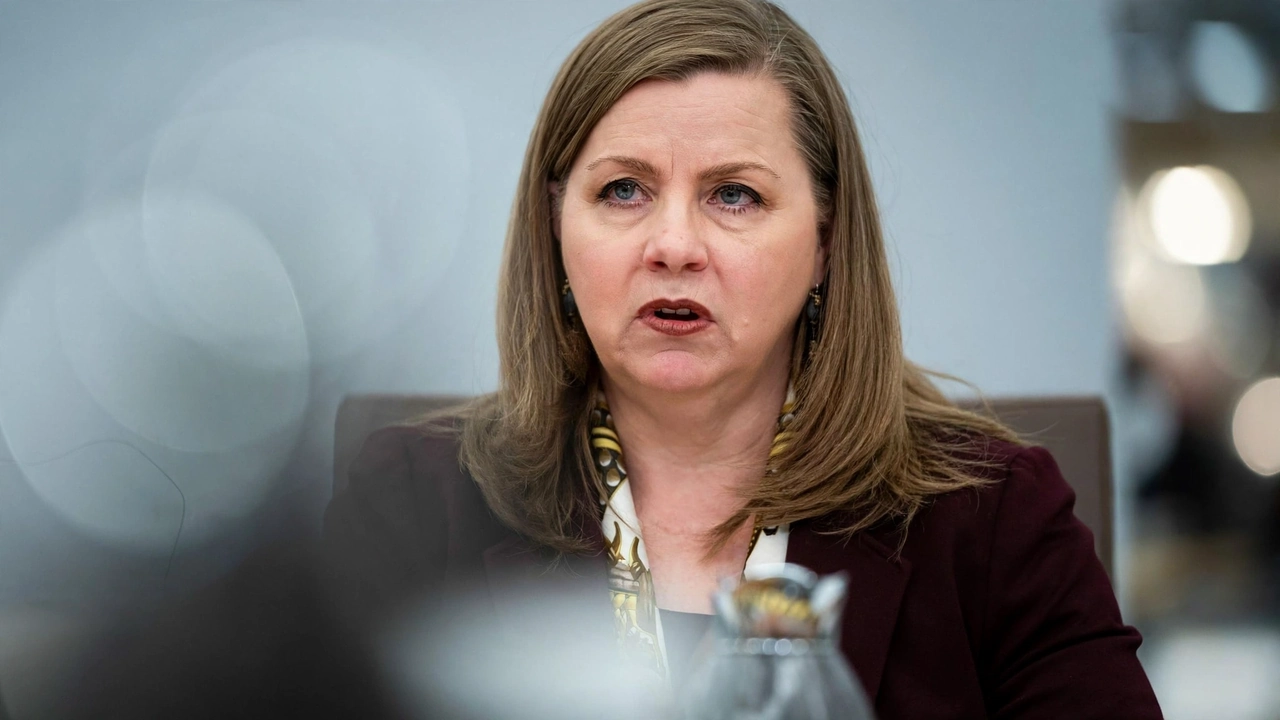
The Federal Open Market Committee approved the decision by a 10–2 vote, according to its official policy statement, released at 2 p.m. Eastern time. Federal Reserve Governor Lisa D. Cook and Cleveland Fed President Beth M. Hammack opposed keeping rates unchanged, preferring an increase to 4%–4.25%.
The decision marked a departure from September 16, when all 12 voting members supported a 25-basis-point increase that lifted the target range from 3.50%–3.75% to its current level.
The Fed also strengthened its assessment of economic activity, describing growth as strong rather than solid, while maintaining that inflation remains elevated. The combination leaves investors and borrowers facing the possibility of further tightening, even though the central bank declined to raise borrowing costs at this meeting.
A Divided Decision
The contrast between the September decision and October’s statement reveals three important changes. First, the Fed moved from raising rates unanimously to holding them with two dissenters seeking another increase. Second, policymakers upgraded their description of economic growth.
Third, the committee replaced September’s language about the immediate policy action supporting faster progress on inflation with an emphasis on gathering additional information. That final change matters because the Fed has not committed to another increase at a specified meeting. Instead, it is leaving its next move dependent on economic evidence.
In my reading of the two official statements, the disagreement is not over whether inflation remains a concern. Both decisions explicitly acknowledge elevated inflation. The difference is whether the existing interest-rate setting is sufficiently restrictive to bring price growth toward the central bank’s 2% objective without an immediate additional increase.
Cook and Hammack favored raising the target range by another 0.25 percentage point. Had their preferred action received majority support, both ends of the benchmark range would have risen by 25 basis points. But the majority chose to maintain the existing setting, giving policymakers more time to evaluate incoming information after September’s increase.
The 10–2 vote does not establish that a rate increase is inevitable in December. It establishes that two voting members wanted tighter policy immediately, while ten supported waiting. For investors following the Fed rate outlook, that distinction is essential: disagreement about the timing of a change is not itself an official commitment to make that change later.
Growth Signals Strengthen
The October statement retained the Fed’s assessment that domestic spending has been resilient, productivity growth is strong, capital investment is robust, and job gains have kept pace with the workforce. Its notable revision was the description of the overall economy, which changed from a solid expansion in September to a strong expansion in October.
That is a qualitative upgrade, not a new numerical growth forecast. The statement does not specify a revised gross domestic product growth rate, nor does it establish that every sector of the economy is accelerating. Still, stronger growth matters for monetary policy because resilient spending and investment can make inflation more difficult to contain when demand remains firm.
The central bank’s challenge is to determine whether current interest rates are restrictive enough to reduce inflation without unnecessarily weakening employment and economic activity. The latest available pre-decision PCE inflation report showed that the headline personal consumption expenditures price index increased 3.4% over the 12 months through August. The core index, which excludes food and energy, increased 3.0%.
Those are year-over-year inflation rates, not monthly increases. Both readings remained above 2%, although the headline PCE measure is not identical to the specific longer-run inflation measure used to assess the Fed’s target.
The readings help explain why policymakers remain cautious about declaring victory over inflation. They do not, by themselves, establish whether a further rate increase is necessary.
Investozora has previously examined how inflation pressures influence the Fed’s decisions. October’s statement reinforces that price stability remains central to the debate, even as policymakers express greater confidence in the economy’s strength.
Borrowing Costs Remain
For households and businesses, the immediate result is that the Fed has not changed the target range for short-term overnight lending between banks. That does not mean every consumer borrowing rate will remain fixed.
Banks independently set deposit and lending rates, while longer-term borrowing costs also respond to Treasury yields, credit conditions, inflation expectations and investor assessments of future Fed policy.
Credit cards with variable interest rates tied to the prime rate may respond more directly to changes in short-term benchmarks. The absence of an October increase avoids an additional policy-driven upward adjustment at this meeting, although individual borrowers can still face rate changes for other reasons.
The relationship between the prime rate and the federal funds target helps explain why changes in monetary policy can eventually affect revolving consumer debt. Mortgage rates operate differently. Fixed mortgage rates depend heavily on longer-term bond-market conditions rather than moving automatically alongside the federal funds rate.
A steady Fed target therefore does not guarantee steady mortgage offers or lower monthly payments for homebuyers. The transmission from monetary policy to mortgage borrowing depends on market conditions and individual loan terms.
For savers, a policy hold also offers no guarantee that banks will preserve existing deposit yields. Financial institutions can adjust savings-account and certificate-of-deposit rates according to funding needs and competitive conditions.
The Fed’s separate implementation directive confirms that interest paid on reserve balances remains at 3.90%, effective October 29. The central bank also maintained its standing overnight repurchase rate at 4% and its overnight reverse repurchase offering rate at 3.75%.
These operational settings help keep overnight funding conditions consistent with the committee’s chosen policy range. They are not interest rates directly offered to individual consumers. The distinction is important for anyone assessing how the Fed controls rates across financial markets.
What Comes Next
The Fed’s next scheduled policy meeting is December 8–9, 2026, according to its meeting calendar. That meeting is associated with an updated Summary of Economic Projections, which should provide fresh information about policymakers’ individual assessments of the economic outlook and appropriate future interest rates.
Those projections will not represent a binding committee decision. Before then, the economic data released after October’s meeting will help clarify whether the stronger growth assessment is accompanied by progress against inflation.
The Bureau of Economic Analysis scheduled its September personal income and outlays release, including PCE inflation figures, for October 29. Its release calendar also lists the advance estimate of third-quarter GDP for the same date. Both are relevant to the Fed’s assessment of inflation, spending and economic momentum.
The October statement makes no promise about the December outcome. Two officials have already made clear that they favor higher rates, but the majority has opted to evaluate further information before changing course.
The next policy decision will therefore test whether new evidence persuades more officials that another increase is warranted or supports maintaining the current range for longer.