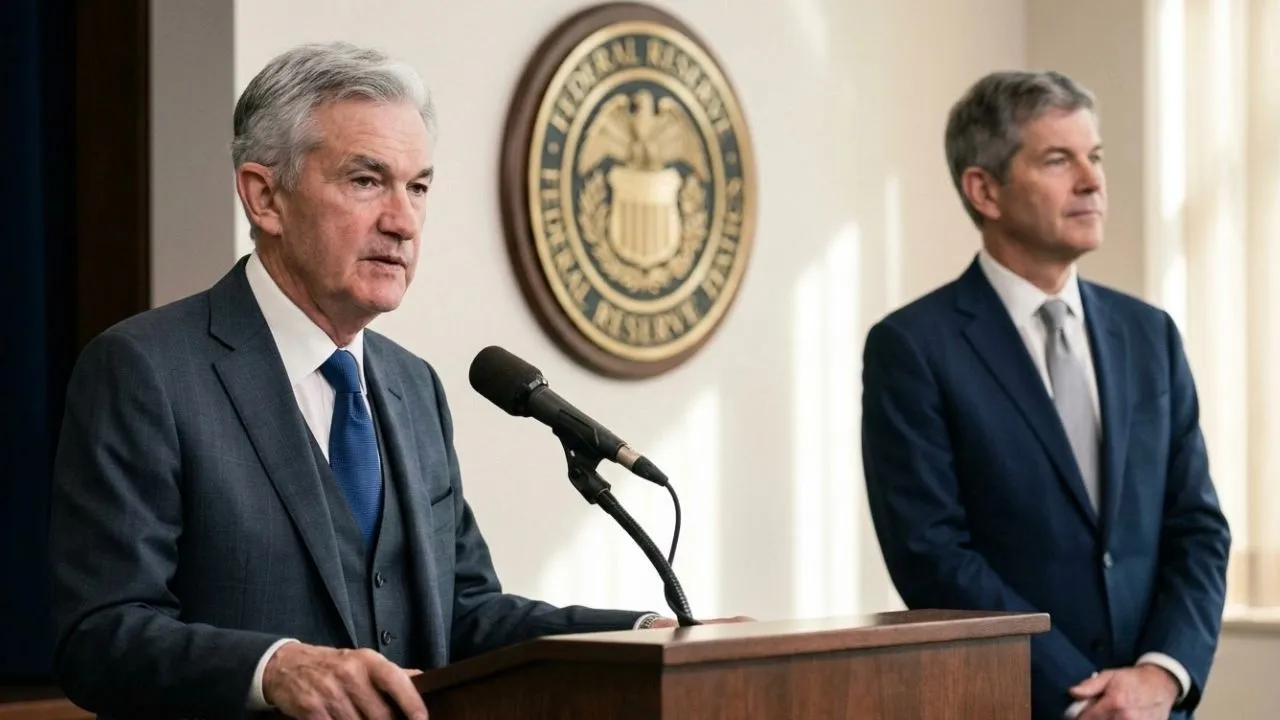

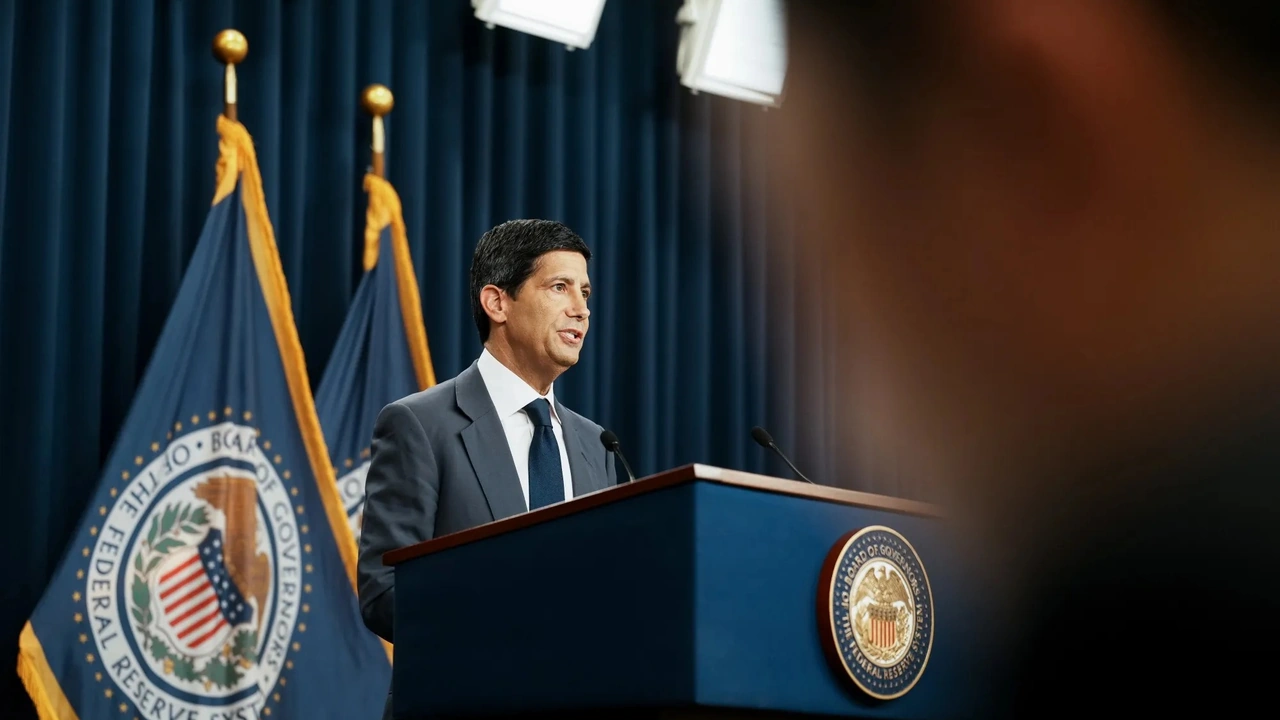
Federal Reserve Chair Kevin Warsh announced on October 28 that one of the central bank’s eight scheduled meetings in 2027 will be devoted exclusively to longer-term monetary policy strategy, with no vote on the federal funds rate and no policy statement anticipated.
The change, which Warsh described during his post-meeting press conference, means the Federal Open Market Committee (FOMC) plans to use seven of its eight regularly scheduled meetings next year for conventional interest-rate decisions.
Warsh also expects two strategy-only meetings in 2028, leaving six scheduled meetings for setting policy that year. The announcement marks a significant change in how the central bank organizes its monetary policy discussions.
It does not mean the Fed has decided to keep rates unchanged during a particular month or surrendered its ability to respond to unexpected economic developments. The distinction matters because the Federal Reserve’s role includes both setting near-term interest rates and developing the longer-term framework that guides those decisions.
A Different Meeting Schedule
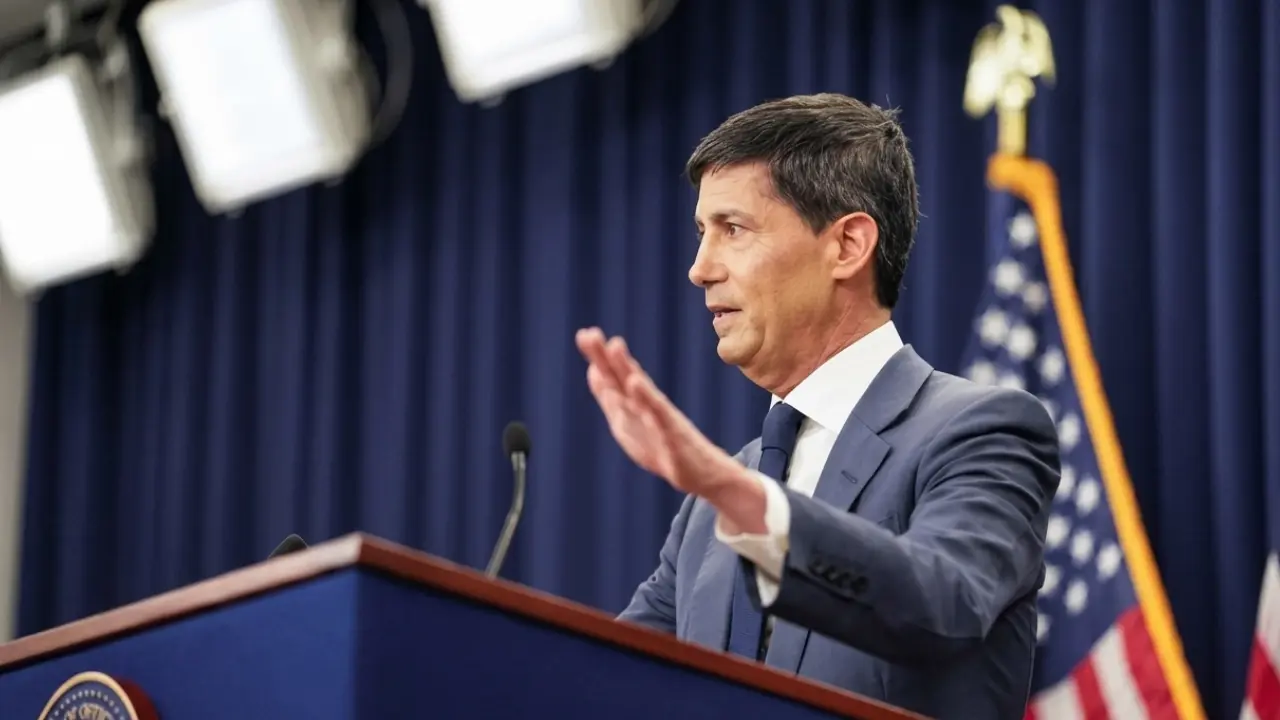
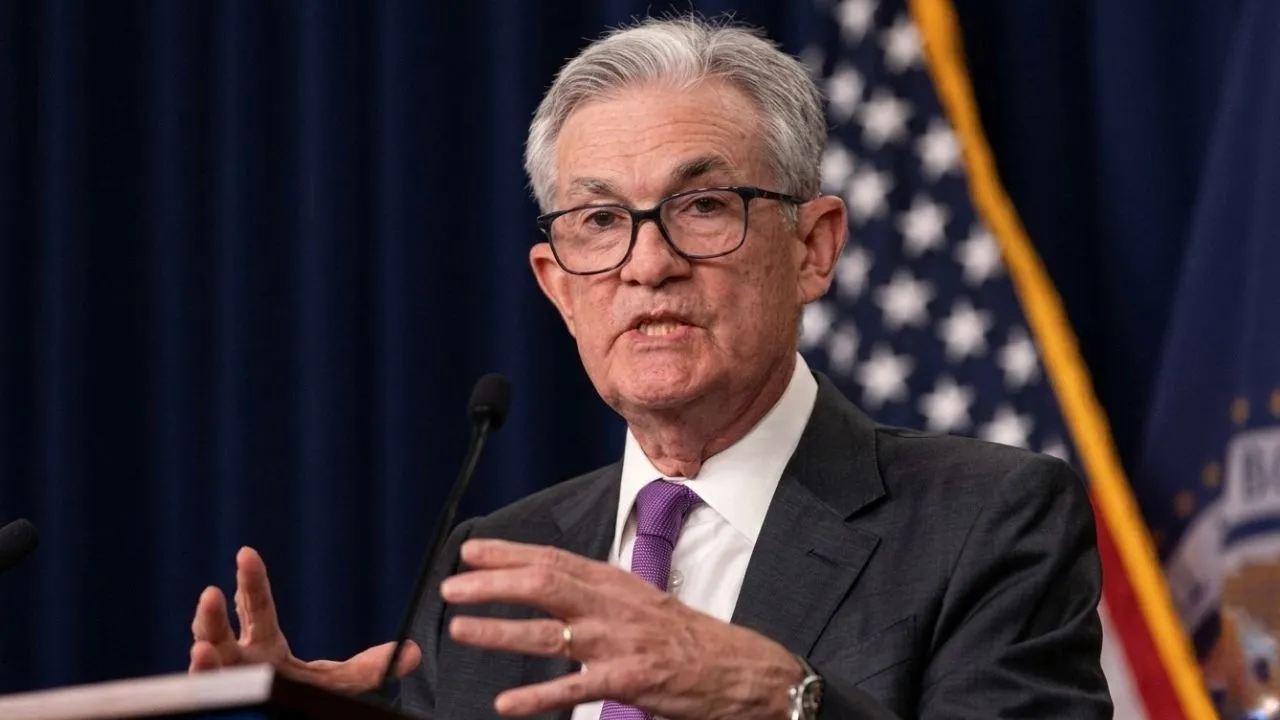
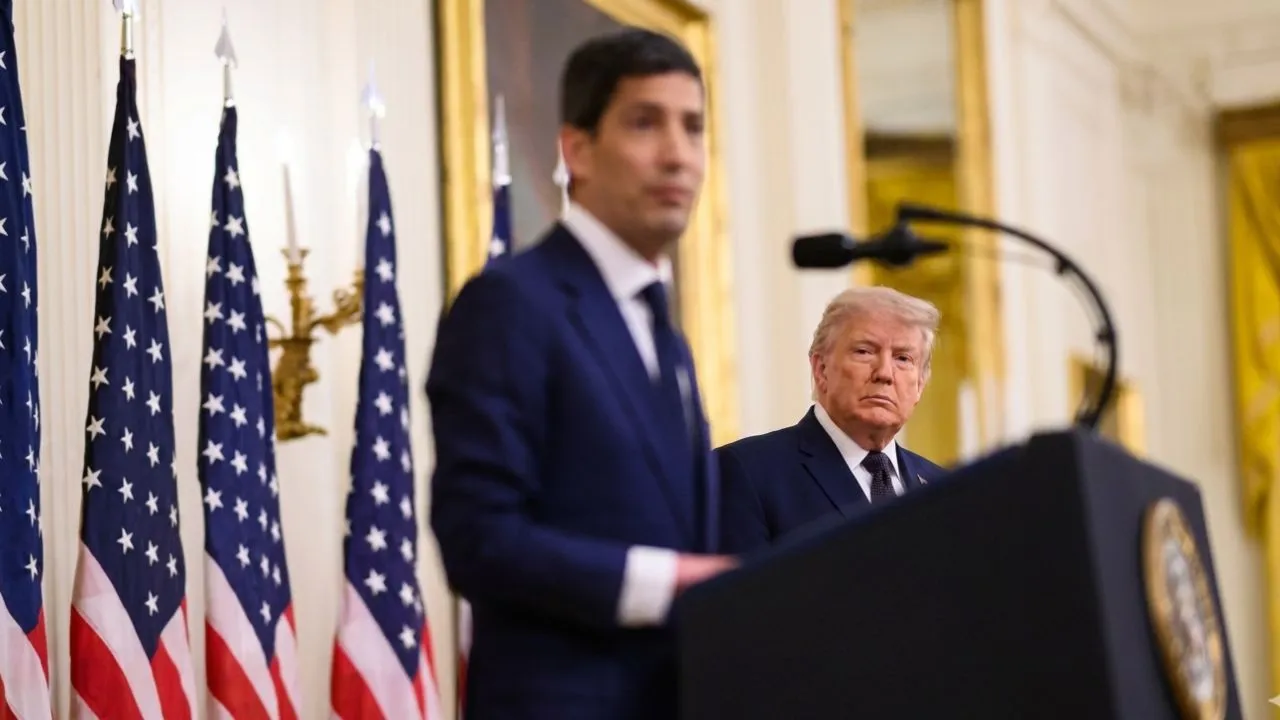
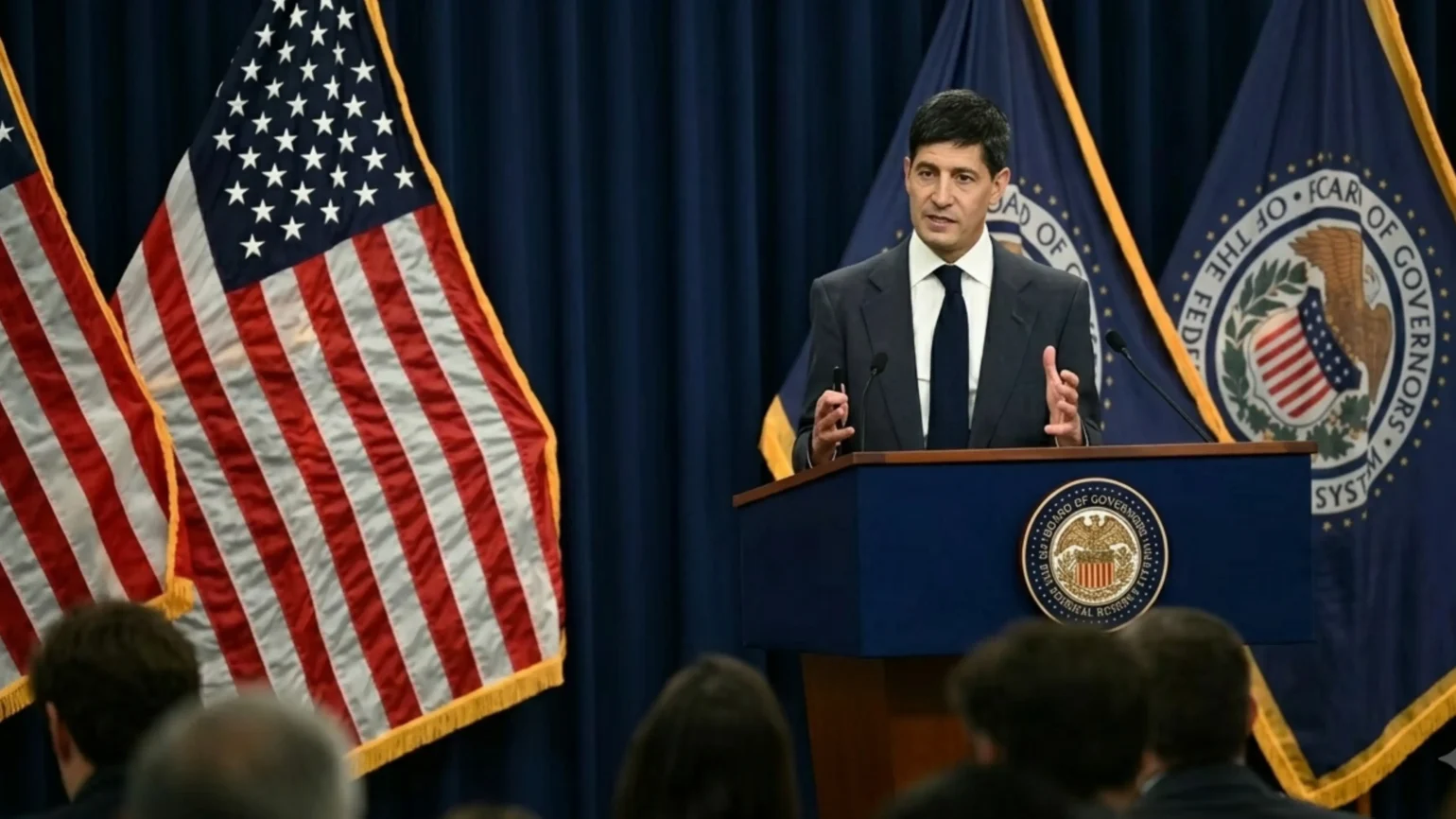
Warsh outlined the proposal at the Federal Reserve’s October 28 press conference in Washington, following the conclusion of the two-day FOMC meeting. “We believe eight meetings per year is the right number for the FOMC,” Warsh said, before explaining that one 2027 meeting would focus on strategy rather than a rate vote.
The official meeting calendar currently lists eight meetings for 2027: January 26–27, March 16–17, April 27–28, June 8–9, July 27–28, September 14–15, October 26–27 and December 7–8. Warsh did not identify which meeting would receive the strategy-only designation.
That omission is important. Investors cannot yet determine exactly where the longer interval between regular policy-setting meetings might occur, or whether the change will alter the timing of other scheduled communications.
The current calendar also identifies four 2027 meetings associated with the Summary of Economic Projections. Warsh did not specify whether any of those projection arrangements would change. In his remarks, Warsh described the scheduling decision as an institutional choice affecting the quality of policymakers’ deliberations.
His argument is that regular assessments of current conditions are necessary but insufficient. Officials also need dedicated time to examine broader questions that might be crowded out by immediate interest-rate decisions. That reasoning fits into Warsh’s wider effort to reconsider the Fed’s monetary policy framework and the assumptions used to guide decisions over time.
Seven Rate-Setting Meetings
The immediate consequence is straightforward: the Fed plans to preserve eight scheduled gatherings in 2027 while reducing the number devoted to regular interest-rate decisions from eight to seven.
My reading of the announcement is that the more consequential change concerns the separation of strategic debate from routine policy decisions, rather than the simple reduction in scheduled votes.
A strategy-only meeting could give officials more time to question how monetary policy works, how inflation responds to changing economic conditions and whether the central bank’s operating framework remains appropriate.
But it also introduces a practical question: what happens if economic circumstances change substantially near a meeting that is not designated for a rate decision?
The Fed retains the ability to act between regularly scheduled meetings when circumstances require. The strategy-only arrangement therefore does not establish a legal prohibition on interest-rate action during that period.
Nevertheless, fewer routine voting opportunities could lengthen the interval between decisions under the normal calendar. For investors assessing the interest rate outlook, that distinction is more useful than assuming the new format automatically makes policy less responsive.
Warsh’s announcement should not be interpreted as a prediction that rates will remain unchanged at the strategy meeting, or as guidance about whether rates will be higher or lower by the end of 2027.
Nor does it establish that any particular meeting will necessarily produce an interest-rate change. A conventional rate-setting meeting can end with a decision to leave the target unchanged. The distinction is between an opportunity to make a regular policy decision and an actual change in borrowing costs.
What Remains Unclear
One of the most consequential unanswered questions concerns public communication. At ordinary FOMC meetings, the committee’s rate decisions are accompanied by statements explaining the policy outcome and the economic considerations behind it.
Warsh said no federal funds rate vote or policy statement is anticipated at the designated strategy meeting. During the press conference’s question-and-answer session, he acknowledged that the Fed had not settled what information might be released from those discussions.
That leaves several questions unresolved, including whether the meetings will produce public summaries, subsequent explanations of the strategic issues discussed or other forms of communication.
The absence of a regular policy statement should not automatically be interpreted as complete secrecy. The disclosure format remains to be determined. This matters because Fed communication itself influences how financial markets interpret monetary policy, even when the central bank does not change rates.
The Fed’s economic projections, meeting statements and officials’ public remarks provide different kinds of information. A dedicated strategy meeting could eventually introduce another communication channel, depending on the final arrangements. For now, the public has the broad structure but not the complete operating details.
Strategy Versus Interest Rates
The announcement came on the same day the FOMC voted 10–2 to maintain the federal funds target range at 3.75%–4%. The October policy statement said economic activity was expanding at a strong pace while inflation remained elevated.
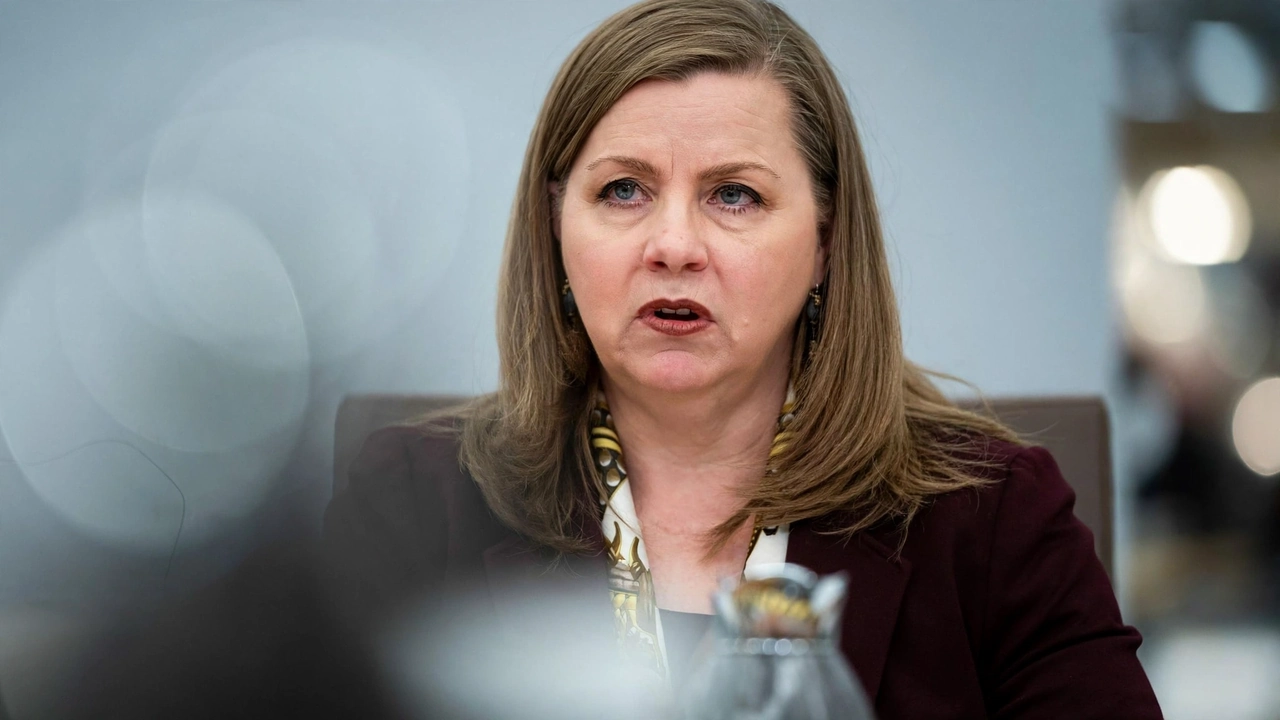
Governors Lisa Cook and Cleveland Fed President Beth Hammack dissented, preferring a quarter-percentage-point increase. That decision followed September’s unanimous quarter-point rate increase, documented in the Fed’s September statement.
The contrast illustrates why the newly announced meeting format should be considered separately from the Fed’s current inflation response. In September, the committee raised rates to support its inflation objective. In October, it held rates steady while seeking more information. Neither decision establishes what officials will conclude about the appropriate rate level in 2027.
Warsh’s scheduling announcement addresses how the committee intends to organize future deliberations, not the appropriate direction of the next move. Readers following the October rate hold should therefore avoid treating a strategy-only meeting as evidence that the Fed is preparing to cut rates, raise rates or abandon its inflation target.
The September policy projections provide a separate reference for policymakers’ earlier rate expectations, but projections are not binding commitments. Warsh’s new format could eventually influence how officials assess the longer-term effectiveness of their policy tools.
It does not, by itself, change the federal funds target or determine the direction of Treasury yields and mortgage rates. Those relationships depend on broader economic conditions, anticipated policy decisions and financial-market expectations, as explained in Investozora’s analysis of Treasury yields.
The Next Decision
The Fed’s next scheduled policy meeting is December 8–9, 2026, according to its published calendar. Before then, policymakers will have additional information to assess inflation, employment, spending and the effects of September’s tightening.
Meanwhile, the institutional implications of Warsh’s meeting overhaul extend beyond the immediate policy cycle. The key questions are which 2027 meeting becomes strategy-only, how the committee will disclose its discussions and whether the dedicated sessions lead to identifiable changes in its longer-term monetary policy approach.
The proposed 2028 structure raises an additional question about whether six regular rate-setting meetings will eventually become a lasting feature of the Fed’s calendar. Warsh described that arrangement as an expectation, not an indefinitely established schedule.
The strongest conclusion from the October 28 announcement is therefore narrow but meaningful: the Fed intends to devote more of its scheduled deliberations to monetary policy strategy while reserving fewer meetings for routine interest-rate decisions. Whether that leads to better policy decisions, different communication practices or a lasting institutional reform remains to be established.