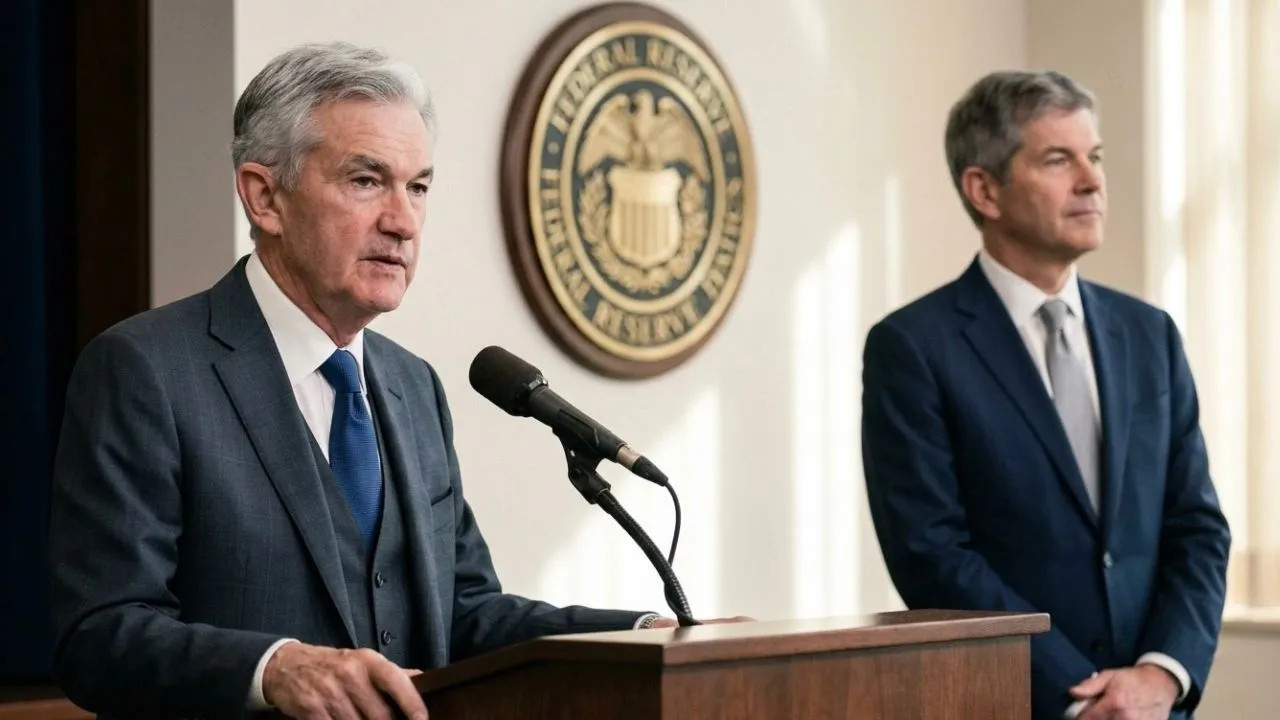


The Federal Reserve’s September meeting minutes, released Wednesday, October 7, showed that most policymakers considered another interest-rate increase likely appropriate before the end of 2026, although officials emphasized that future decisions would depend on incoming economic data.
The minutes provide a fuller account of the Fed’s September 15–16 meeting, when policymakers unanimously raised the federal funds target range by 25 basis points to 3.75%–4.00%. They show broad agreement that inflation remained too high, but differences over whether additional tightening was needed to protect against future risks or address inflation already embedded in the economic outlook.
The expectation of another increase was not entirely new. The Fed’s September economic projections had already raised the median projected federal funds rate for the end of 2026 to 4.1%, compared with 3.8% in June.
The newly released minutes explain the reasoning behind that outlook. Many participants considered a higher rate path prudent as protection against persistent inflation caused by stronger demand or further supply disruptions. Others believed tighter policy was necessary even under their most likely economic forecasts.
Several officials also considered the existing policy setting insufficiently restrictive, while a couple had raised their estimates of the neutral interest rate, the level at which monetary policy neither stimulates nor restrains the economy.
These distinctions matter because officials can agree on a rate increase while holding different views about how much additional tightening will eventually be required.
Inflation remained the main concern. According to the September FOMC discussion, policymakers cited higher energy costs linked to geopolitical developments, surging artificial intelligence investment and continuing price pressures in parts of the services and goods sectors.
Some officials warned that AI-related investment could push overall demand ahead of available supply, adding inflation pressure even as technology spending supports economic growth.
The Fed’s staff also revised its inflation outlook higher for 2026 through 2028 compared with July. It projected inflation would return to the central bank’s 2% objective in 2029, reflecting the possibility of a prolonged period of above-target price growth.
At the same time, officials generally viewed labor-market conditions as stable and economic activity as expanding solidly. A majority believed the labor market had strengthened somewhat, although some pointed to unusually low hiring and layoffs as signs of limited labor-market dynamism.
The contrast with July is significant. In the July 28–29 meeting minutes, most participants supported keeping rates unchanged, while several favored an immediate quarter-point increase. By September, all participants supported raising rates, and most considered another increase likely appropriate by year-end.
For investors, the distinction between the Fed’s September outlook and its next decision remains important. The September projections showed a median year-end policy rate of 4.1%, but those projections are individual assessments rather than binding decisions.
Investozora’s earlier analysis of the September Fed decision and dot plot examined how the higher projected rate path could extend into 2027. The minutes now clarify why officials considered that path appropriate.
A further increase would directly affect the Fed’s benchmark target range. Its eventual impact on mortgages, business borrowing, credit cards and savings accounts would depend on how lenders, deposit-taking institutions and financial markets respond. The Federal Reserve’s meeting calendar lists October 27–28 and December 8–9 as the remaining policy meetings of 2026.
The central unresolved question is whether inflation and employment data released after the September meeting will support another increase. The October 7 minutes establish what most officials considered appropriate in September, not what the committee has decided to do next.