
The September 16 move marked the Fed’s first rate increase since 2023 and reversed the holding pattern that had kept the benchmark range at 3.50% to 3.75%. The decision immediately shifts attention to whether policymakers expect rates to remain near 4% through 2027.
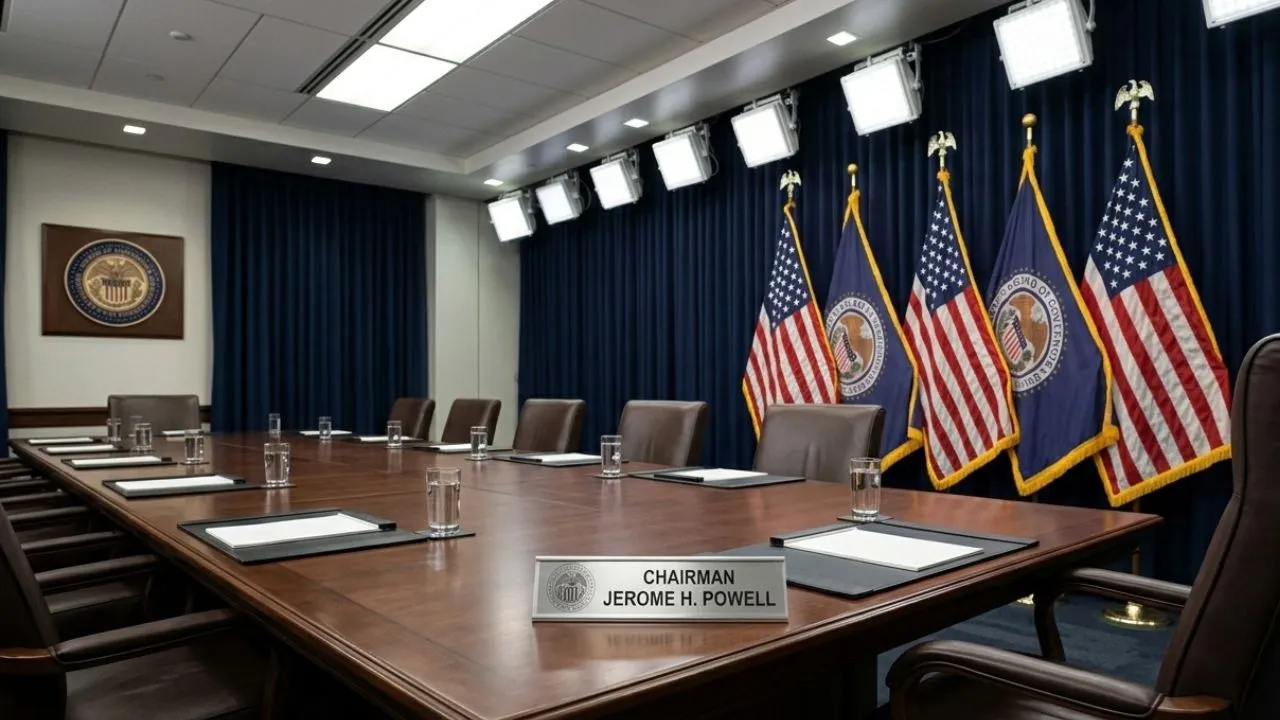
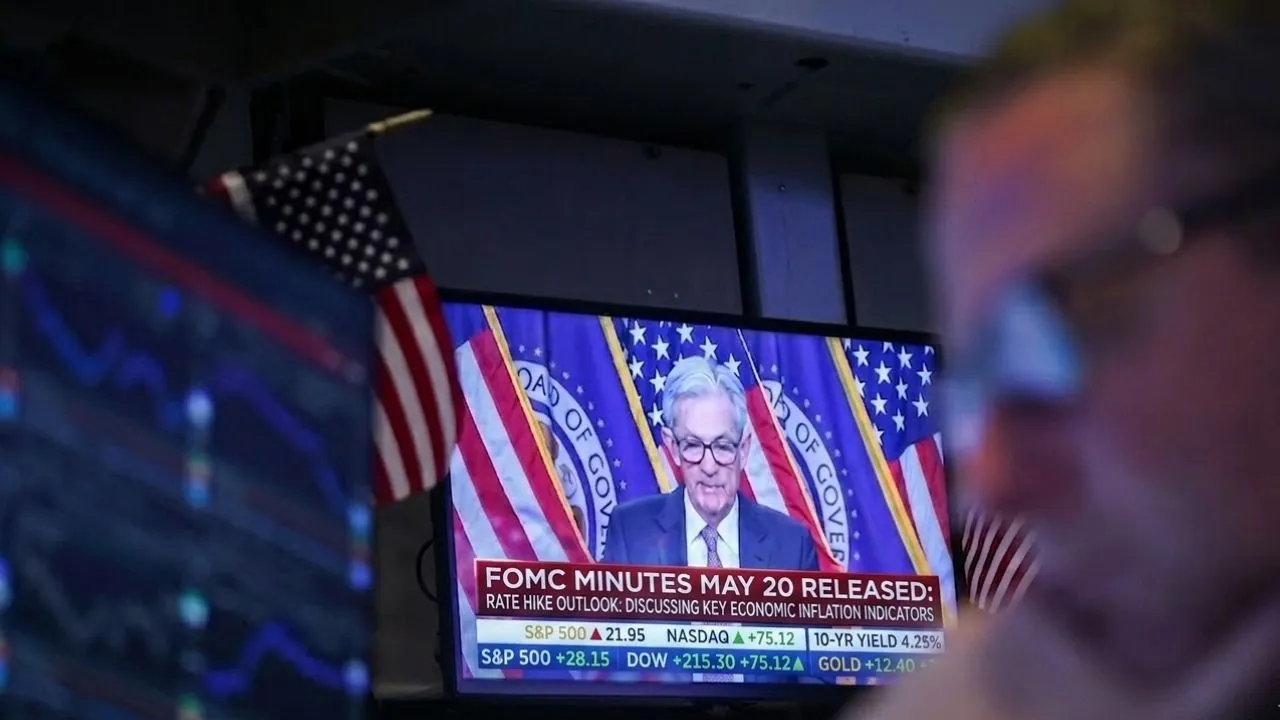
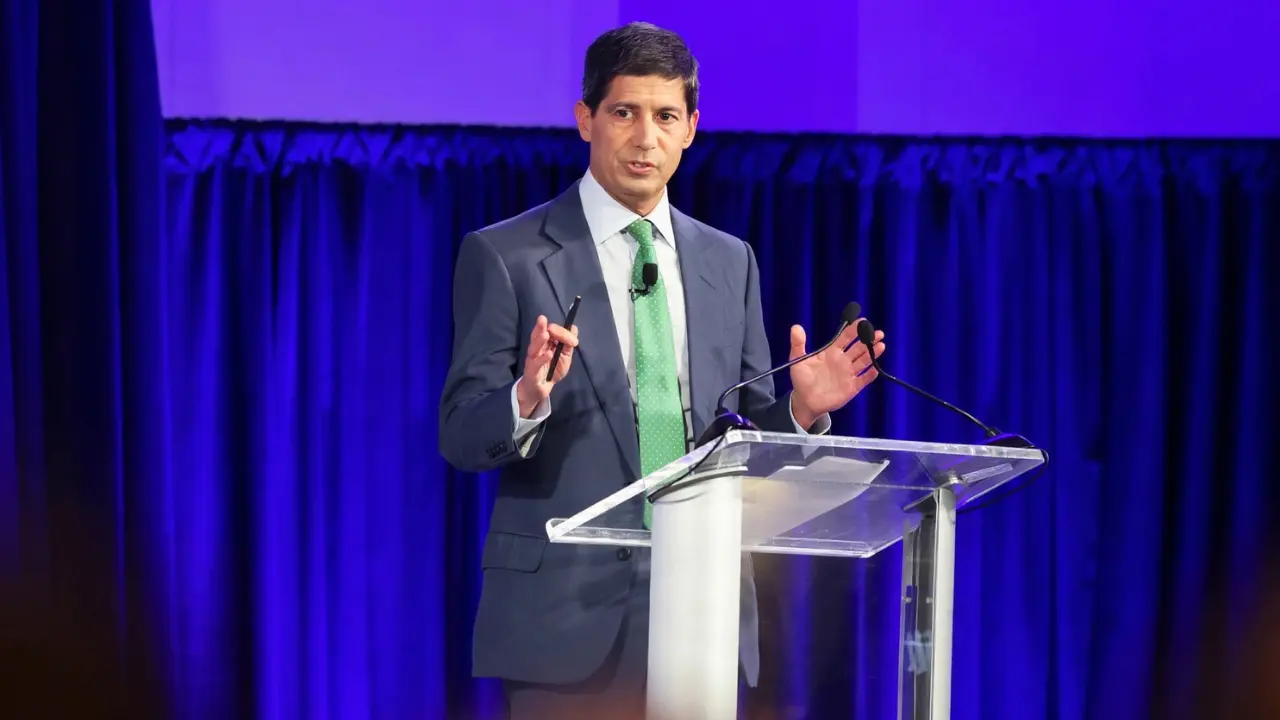
The Federal Open Market Committee announced its rate decision at 2 p.m. Eastern on September 16 after a two-day meeting, followed by Chair Kevin Warsh’s press conference at 2:30 p.m.
The Fed also released a new Summary of Economic Projections, including the closely watched dot plot showing each participant’s view of the appropriate path for interest rates. The projections are not promises or a preset policy path, but they provide the clearest snapshot of how officials currently see rates evolving after Wednesday’s increase.
The 2027 column is now one of the most important parts of the September decision because it shows how much policymakers’ medium-term rate outlook has changed since June. The question is no longer whether the Fed will raise rates in September—the increase has happened—but how long officials expect the higher-rate environment to last.
That is distinct from the immediate rate decision itself. Investozora’s broader September Fed decision analysis examines how the September increase changes the Fed’s policy outlook.
The new issue at this meeting is how much the Fed’s medium-term rate outlook has changed. The starting point is unusually clear. In the Fed’s June 2026 Summary of Economic Projections, the median projected federal funds rate was:
- 3.8% at the end of 2026
- 3.6% at the end of 2027
- 3.4% at the end of 2028
- 3.1% over the longer run
Those June numbers now provide the baseline for interpreting Wednesday’s new projections. The September SEP raised the median federal funds rate projection to about 4.1% for both the end of 2026 and the end of 2027, compared with 3.8% and 3.6%, respectively, in June. That shift shows policymakers now expect tighter policy to persist considerably longer than they anticipated three months ago.
Those medians were already substantially higher than the projections issued only three months earlier. In March, the median federal funds rate projection had been 3.4% for 2026, 3.1% for 2027 and 3.1% for 2028. That means the June SEP lifted the 2027 median by 0.5 percentage point, from 3.1% to 3.6%.
The shift was not isolated from the Fed’s inflation outlook. June projections also raised the median forecast for 2026 PCE inflation to 3.6% from 2.7% in March, while the core PCE inflation forecast moved to 3.3% from 2.7%.
Investozora’s Fed dot plot guide explains an important limitation: each dot represents one FOMC participant’s individual judgment about appropriate monetary policy. The dots are anonymous and do not commit the committee to a future decision.
What matters now is how those individual judgments changed from June. Several important pieces of economic information arrived between the June and September projection meetings, including a stronger-than-expected retail sales report that Investozora covered in its Fed rate decision and retail sales analysis.
Wednesday’s increase therefore represents a clear policy change from July, when the committee held rates steady despite several officials favoring tighter policy. The July FOMC statement shows that Beth Hammack, Neel Kashkari and Lorie Logan dissented because they preferred an immediate quarter-point rate increase.
Inflation has remained elevated. The Bureau of Economic Analysis reported in its July Personal Income and Outlays release that the PCE price index was 3.7% higher than a year earlier in July, while core PCE inflation was 3.3%.
The Fed did not have an official August PCE reading when policymakers voted September 16. BEA has scheduled that report for September 30, so officials instead entered the meeting with newer consumer and producer inflation data.
The Bureau of Labor Statistics reported in its August CPI release that consumer prices rose 0.4% in August after increasing 0.1% in July. Headline CPI inflation remained 3.4% from a year earlier. Core CPI rose 0.3% during August and 2.4% over 12 months.
One day earlier, BLS reported in its August Producer Price Index release that final-demand producer prices increased 0.4% during the month and 5.4% from a year earlier.
The labor data have not shown the kind of deterioration that would make the inflation side of the Fed’s mandate easy to ignore. The August employment report showed nonfarm payrolls increasing by 162,000 while the unemployment rate remained at 4.1%. BLS also revised June and July payroll growth higher by a combined 55,000 jobs.
Taken together, those releases formed the economic backdrop for Wednesday’s rate increase and help explain why policymakers entered the September meeting facing stronger inflation pressure than when they produced their June projections.
That makes the new 2027 dots especially important. Wednesday’s rate increase tells investors what the Fed is doing now; the projections show how long policymakers believe restrictive policy may need to remain in place.
The Fed has now made that first move. The quarter-point increase lifts the target range from 3.50%–3.75% to 3.75%–4.00%, putting the midpoint of the new range at 3.875%.
That makes the September dot plot more consequential. Instead of asking what policymakers might do if rates increased, investors can now compare the Fed’s actual new starting point with officials’ projected rates at the end of 2026 and 2027.
A 2027 projection near the current range would indicate that policymakers expect the higher-rate environment to persist well beyond this meeting. A meaningfully lower projection would imply eventual easing after the current tightening phase.
They also illustrate why the September projection could matter more for bond markets and borrowing expectations than the first few seconds of the rate announcement itself.
Wednesday’s decision resolves the immediate uncertainty around the September meeting. The Fed chose a quarter-point increase, moving policy from the previous 3.50%–3.75% range to 3.75%–4.00%. Attention now turns from whether the Fed would hike to whether additional tightening will be needed later this year or in 2027.
But the quarter-point increase does not answer the next—and potentially more important—question: how long the Fed expects rates to remain this high.
The economic projections released alongside the dots may explain why the path changed. In June, the median Fed participant projected 2027 PCE inflation of 2.3%, core PCE inflation of 2.5%, unemployment of 4.3% and real GDP growth of 2.3%.
Investors should now compare the new September rate path with the Fed’s updated inflation, unemployment and growth forecasts. Those projections can help explain why officials believe rates must remain at their new level—or potentially move higher even after Wednesday’s increase.
A higher rate path paired with higher projected inflation would point toward a more persistent price-pressure problem in policymakers’ forecasts. A higher rate path without a comparable inflation revision could indicate that officials believe policy must remain restrictive for longer for other reasons.
Those interpretations should now be tested against the September SEP itself, including the updated inflation, growth and unemployment projections released alongside the rate decision.
For households, there is now a new Fed rate to absorb. The federal funds target range has risen to 3.75% to 4.00%, although mortgage rates, Treasury yields, savings rates and credit-card rates do not automatically move by the exact same amount or at the same time.
Wednesday’s decision delivered three separate signals: the Fed raised rates by 25 basis points, policymakers released a new projected rate path, and Chair Kevin Warsh began explaining how the committee sees the balance between persistent inflation and economic growth. The immediate decision is now clear. The federal funds target stands at 3.75% to 4.00%.
The bigger question coming out of the meeting is what happens next. The September dot plot gives investors their first official look at whether policymakers believe today’s inflation problem will require rates to stay near current levels well into 2027 or whether easing could eventually return if price pressures weaken. That shift from an expected decision to an actual rate increase is now the central story of the September Fed meeting.