
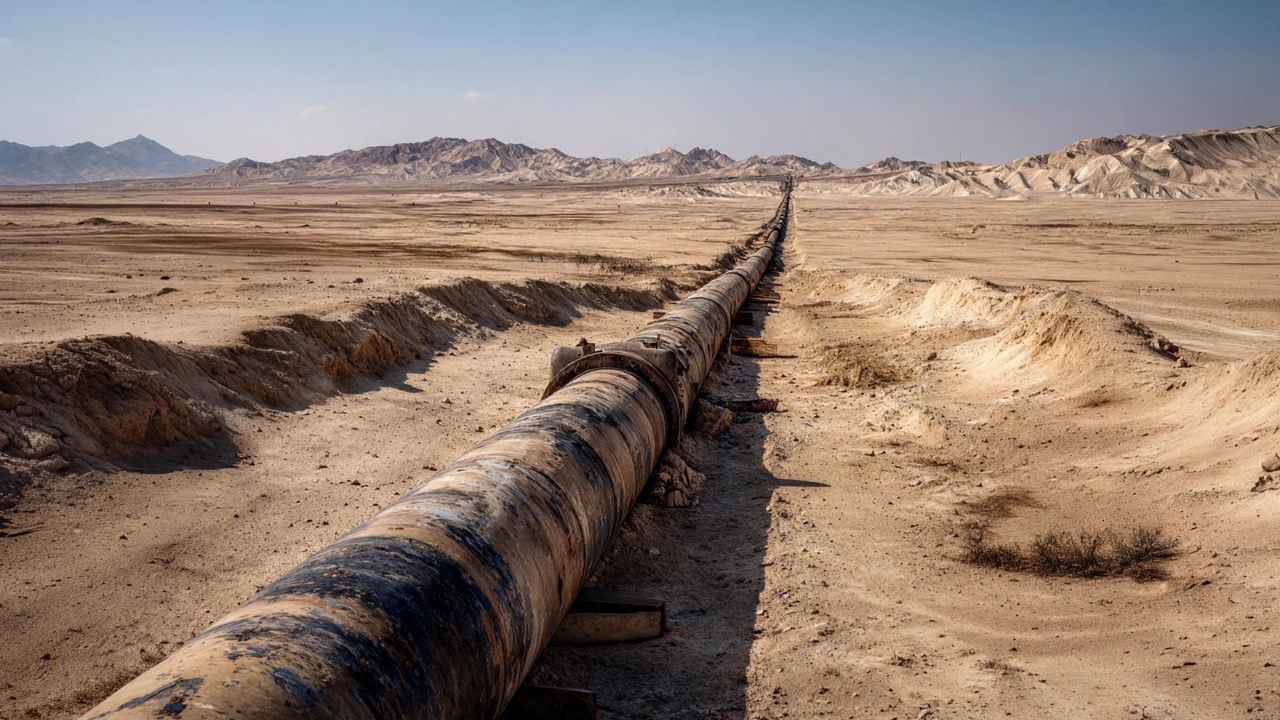
Saudi Arabia has shut down its East–West oil pipeline after multiple attacks, adding a new energy-supply risk just days before the Federal Reserve begins its September policy meeting.
The development does not mean U.S. inflation will automatically rise or that the Fed will raise interest rates. But it removes some certainty from an already difficult inflation outlook at a moment when U.S. gasoline prices have been rising and policymakers are preparing to decide what to do with rates.
Saudi Arabia’s Ministry of Energy said the East–West Pipeline in the Riyadh and Madinah regions was attacked on the morning of Thursday, Sept. 10. The government said the pipeline was shut as a precaution while emergency and technical teams assessed its safety. Injuries were reported.
Saudi Arabia later said several drones used in the attack were launched from Iraq. In its official statement on the East–West Pipeline attack, the Saudi Foreign Ministry said the attacks caused injuries and damage that was being addressed.
The kingdom has not publicly established how long the pipeline will remain shut. That uncertainty is the most important new economic issue. The East–West system moves Saudi crude from the country’s eastern oil-producing region toward the Red Sea, giving the kingdom an alternative route when shipping through the Persian Gulf is disrupted.
Reuters reported that the pipeline can move up to about 5 million barrels per day and has become particularly important during the disruption surrounding the Strait of Hormuz. The attack therefore comes at a sensitive point for an oil market already dealing with reduced Gulf supply and security problems across major shipping routes.
Brent crude settled Friday at $104.61 a barrel, while U.S. West Texas Intermediate closed at $100.05. Brent finished the week more than 8% higher despite falling on Friday as traders reacted to reports of possible diplomatic progress around shipping through the Strait of Hormuz.
The pipeline shutdown does not establish that oil prices will move higher when markets reopen. Diplomatic developments, repairs, alternative Saudi export capacity, global demand and the duration of the shutdown could all move prices in either direction.
But it creates another supply-side risk at exactly the point when energy inflation is already visible in U.S. consumer prices. The latest Consumer Price Index showed prices rising 0.4% in August after a 0.1% increase in July. Inflation remained 3.4% from a year earlier.
More importantly for the pipeline story, gasoline prices rose 3.9% during August and accounted for more than one-third of the monthly increase in the overall CPI. The broader energy index increased 2.1%, according to the Bureau of Labor Statistics August CPI release.
Core prices, excluding food and energy, rose 0.3% during the month and 2.4% over the year. That means the Fed was already facing renewed energy pressure before the full consequences of the Saudi pipeline attack were known.
Investozora’s analysis of Kevin Warsh’s September inflation test examined how Friday’s CPI report complicated the rate decision. The Saudi pipeline shutdown adds a different issue: the possibility that the energy shock lasts longer than policymakers previously expected.
The Federal Reserve cannot repair an oil pipeline, reopen a shipping route or produce additional crude. Its concern is what happens afterward. A temporary increase in oil prices does not necessarily require a monetary-policy response.
But a sustained energy shock can reach households through gasoline and diesel and can move further through transportation, air travel, freight and business costs. The policy problem becomes more serious if those pressures begin affecting broader prices or inflation expectations.
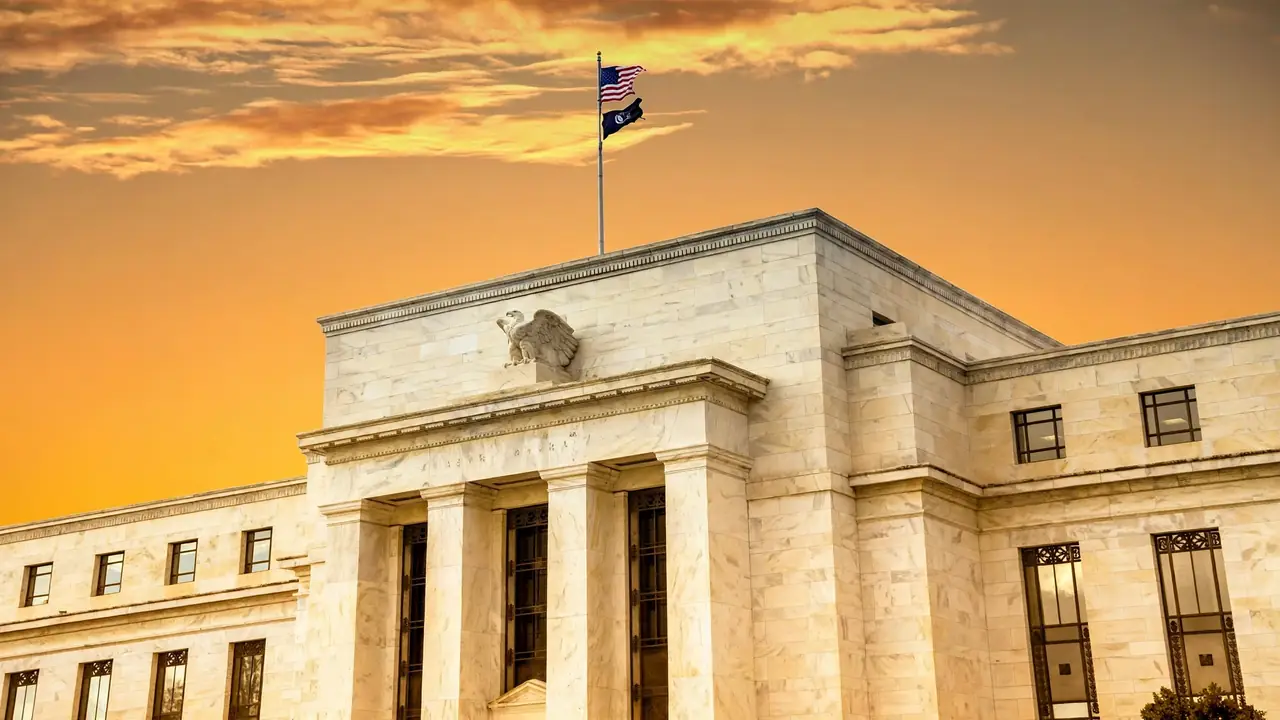
That distinction is important because the Fed’s September meeting is almost here. The Federal Reserve’s official FOMC calendar shows policymakers meeting Tuesday and Wednesday, Sept. 15–16. The policy statement is scheduled for 2 p.m. ET Wednesday, followed by the chair’s press conference at 2:30 p.m. ET.
The attack does not change the August CPI numbers the Fed has already received. That reporting period has ended. Instead, it changes the forward-looking question facing policymakers: whether the energy pressure already appearing in August inflation could persist into September and beyond.
That is materially different from the situation Investozora examined earlier this month when oil above $90 was raising September rate-hike risks. At that point, higher crude prices were primarily a market and geopolitical risk.
Saudi Arabia has now confirmed physical attacks on one of its major oil-transport systems and an actual precautionary shutdown. The wider supply backdrop was already deteriorating before this attack.
The International Energy Agency’s September oil-market assessment was released Friday. Reuters, reporting from the IEA data, said Saudi crude supply fell by 2.3 million barrels per day in August to about 6 million barrels per day, its lowest level in more than three decades.
That does not mean all of that lost production was caused by the latest pipeline attack. The Sept. 10 attack happened after August ended. The figures instead show that the new shutdown is hitting an oil system that was already under significant strain.
For U.S. households, there is no immediate change to a federal payment, tax rule or benefit because of the Saudi attack. The most direct potential exposure is through energy prices, especially gasoline and diesel, if global crude and refined-product prices remain elevated.
Borrowers face a separate indirect risk. If persistent energy pressure makes the Fed less confident that inflation is moving sustainably toward its 2% objective, interest rates could remain higher for longer or monetary policy could become tighter than it otherwise would have been. That remains a conditional outcome, not a confirmed consequence of the attack.
The next development to watch is therefore not simply the price of oil. Saudi authorities have not yet announced when the East–West Pipeline will return to normal operation.
The length of the shutdown, the extent of the damage, any further attacks, changes in shipping through the region and the oil market’s response when trading resumes will determine whether this becomes a short disruption or a more important inflation event. For the Fed, that uncertainty arrives at an unusually difficult time.
August inflation has already shown renewed gasoline pressure. Oil ended the week above $100 a barrel. And now one of Saudi Arabia’s important alternative oil routes has been shut following a confirmed attack.
The pipeline attack does not decide Wednesday’s Fed decision. It does, however, give policymakers one more reason to question how quickly America’s latest energy-driven inflation pressure will fade.