The Federal Reserve Chair is selected through a federal appointment process involving both the president and the U.S. Senate. The president designates a member of the Federal Reserve Board of Governors to serve as Chair, and the Senate must confirm that designation. The Chair serves a four-year leadership term, separate from the person’s term as a Federal Reserve governor.
That distinction is central to understanding how Federal Reserve leadership works. Becoming Fed Chair is not simply a presidential appointment to a standalone office. The person must also hold a seat on the seven-member Board of Governors, either already or through a Board appointment made alongside the Chair nomination.
The process combines presidential selection, Senate scrutiny, statutory qualifications, and the institutional structure Congress created to give the Federal Reserve a degree of insulation from short-term political pressure.
How is the Federal Reserve Chair selected?
The Federal Reserve Chair is designated by the president from among the members of the Board of Governors and must receive the advice and consent of the Senate.
Section 10 of the Federal Reserve Act provides the legal foundation. It establishes a seven-member Board of Governors, with members appointed by the president and confirmed by the Senate. One of those members is designated by the president, again with Senate confirmation, to serve as Chair for a four-year term.
In practical terms, the process generally follows this sequence:
| Stage | Main Institution | What Happens |
|---|---|---|
| Candidate selection | President | A candidate is chosen for Federal Reserve leadership |
| Formal nomination | White House | The nomination is transmitted for Senate consideration |
| Committee consideration | Senate Banking Committee | Senators examine the nominee’s background and policy views |
| Committee action | Senate Banking Committee | The committee may vote on whether to advance the nomination |
| Senate consideration | Full Senate | Senators consider and vote on confirmation |
| Appointment and qualification | Executive/Federal Reserve | The confirmed nominee completes the required steps for office |
| Chair term begins | Board of Governors | The person serves the four-year Chair term |
This table is an Investozora summary of the statutory appointment structure and Senate confirmation process. The controlling legal requirements come from the Federal Reserve Act and Senate procedures. Readers who first want to understand the institution being led can see our guide to the Federal Reserve System.
Does the president directly appoint the Federal Reserve Chair?
The president chooses the nominee, but presidential selection alone does not place someone in the Chair’s office. The Constitution’s appointment system and the Federal Reserve Act require Senate participation. Under the Federal Reserve Act, the Chair is designated by the president “by and with the advice and consent of the Senate.”
That means the executive branch initiates the selection, while the legislative branch has a confirmation role.
The same general structure applies to membership on the Board of Governors. The president nominates Board members, but the Senate must confirm them before they can serve in those positions.
This division of responsibility is one reason the phrase “Fed Chair appointment” can be misleading if interpreted as a unilateral presidential decision. A more precise description is presidential nomination followed by Senate confirmation.
Does a Fed Chair nominee have to be a Federal Reserve governor?
Yes. The Chair must be selected from the membership of the Board of Governors. A person can already be serving as a governor when nominated for Chair. Alternatively, someone outside the Board can be nominated for a Board seat and for the Chair position as part of the appointment process.
Federal Reserve materials explain that nominees for the Chair, Vice Chair, and Vice Chair for Supervision must already be Board members or must be appointed to the Board at the same time. This creates two legally distinct positions:
Board membership: a seat on the Board of Governors. Chairmanship: a leadership designation held by one Board member.
Someone cannot simply become Chair without satisfying the Board-membership requirement. Our Federal Reserve governors guide explains the broader structure and responsibilities of the seven-member Board.
How long is the Federal Reserve Chair’s term?
The Federal Reserve Chair serves a four-year term in the leadership position. Federal Reserve law permits a Chair to be redesignated and confirmed for additional terms, provided the person remains legally eligible to serve on the Board.
This four-year leadership term should not be confused with the much longer term attached to Board membership. A governor can receive a term of up to 14 years under the statutory structure, while the Chair designation lasts four years.
The difference can be illustrated simply:
| Position | Standard Term |
|---|---|
| Federal Reserve Governor | Up to 14 years |
| Federal Reserve Chair | 4 years |
| Federal Reserve Vice Chair | 4 years |
| Vice Chair for Supervision | 4 years |
The leadership term therefore can expire while the person’s underlying Board term continues. That has happened in practice. A person can cease serving as Chair yet remain legally entitled to serve as a governor if the Board term has not expired.
Why do Federal Reserve governors have 14-year terms?
The lengthy and staggered terms are designed to reduce the Federal Reserve’s exposure to short-term political pressure. Under the statutory structure, the seven governor positions have staggered terms, with a regular Board term expiring every two years.
The Federal Reserve itself explains that lengthy terms and staggered appointments contribute to insulating the Board and the wider Federal Reserve System from day-to-day political pressures.
This does not mean the Federal Reserve operates without democratic accountability. Congress created the institution, establishes its statutory responsibilities, receives testimony from Federal Reserve officials, and requires extensive reporting.
At the same time, monetary policy decisions are designed to be made without requiring approval from the president or Congress each time the Federal Open Market Committee acts. That balance is examined more fully in our guide to Federal Reserve independence.
What role does the Senate Banking Committee play?
The Senate Committee on Banking, Housing, and Urban Affairs is the principal committee that examines Federal Reserve Board nominees before the full Senate considers confirmation.
A nomination hearing gives senators an opportunity to question the nominee publicly about monetary policy, banking supervision, inflation, employment, financial stability, Federal Reserve independence, and other responsibilities of the institution.
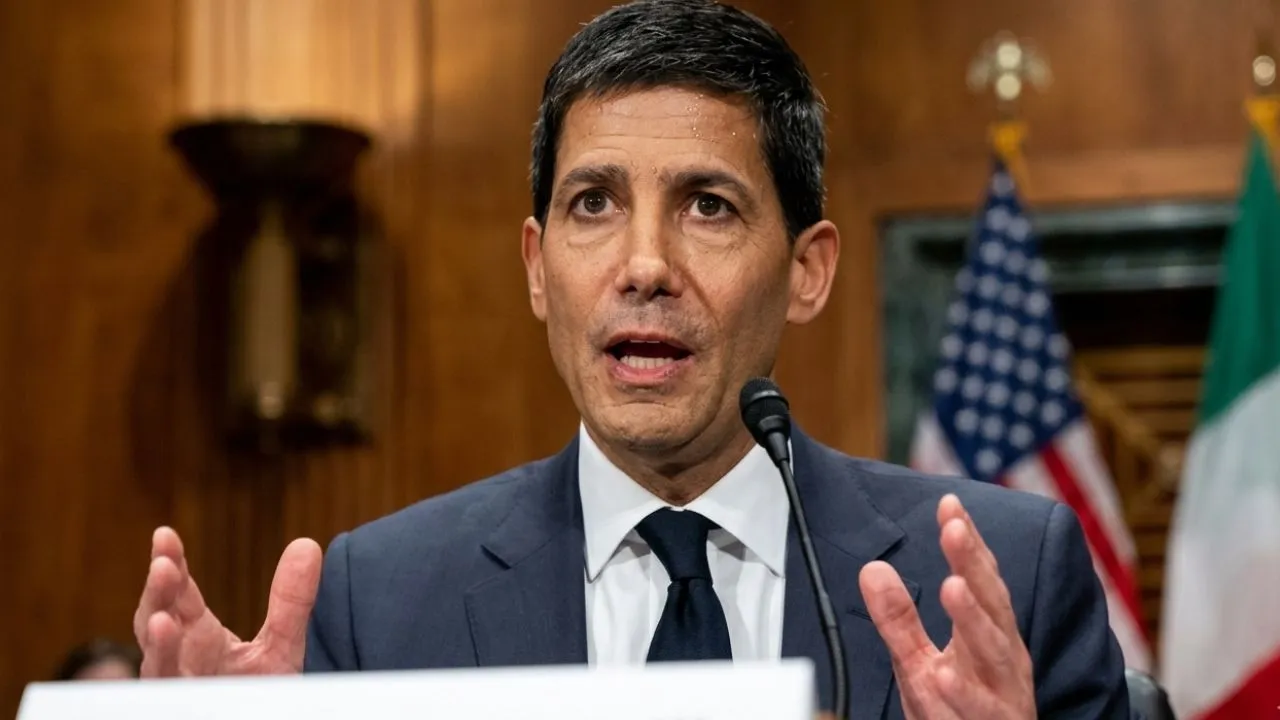
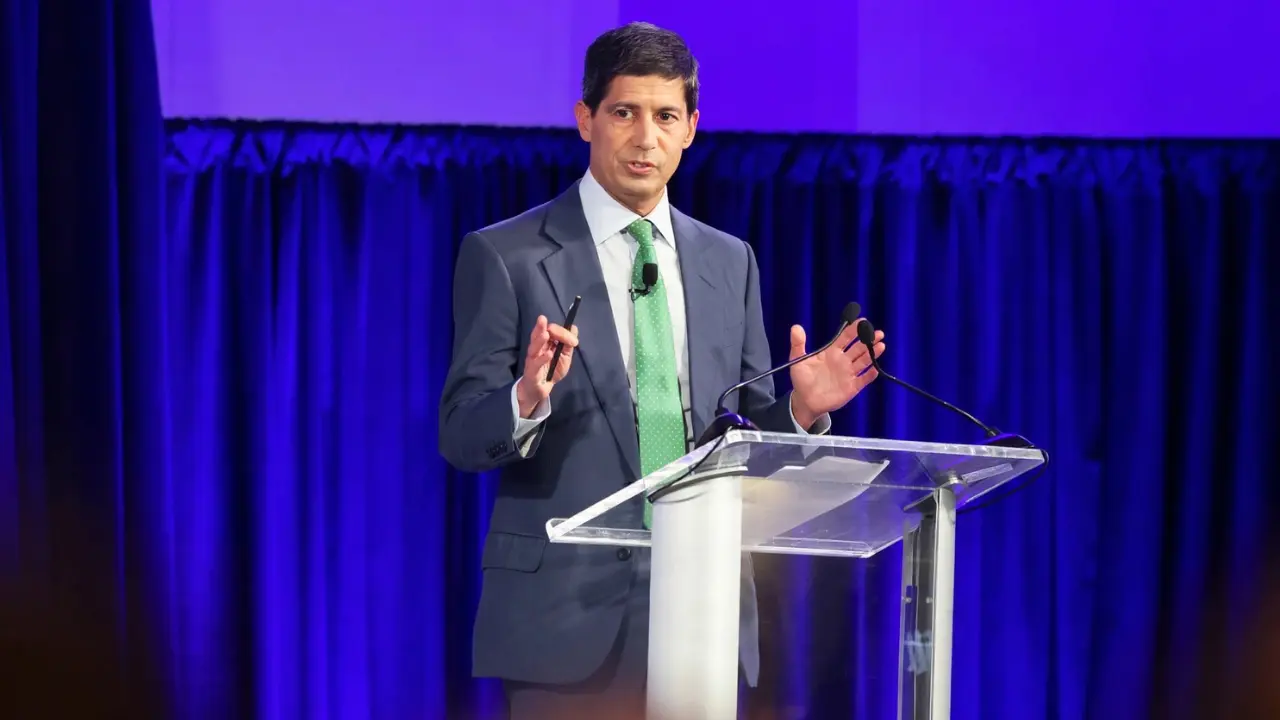
A recent example illustrates the process. In April 2026, the Senate Banking Committee held an open nomination hearing for Kevin Warsh as a nominee to be both a member and Chairman of the Board of Governors. The committee’s official nomination hearing record identified him as “Member and Chairman Designate.”
The hearing is therefore not itself confirmation. It is one stage in Senate consideration before the nomination can ultimately be acted upon by the full chamber.
Does the Senate confirm the Fed Chair separately from Board membership?
It can. Because membership on the Board and designation as Chair are legally distinct positions, a candidate who is not already a governor may need Senate approval relating to both the Board seat and the Chair designation.
This is why nomination records sometimes describe a candidate as being nominated both to be a member of the Board of Governors and to be Chairman.
By contrast, when a sitting governor is selected for Chair, the person’s existing Board membership may not require a new confirmation simply because of the Chair designation. The Chair nomination itself still requires Senate confirmation. The distinction matters because the two terms can also end on different dates.
Example of two separate terms
Suppose a governor’s Board term runs until January 31, 2040. If that governor receives a Chair term running from 2026 through 2030, the Chair designation ends in 2030 even though the Board seat potentially continues until 2040.
The person could potentially be nominated for another Chair term or could remain on the Board without being Chair, subject to the governing rules and circumstances.
Can a Federal Reserve Chair serve more than one term?
Yes. Federal Reserve law does not limit the Chair to a single four-year term. A sitting Chair can be nominated again by the president and confirmed again by the Senate, provided the individual remains eligible to serve on the Board.
Historical Federal Reserve records show several Chairs serving for much longer than four years through repeated designations. For example, William McChesney Martin Jr. served from 1951 until 1970, while Alan Greenspan served from 1987 until 2006.
The Federal Reserve’s official historical Board membership records document the leadership terms dating back to the modern Board structure created in 1935. A four-year Chair term therefore represents the duration of each individual appointment, not a lifetime maximum.
What happens when a Fed Chair’s four-year term expires?
Expiration of the Chair term does not automatically mean the individual leaves the Federal Reserve. The result depends on the person’s separate Board term and whether the president chooses to nominate that individual for another term as Chair.
There are several possible outcomes:
- The sitting Chair is nominated and confirmed for another four-year leadership term.
- A different Board member is nominated and confirmed as Chair.
- A new person is nominated both to the Board and to the Chair position.
- The outgoing Chair remains a governor because the person’s Board term continues.
- The outgoing Chair leaves the Board even though some portion of the governor term may remain.
The crucial point is that the Chair term and governor term operate separately. Former Chair Jerome Powell provides a useful historical example. The Federal Reserve’s official record states that President Joe Biden renominated Powell in November 2021, the Senate confirmed him on May 12, 2022, and he took the oath for his second Chair term later that month.
Who is the Federal Reserve Chair in 2026?
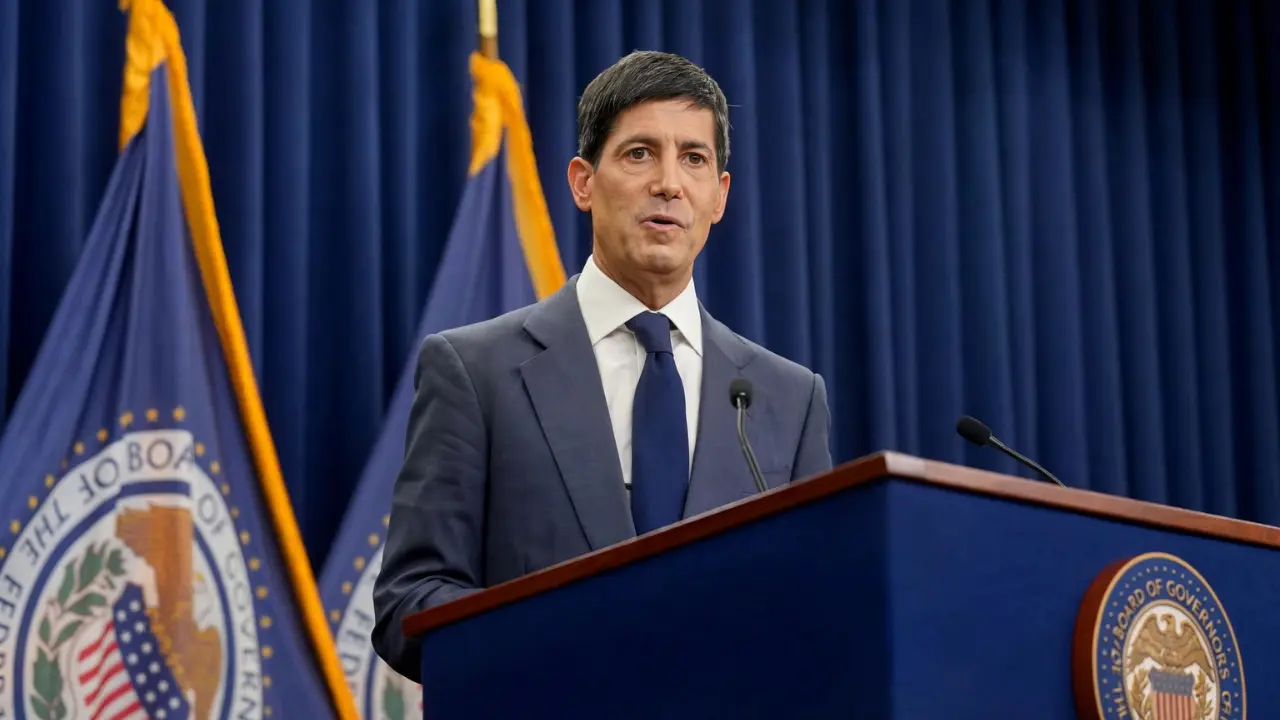
As of August 2026, Kevin Warsh is Chair of the Board of Governors of the Federal Reserve System. The Federal Reserve’s official biography states that Warsh took office as Chair on May 22, 2026. His four-year Chair term ends May 21, 2030, while his underlying term as a member of the Board is scheduled to end January 31, 2040.
That real-world example illustrates why the two-term structure matters: Chair term: May 22, 2026–May 21, 2030. Board term: through January 31, 2040
Those are separate legal appointments with different durations. The current leadership change is covered separately in our article on Kevin Warsh and the Federal Reserve.
Does becoming Fed Chair automatically make someone FOMC Chair?
In practice, the Chair of the Board of Governors also serves as Chair of the Federal Open Market Committee, but these positions arise from different institutional structures.
The Federal Open Market Committee, or FOMC, is the Federal Reserve’s principal monetary-policy body. It includes the seven members of the Board of Governors and Reserve Bank representatives under the structure established by law.
The Federal Reserve’s official biography of the current Chair confirms that Kevin Warsh serves both as Chair of the Board of Governors and Chair of the FOMC.
The FOMC role matters because the committee is responsible for key monetary-policy decisions. However, the Fed Chair does not personally set interest rates. Monetary-policy decisions are made collectively through the Federal Open Market Committee. Our guide to FOMC rate decisions explains that decision-making structure.
What power does the Federal Reserve Chair actually have?
The Chair has substantial institutional influence, but does not control the Federal Reserve alone. Under federal law, the Chair is the active executive officer of the Board, subject to the Board’s supervision. The Chair presides at Board meetings and acts as a major public representative of the institution.
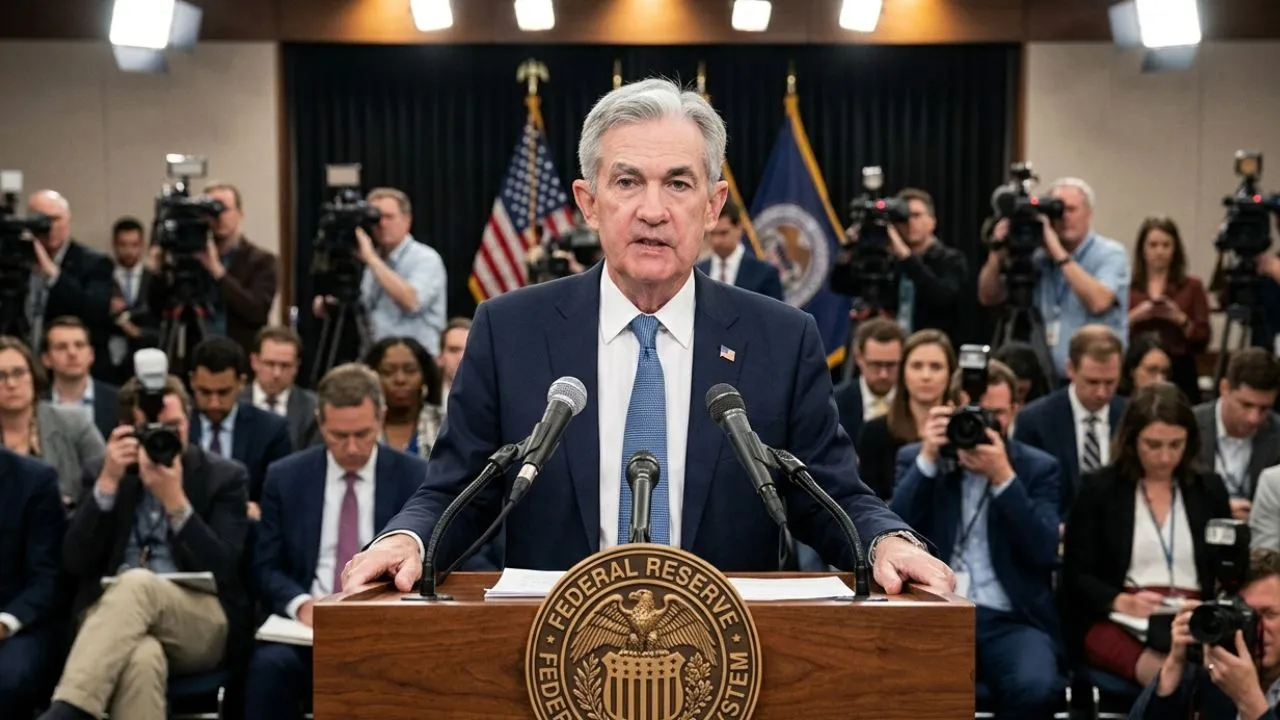
The Chair also has an unusually visible role in monetary-policy communication. After scheduled FOMC meetings, the Chair typically explains monetary-policy decisions publicly and answers questions about the economic outlook, inflation, employment, and financial conditions.
Yet policy decisions depend on votes. The Federal Reserve therefore should not be understood as a system in which one Chair can independently order an interest-rate increase or decrease.
That distinction matters when interpreting headlines about a president choosing a new Fed Chair. A leadership change can influence the direction and communication of policy, but it does not transfer unilateral control of monetary policy to a single individual. Our Federal Reserve policy guide explains how those institutional decisions affect the wider economy.
Can the president choose anyone to lead the Federal Reserve?
The president has considerable discretion in selecting a nominee, but the selection operates within statutory requirements. The Federal Reserve Act requires the Board to contain seven members and provides that no more than one member may be selected from any one Federal Reserve district.
The statute also directs the president to give due regard to fair representation of the country’s financial, agricultural, industrial, and commercial interests and geographic divisions when selecting Board members.
A Chair nominee also needs to be a Board member or simultaneously become one. Finally, Senate confirmation creates an additional institutional constraint: presidential preference alone does not complete the appointment.
Why does the Fed Chair appointment process matter?
The appointment process matters because the Chair occupies one of the most influential economic-policy positions in the United States while operating inside an institution deliberately structured differently from a Cabinet department.
The president selects the nominee, but the Senate must confirm the appointment. Governors can hold long, staggered terms, while the Chair receives a shorter four-year leadership designation. These structural features distribute authority across institutions and across time.
The distinction helps explain why presidential elections do not automatically produce an immediate replacement of the entire Federal Reserve leadership team.
Governors’ terms extend across presidential administrations, and a president may encounter a Board containing members appointed by several predecessors.
Federal Reserve historical records also show that presidents of different parties have at times chosen to retain or renominate existing Chairs rather than selecting an entirely new leader.
Federal Reserve Chair selection process at a glance
The full leadership pathway can be reduced to five essential facts. First, the president selects the candidate. The executive branch initiates the appointment. Second, the Chair must be a Federal Reserve governor. Someone outside the Board must obtain a Board position as part of the process.
Third, the Senate must confirm the Chair designation. Presidential selection alone is insufficient. Fourth, the Chair serves a four-year leadership term. That term is separate from the potentially much longer governor term.
Fifth, the Chair leads but does not govern monetary policy alone. The Federal Reserve’s major policy decisions operate through collective institutions including the Board and FOMC.
The key rule for Federal Reserve Chair appointments
The Federal Reserve Chair appointment is a shared constitutional and statutory process rather than a unilateral presidential selection. The president designates a Chair from among the Federal Reserve governors, and the Senate must confirm that designation.
The Chair serves for four years and may be reappointed, while the underlying Board membership can extend much longer under the Federal Reserve’s staggered 14-year-term structure.
Understanding the separation between nomination, Senate confirmation, Board membership, and the Chair’s four-year leadership term is the key to understanding how Federal Reserve leadership changes actually occur.
For readers moving from leadership structure to policy authority, the next useful step is understanding how the Federal Reserve controls interest rates.