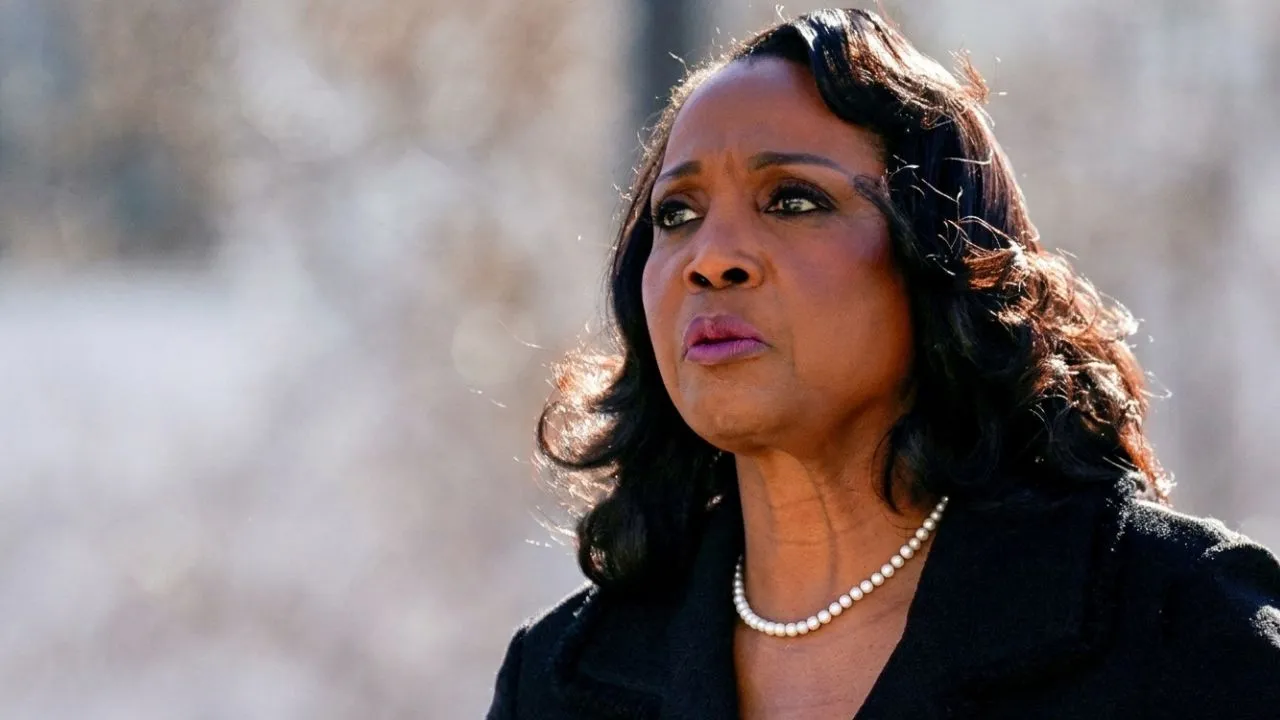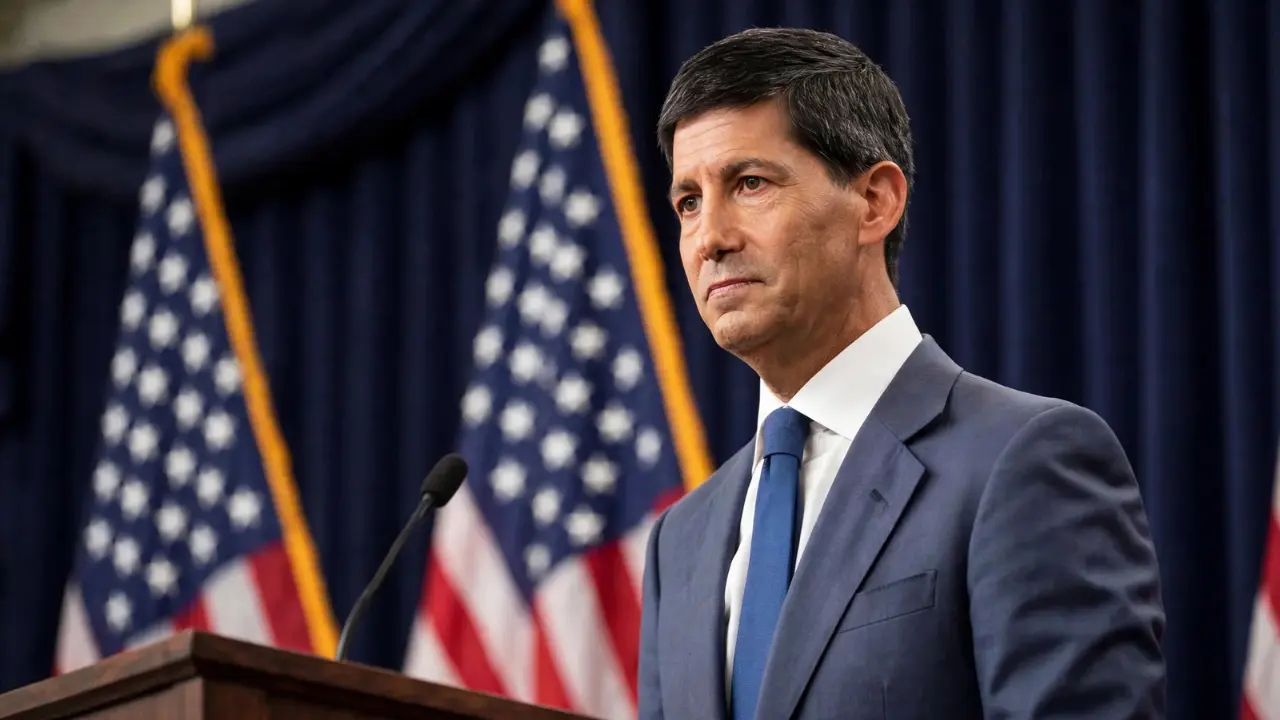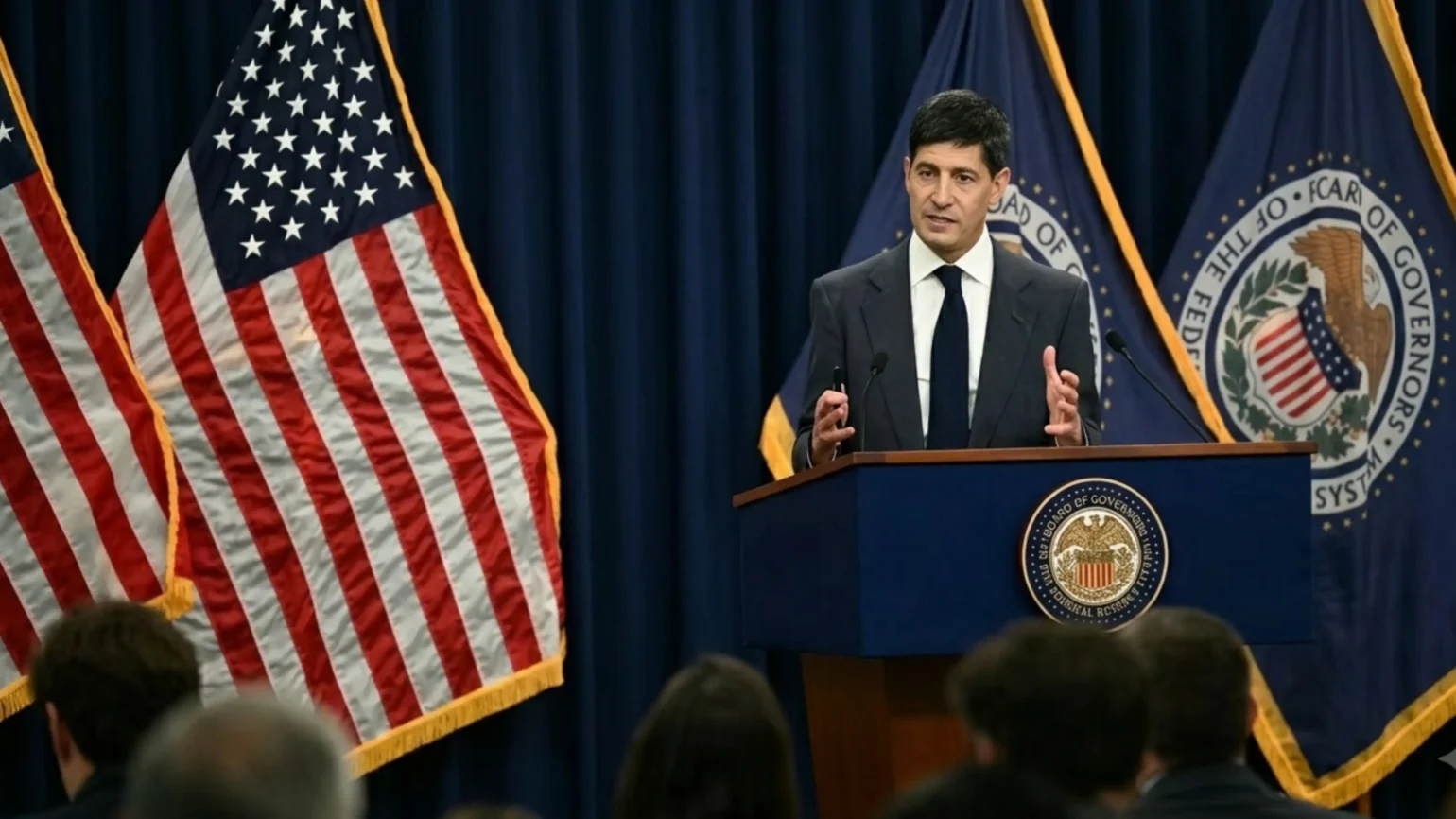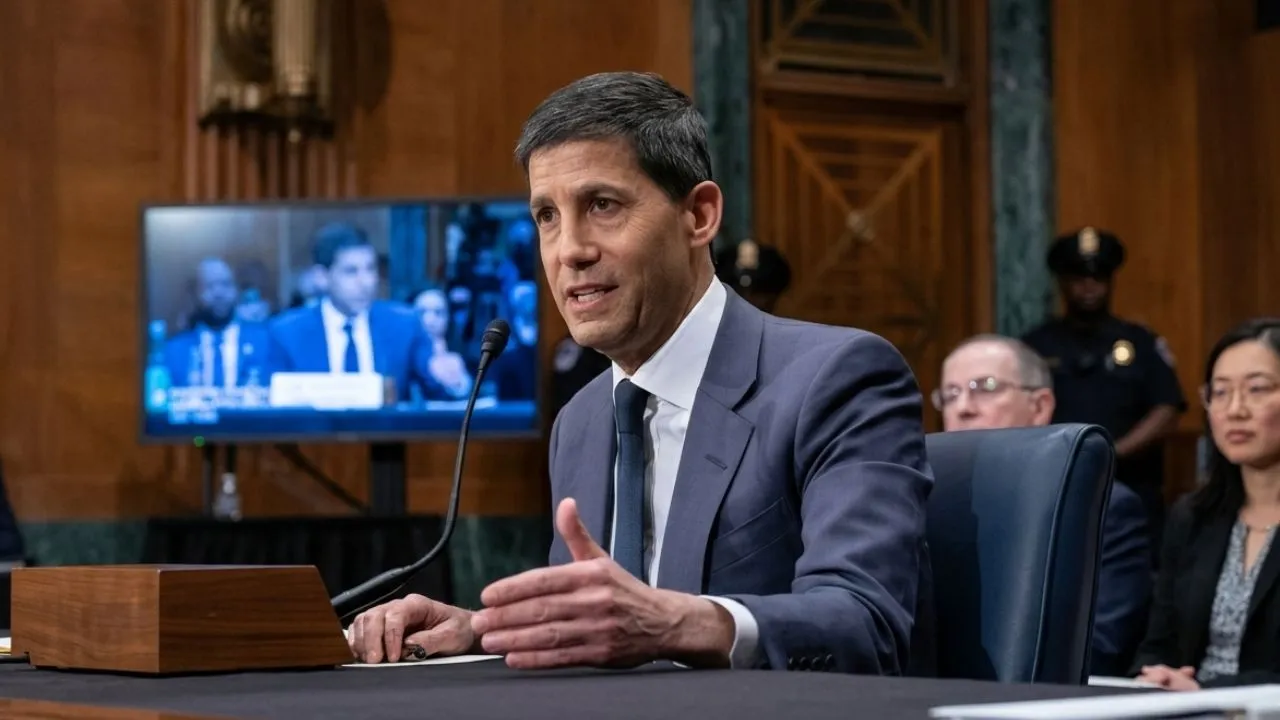

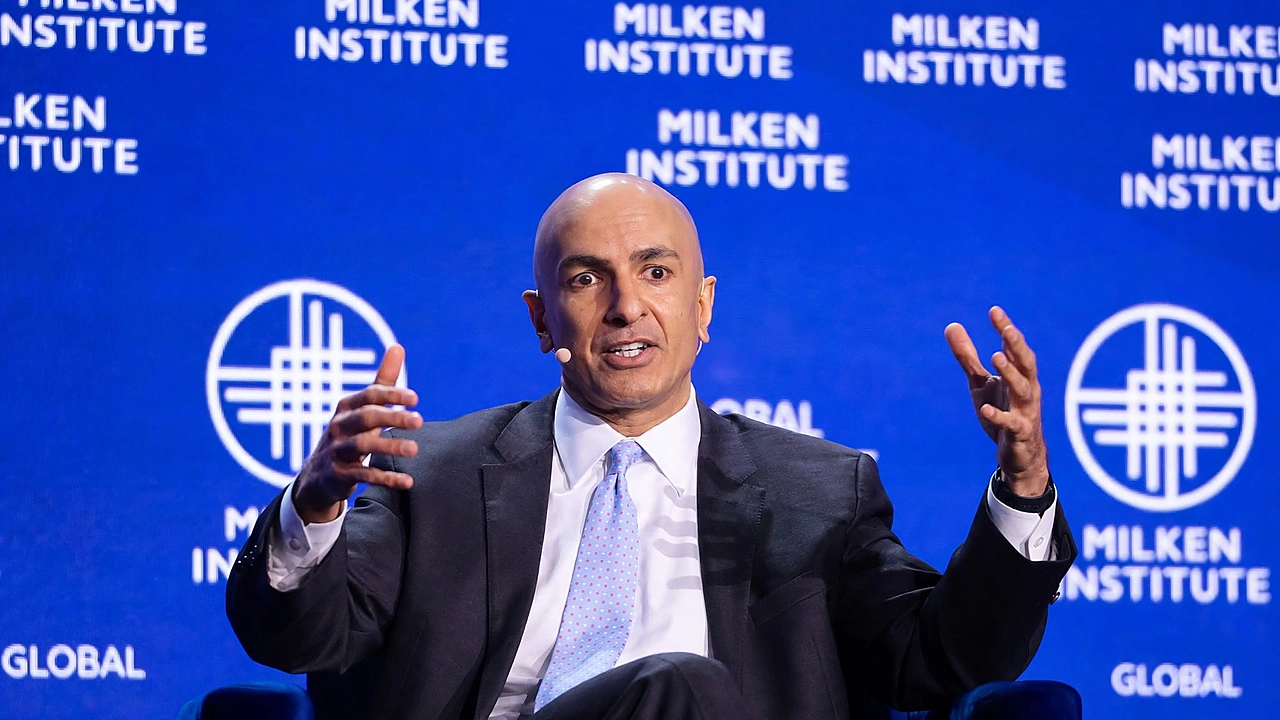
Minneapolis Federal Reserve President Neel Kashkari said Sunday that inflation remains too high across the U.S. economy even after stripping out volatile food and energy prices, reinforcing his view that the Federal Reserve is dealing with broader price pressure rather than an oil shock alone.
Kashkari made the comments during a September 20 appearance on Fox News’ Sunday Morning Futures, days after the Federal Open Market Committee unanimously raised its federal funds target range by a quarter percentage point to 3.75%–4.00%. The original Fox News interview with Kashkari focused on the rate increase, persistent inflation and the strength of the U.S. economy.
Kashkari said that even when energy and food are removed from the inflation picture, underlying inflation is still running too high. His comments matter because the surge in energy costs has complicated the Fed’s inflation problem, raising the question of how much policymakers should respond to price increases caused by supply disruptions that monetary policy cannot directly fix.
The statement does not represent a new Federal Reserve policy decision. It is Kashkari’s own assessment as president of the Minneapolis Fed and an FOMC voting member.
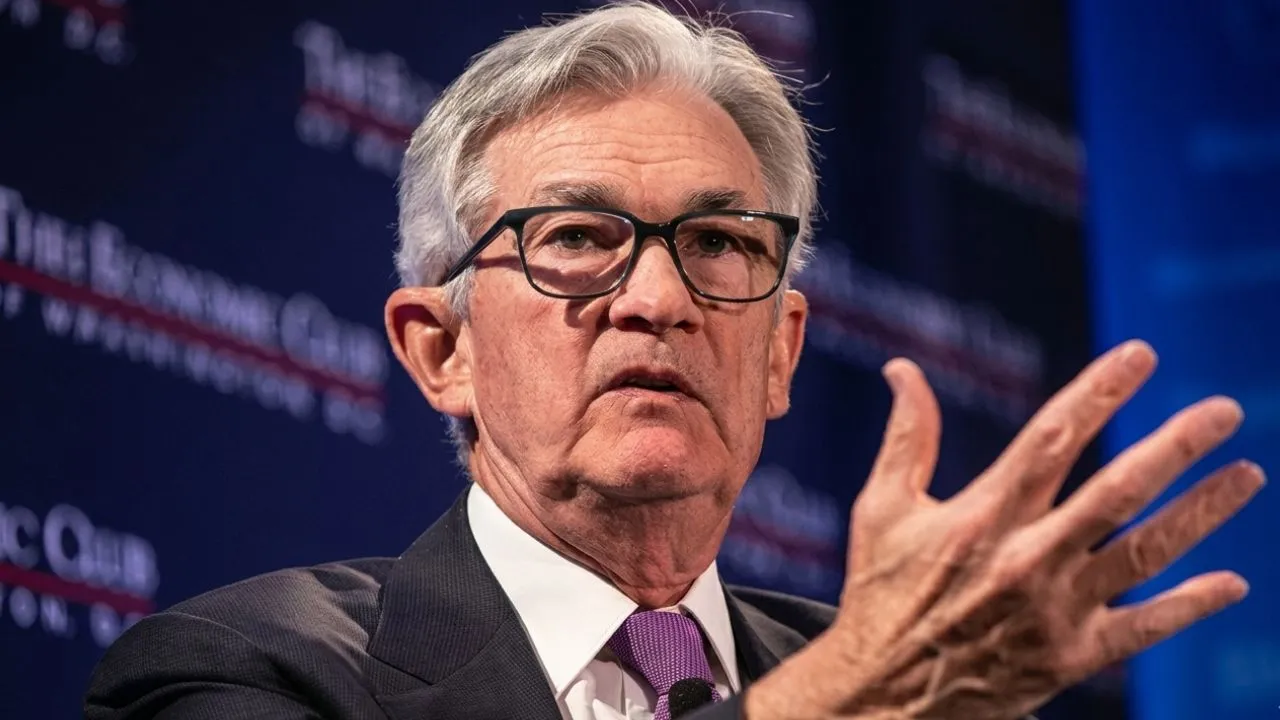
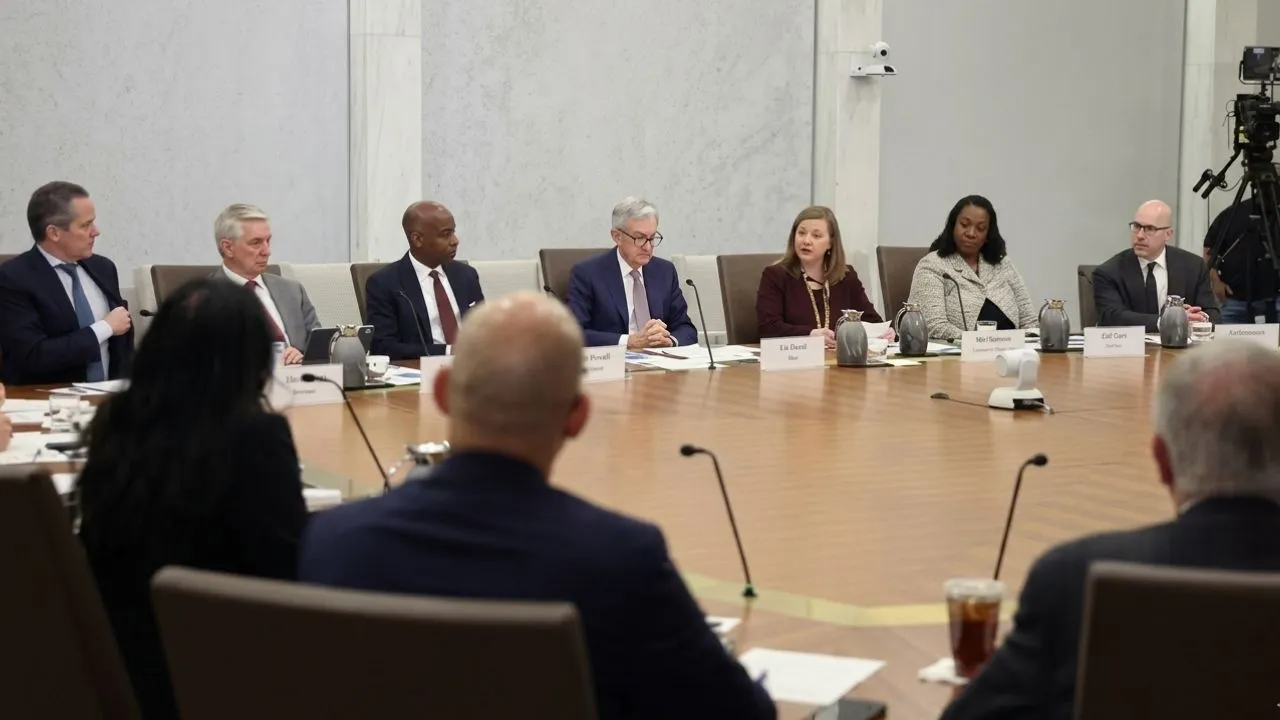
The committee itself said after its September meeting only that inflation “remains elevated” and that its rate increase would support a timelier return to the Fed’s 2% goal. The September 16 FOMC statement records the decision as a unanimous 12–0 vote.
Kashkari’s remarks are also consistent with, rather than a reversal of, the position he took before the September increase. After the July FOMC meeting, Kashkari published a statement explaining his July dissent after he voted for a quarter-point increase while the majority chose to hold rates at 3.50%–3.75%.
He argued then that repeated supply shocks could eventually allow higher inflation to become entrenched and said he preferred incremental tightening rather than waiting until larger policy moves became necessary.
That distinction is important. Kashkari is not arguing that the Fed can lower oil prices directly. His broader concern is that inflation may remain too persistent across the economy for policymakers simply to look through each new supply shock.
The latest consumer-price data illustrate the split. The Bureau of Labor Statistics reported that headline CPI increased 3.4% over the 12 months through August, while energy prices were up 16.3%. But the August CPI report also showed prices excluding food and energy rising 2.4% over the year. Core CPI increased 0.3% during August itself.
For Investozora readers, Kashkari’s comments add a policymaker-level explanation to the decision already covered in Investozora’s report on the September rate increase. That article established the confirmed policy change and the new 3.75%–4.00% target range. Kashkari’s Sunday interview provides a different information gain: his explanation that the inflation concern extends beyond the latest energy shock.
The Fed’s September projections also showed a higher policy-rate path than officials expected in June, but those projections are individual policymaker assessments rather than promises of another increase. Investozora’s analysis of the Fed’s updated growth and inflation outlook details that shift.
Kashkari’s comments therefore do not establish what the FOMC will do at its next meeting on October 27–28. They do show that one voting policymaker who wanted an earlier rate increase continues to see inflation as broader than oil and sufficiently persistent to require continued attention from monetary policy.