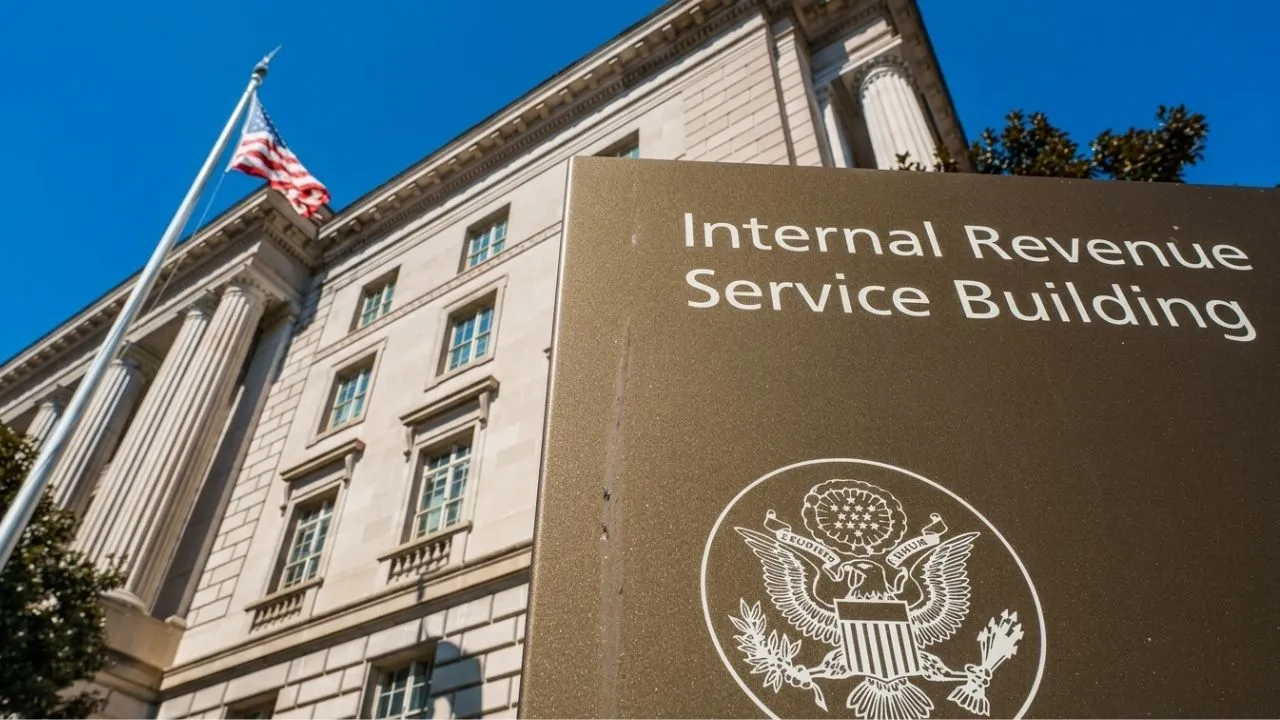


The U.S. Department of the Treasury and the IRS are processing public responses to the Form 990 Transparency Initiative ahead of drafting formalized tax-year regulations. The federal reporting landscape for charitable giving is undergoing a massive structural shift that directly targets how major philanthropic assets move across the non-profit sector.
High-net-worth philanthropists are discovering that the Department of the Treasury’s sweeping transparency updates will completely eliminate the privacy layers historically attached to complex charitable structures. This sudden regulatory pivot means that traditional filing methods are no longer sufficient to shield high-level funding paths from intense federal scrutiny.
The primary mechanism driving this regulatory shift is a comprehensive rewrite of the annual information return required for tax-exempt organizations. For decades, sophisticated donors have utilized specialized accounting frameworks to fund targeted social and economic initiatives quietly. By implementing this sudden Form 990 overhaul, the IRS is actively dismantling the reporting gaps that allowed multi-tier charitable transfers to remain hidden from public view.
1. Treasury targets hidden funding channels
The federal government is explicitly re-engineering the financial disclosure infrastructure to establish absolute, transaction-level visibility for all major non-profit capital movements.
Under the newly announced federal guidelines, the IRS will require comprehensive disclosures regarding the precise identity of counterparties, exact dollar amounts, and specific program-level allocations. This systemic intervention is designed to trace public money and private donations simultaneously to guarantee that funds strictly match their stated legal intentions.
For high-net-worth individuals, this means that providing generic asset descriptions on a traditional Form 990 filing is completely obsolete. The multi-agency compliance network, combining the enforcement capabilities of the Treasury, the IRS, and federal audit teams, is shifting away from retrospective reporting and moving toward real-time financial tracking.
Philanthropists who routinely leverage massive capital allocations must now prepare for exhaustive line-item tracking that connects every single dollar directly to its final physical recipient.
Understanding how these complex capital pipelines navigate federal networks requires a deep familiarity with the foundational rules governing the us money movement system. These updated reporting frameworks are designed to eliminate institutional blind spots, forcing high-net-worth filers to completely redesign their internal accounting controls.
2. Fiscal sponsorships lose structural anonymity
The most disruptive component of the federal initiative is the complete elimination of reporting exemptions for temporary or un-registered charitable projects. Fiscal sponsorship allows a grassroots project or private initiative to operate under the umbrella of an established 501(c)(3) organization without independently registering for tax-exempt status.
Historically, these subsidiary projects were treated as a transparency black hole because they were not required to file an independent Form 990 return with the IRS.
The upcoming regulations completely close this loophole by requiring primary non-profit sponsors to explicitly list every sponsored entity, disclose who controls the underlying capital, and itemize all internal cash flows.
This structural change strips away the layers of privacy that wealthy donors previously relied on when incubating sensitive, high-impact societal projects. Private capital that previously moved silently through a master non-profit umbrella will now be completely exposed via mandatory project-level schedule attachments.
Because these changes force a dramatic re-evaluation of high-level giving plans, wealthy families are shifting their capital preservation strategies to protect yields.
Many individuals are closely monitoring how shifting tax regulations intersect with broader monetary policies, particularly analyzing how the fed rate decision june savings environment affects institutional endowment models. This intersection of strict tax compliance and macroeconomic shifting requires a completely synchronized wealth management approach.
3. Government grant pipelines face tracking
Private philanthropic initiatives that blend capital with public funding sectors are facing unprecedented accounting demands due to heightened anti-fraud oversight. The Department of the Treasury has documented persistent transparency gaps where federal contract awards and public grants merge with private high-net-worth endowments.
To eliminate the risk of capital misallocation, the revised Form 990 framework mandates a strict accounting separation between tax-funded grants and private charitable reserves.
This operational shift directly creates an intense transaction-trail burden for private foundations that partner with public entities on massive infrastructure or medical research programs. Every subrecipient, third-party vendor, and secondary supplier touching a combined funding pool must now maintain verifiable transaction trails that tie back to the primary tax return.
If an organization fails to deliver clean source-and-use documentation under the updated Form 990 requirements, the IRS retains the explicit authority to halt distribution channels and freeze related institutional assets. When capital pipelines face localized interruptions or strict regulatory holds, it highlights the critical importance of understanding institutional liquidity pathways.
Sophisticated financial managers frequently evaluate federal clearing windows, tracking how the fedwire ach liquidity timing structure impacts immediate cash positions when compliance audits trigger temporary administrative holds. Maintaining clear, separated accounting records is the only definitive way to prevent these systemic blockages.
4. Whistleblower alerts increase compliance risk
The operational risks confronting wealthy donors are further amplified by an active, synchronized enforcement ecosystem that incentivizes internal reporting. Alongside the structural changes to the Form 990 return, the IRS has deployed targeted Whistleblower Alerts that specifically seek information regarding self-dealing and improper insider payments. This means that any discrepancy within a public tax filing can instantly trigger a comprehensive corporate audit via internal compliance disclosures.
For high-net-worth families who maintain active board seats or close structural ties to their private foundations, the threat of regulatory scrutiny is at an all-time high. The revised Form 990 questions ask directly about related-party transactions, governance policies, and executive compensation models with extreme specificity.
A single misclassified transaction or undocumented corporate perk can easily be flagged by internal compliance teams, escalating a routine reporting variance into a severe federal investigation. To insulate large-scale asset pools from unexpected compliance disruptions, wealth managers are increasingly focusing on guaranteed, short-term sovereign instruments.
This defensive allocation strategy often involves shifting volatile capital into secure accounts, utilizing specialized guides on how to buy treasury bills treasurydirect to maintain absolute liquidity. Diversifying immediate asset pools ensures that a foundation’s broader operations remain entirely stable during exhaustive tax reviews.
5. Foreign funding sources see enforcement
The final major component of the federal transparency initiative focuses directly on international capital movements entering the domestic non-profit sector. While the IRS already tracks outbound international allocations via existing tax schedules, the updated Form 990 framework will implement aggressive tracking for inbound foreign capital. Regulators are explicitly targeting complex cross-border donations to expose potential foreign influence operations masked as traditional domestic philanthropy.
High-net-worth individuals who operate international business empires or maintain global charitable foundations will face intense documentation requirements for all domestic transfers. The IRS will demand comprehensive verification of the ultimate beneficial owners behind foreign corporate donors, eliminating the use of offshore shell companies to fund domestic non-profits.
This enforcement layer ensures that every dollar entering a U.S. tax-exempt entity can be traced back to a verified, compliant global source. As these sweeping cross-border tracking mechanisms take effect, international philanthropists must ensure their domestic structures are fully prepared for immediate regulatory discovery.
To prevent long-term administrative disruptions, affluent filers are auditing their entire cross-border framework against the irs tax refund guide 2026 to ensure every single corporate entity aligns perfectly with updated federal definitions. Establishing a proactive, pristine documentation trail is the only viable method to navigate this intensive global oversight.
What You Should Do Now
- Execute a comprehensive audit of all current fiscal sponsorship agreements to map exact capital control points, spending approvals, and project-level EIN statuses before the new Form 990 rules take effect.
- Re-engineer internal nonprofit recordkeeping from retrospective manual compilation to automated, transaction-level tracking that documents the source and destination of every dollar in real time.
- Establish a formal board-approved conflict-of-interest policy that explicitly documents related-party transactions, insider compensation arrangements, and organizational perks to reduce compliance and whistleblower risks.
- Separate all blended funding structures immediately to ensure that private donor contributions and government grant funds remain in fully isolated and traceable accounts.