Democratic U.S. Rep. Haley Stevens endorsed Republican Mike Rogers in Michigan’s closely contested U.S. Senate race on Sunday, November 1, breaking with her party’s nominee, Abdul El-Sayed, just two days before voters head to the polls.
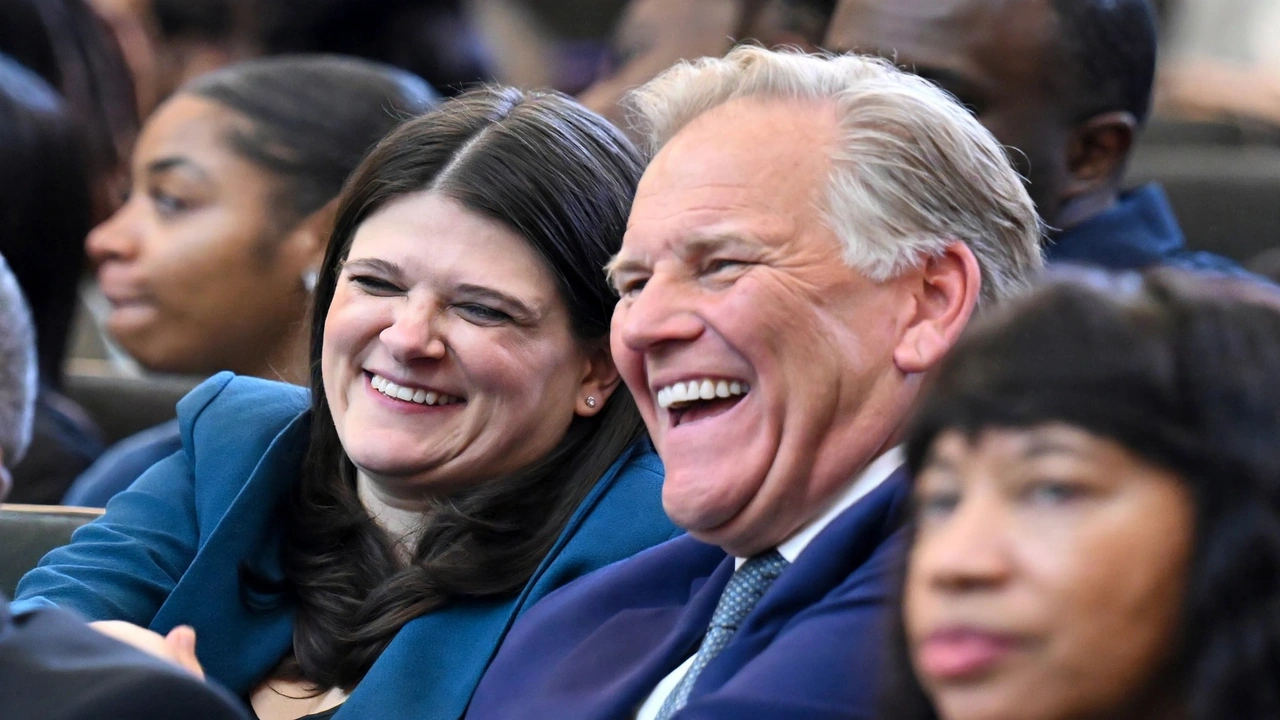
Stevens, who lost to El-Sayed in the Democratic primary, announced her decision in a public endorsement video and appeared alongside Rogers at Perfecting Church in Detroit. The move reversed her earlier commitment to support the Democratic nominee and introduced a new conflict within the party during the final stretch of the campaign.
The election on Tuesday, November 3, will determine who succeeds retiring Democratic Sen. Gary Peters. The open seat is an important target for Republicans seeking to strengthen their position in the Senate and for Democrats trying to retain their representation in Michigan.
Stevens said her decision followed a breakdown in relations with El-Sayed’s campaign, which she said had made clear she was no longer welcome at its events. Her endorsement came after plans for the two Democrats to appear together at a Detroit church service fell apart.
Although Stevens said she remained a proud Democrat, she argued that supporting Rogers was the right decision for Michigan. She also criticized political commentator Hasan Piker, whose involvement in El-Sayed’s campaign had become a point of disagreement.
The dispute intensified over an advertisement produced by Rebellion PAC, an outside political group, connecting American financial support for Israel with rising household costs. Stevens objected to the advertisement, which critics accused of using antisemitic themes, and called on El-Sayed to reject it.
El-Sayed has said his campaign did not produce the advertisement and that he disagreed with its content. The distinction matters because advertisements from independent political groups are not automatically statements authorized by the candidates they seek to support.
The endorsement represents a significant departure from Stevens’ position after the August Democratic primary. Despite losing the nomination to El-Sayed, she initially backed his candidacy. As recently as the previous week, she publicly indicated that she intended to vote for the Democratic ticket.
That changed on November 1, when Stevens moved beyond expressing disagreement with her former rival and explicitly endorsed his Republican opponent. El-Sayed played down the announcement, telling reporters that his attention remained on Michigan residents and their concerns about the cost of living, gasoline prices, grocery bills and environmental conditions.
Democratic leaders responded sharply. Senate Democratic Leader Chuck Schumer condemned Stevens’ decision and reaffirmed his support for El-Sayed. Michigan Democratic Party Chair Curtis Hertel also criticized her endorsement, arguing that Rogers’ policy positions were inconsistent with Democratic priorities.
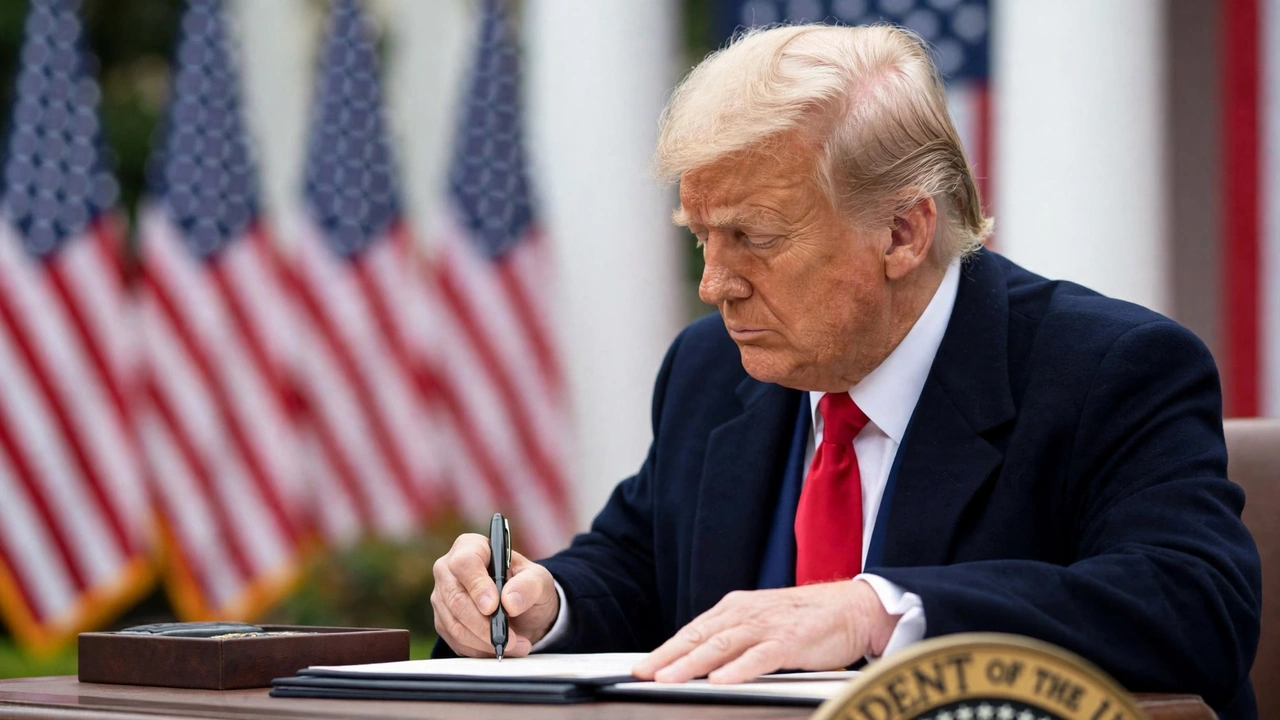
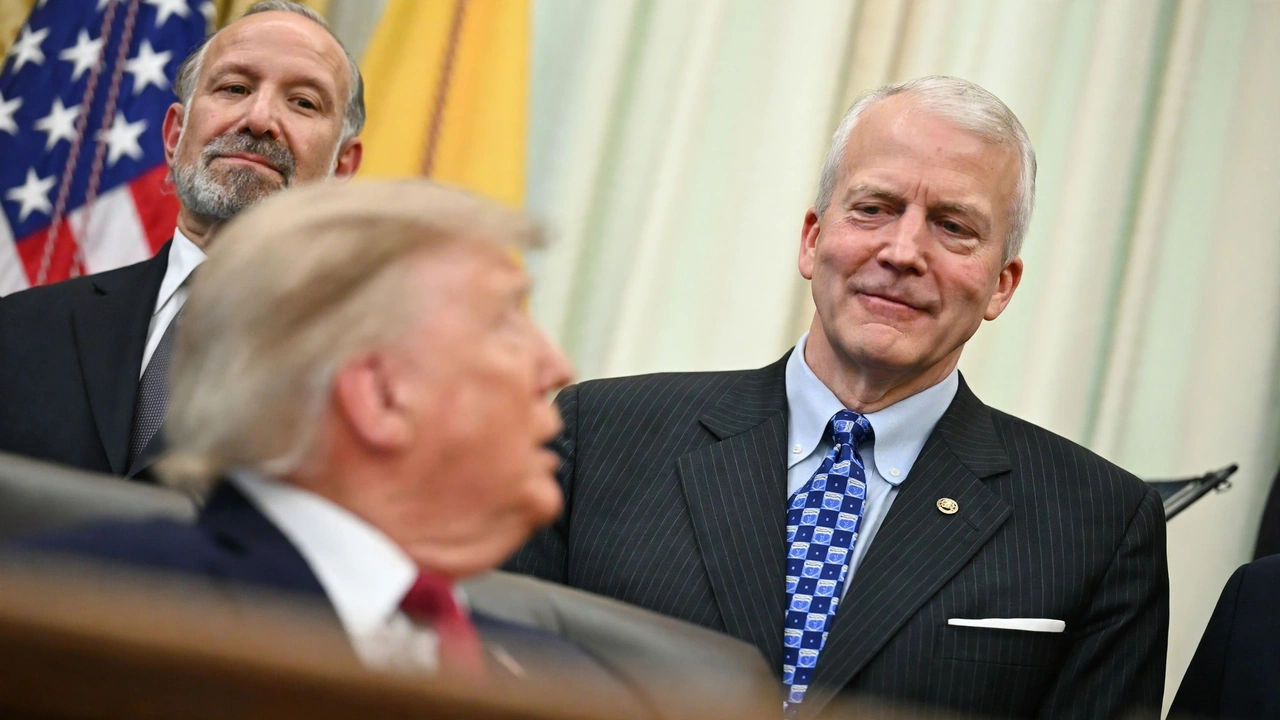
Republicans welcomed the announcement. Rogers, a former U.S. representative, gained public backing from a sitting Democratic congresswoman who had competed for the same Senate seat. President Donald Trump also praised Stevens’ decision.
The political significance is clear, but the electoral consequences remain uncertain. Stevens’ endorsement does not transfer her primary supporters to Rogers, and there is no verified evidence establishing how many voters, if any, will change their choices because of her announcement.
The development does, however, create a new challenge for El-Sayed’s campaign. Instead of closing the race with a unified Democratic message, the nominee must contend with a former primary opponent publicly supporting his Republican rival.
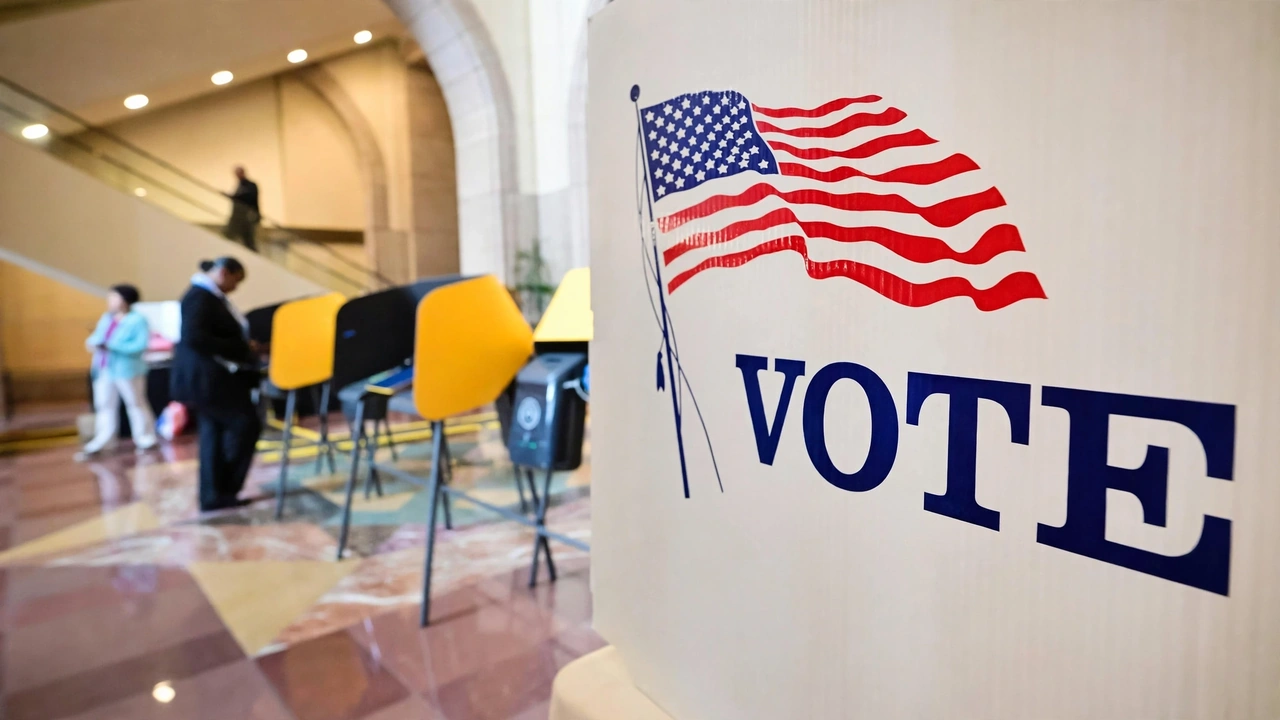
The endorsement does not alter the candidates appearing on Michigan’s ballot or the election timetable. According to the Michigan election calendar, Election Day remains Tuesday, November 3.
Michigan voters will decide whether Rogers captures the Democratic-held seat or El-Sayed retains it for his party. The result will establish the electoral outcome of a dispute that has drawn national attention during the campaign’s final days.