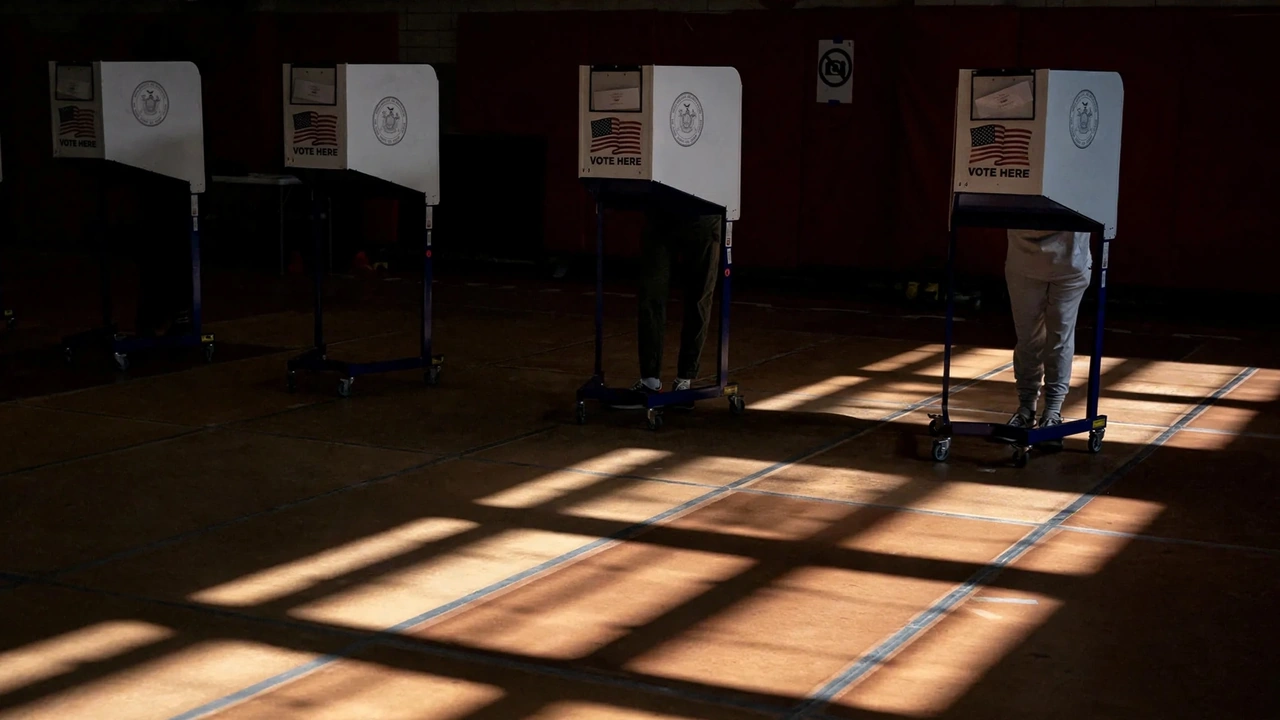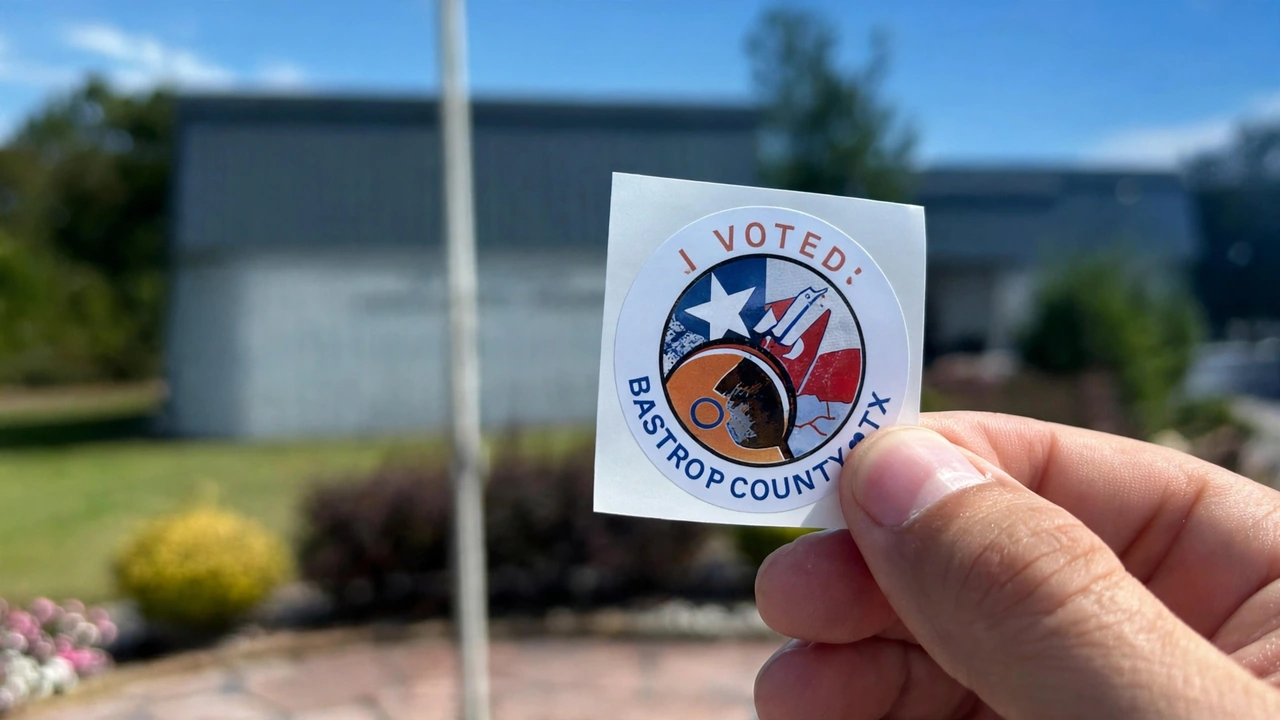
More than 49 million ballots have been cast ahead of the November 3 U.S. midterm elections, exceeding the entire early-voting total recorded in 2022 and establishing a new benchmark for participation before Election Day.
An October 30 data compilation attributed to the UF Election Lab places the nationwide count at 49,564,545 early ballots. That compares with 45,920,446 ballots in the university’s 2022 election record, which was last updated on November 24, 2022.
Based on those two figures, my calculation shows that early voting in 2026 has already exceeded the previous midterm total by 3,644,099 ballots, approximately 7.9%, with the election still three days away.
The record was first surpassed on October 30, when the national count exceeded 46 million. The latest increase extends that milestone as voters continue casting ballots in person and returning mail ballots across the country.
The development offers evidence of substantial early participation in an election that will determine control of Congress. However, it does not establish which political party is winning, how many people will ultimately vote or whether the final national turnout rate will exceed previous midterm elections.
The University of Florida Election Lab, led by political scientist Michael McDonald, compiles early-voting figures from state election records. Its 2026 voting tracker distinguishes ballots cast in person from mail ballots returned, although states update their records at different intervals.
That distinction is important because a national early-voting count is not a single simultaneous measurement from every election office. Some states update frequently, while others report less often. The total can increase when election officials publish previously unreported voting activity, even without additional ballots being cast at that precise moment.
The previous benchmark also provides a more useful comparison when its components are examined separately. According to McDonald’s 2022 national statistics, 20,487,803 people voted early in person and 25,432,643 mail ballots were returned during that election cycle. Together, those categories produced the 45,920,446 total.
The 2026 milestone therefore represents more than an unusually large number at a single moment. The combined volume of voting completed before Election Day has already moved beyond the previous midterm benchmark. But the balance between early in-person voting and mail voting must be examined separately before determining how voting methods have changed.
The national increase also does not mean every state is experiencing identical growth. Texas, Florida, Georgia and North Carolina have recorded millions of early ballots. Election administrators in these states publish voting information through separate reporting systems, including Florida’s early-voting reports.
I find the comparison with 2022 particularly important because a national increase can conceal very different state-level patterns. A state with substantially more early in-person voting might still record fewer returned mail ballots, while another state could show the opposite pattern.
Those differences matter when assessing whether voters are participating in greater numbers or simply changing when and how they vote. Researchers also caution against interpreting early-voting party registration as an election result.
The University of Florida’s voter statistics provide party-registration breakdowns where states make that information available. But a registered Republican does not necessarily vote for a Republican candidate, just as a registered Democrat does not necessarily support a Democratic candidate.
Moreover, states that do not report party registration cannot be treated as if their voters have the same political composition as states that do. Early-voting patterns may also differ substantially from Election Day voting. A party’s apparent advantage among people who cast ballots early could narrow, disappear or reverse once ballots cast on November 3 are included.
The implications extend beyond the national participation figure because every seat in the U.S. House of Representatives is on the ballot in 2026. The federal government’s congressional election guide explains that all 435 House seats are contested every two years, while Senate elections follow staggered six-year terms.
For voters, the immediate question is not whether a national record has been established but whether their own ballot has been successfully submitted according to state requirements.
The federal government’s early-voting guidance directs voters to state and local election offices for voting locations, hours and eligibility rules. Its separate mail-voting guidance explains that deadlines and procedures differ by state, including whether a ballot must be received or postmarked by a particular date. Election administration is also facing legal scrutiny in the final days before voting concludes.
In California, a separate dispute involving the Justice Department’s attempt to challenge ballots associated with approximately 20,000 voters has reached federal appellate proceedings. Investozora previously examined the competing claims and court records in its report on the California ballot dispute.
That litigation should not be confused with the national early-voting increase. The record participation figure does not provide evidence of improper voting, nor does it resolve legal questions about individual voter eligibility or ballot administration.
My analysis of the early-voting milestone leads to one central distinction: the number of ballots cast before Election Day measures the timing of participation, while total turnout measures participation across the completed election.
The 2022 turnout data published by the University of Florida list 112,030,874 total ballots counted nationwide and a voting-eligible population turnout rate of 46.12%. That is a different statistical measure from the number of ballots submitted early.
A new early-voting record can therefore coexist with several possible outcomes for overall turnout. Some voters who would otherwise have voted on Election Day may simply have participated earlier.
Whether the final election brings more voters into the process cannot be determined from the early count alone. The next scheduled nationwide election milestone is Tuesday, November 3, confirmed by the Federal Election Commission.
Until then, the early-voting total will remain subject to updates as states report additional in-person participation and returned mail ballots. Election-night results and subsequent ballot processing will provide a more complete picture of turnout, the composition of the electorate and the balance of power in Congress.