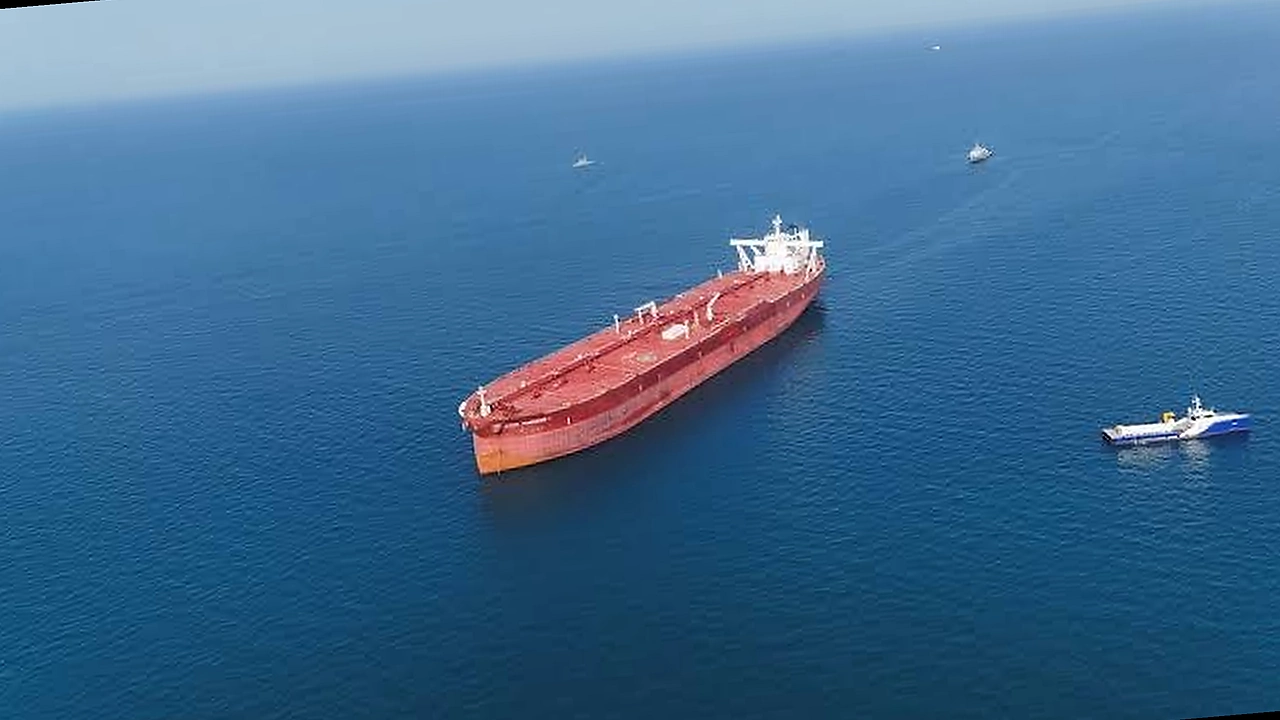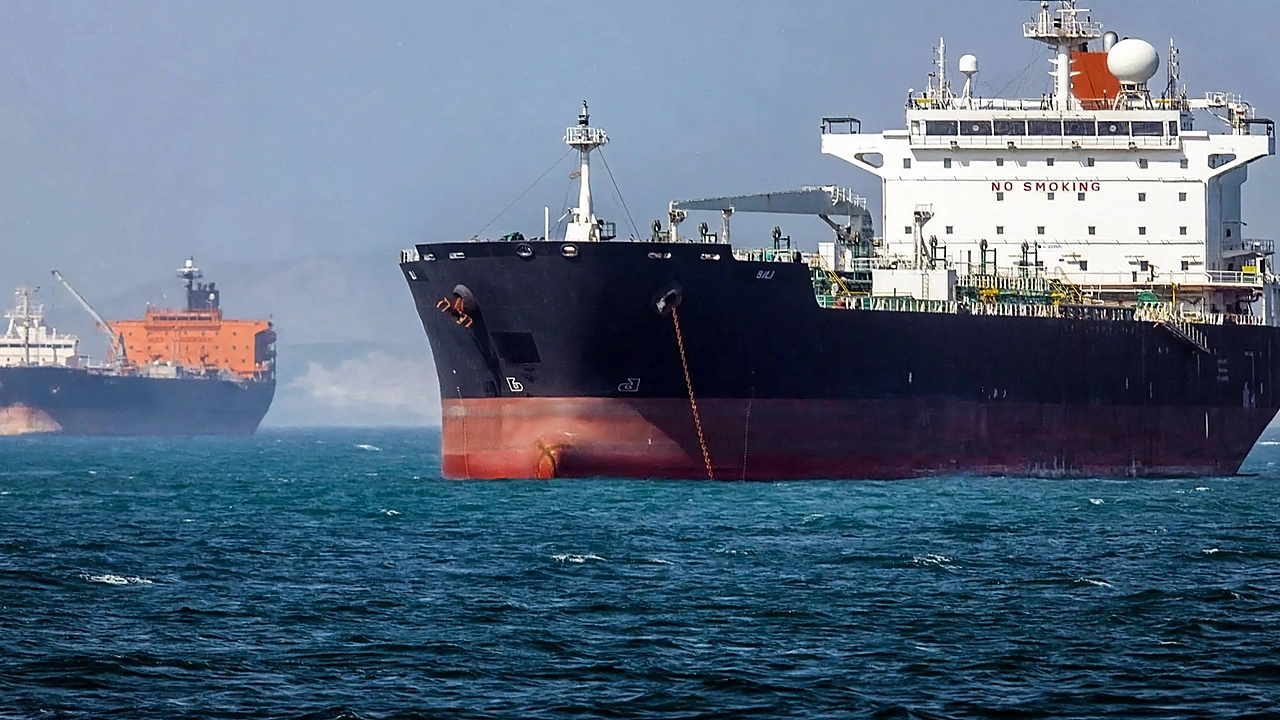


Brent crude fell below Friday’s settlement in early Monday trading as investors weighed recovering Middle East exports and planned emergency-stock releases against continuing risks to Gulf energy infrastructure.
Brent futures were $101.59 a barrel at 2:40 a.m. GMT on October 5, down 66 cents, or 0.65%, while U.S. West Texas Intermediate traded at $90.12, down 95 cents, or 1.03%, according to Reuters’ October 5 oil-market report. Brent had settled Friday at $102.25 a barrel, making Monday’s $101.59 observation 66 cents below the previous settlement.
The move extends the supply-versus-geopolitical-risk tension Investozora tracked in its October 2 Brent crude report, but Monday brought a new development: additional evidence that Middle Eastern crude availability was recovering even as security risks around regional infrastructure remained elevated.
More barrels are reaching the market
Middle Eastern crude exports exceeded pre-war levels on four of the seven days in the final week of September, Reuters reported from shipping data. At the same time, the Group of Seven has agreed to coordinate the release of up to 100 million barrels of oil and fuel products from emergency stocks, with the action taking place over four months.
The G7 leaders’ energy-security statement confirms the coordinated response, while market commentary cited by Reuters specifically connected the strategic-stock decision and recovering Saudi export volumes with reduced immediate supply anxiety. That evidence supports treating improving availability as part of the explanation for Monday’s weaker crude price rather than simply assuming causation from the timing of the announcements.
The shift is particularly important because Brent remains above $100 even after Monday’s decline. Investozora previously examined how Iran and Strait of Hormuz disruptions kept a risk premium embedded in oil, and those risks have not disappeared.
OPEC+ holds November production targets steady
Another piece of the supply picture came Sunday. Saudi Arabia, Russia, Iraq, Kuwait, Kazakhstan, Algeria and Oman agreed to maintain September required production levels for November, according to the official October 4 OPEC+ statement.
That decision does not by itself explain Monday’s price decline. It instead establishes that the seven producers did not announce another change to their November targets while traders were simultaneously assessing recovering exports and emergency-stock releases. OPEC+ said the seven countries will meet again on November 1 to review market conditions.
Geopolitical risk meanwhile remains substantial. Yemen’s Houthis said they attacked Saudi Aramco sites in Riyadh and Khurais, although Reuters reported that Saudi Arabia had not confirmed the claim at the time of its report.
Brent therefore remains caught between two competing forces: more crude becoming physically available to buyers and continuing risk that attacks or shipping disruptions could interrupt those flows again.
For oil markets, the next question is not simply whether Brent holds $100. It is whether the recent recovery in Middle East exports can persist while emergency barrels enter the market without another disruption to Gulf production or shipping reversing the improvement.