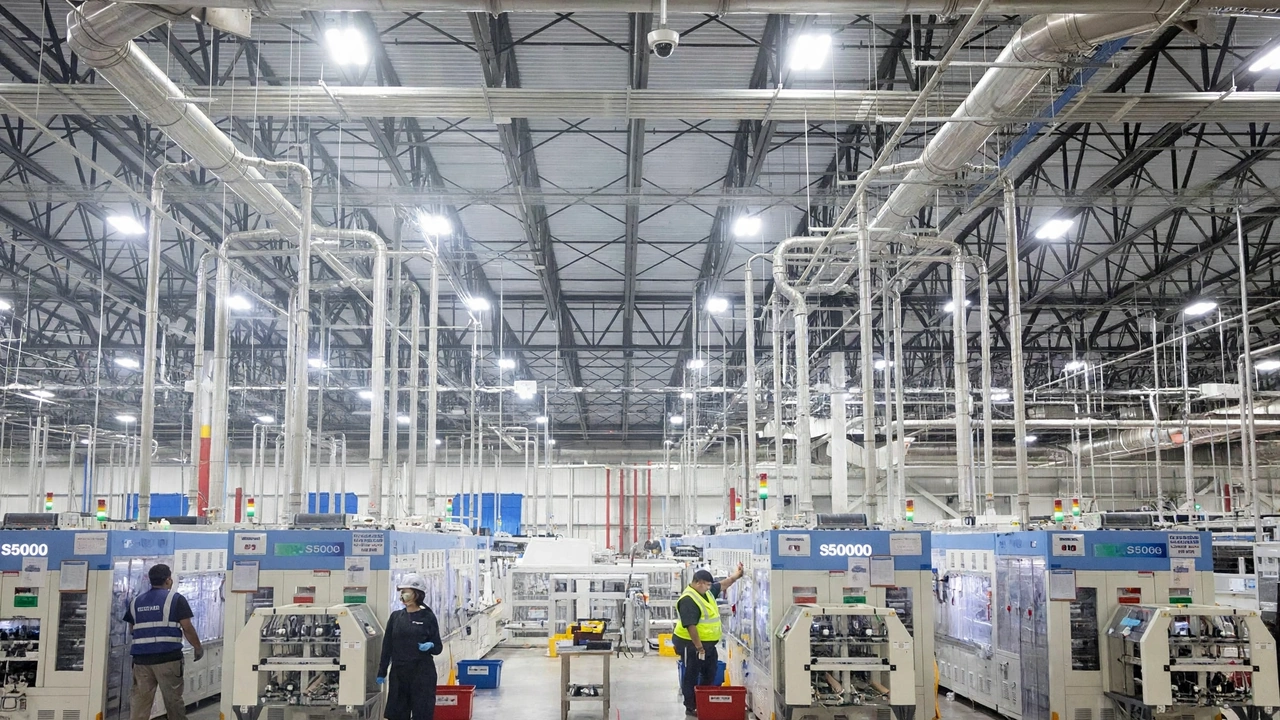

U.S. business activity expanded at its slowest pace in four months in November as growth weakened across manufacturing and services, while elevated prices and supply constraints continued to weigh on businesses. The economy nevertheless maintained a solid pace of private-sector expansion heading toward the final month of 2026.
The preliminary S&P Global U.S. Composite Purchasing Managers’ Index (PMI) fell to 54.6 in November from 55.9 in October, according to the November PMI report, published Monday, November 23. The reading marked the weakest expansion since July.
The composite index declined by 1.3 points but remained 4.6 points above the neutral threshold of 50. Readings above that level indicate an increase in business activity compared with the preceding month, meaning November’s decline represents slower growth rather than an outright contraction.
Services continued to outperform manufacturing, although activity growth in both sectors moderated. The latest figures follow separate October surveys that showed services activity facing persistent price pressures, while manufacturing activity continued to expand.
The November survey also showed that incoming business grew more slowly, with weaker demand particularly evident among service providers. Businesses reported that customer uncertainty, expensive goods and services, and higher financing costs were limiting some purchasing decisions.
The distinction between demand and production capacity is important. A company may receive additional orders without being able to increase output proportionately if it faces shortages of materials, workers or available production capacity.
That distinction matters when assessing whether slower business growth reflects weakening economic demand or difficulties meeting existing demand. The November survey provides evidence of both, making it difficult to attribute the entire decline in business activity to a single economic factor.
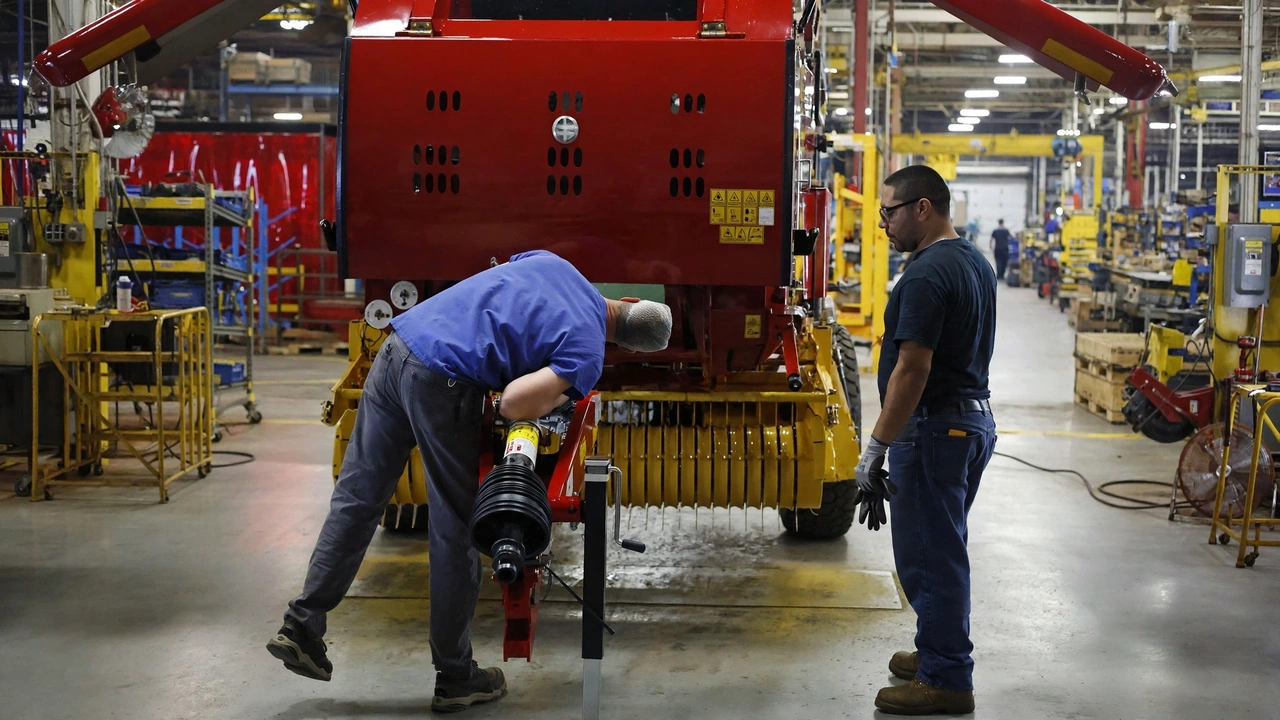
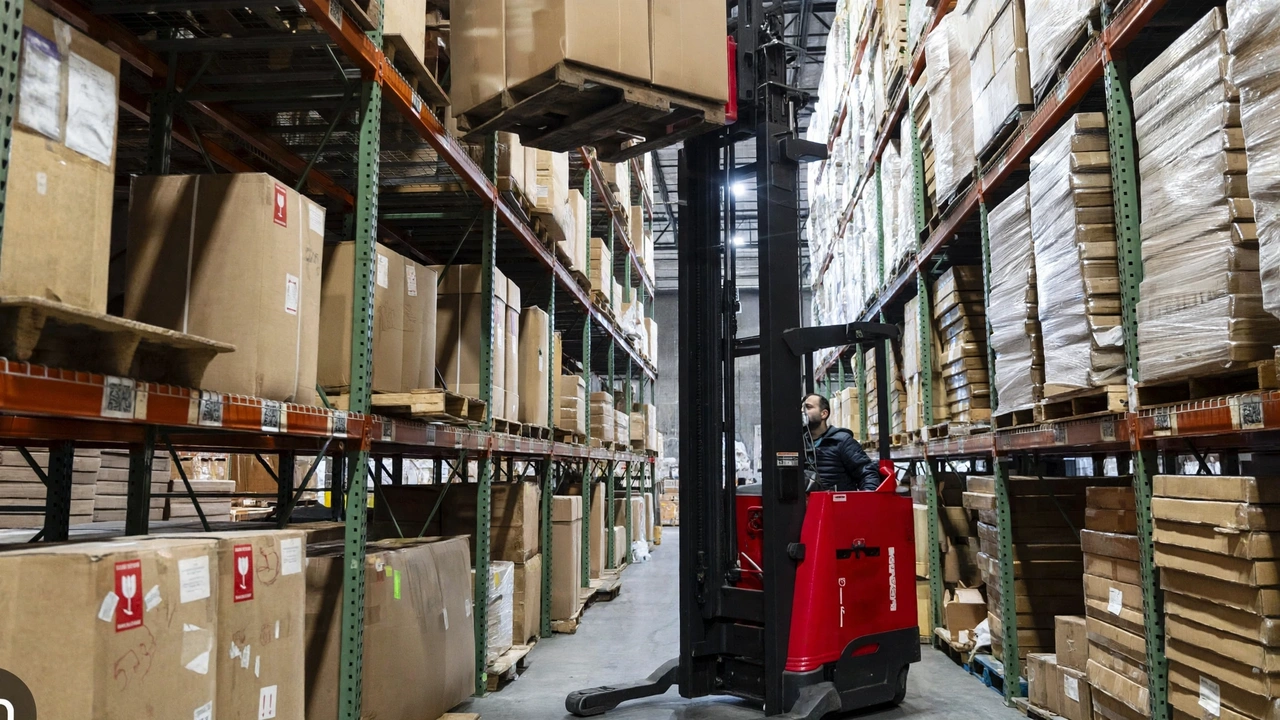
Manufacturers faced their most pronounced deterioration in supplier delivery performance since August 2022, with shortages affecting materials including metals and electronic components. These disruptions can increase production expenses and complicate inventory planning, even when businesses continue to receive new orders.
The findings also come against a backdrop of tighter business lending standards for smaller companies. Businesses that depend on external financing may have less flexibility to absorb unexpected expenses, expand production or maintain larger inventories when credit conditions become more restrictive.
Employment continued to increase despite the moderation in output growth. This suggests that slower expansion has not necessarily eliminated businesses’ immediate need for workers, although survey-based employment indicators cannot establish how many jobs were added across the entire U.S. economy.
The distinction is particularly relevant when assessing broader labor market conditions. Hiring decisions, working hours and demand for additional employees can change at different speeds, meaning an expansion in surveyed business employment does not guarantee improvement across every segment of the workforce.
Inflation remained another concern. Although increases in business costs and selling prices became less pronounced in November, the survey did not indicate that prices were falling.
For households already facing elevated borrowing costs, slower business expansion alone does not establish that financial pressure will ease. Consumer purchasing power depends on the relationship between income growth, actual household prices, employment conditions and financing expenses.
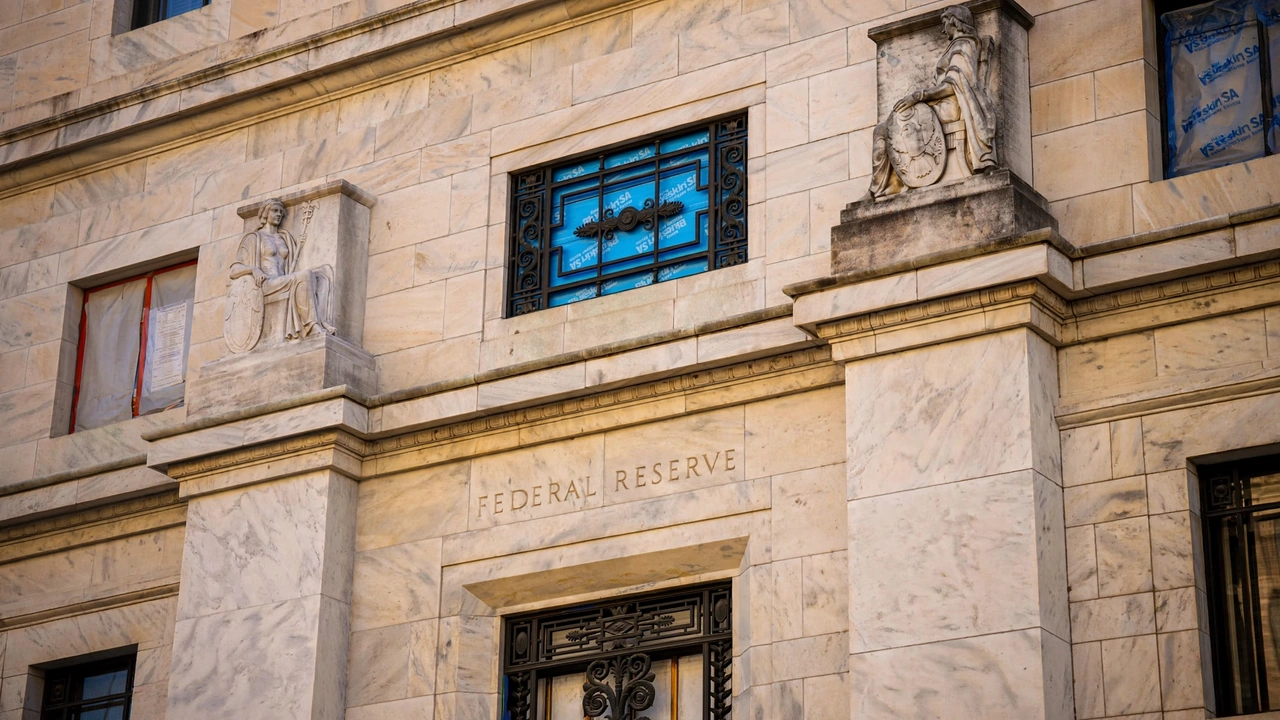
The report arrives ahead of the Federal Reserve’s December 8–9 policy meeting, according to the central bank’s official meeting calendar. Policymakers will have to assess incoming economic evidence alongside inflation and employment developments before determining the appropriate direction of monetary policy.
Changes in those expectations can also influence Treasury yields and wider credit conditions. However, a single purchasing managers’ survey cannot establish the direction of the next interest rate decision or predict how financial markets will respond.
The November PMI is a preliminary estimate and remains subject to revision when final survey results become available in early December. It is also a private-sector survey rather than a direct measurement of gross domestic product or nationwide consumer inflation.
For now, the November reading points to an American economy that continues to expand but is encountering greater difficulty sustaining its recent pace. Whether that slowdown develops into a more persistent weakening will depend on subsequent evidence about business demand, production capacity, employment and prices.