
April 30, 2026 • 5:05 AM ET
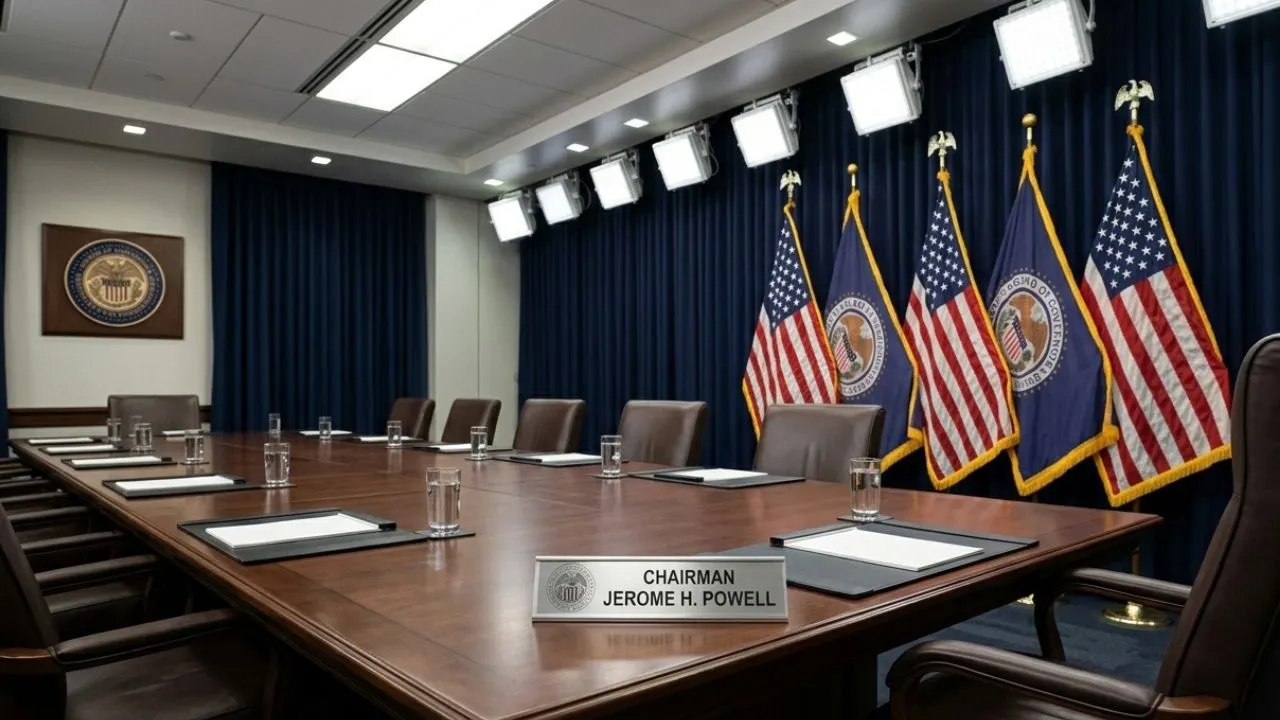
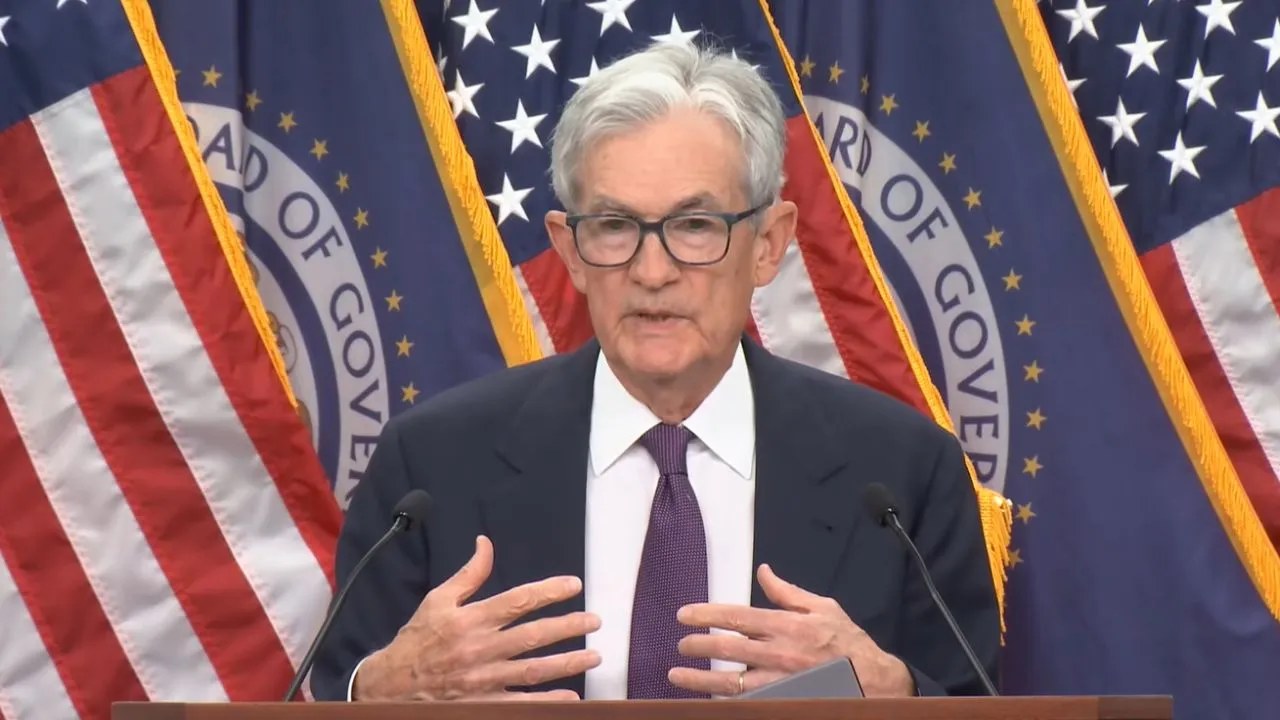
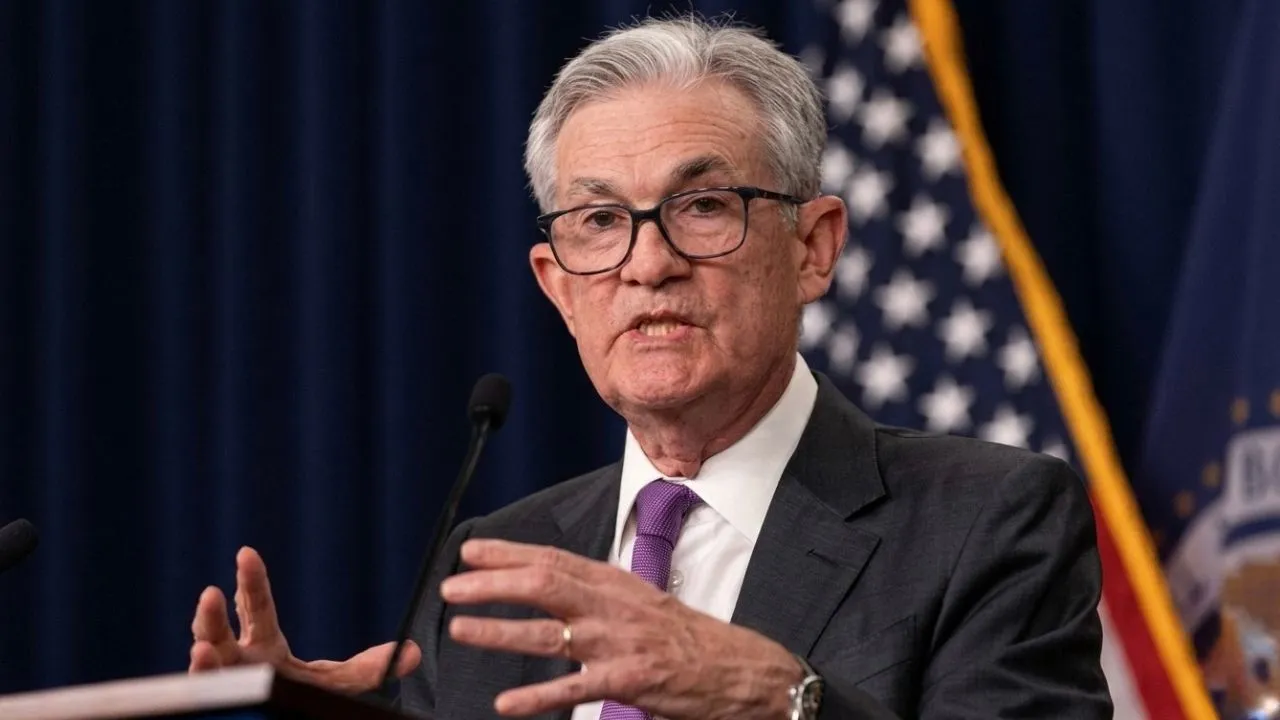
The Federal Reserve held the federal funds rate at 3.50–3.75% at the conclusion of the April 28–29 FOMC meeting, marking the third consecutive hold in 2026. Jerome Powell delivered his press conference at 2:30 PM ET. The full statement is available at federalreserve.gov. This page was updated following the press conference.
The Federal Reserve’s Federal Open Market Committee meets April 28–29, 2026, for its next scheduled rate decision. The current federal funds target rate of 3.5 to 3.75 percent has been held unchanged through two consecutive meetings this year, at both the January 27-28 and March 17-18 sessions.
The April 29 policy statement, released at 2:00 PM Eastern Time, will determine whether that hold continues or whether the FOMC moves the rate for the first time in 2026.
This FOMC meeting arrives under conditions the Fed has described as “elevated uncertainty” in its own official communications. Inflation remains above the 2 percent target.
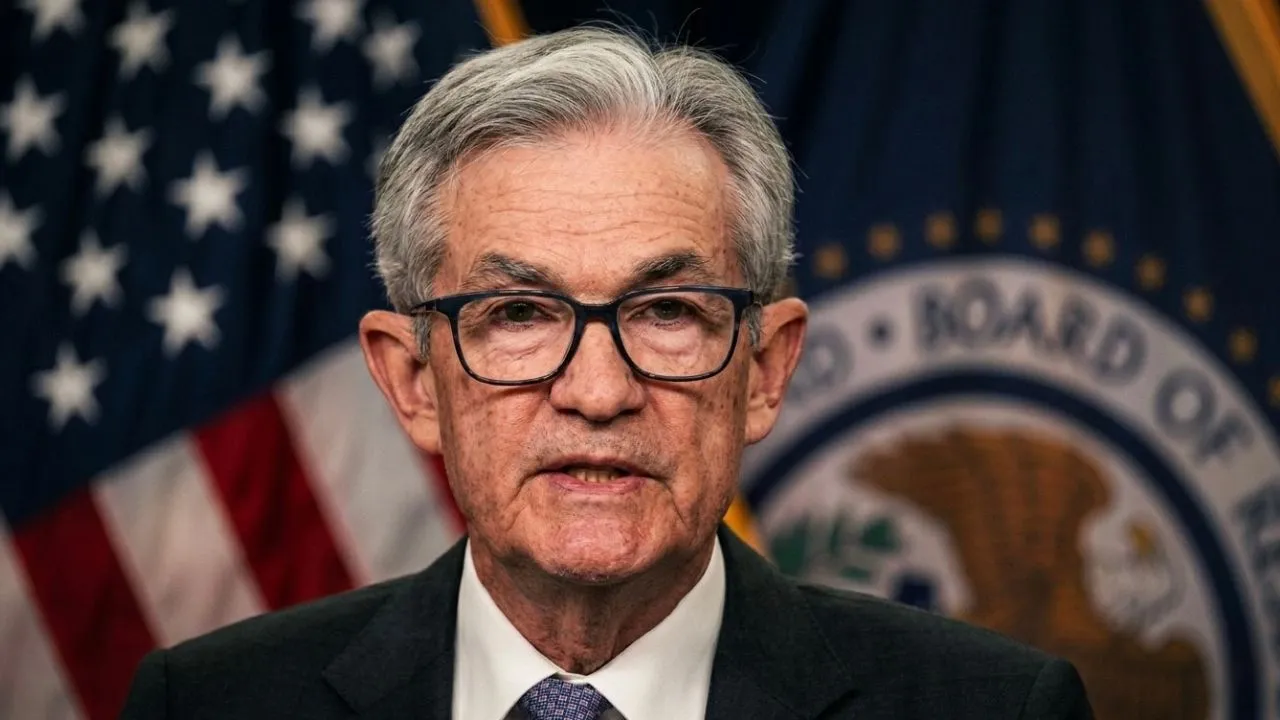
Job gains have stayed low. A conflict in the Middle East has added energy price pressures that the March minutes explicitly identified as a new source of economic uncertainty. Chair Jerome Powell will hold a press conference at 2:30 PM ET on April 29 to explain the decision.
The April 28-29 FOMC meeting reaches its conclusion on April 29, with the rate decision scheduled for 2:00 PM ET and Chair Powell’s press conference at 2:30 PM ET. Markets expect the Fed to hold rates steady at 3.50 to 3.75 percent as officials assess persistent inflation, softer job growth, and rising global energy risks.
This is Powell’s final scheduled FOMC meeting as Chair before his term expires on May 15, 2026, adding historic weight to both the decision and the press conference that follows.
Where the Rate Stands and What the Fed Said in March
The Federal Reserve’s current federal funds target range is 3.5 percent to 3.75 percent. This range was set during the second half of 2025 through three cuts of 25 basis points each, a cumulative reduction of 75 basis points from the prior level. Since those cuts, the FOMC has held the rate at 3.5 to 3.75 percent at every subsequent meeting, including both January and March 2026.
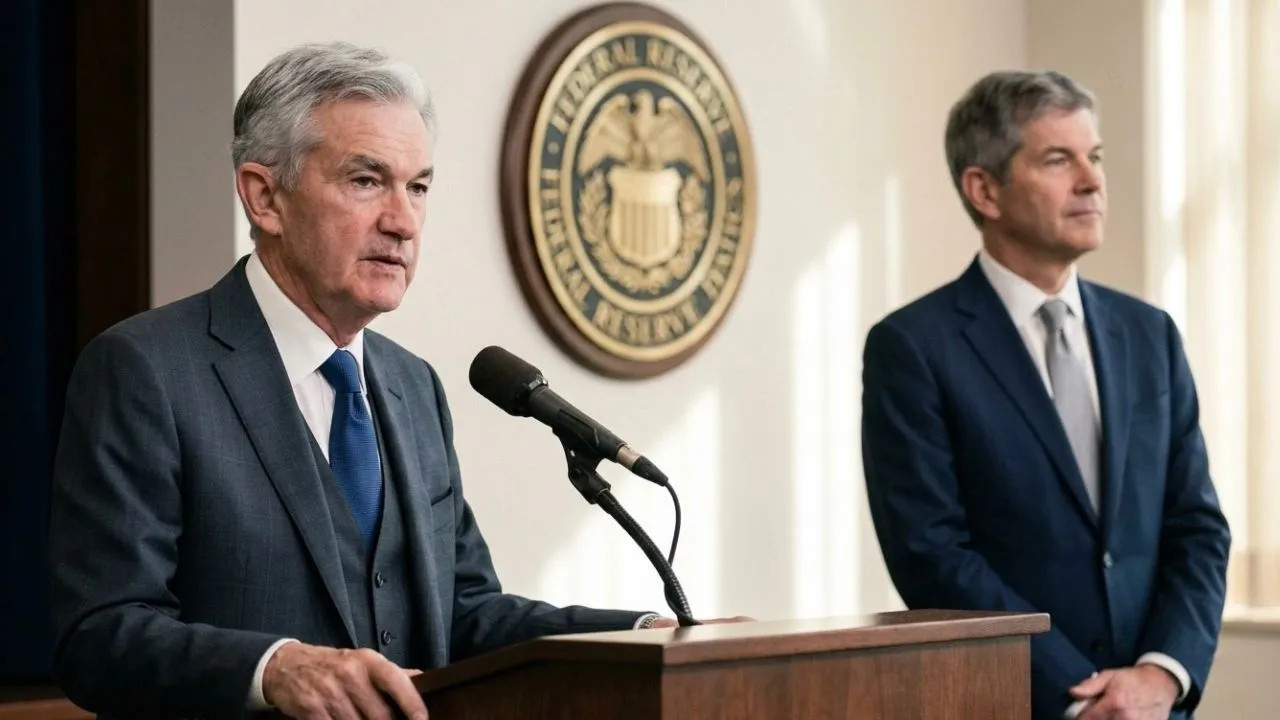
The March 17-18, 2026 meeting minutes, released April 8, described the committee’s reasoning in precise terms. Participants noted that inflation remained above the 2 percent objective. They observed that job gains had remained low and that the unemployment rate had shown little change.
Most participants supported maintaining the current target range. The minutes noted that “two 25 basis point rate cuts this year” remained the median market expectation, though survey respondents had pushed out the timing of those cuts compared with prior expectations.
The March minutes also flagged the Middle East conflict as a specific new risk. Energy prices had risen sharply during the inter-meeting period. The Fed noted that several central banks previously expected to ease, including the European Central Bank and the Bank of Canada, were reconsidering their timelines due to global inflationary pressure from elevated energy costs.
The Federal Reserve operates the FedACH network through which all Social Security payments, IRS refunds, and other federal payments are disbursed. When the Fed adjusts rates, the effect on consumer deposit accounts and mortgage rates does not arrive instantly, the transmission from the policy rate to commercial bank deposit rates typically takes 30 to 60 days as banks update their rate sheets.
Changes to the federal funds rate also affect the interest rate charged on unpaid tax balances, which the IRS calculates as the federal short-term rate plus 3 percentage points.
Three Possible Outcomes on April 29
The April 29 meeting has three possible outcomes, each with distinct implications for consumers and federal payment systems.
Rate hold at 3.5 to 3.75 percent
It is the most probable outcome based on the March minutes and the elevated uncertainty described by the committee. A hold means savings account rates at competitive online banks remain in the range of 4 to 4.5 percent APY.
Mortgage rates stay elevated in the upper 6 percent range. The interest rate the IRS charges on underpayments for Q3 2026, which the Fed’s rate influences would remain stable. For federal payment recipients, a hold means nothing changes immediately.
Rate cut of 25 basis points to 3.25 to 3.5 percent
Represent the first FOMC move in 2026. The March minutes showed two dissents at the January meeting from members who preferred to cut immediately, Governor Miran and Governor Waller both voted for a 25 basis point reduction at the January session.
A cut would signal that the FOMC has gained confidence that inflation is declining toward target and that the labor market risks have increased. Consumer impact: savings rates would begin declining within 30 to 60 days. Mortgage rates could ease modestly. The effect on federal payment disbursement systems would be minimal, FedACH operations are not rate-sensitive on a day-to-day basis.
Rate hike
It is not a current expectation based on available FOMC communications. While inflation remains above target, the committee’s language has consistently pointed toward eventual cuts rather than hikes. A rate hike would require a significant and unexpected surge in inflation combined with a strong labor market — neither condition is currently described in official FOMC communications.
Inside the April 28–29 Meeting: The Path to the Decision
The FOMC meeting has entered its final day in Washington, D.C. The committee has analyzed high-frequency data including the 3.3% spike in March CPI and the escalating 2026 energy crisis during yesterday’s Day 1 deliberations. The April 29 session concludes with the formal vote on the federal funds rate.
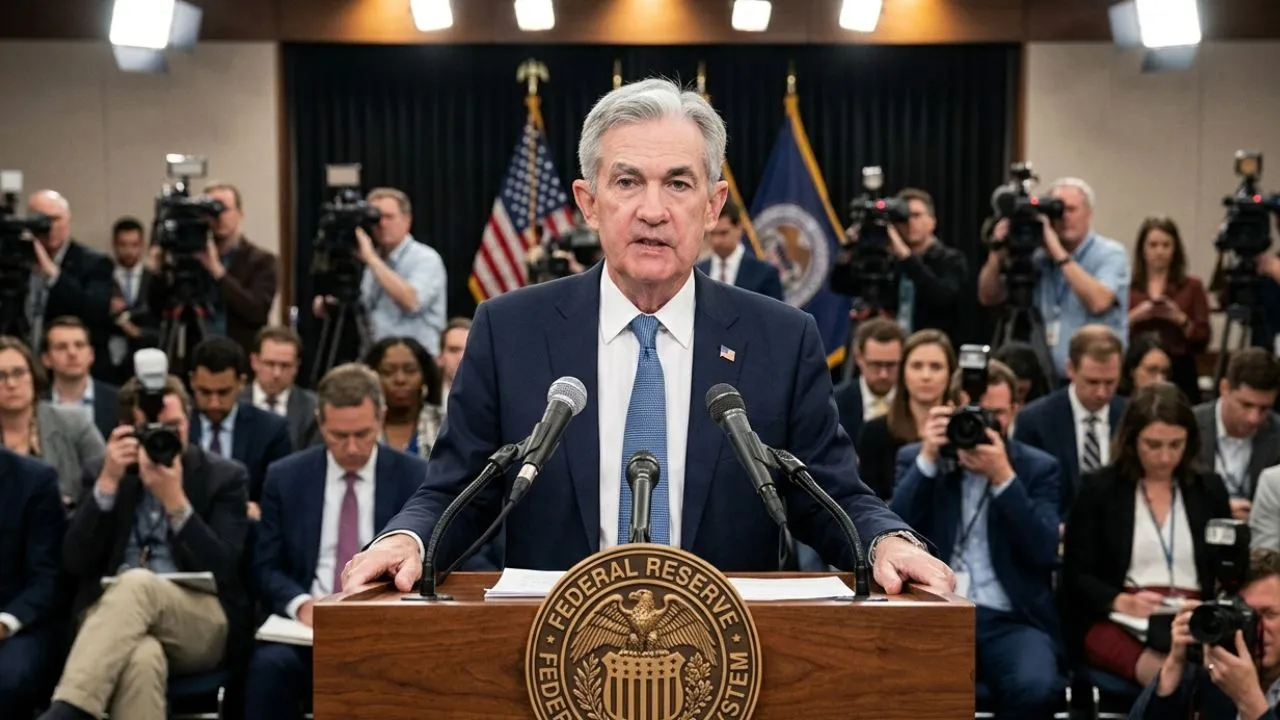
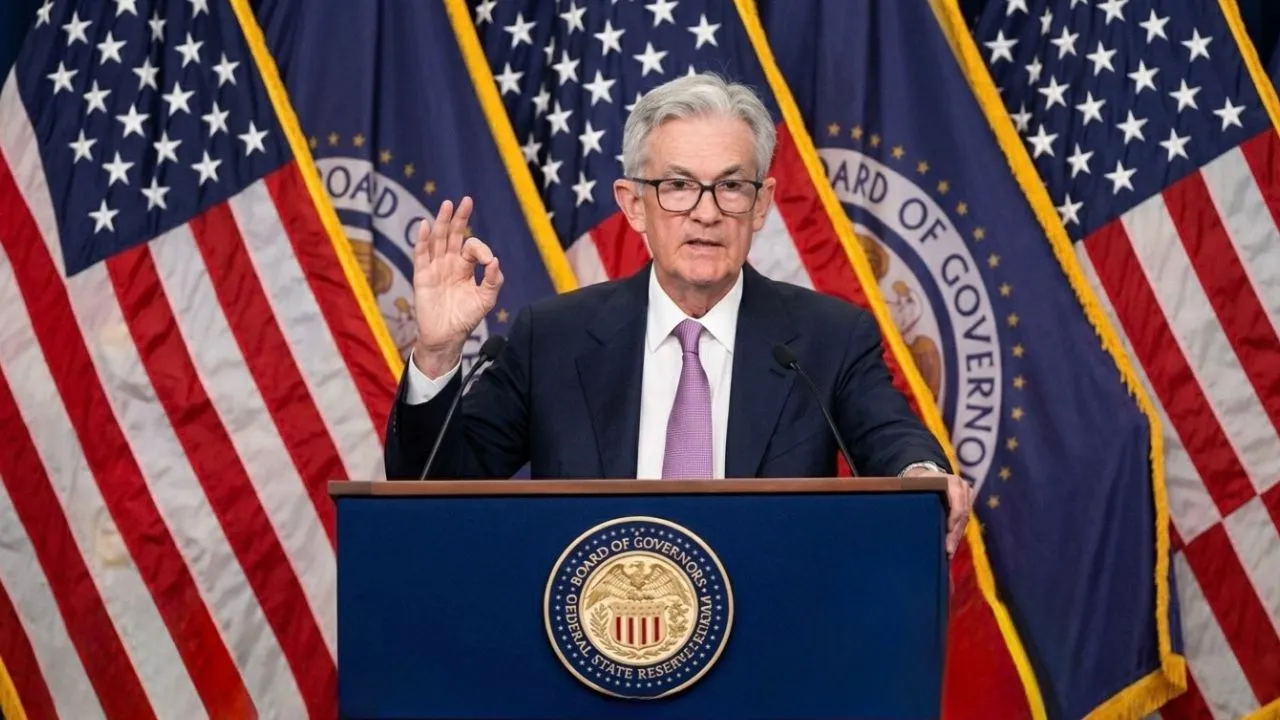
The official Policy Statement will be released at 2:00 PM ET on April 29, followed immediately by Chair Jerome Powell’s live press conference at 2:30 PM ET. This briefing carries unique institutional significance as Powell’s final press conference as Fed Chair, providing the last window for markets to gauge his stance on 2026 growth and inflation risks before the leadership transition to Kevin Warsh.
Following the conclusion of this week’s session, the full minutes of the April 28-29 meeting will be released on May 20, 2026. This will serve as the bridge to the next major decision point on June 16–17, 2026. The June meeting is particularly critical for long-term planning, as it will feature the updated Summary of Economic Projections, including the “dot plot” forecasts for interest rates and unemployment through 2028.
What This Means
The April 28-29 FOMC meeting is currently underway and represents the most critical decision point for the Federal Reserve so far in 2026. While two consecutive holds have kept borrowing costs stable since late 2025, the sudden 2026 energy crisis has introduced a “hawkish” tension to the April deliberations. The Committee is now balancing a cooling labor market against 3.3% headline inflation, making a third consecutive hold the most anticipated but not guaranteed outcome.
What You Should Do Now
- Read the April 29 Statement at 2:00 PM ET: The official rate decision is released via the FOMC calendar. Compare the language word for word against the March 18 statement to identify any shifts in the committee’s inflation assessment or forward guidance.
- Analyze the Powell Briefing: Watch Chair Powell’s final press conference at 2:30 PM ET on April 29 for specific guidance on how the Middle East oil shock may delay the timeline for potential 2026 rate cuts.
- Prepare for Bank Rate Shifts: If the Fed signals a “higher-for-longer” stance due to energy prices, expect high-yield savings APYs to remain elevated; a surprise cut would likely trigger bank rate reductions within 30 to 60 days.
- Track Live Updates: This page will be updated at 2:01 PM ET on April 29 when the policy statement is released, and again following Powell’s 2:30 PM ET press conference.
For context on how Federal Reserve rate decisions ripple through to deposit timing and bank posting schedules for all federal payments including Social Security, see our Federal Reserve policy explainer.
For the relationship between Fed rate decisions and when your deposits hit your account, see our Fed rate deposit timing article. For background on the Fed’s 2025 operating loss and what it means for its policy independence, see our Fed loss 2025 impact coverage.
And for the complete picture of how the Federal Reserve’s payment infrastructure connects to every federal deposit in your bank account, see the money movement system.