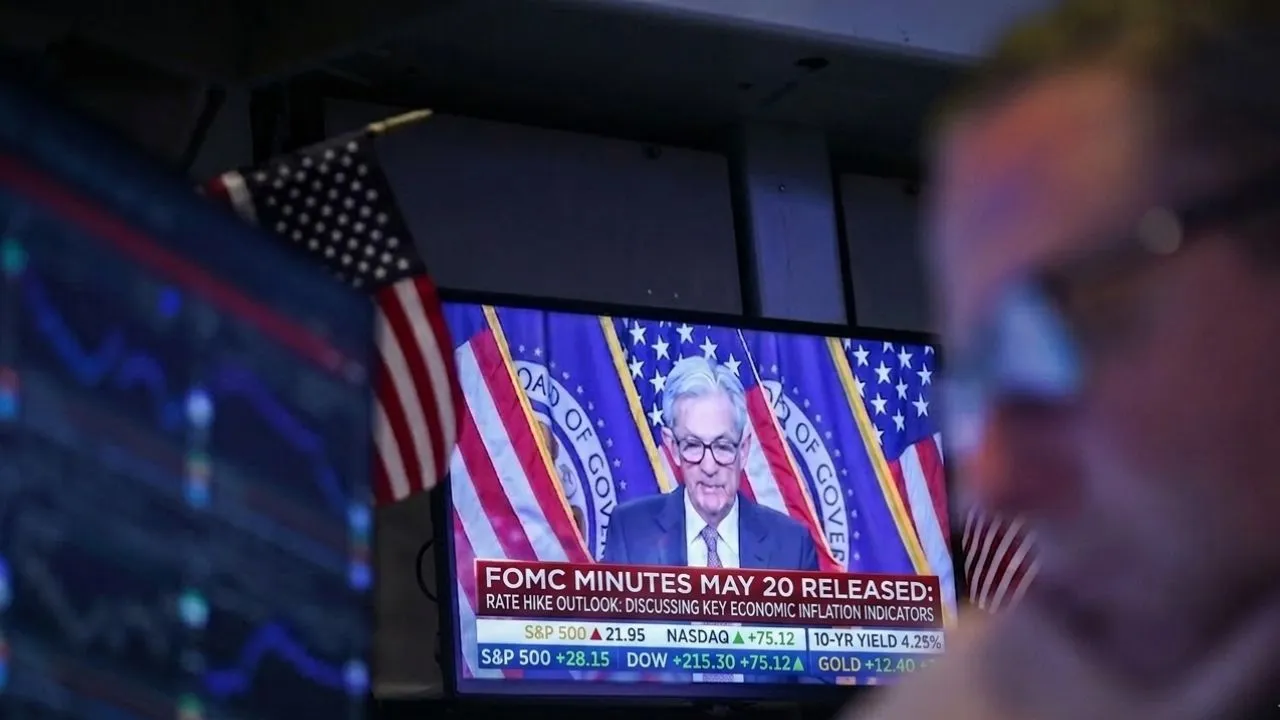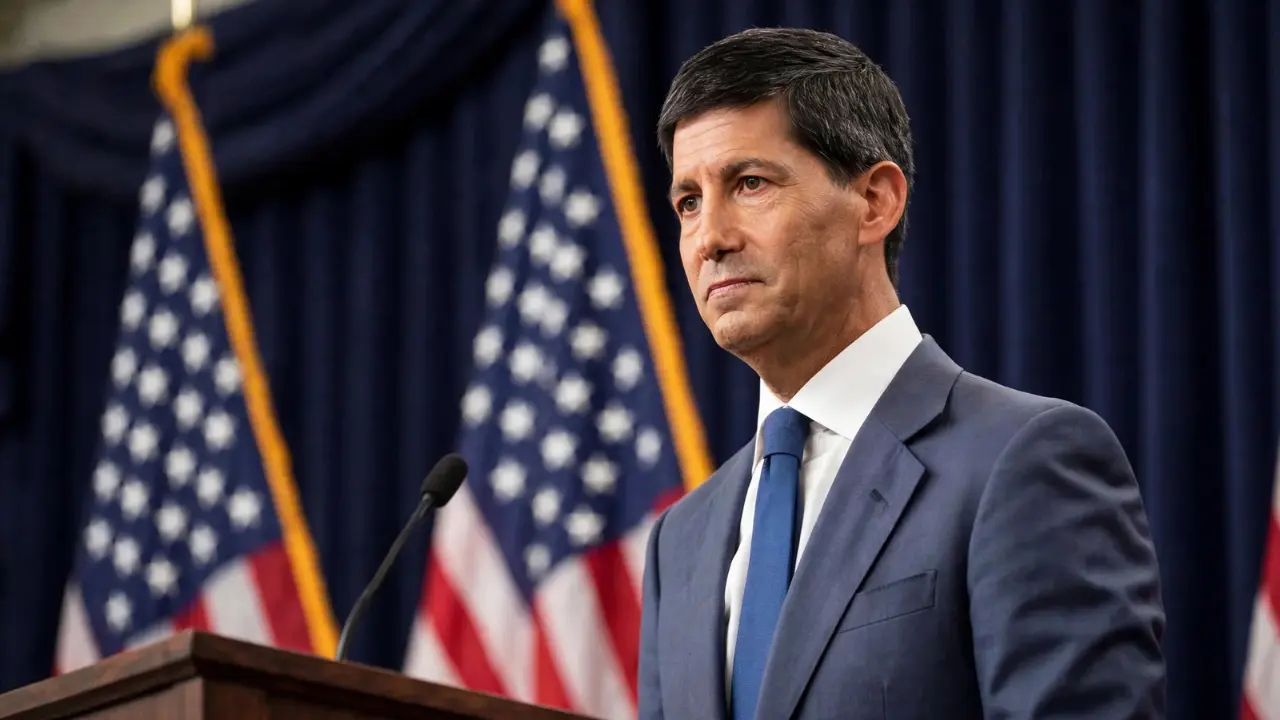

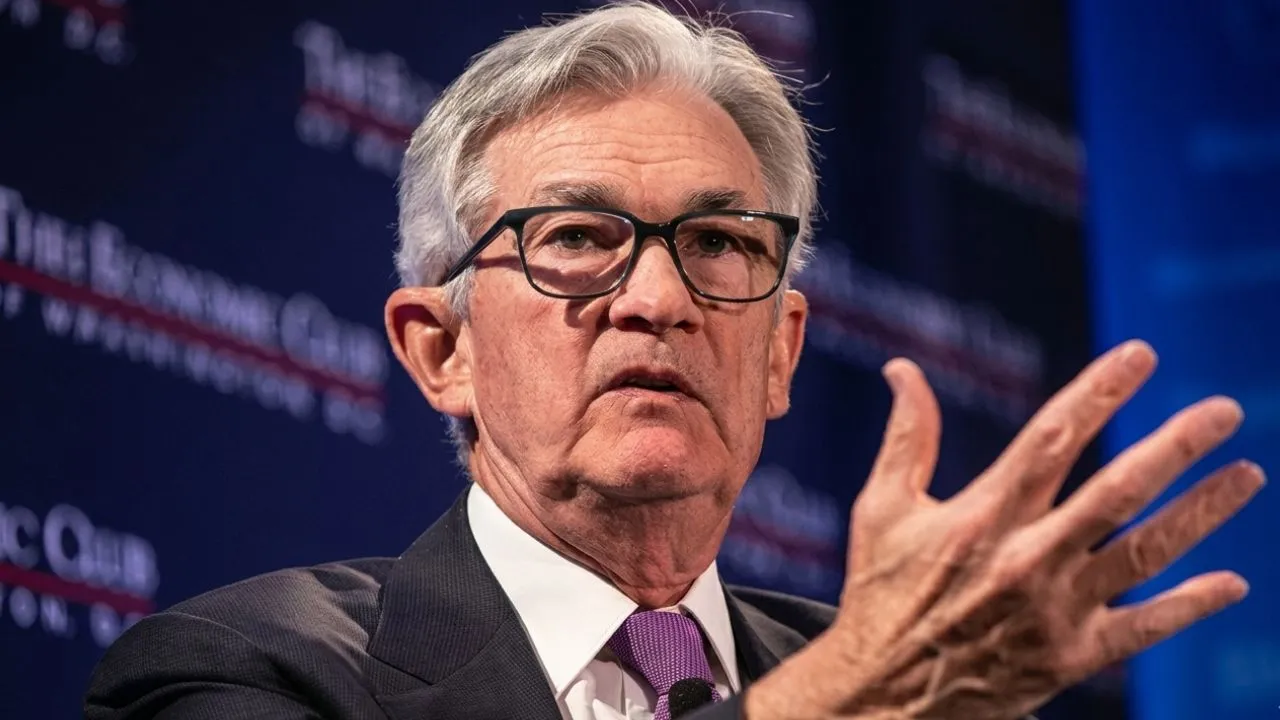
The fed rate hold itself was expected. What happened around it was not.
On April 29, 2026, the Federal Reserve held its benchmark interest rate steady for the third straight meeting this year. But the vote 8 in favor, 4 against, exposed a level of internal disagreement the Fed has not shown publicly in more than three decades.
If you carry a credit card balance, hold a high-yield savings account, or are watching mortgage rates hoping for relief, this vote directly affects what happens to your money over the next six months.
Four dissents in a single meeting haven’t happened at the Fed since October 1992. That number is the real story, and it changes what the Warsh era begins with.
The Vote Was Split in Two Opposite Directions
Not all four dissents pointed the same way. That distinction matters more than most coverage has explained. Governor Stephen Miran dissented in favor of cutting rates immediately by 0.25 percentage points. He believes rates should already be lower given current economic conditions.
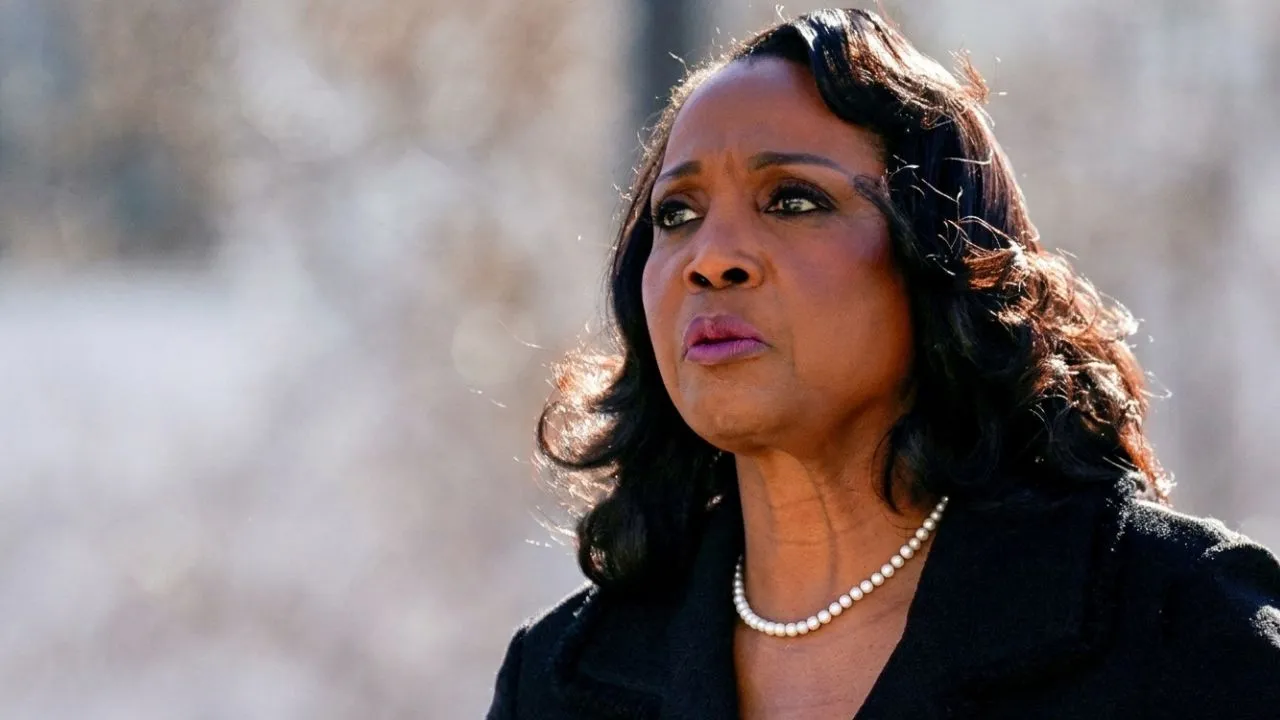
Three regional bank presidents dissented in the opposite direction: Beth Hammack of Cleveland, Neel Kashkari of Minneapolis, and Lorie Logan of Dallas.
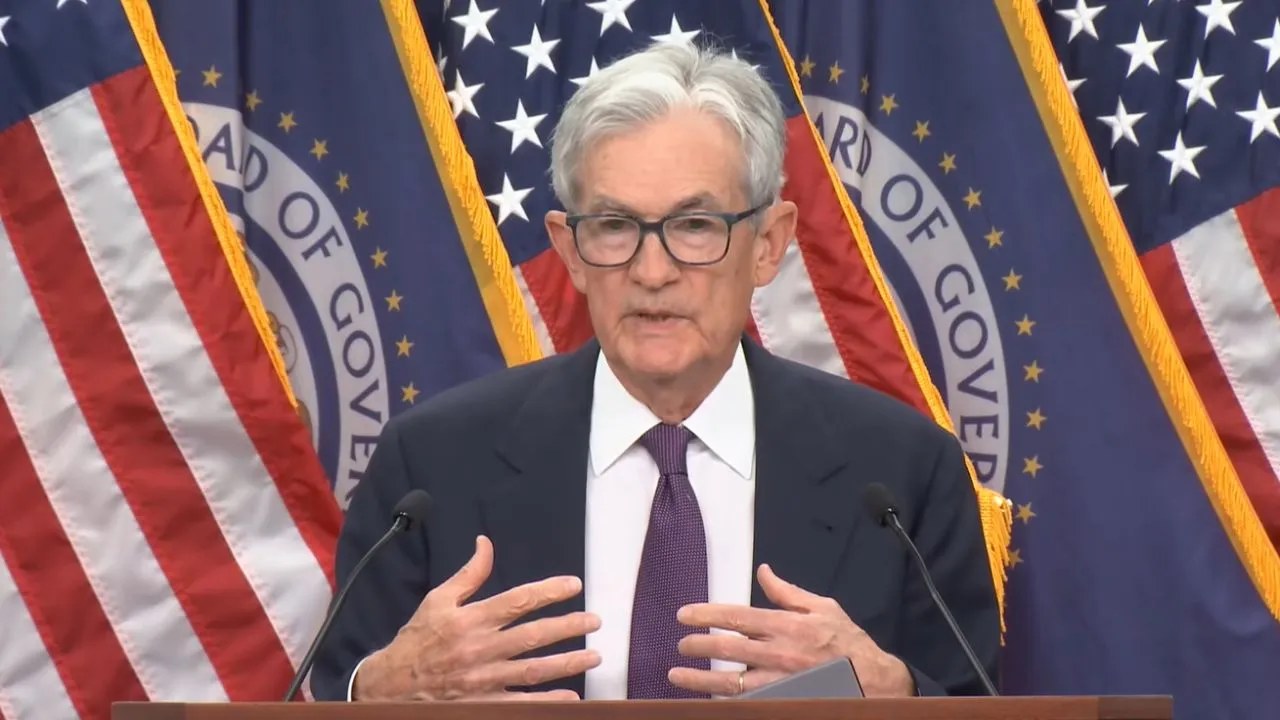
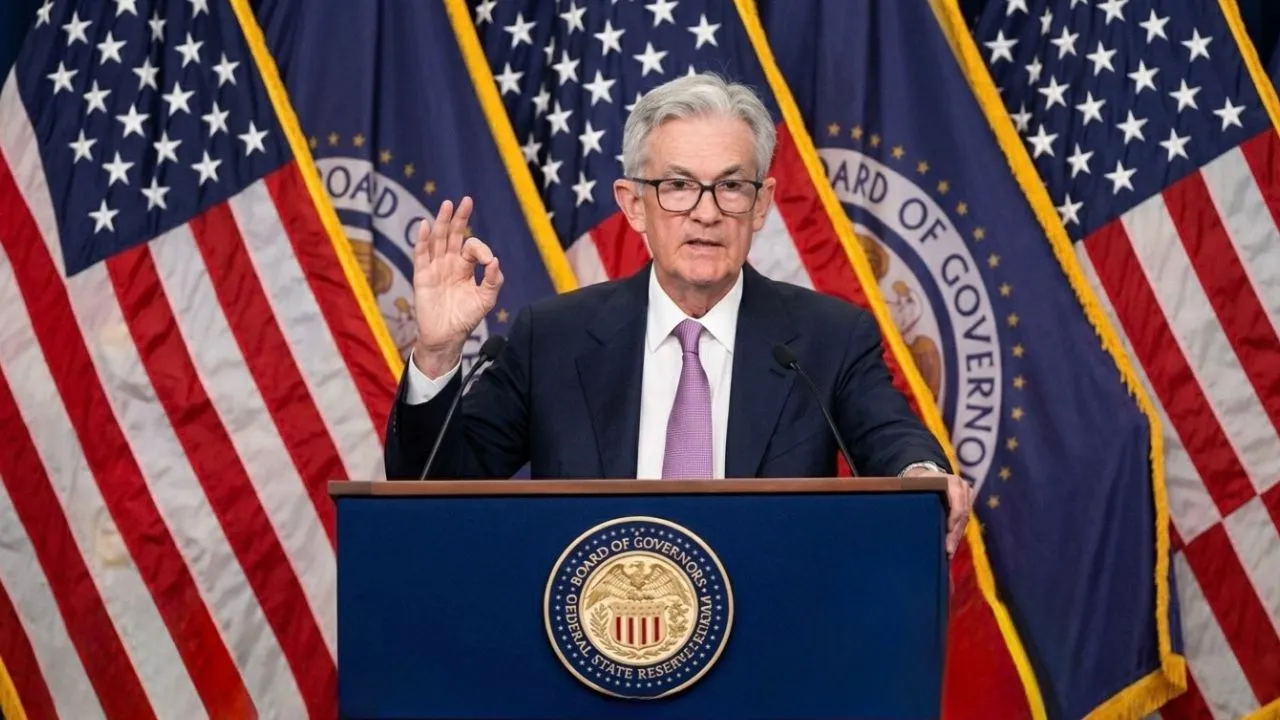
Their objection was not to holding rates, they agreed with the hold. Their objection was to the committee’s forward guidance signaling that rate cuts are eventually coming while inflation remains above the Fed’s 2 percent target for a fifth straight year.
Two incompatible positions sat inside the same committee room on the same day. One governor said rates are too high. Three presidents said the committee should stop promising they will come down.
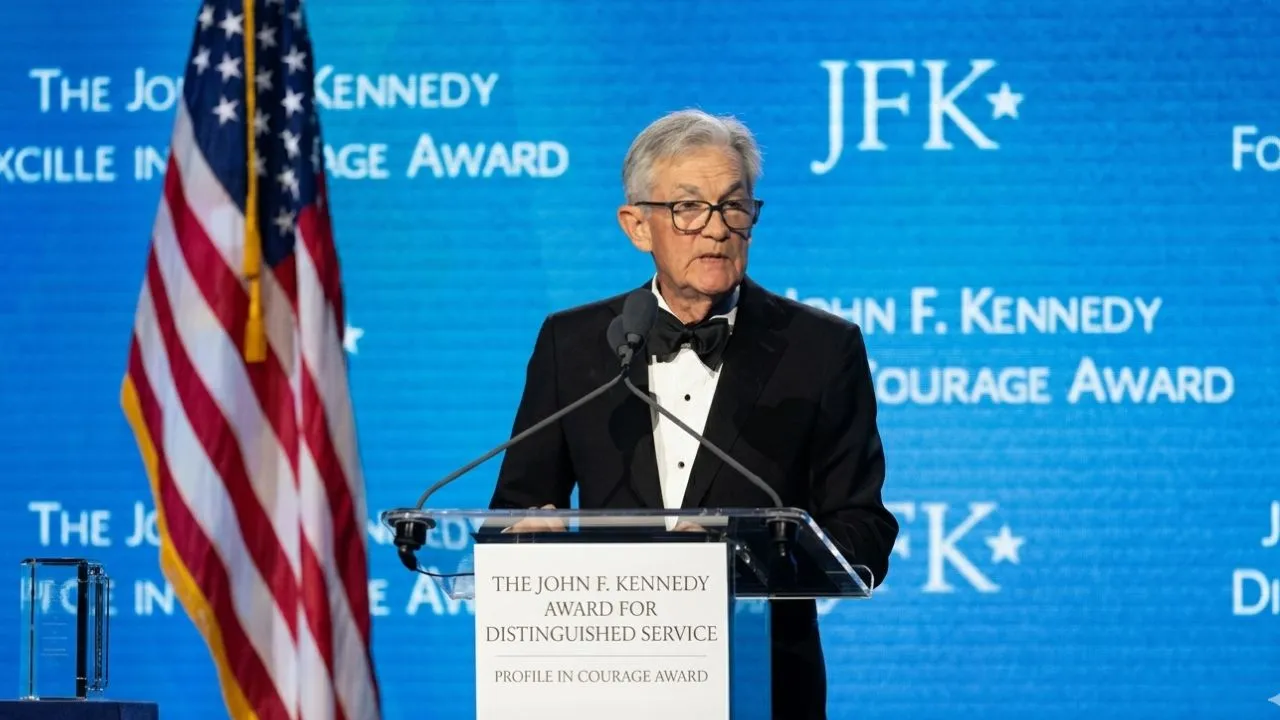
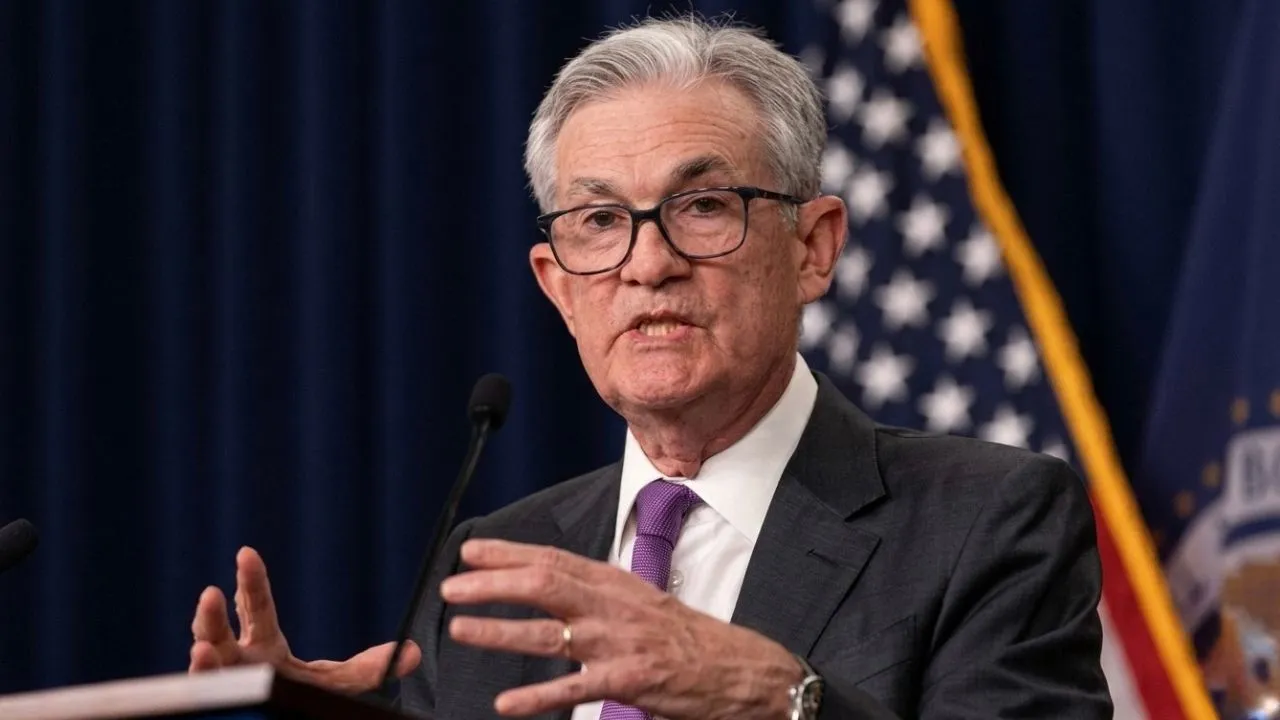
Jerome Powell, in what was his final press conference as Fed chair, held the line between them and held rates steady. That balancing act now transfers entirely to Kevin Warsh. The Fed’s role here is strictly monetary: it sets the federal funds rate, which influences what banks charge each other for overnight loans.
The actual movement of federal payments including Social Security deposits and IRS refunds runs through the Bureau of the Fiscal Service at the U.S. Treasury and the Federal Reserve’s FedACH network, which are separate institutional functions. Understanding this distinction helps clarify why a rate decision affects your savings account rate but not the timing of your next federal deposit.
What the Fed Rate Hold Means for Your Savings and Debt Right Now
High-yield savings accounts at online banks track the federal funds rate closely. When the Fed holds, those rates hold with it. If your savings account rate has quietly drifted lower in recent weeks, that is a bank-level adjustment, not a Fed mandate and it is worth comparing competitors right now while top rates remain competitive. The fed rate hold gives you no new pressure to move, but no new reason to wait either.
Variable-rate debt is the other side of this equation. Credit cards, home equity lines of credit, and variable personal loans are all priced off the federal funds rate.
No cut means no relief. For households carrying revolving credit card balances, this decision is a continuation of elevated interest costs with no relief date confirmed. The hawkish dissents from Hammack, Kashkari, and Logan suggest that at least three Fed officials believe those relief dates should be pushed further out, not pulled forward.
Mortgage rates are driven more by the 10-year Treasury yield than by the federal funds rate directly. The 10-year yield traded near 4.41% on April 29. That level does not support a meaningful drop in 30-year fixed mortgage rates. First-time buyers face the same affordability calculation they faced a month ago. The federal reserve policy environment has not changed in their favor.
Certificates of deposit are worth addressing specifically. With genuine uncertainty about where rates go under Warsh and with four dissents signaling internal disagreement rather than a clear directional consensus, trying to time a CD purchase around rate speculation is particularly difficult right now.
If today’s available rate meets your savings goal, lock it. If you are waiting for a cut that three of four dissenters actively opposed telegraphing, you may wait longer than the market currently prices.
The Warsh Transition Starts With a Fractured Committee
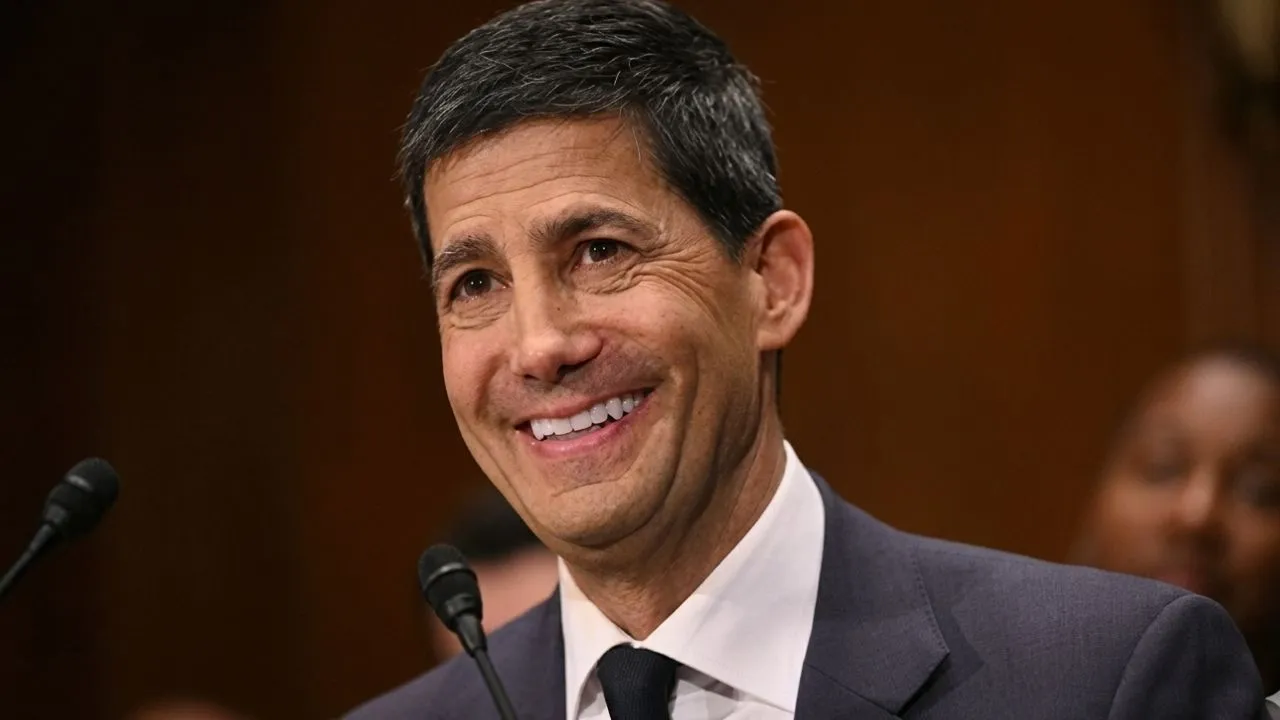
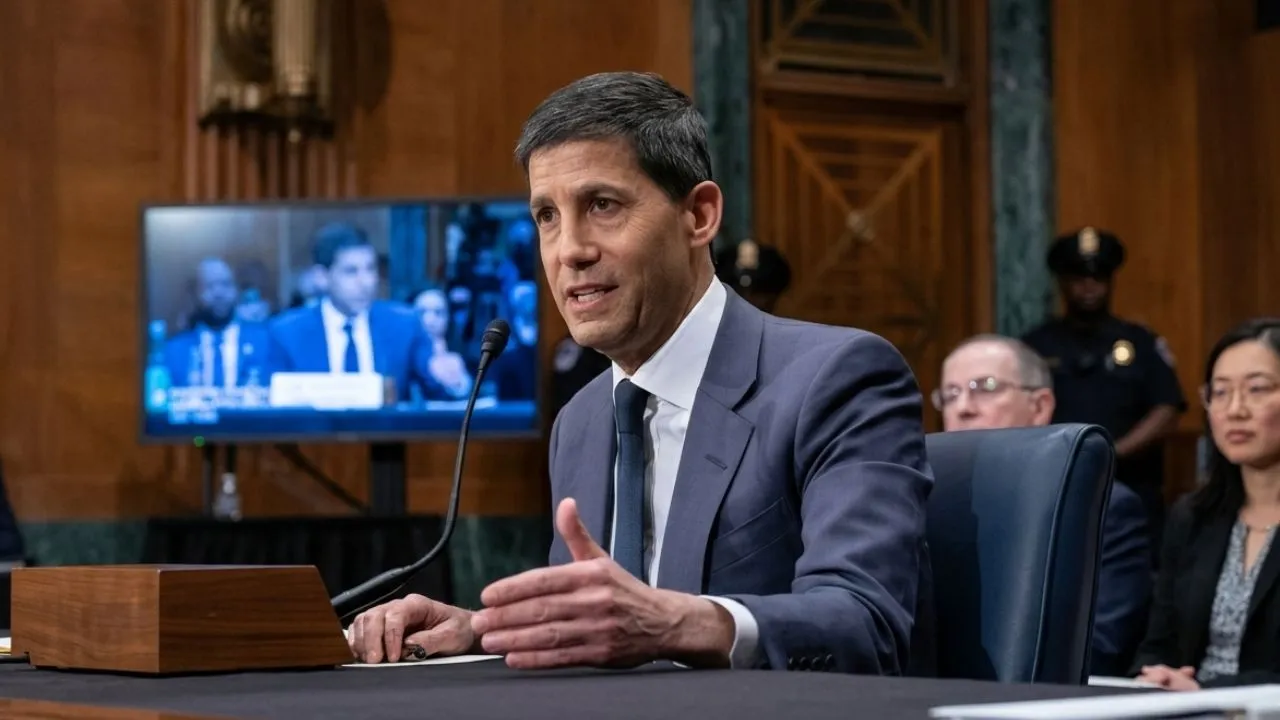
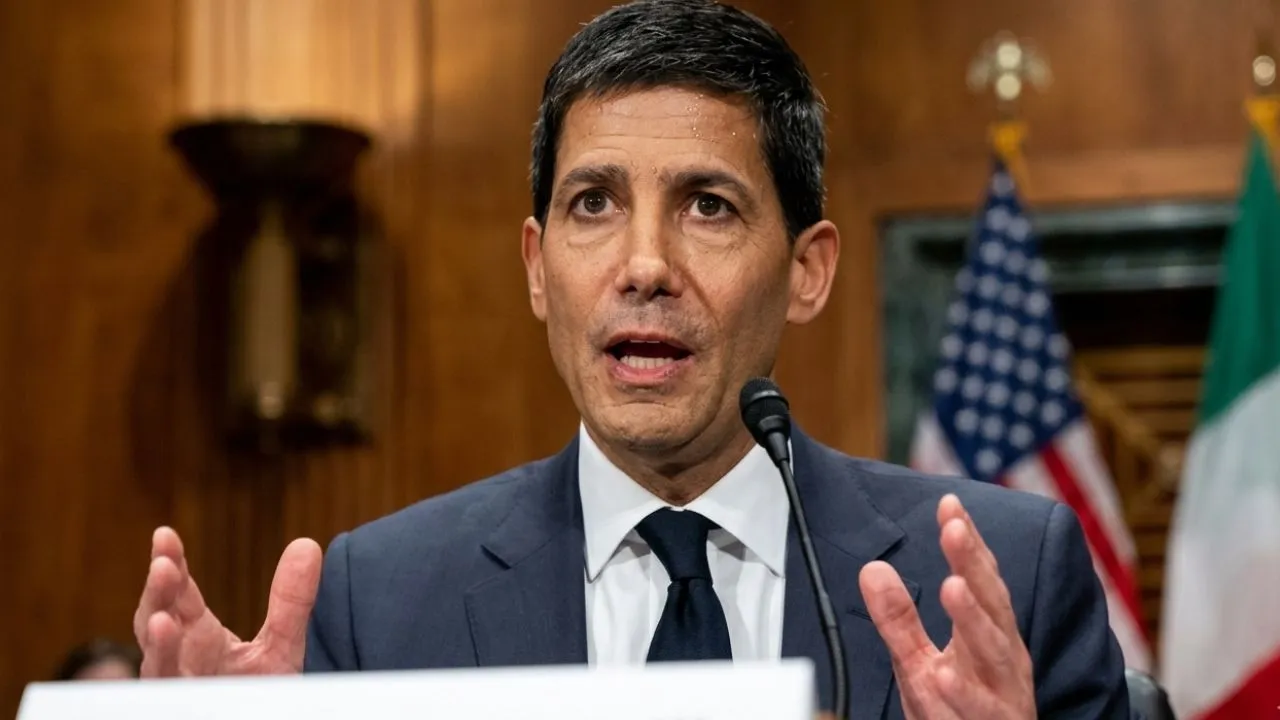
Jerome Powell’s term as Fed chair ends May 15, 2026. The Senate Banking Committee voted 13–11 on April 29 to advance Kevin Warsh’s nomination to the full Senate. A final confirmation vote is expected the week of May 11. If confirmed on schedule, Warsh takes the chair before Powell’s term expires. Source: senate.gov
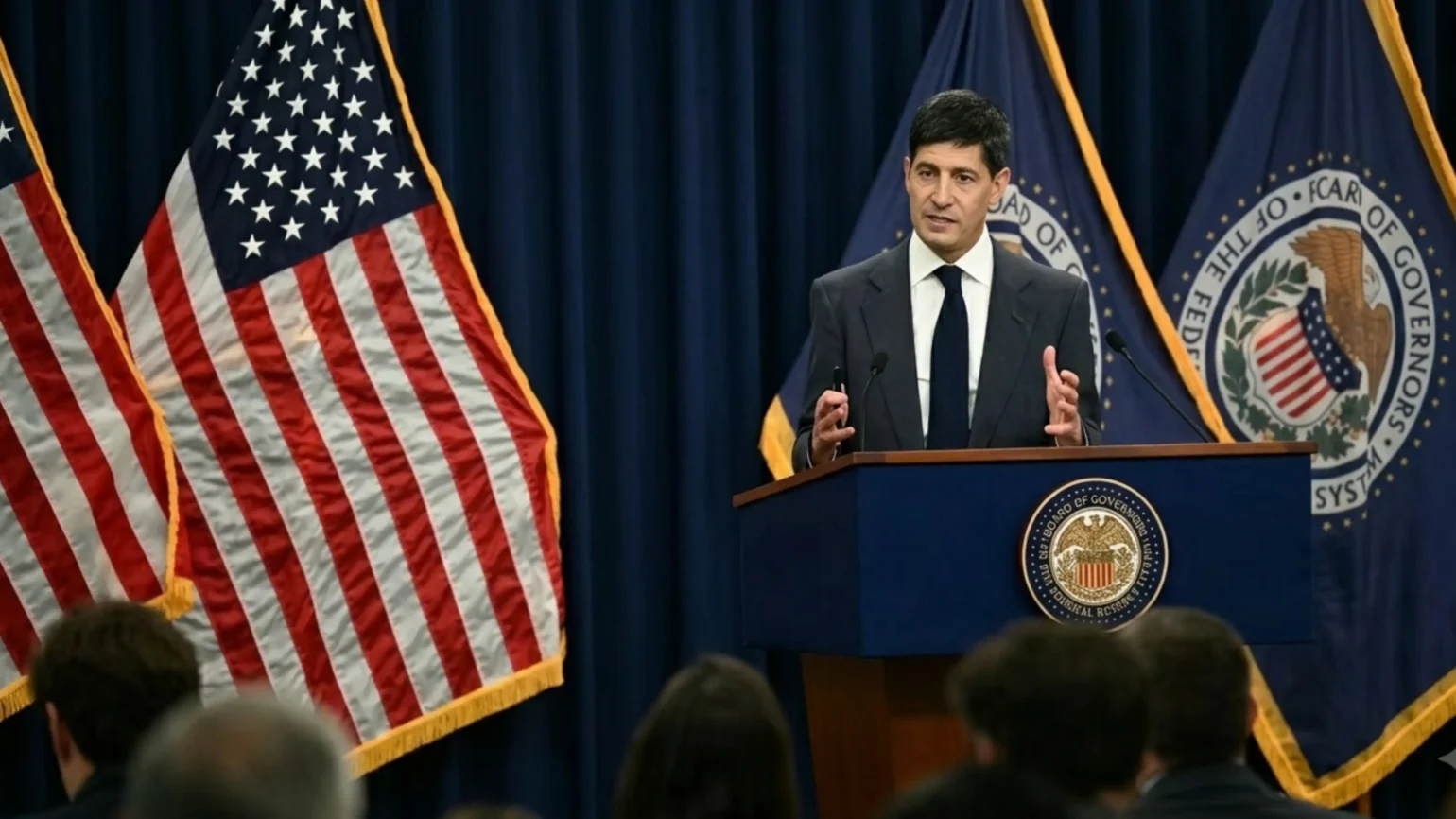
Warsh walks into a committee that is already publicly divided. During his confirmation hearing, he called the Fed’s 2021 and 2022 inflation response a policy error and said the central bank needs what he described as regime change in its communications approach.
He specifically supports reducing forward guidance, which is precisely what Hammack, Kashkari, and Logan objected to seeing in the April 29 statement. Warsh’s instincts and the three hawkish dissenters appear to be aligned on that specific issue.
But Warsh replacing Miran does not simply hand a majority to either camp. The three hawkish dissenters are regional bank presidents whose FOMC votes rotate on an annual schedule.
Warsh will need to build a working consensus on a committee that just demonstrated, publicly, that no such consensus currently exists. His first decision as chair. whether to signal a cut, hold the line, or change the communication framework entirely will tell markets more than anything he said during his confirmation.
Powell said at his final press conference that he will remain on the Fed’s Board of Governors. His governor term runs through January 31, 2028. Powell could remain a voting member of the FOMC even after Warsh takes the chair a dynamic with no close recent precedent. For detailed context on what this means for the rate path, see the Warsh nomination analysis and the FOMC May preview.
What You Should Do Now
- Check your high-yield savings rate today. The Fed rate hold means top rates should stay competitive. If your bank has trimmed its rate quietly, compare current offers before the Warsh era introduces new uncertainty.
- Treat variable-rate debt with urgency. No cut means no relief. If you carry a credit card balance, the paydown math is identical today to what it was before April 29.
- Don’t time a CD around rate speculation. Four dissents mean genuine disagreement about what comes next. Lock a rate that works for you today rather than waiting on a direction that three Fed officials actively opposed signaling.
- Watch the May 11 Senate vote. Warsh’s confirmation is the next concrete event that will move market rate expectations. See our savings rate guide for what to watch and when.
- Understand the institutional separation. The Fed sets monetary policy. Treasury and FedACH disburse your federal payments. A rate hold does not delay your Social Security check or IRS refund, those run on a separate institutional track. Learn more about FedACH .
The fed rate hold of April 29, 2026 is not simply another pause. It is the clearest picture yet of a committee that cannot agree on what comes next, handed to a new chair who has publicly criticized how the previous one communicated. The next six months will show whether Warsh can build consensus where Powell left division.
Editorial Note: Investozora is an independent news publication. This content is for informational purposes only. For official guidance, please visit federalreserve.gov.