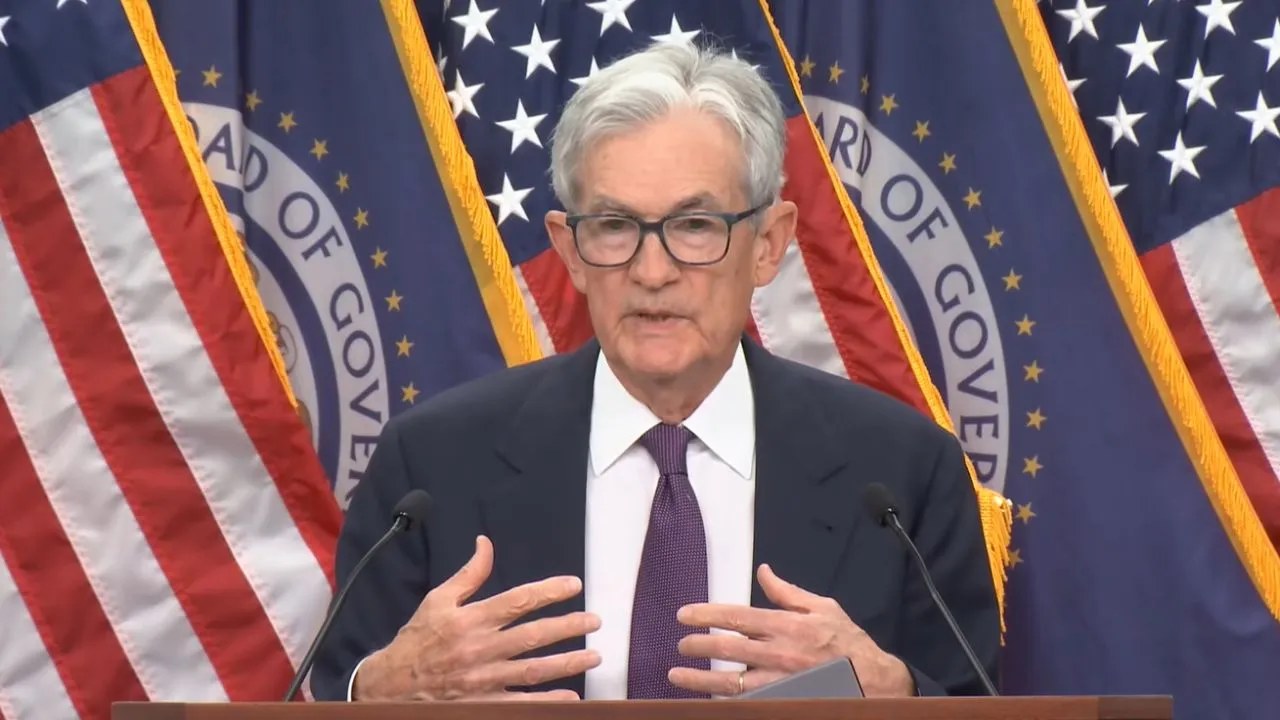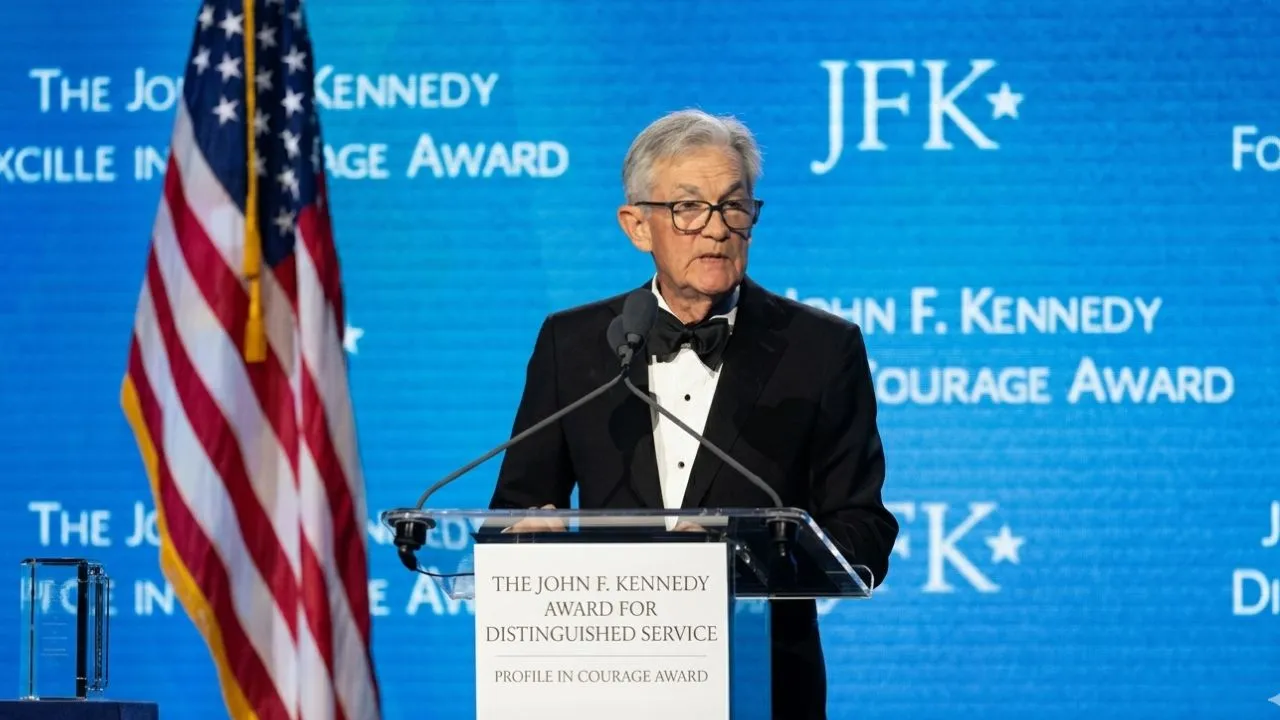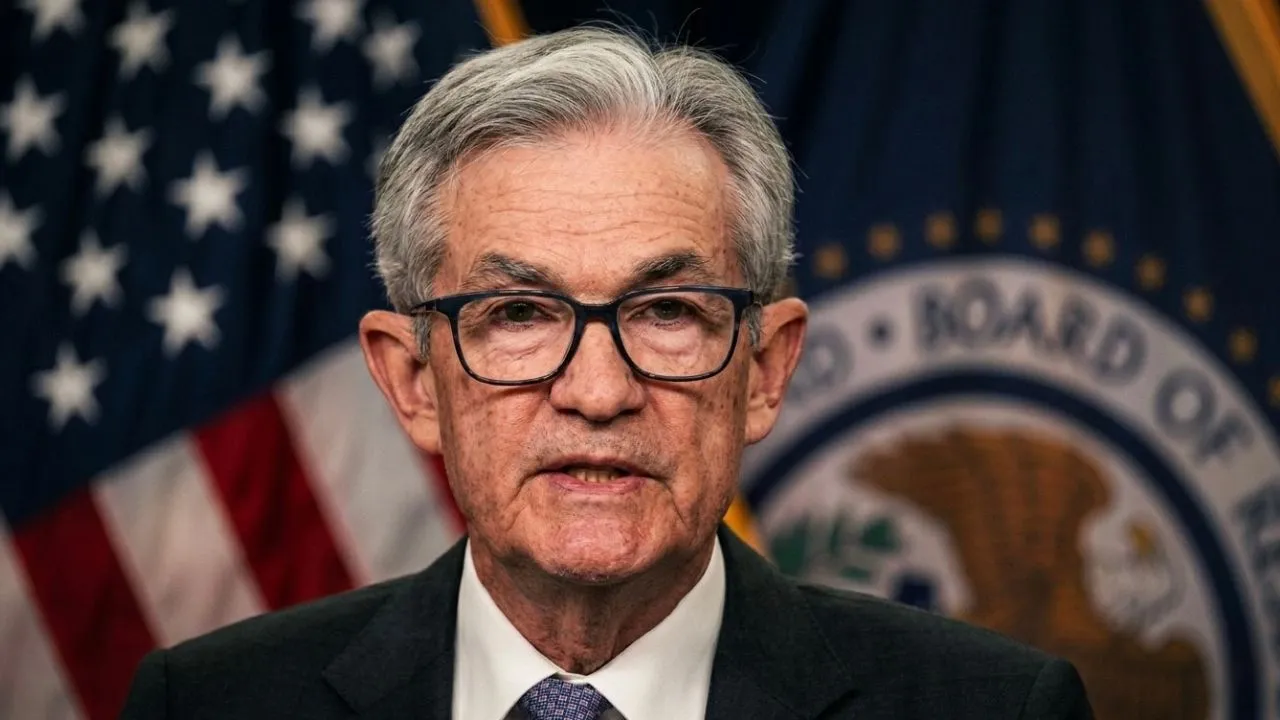
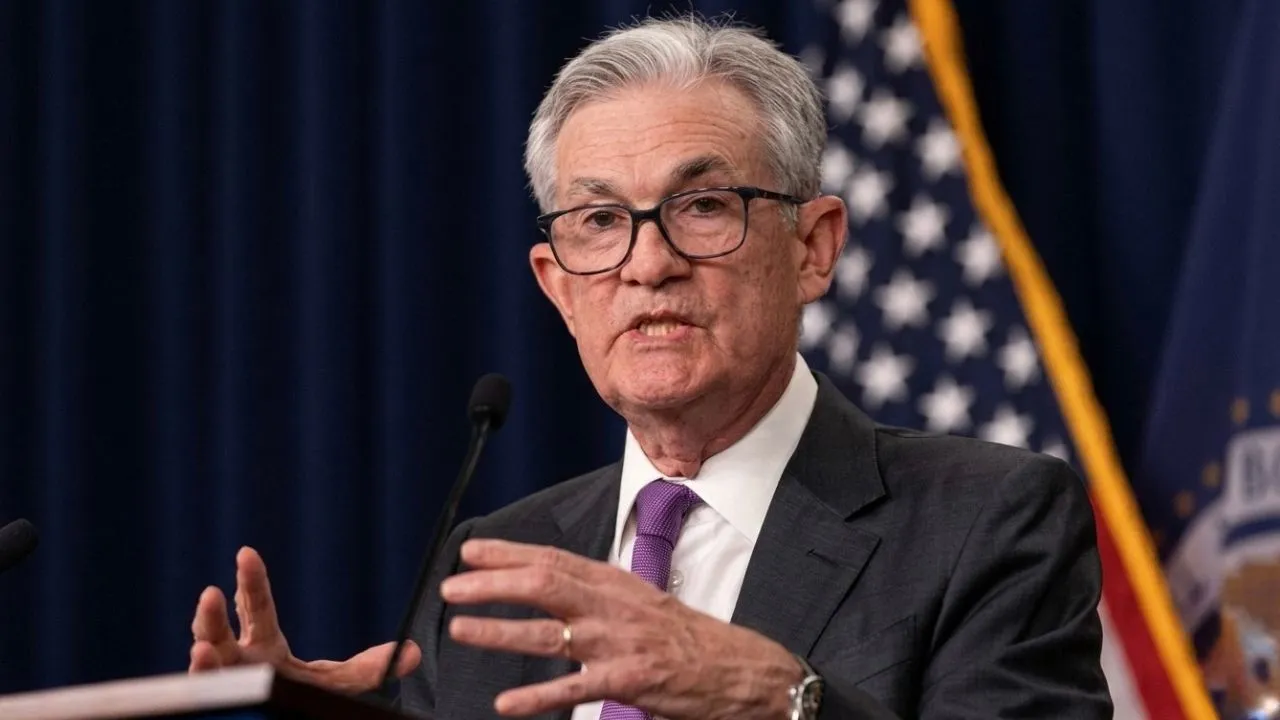
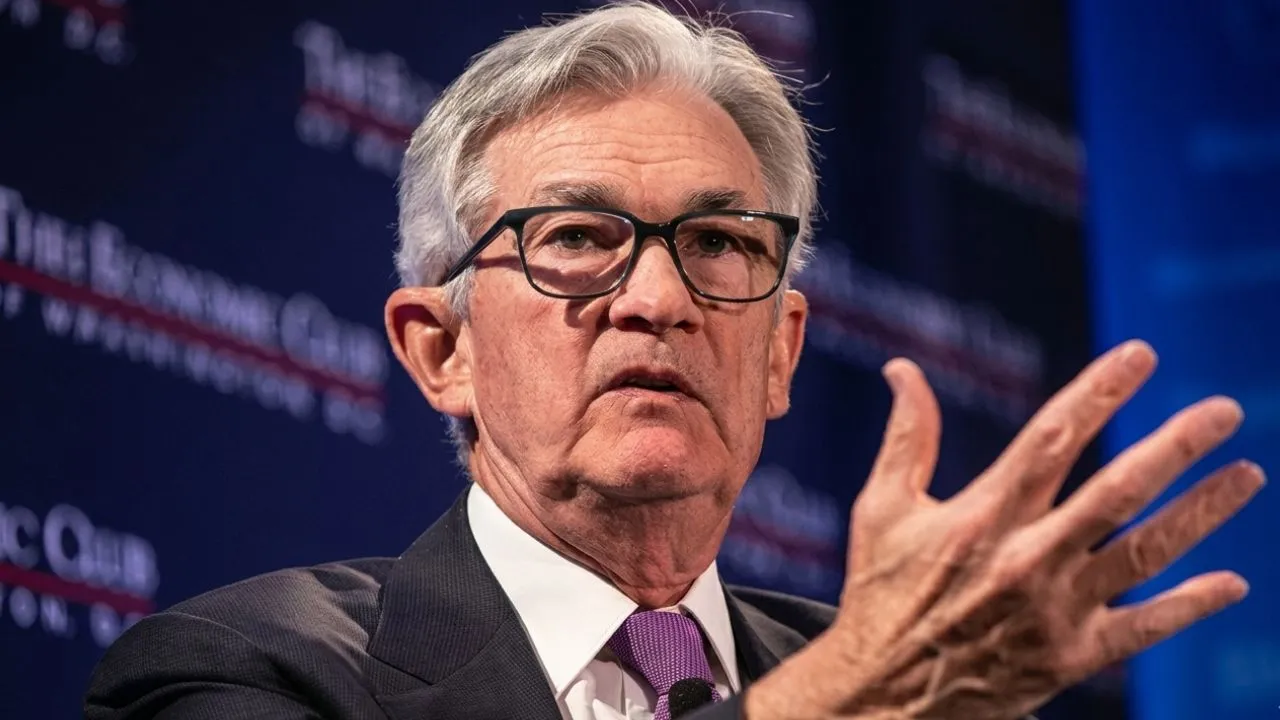
Jerome Powell is no longer the chair of the Federal Reserve after May 15. But he is not leaving. And that single fact, confirmed by Powell himself at his April 29 press conference, changes everything you thought you understood about who controls your interest rates for the next two years.
Powell will remain on the Federal Reserve’s Board of Governors through January 2028. He will sit at the same table as his successor, Kevin Warsh.
He will cast a vote at every Federal Open Market Committee meeting the votes that directly determine whether your savings account pays more or less, whether mortgage rates stay elevated, whether your CD rate holds. This is not a formality. This is the most unusual arrangement the Fed has seen since 1948. And it matters to your money in specific, concrete ways.
What Actually Happened on May 15 — And Why It Has Not Happened Since 1948
Most people assume that when a Fed chair’s term ends, they leave. That is almost always true. The chair role and the governor role are technically separate positions under the Federal Reserve Act. A chair who is also a sitting governor can choose to stay on the Board of Governors even after the chair term expires.
Almost no one ever does. The last Fed chair to make this choice was Thomas McCabe in 1948, 78 years ago.
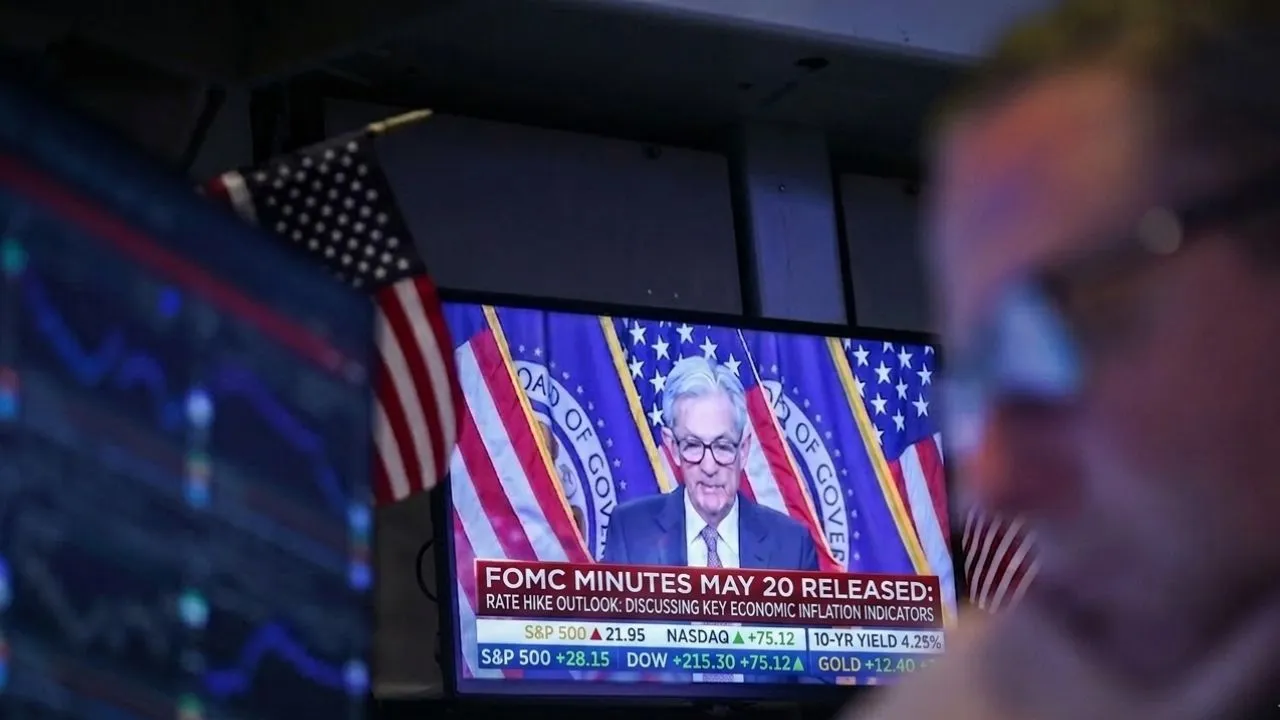
Powell made it. At his April 29 press conference, he explained why in direct terms. He cited what he called “unprecedented” attacks on the Fed’s legal independence calling them unprecedented in the institution’s 113-year history and said the events of recent months left him with no choice but to stay.
His exact words set the boundary clearly: “I plan to keep a low profile as a governor. There’s only ever one chair. When Kevin Warsh is confirmed and sworn in, he will be that chair.”
Powell understands the line. He is not the chair. He is one of seven governors. But he is a voting governor and that distinction carries enormous weight for the rate environment you are living in right now.
What Powell Staying Means for Your Savings Account, CD, and Mortgage Rate
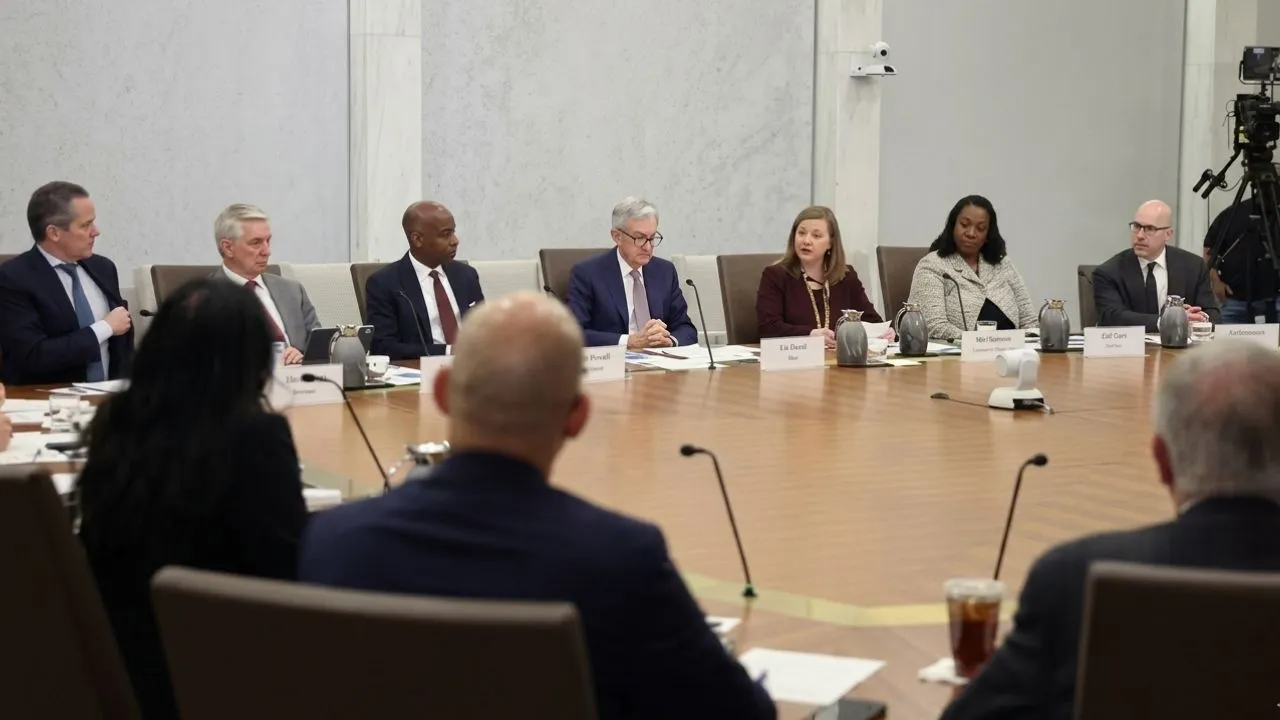
The Federal Open Market Committee sets the federal funds rate, the rate that ripples through every savings account, every CD, every adjustable-rate mortgage in the country. The committee is composed of Fed governors and regional bank presidents. Governors always vote. The April 29 rate decision was held at 8 to 4, the most dissenting votes since 2022.
With Powell on the board, President Trump’s confirmed appointees, Christopher Waller and Michelle Bowman represent two of seven governors. When Warsh is confirmed and his predecessor Milan Miran’s seat turns over, Trump gains three of seven. That is not a majority of the Board of Governors. Powell’s presence is the structural reason why.
Three regional bank presidents , Hammack, Kashkari, and Logan dissented in April against any easing bias. That combination of governor division and regional hawkishness means rate cuts face real internal resistance even after Warsh takes the chair.
For savers, this is relevant and specific. The Fed’s rate hold directly supports the elevated yields you are earning on high-yield savings accounts and CDs. A divided FOMC cannot shift quickly toward rate cuts. The floor under your deposit rate stays higher for longer.
For mortgage holders watching the 30-year fixed rate, the dynamic is indirect but real, the 10-year Treasury yield, not the fed funds rate directly, drives fixed mortgage pricing, but a committee that cannot reach consensus on easing keeps long-term rate expectations anchored higher.
The Fed sets the benchmark rate, and the Bureau of the Fiscal Service at the U.S. Treasury then handles the actual disbursement of federal payments through the FedACH network, a reminder that the rate environment Powell helps set flows downstream through every government payment in the country. For a full explanation of how that pipeline works, see the payment system guide.
What Warsh Inherits — And Why June 16 Is the Real First Test
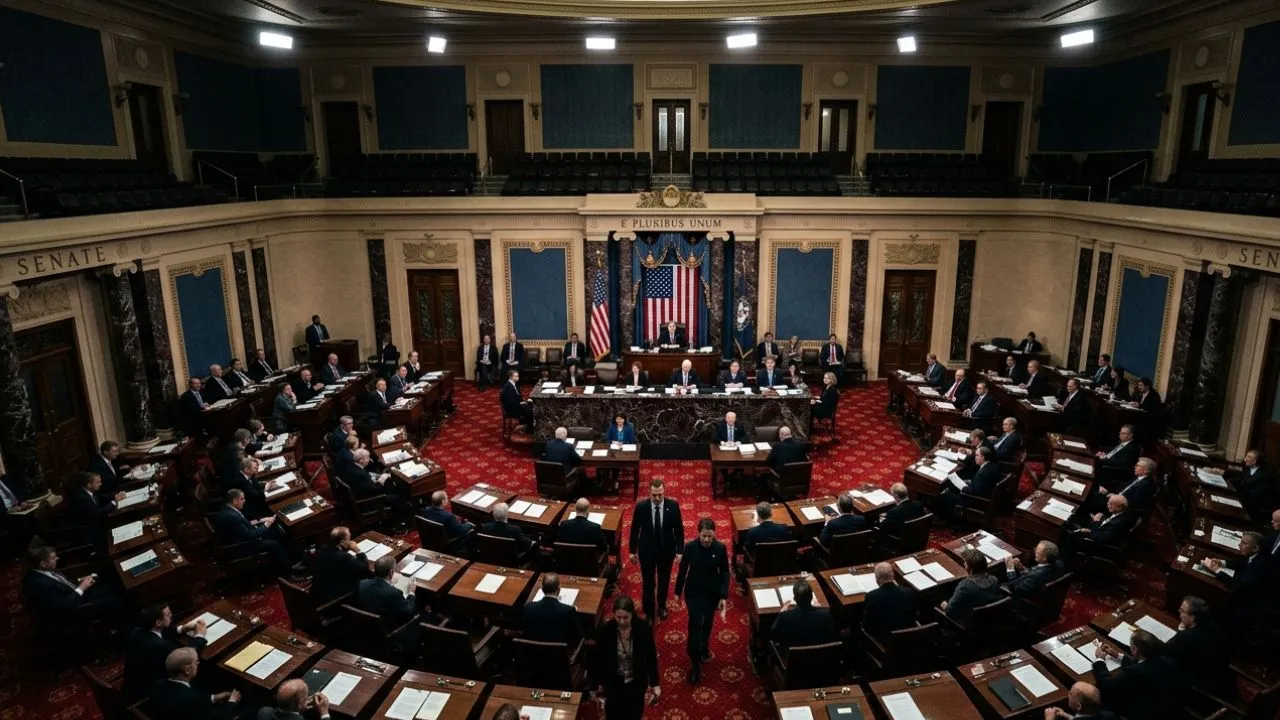
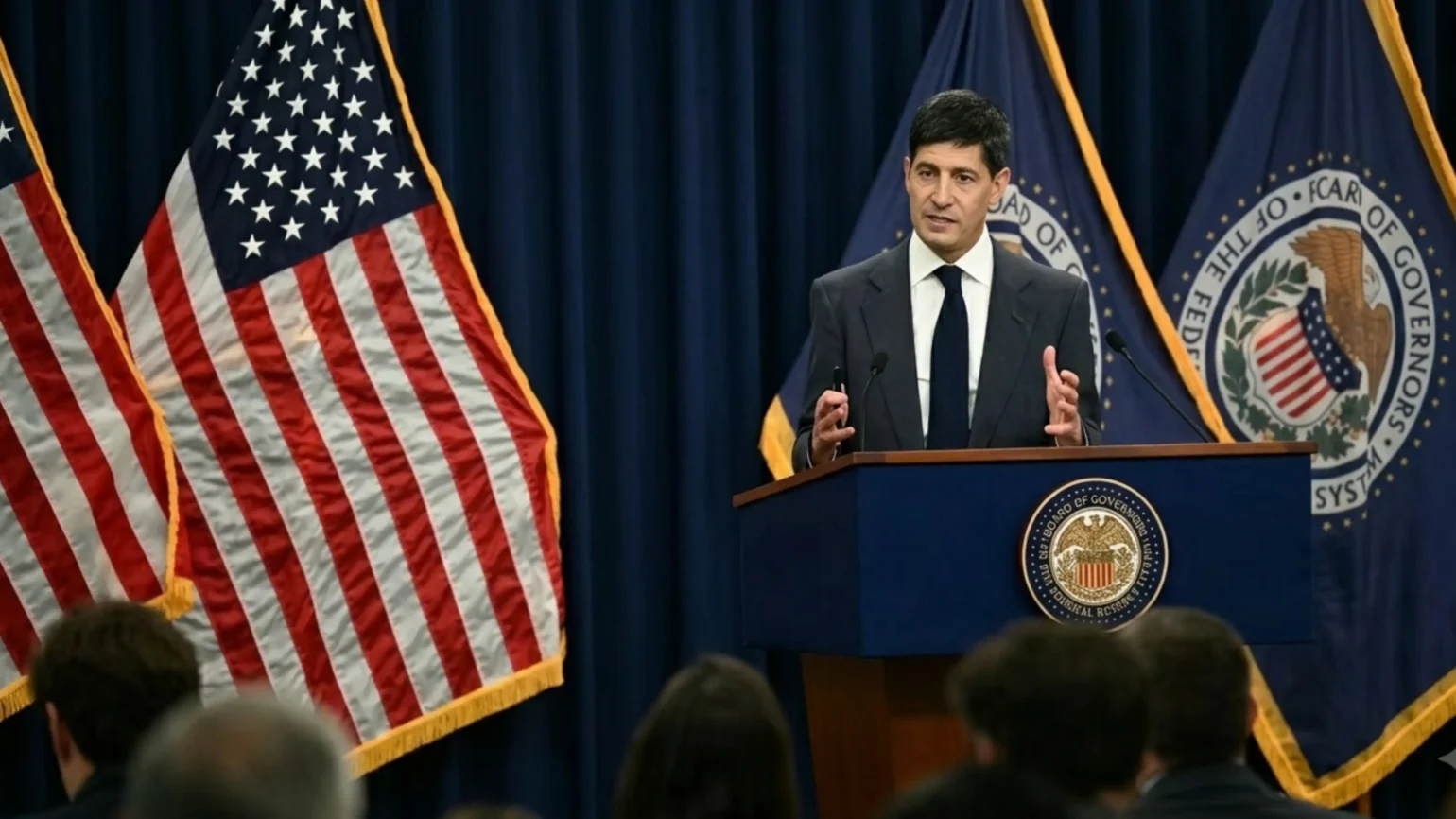
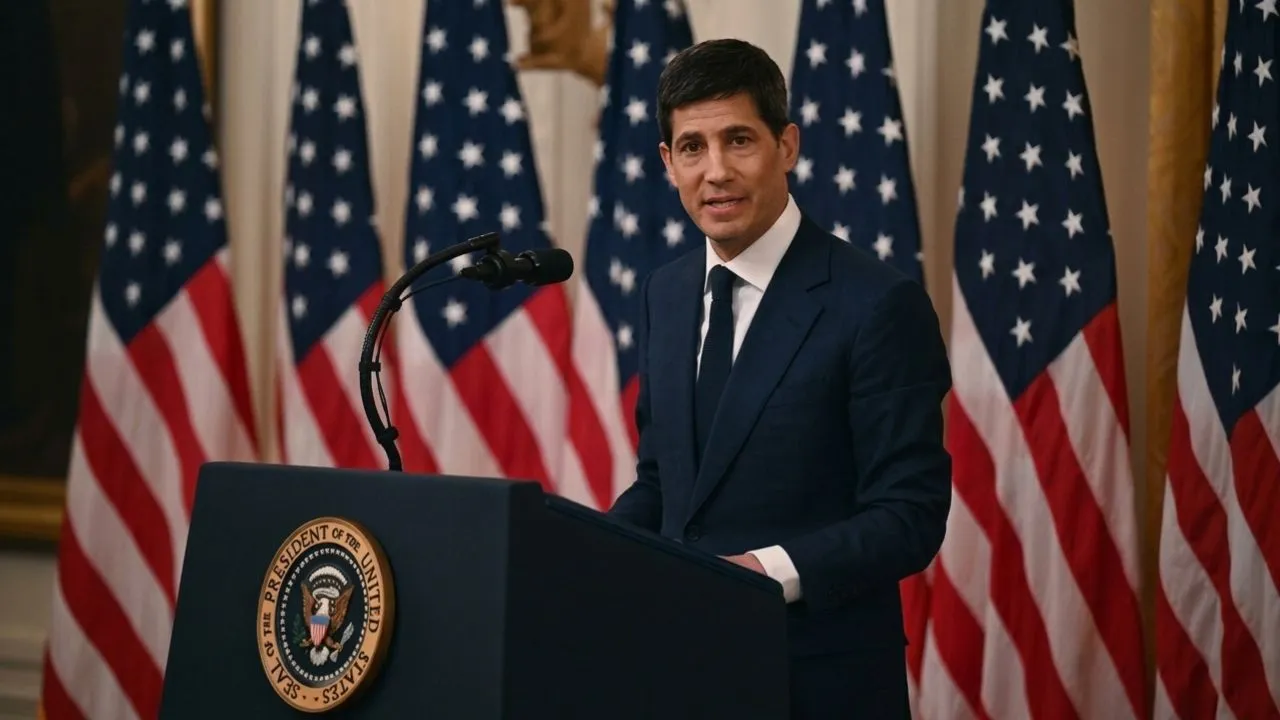
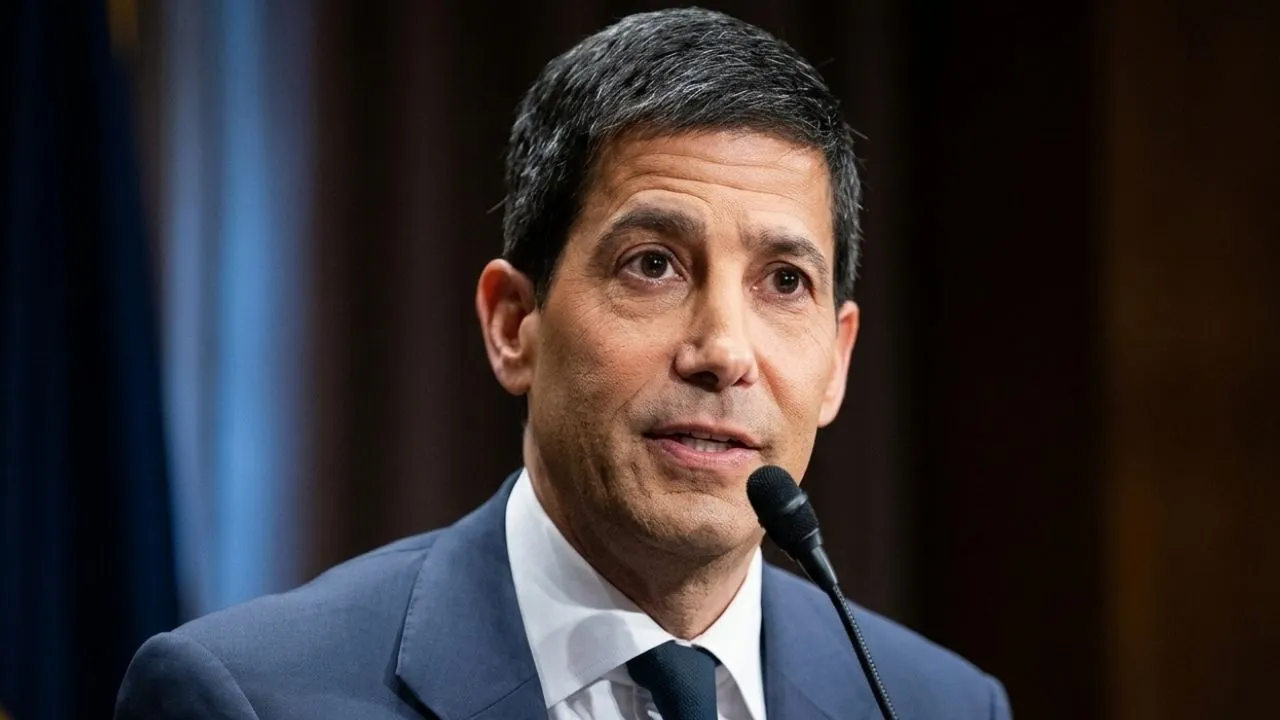
Kevin Warsh is expected to be confirmed by the Senate during the week of May 11. If the confirmation vote proceeds on schedule, he will be sworn in before May 15, technically becoming chair on the same day Powell’s chair term formally ends.
Warsh arrives with a distinct policy philosophy. He has called the Fed’s 2021-2022 inflation response the “biggest mistake in four decades.” He has signaled skepticism of the Fed’s current communication approach. He has hinted at greater flexibility on rates than the current committee consensus suggests.
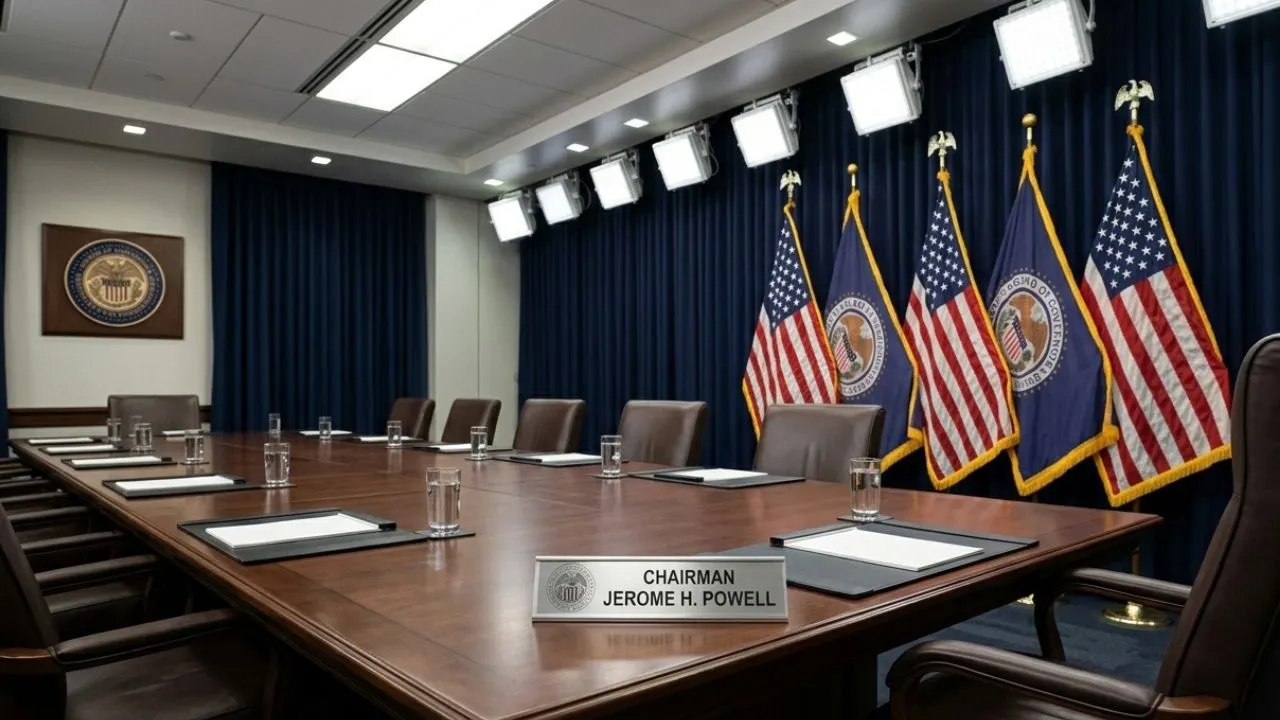
But Warsh cannot move rates alone. The chair controls the agenda, the communication, and the institution’s public voice. The chair does not control the vote. To change policy direction, Warsh needs a committee majority and on June 16-17, at his first FOMC meeting as chair, he will sit across the table from Jerome Powell.
If Powell votes opposite Warsh at that meeting, it will be the most unusual FOMC meeting in modern Fed history: a former chair actively dissenting from his successor’s first decision in the same room. That scenario is not guaranteed.
Powell said he plans to keep a low profile. But the structural possibility exists and it is the reason the June 16-17 meeting is the single most important Fed event of 2026. For full context on that meeting and its potential market impact, see the FOMC June preview and the detailed Warsh deposit impact analysis.
What Happens Next — The Timeline That Actually Matters
Week of May 11: Senate confirmation vote for Warsh. Watch for the vote count, any dissenting votes signal how much political cover Warsh has for rate moves in his first six months.
May 15: Powell’s chair term ends. Warsh is sworn in. Powell becomes Governor Powell.
June 16-17: First Warsh FOMC meeting. The committee statement will contain the first signal of whether Warsh moves toward any policy shift. Watch specifically for any change in the language around the easing bias. The April 29 statement held that language in place. Any modification at June 16-17 is the real first move of the Warsh era.
Through January 2028: Powell votes at every single FOMC meeting. That is approximately ten more rate decisions before his board term expires. Every one of those decisions is a potential check on any rapid policy shift.
The rate environment you are in today, elevated but stable is the environment you should plan around through at minimum June 17. See the complete Fed policy explained guide and the rate decisions deposits analysis for how these decisions flow through to your specific accounts.
What You Should Do Now
- No rate change is expected before June 16-17, the rate environment through that date is stable. Plan your CD and savings strategy accordingly.
- If your CD matures before June 17, lock a competitive rate today. Do not wait for a cut that the committee cannot agree on.
- Watch the Senate confirmation vote during the week of May 11. Warsh confirmed means the transition is official. Watch the vote margin.
- After June 16-17, read the FOMC statement for any change in easing bias language. That is the first real policy signal of the Warsh era.
- Track the full April dissent analysis to understand which governors are most likely to shift position under Warsh’s leadership.