 Prefer Investozora on Google
Get real-time financial updates.
May 6, 2026 • 3:45 AM ET
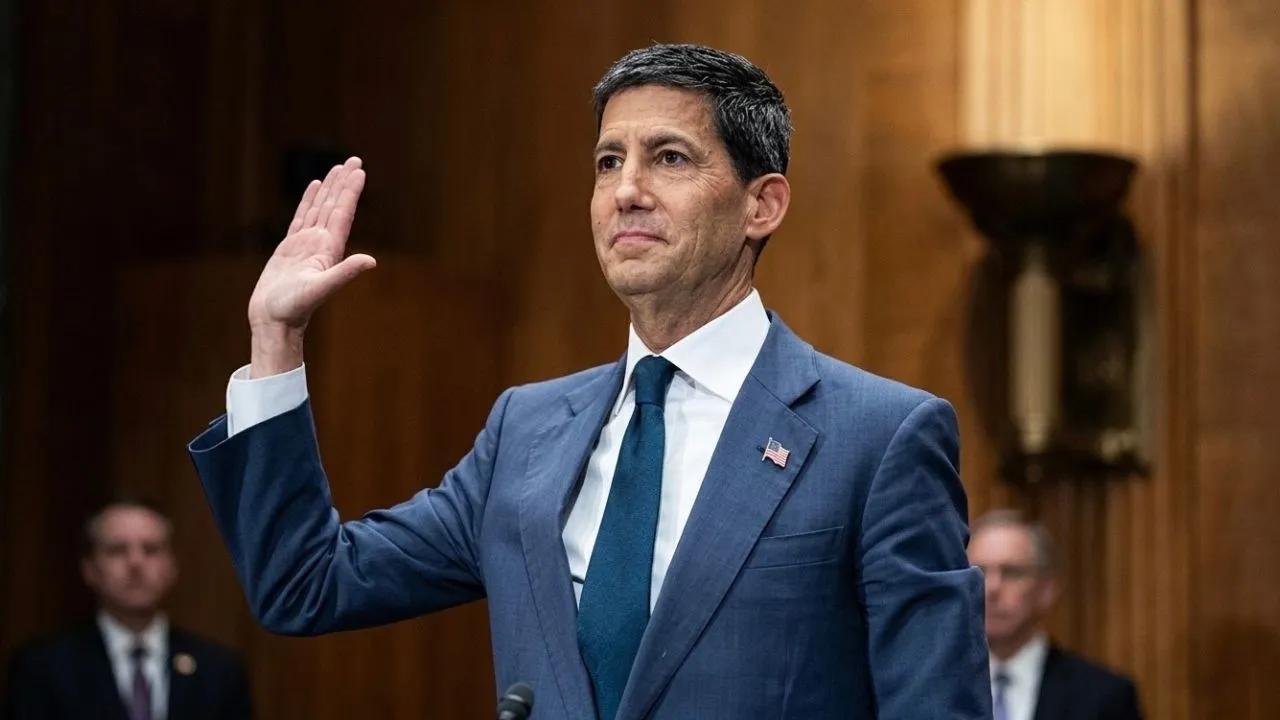
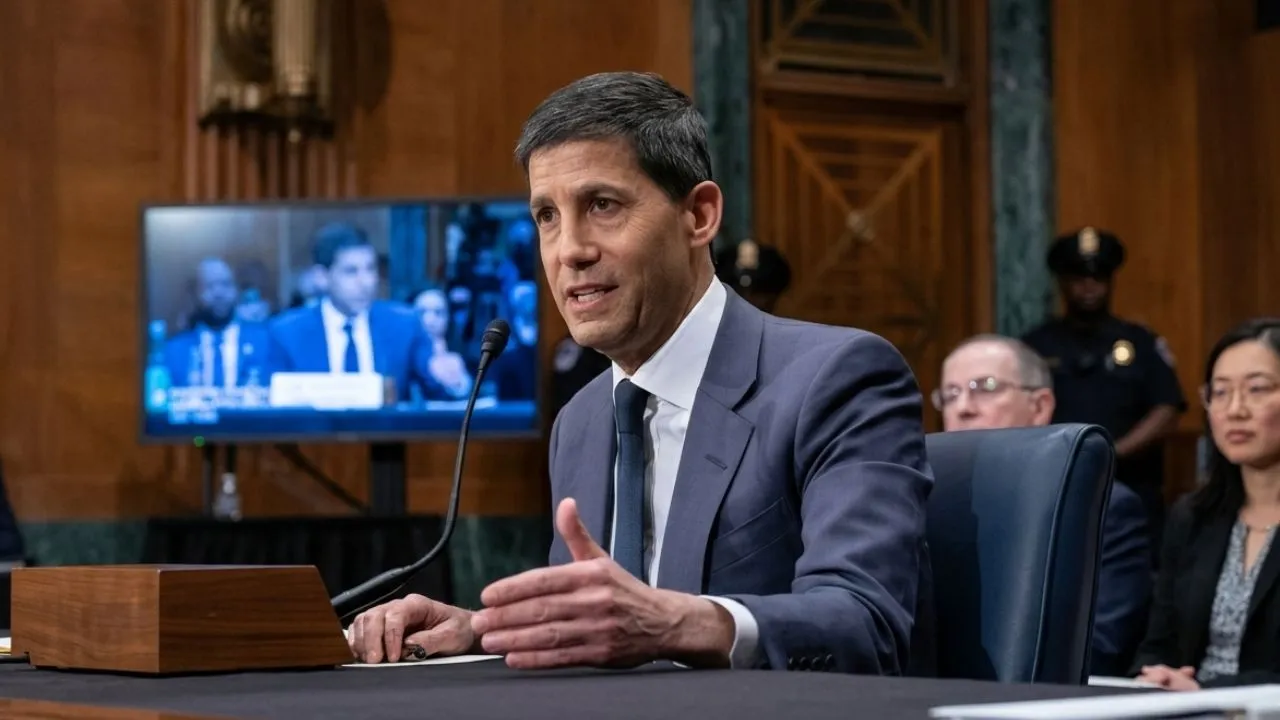
Kevin Warsh’s nomination as Federal Reserve Chair is before the full U.S. Senate pending a floor vote. As of today, no confirmed floor vote date has been publicly scheduled by Senate leadership. The Senate Banking Committee’s official status page at banking.senate.gov is the primary verified source for confirmation updates.
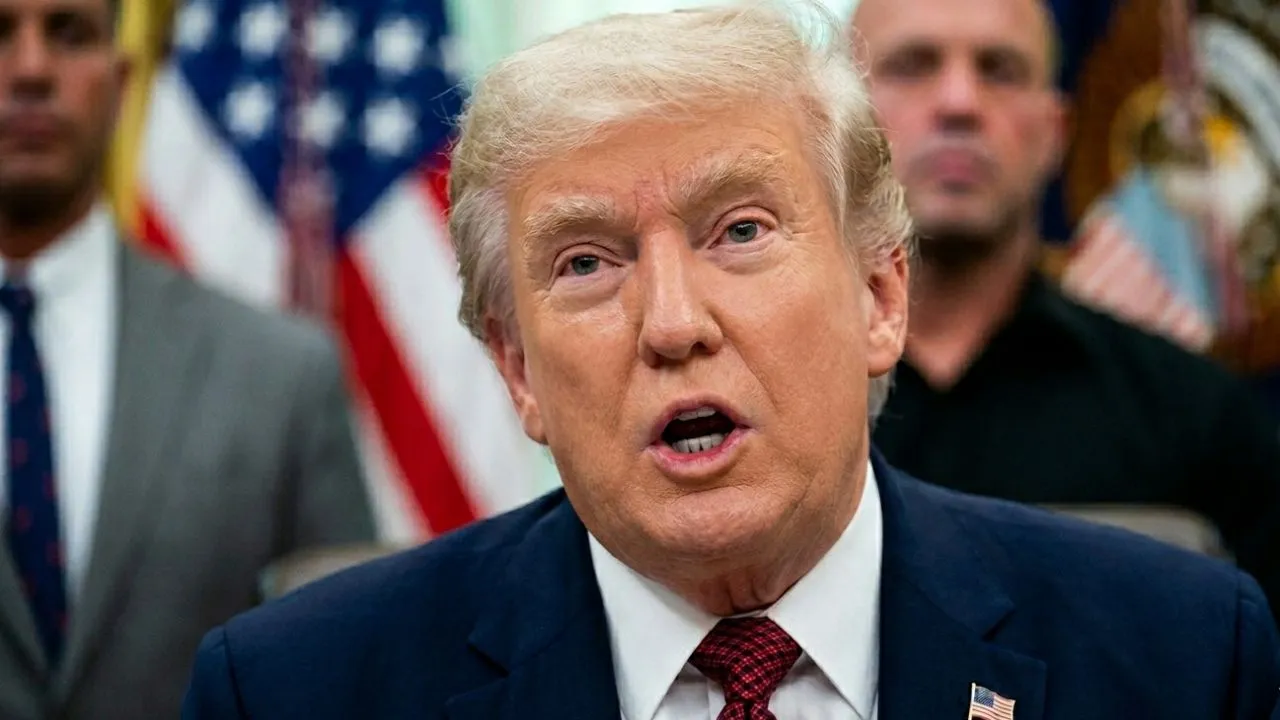
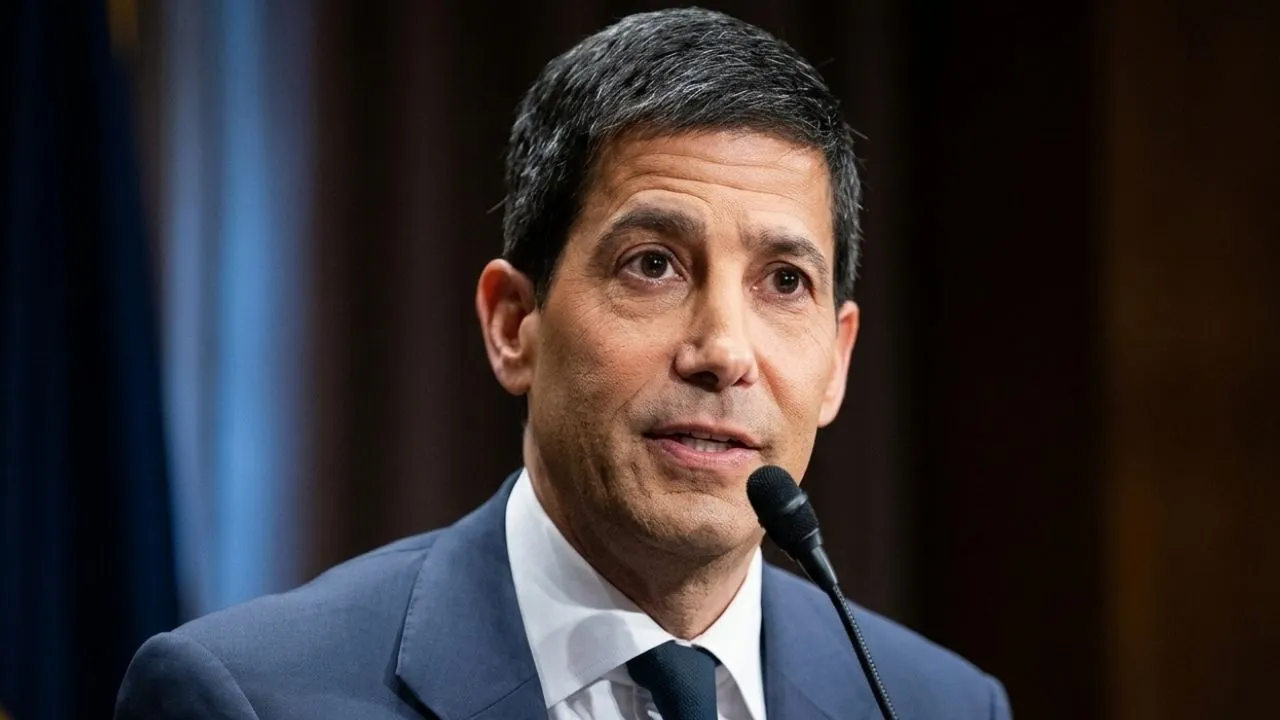
Kevin Warsh is one Senate floor vote away from becoming the most powerful financial official in the United States and that vote still has no confirmed date. Warsh, nominated by President Trump to succeed Jerome Powell as Chair of the Federal Reserve, cleared the Senate Banking Committee process and now awaits a full Senate confirmation vote that will determine who runs U.S. monetary policy for the next four years.
The Kevin Warsh confirmation is not just a political event. It is the decision that will set interest rates, influence inflation, and shape the cost of every mortgage, savings account, auto loan, and credit card in America for the foreseeable future.
The Federal Reserve Chair is nominated by the President and confirmed by the U.S. Senate under Article II of the Constitution. The Senate Banking Committee holds hearings and votes before the nomination moves to the full Senate floor.
A simple majority of senators present and voting is required for confirmation. The Federal Reserve’s structure is established under the Federal Reserve Act, and the Chair serves a four-year term leading the Board of Governors and chairing the Federal Open Market Committee, the body that votes on U.S. interest rates at eight scheduled meetings per year.
Where the Kevin Warsh Confirmation Stands Today
The Senate Banking Committee, whose membership roster and schedule are published at banking.senate.gov, is the formal gateway for Federal Reserve Chair nominations.
Warsh’s committee process has advanced, but the full Senate floor vote requires Senate Majority Leader scheduling. As of May 6, 2026, Senate leadership has not published a confirmed floor vote date in the official Senate legislative calendar.
This absence of a set date is itself a signal. Senate leadership schedules floor votes based on caucus alignment, available floor time, and political negotiations that are not always visible publicly. The Kevin Warsh confirmation has drawn attention to the question of bipartisan support. Confirmation requires a simple majority, meaning Republican leadership can confirm Warsh without Democratic votes if the caucus holds together.
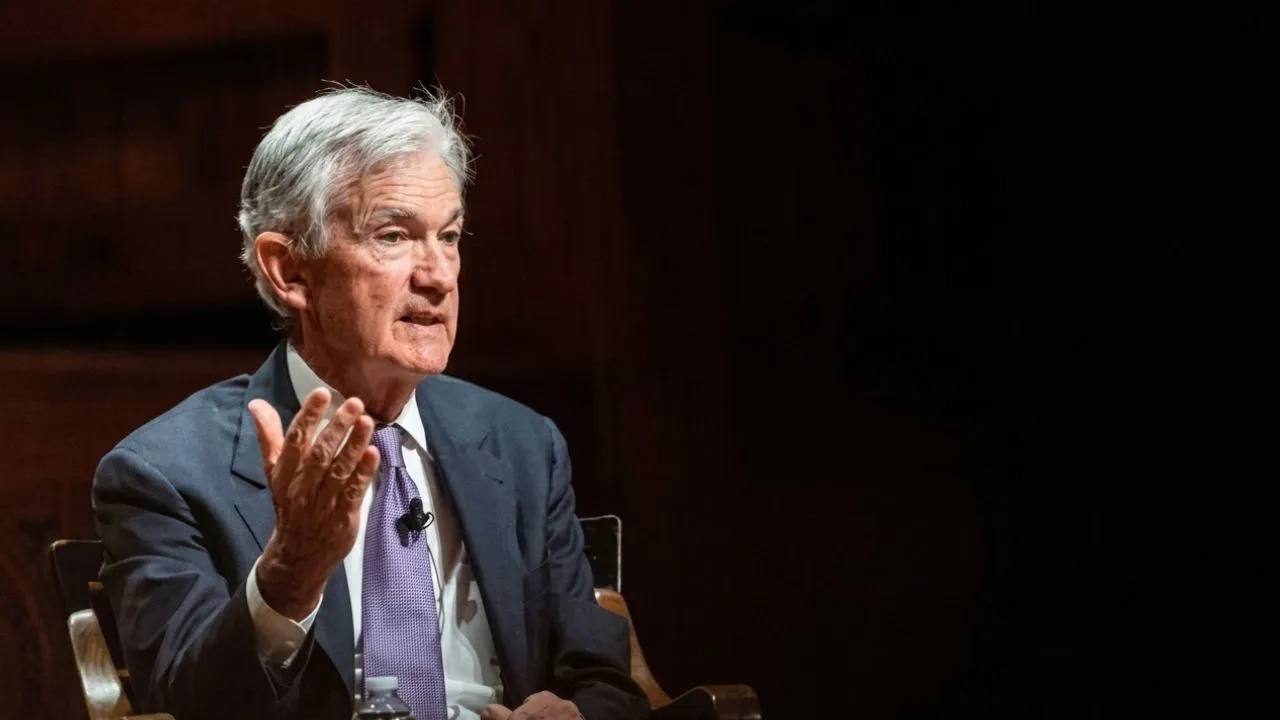
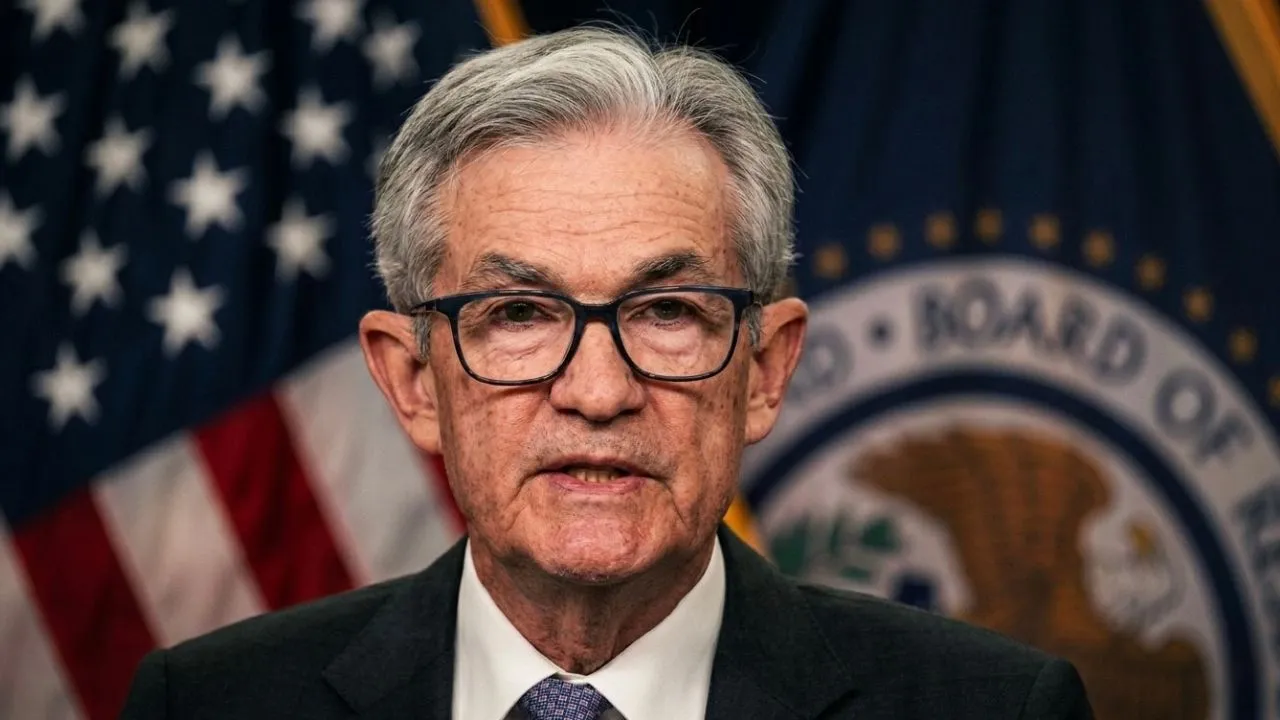
Jerome Powell, whose term as Chair has been superseded by Trump’s nomination of Warsh, remains a sitting member of the Federal Reserve Board of Governors. Under the Federal Reserve Act, a Chair who is replaced continues serving as a Governor until their Board term expires. Powell has confirmed he will remain on the Board.
This means Powell will continue voting at FOMC meetings, including today’s May 2026 FOMC meeting, regardless of when Warsh is confirmed. Readers who want to understand what Powell’s committee decided today can follow our full coverage of the FOMC May 2026 rate decision, which explains what the committee’s vote signals about current Fed direction.
What a Warsh Confirmation Means for Interest Rates
Kevin Warsh’s monetary policy record is documented in his public speeches, congressional testimony, and his years of service on the Federal Reserve Board of Governors from 2006 to 2011. His positions from that period and his subsequent public writing signal a policy orientation that differs from Powell’s approach in meaningful ways. Understanding those differences matters for anyone with a mortgage, savings account, or variable-rate debt.
Warsh has historically emphasized the risks of keeping monetary policy too loose for too long. During his time as a Governor, he was among the first to advocate for the Fed to begin withdrawing post-crisis accommodation earlier than the committee ultimately did.
His public writing since leaving the Fed has consistently emphasized inflation discipline over economic stimulus. This orientation suggests a Warsh-led Fed would be more inclined to hold rates higher for longer, less inclined to cut aggressively in response to economic softness, and more attentive to long-term inflation anchoring than to short-term growth support.
For Americans with variable-rate mortgages, home equity lines of credit, or adjustable-rate loans, a Warsh-led Fed that maintains higher rates for longer means those payments stay elevated. For savers, a Warsh Fed is better news: high-yield savings rates and money market yields would remain attractive longer than they would under a more dovish chair.
The U.S. Treasury publishes daily yield curve data at Treasury interest rates, which shows the current market pricing of this rate path and where longer-term yields are trading as markets absorb the Warsh transition probability.
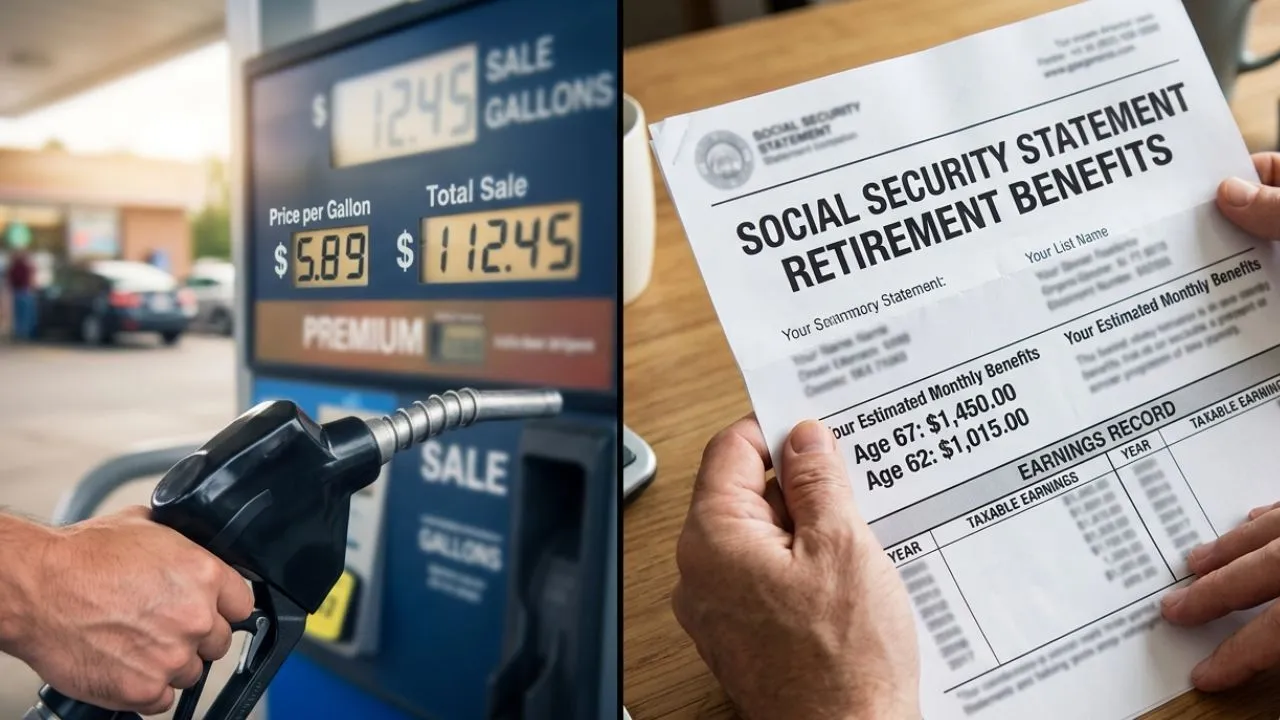
The Federal Reserve’s rate decisions flow into the U.S. payment infrastructure at an institutional level. The Bureau of the Fiscal Service at the U.S. Treasury uses the Federal Reserve’s Fedwire and FedACH systems to move Social Security payments, IRS tax refunds, and federal direct deposits to American households.
When Fed rate policy tightens financial conditions, that tightening travels through bank credit availability and the broader economic environment shaped by the FOMC, affecting every American who depends on the federal payment system. Our money movement system guide explains how these systems connect from the Fed’s rate decision all the way to your bank account deposit.
What Happens Next: The Warsh Confirmation Timeline
Three outcomes are now possible, and each has a different implication for Fed policy and American household finances. First, the Senate schedules and completes the floor vote within the next two to four weeks, Warsh is confirmed, and he begins shaping FOMC decisions as early as the July 2026 meeting.
Second, the vote is delayed into June or July due to Senate floor scheduling, meaning Powell leads at least two more FOMC meetings before the transition occurs. Third, unexpected political complications delay the confirmation into the fall, leaving the leadership question unresolved through much of 2026’s remaining rate decisions.
The prediction market queries that have been appearing in financial news searches reflect genuine public interest in the probability of Warsh confirmation. Prediction markets are not official sources and their probabilities are not cited here as fact.
What is cited is the official Senate process: the floor vote schedule is controlled by Senate Majority leadership and published at senate.gov, updated on the official Senate legislative calendar. That is the only verified source for a confirmed vote date.
Once confirmed and sworn in, Warsh would chair his first FOMC meeting on the next scheduled date in the Federal Reserve’s public meeting calendar at federalreserve.gov/monetarypolicy/fomccalendars.htm. The July 2026 FOMC meeting is the next scheduled decision point after the May meeting.
If confirmation is completed before July’s meeting, Warsh’s first rate vote as Chair would carry enormous market significance, both for what it decides and for the tone of his first official press conference as the new face of U.S. monetary policy.
For readers who want to understand the full context of Powell’s current role and the DOJ scrutiny that preceded this leadership transition, our reporting on the DOJ Powell probe and on Powell’s Fed board status explains the sequence of events that brought Warsh to this confirmation moment.
What This Means for You
The Kevin Warsh confirmation is not abstract. It will determine the interest rate environment for the next four years and the practical financial impact on your borrowing costs, savings yields, and the broader economy will be felt within months of his first FOMC chair meeting.
What You Should Do Now
- Monitor the Senate floor schedule at Senate calendar. When leadership schedules a vote, it will appear in the official legislative calendar at Senate votes. That is the only verified confirmation of a vote date.
- If you are refinancing a mortgage, taking a new auto loan, or opening a savings account, understand that a Warsh-led Fed skews toward rates staying higher for longer. Plan your borrowing timeline accordingly before the confirmation resolves this uncertainty.
- Read today’s FOMC rate decision statement at FOMC statement. This is Powell’s committee’s call and comparing its language to future statements after Warsh is confirmed will reveal exactly how policy direction shifts.
- Review our coverage of the Warsh Senate impact for verified updates as the Senate scheduling process develops. This article’s LIVE UPDATE box will be updated the moment a floor vote date is officially confirmed in the Senate calendar.
- Understand the full institutional picture through our money system guide. The Fed Chair leads the committee that sets the rate, and that rate shapes the cost of every mortgage, savings account, and federal payment through the infrastructure described there.
Editorial Note: Investozora is an independent news publication. This content is for informational purposes only. For official Federal Reserve guidance, visit federalreserve.gov.