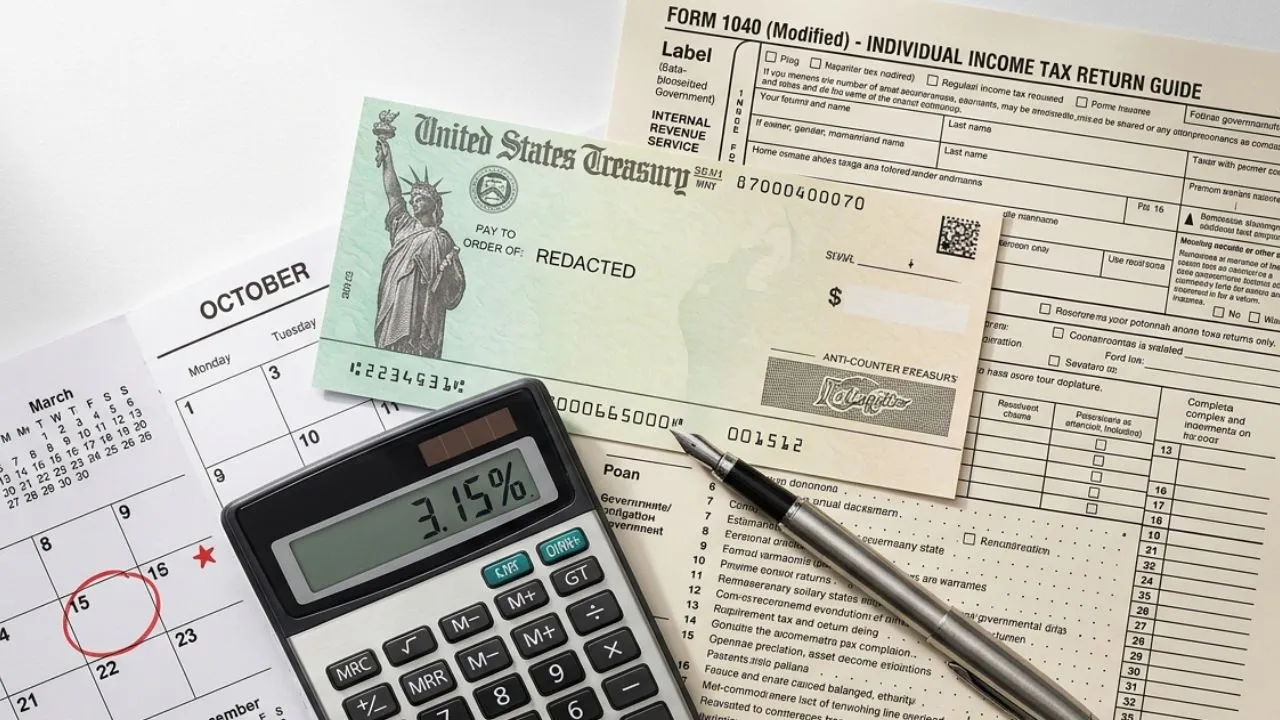

The IRS refund delay affecting millions of taxpayers in May 2026 is not random and it is not a system error. It is the predictable result of several specific, documented processing rules that determine which returns move through the pipeline quickly and which ones stop for additional review, and understanding exactly which rule applies to your return tells you precisely when your money will arrive.
The IRS processed more than 100 million individual returns during the 2025 filing season, and a significant portion of those filed in March and April are now sitting in review queues that have specific resolution timelines attached to each code. The IRS itself publishes the most complete picture of current processing volumes and timelines at IRS processing times, updated each filing season.
For anyone who filed on time but has not received their IRS refund delay notice or deposit by now, the explanation almost certainly falls into one of three categories: a PATH Act hold that is already resolved, an identity verification request that requires a response, or a manual review flag that is working through the IRS queue right now.
The 21-day processing window that the IRS advertises for electronic filers begins on the date the return is accepted by the IRS system, not the date you submitted it to your tax software. A return submitted on April 14 that the IRS accepted on April 15 has a clock that starts April 15.
If 21 days have passed since your acceptance date and your status still shows processing, that means your return moved out of the standard automated pipeline and into a review category. This is not automatically a problem.
The IRS Where’s My Refund tool, which is the only official status tracker, will show one of three stages: Return Received, Refund Approved, or Refund Sent. If you are still on Return Received past the 21-day window, you are in review. The nature of that review determines your timeline.
The Three Reasons Your IRS Refund Is Still Delayed in May 2026
The first and most common reason for an IRS refund delay in May 2026 is a PATH Act hold that has technically resolved but whose deposit has not yet reached your bank. The Protecting Americans from Tax Hikes Act requires the IRS to hold refunds claiming the Earned Income Tax Credit or the Additional Child Tax Credit until at least February 15 of each filing year.
For 2025 returns filed early, those holds released in mid-February 2026. If you claimed either credit and your return was accepted in late March or April, the PATH hold did not apply to you and the delay has a different cause. The IRS confirms the current PATH Act timeline at IRS PATH Act.
The full explanation of how PATH Act holds work and who they affect is covered in Investozora’s IRS refund timeline guide, which remains the authoritative reference for standard processing expectations.


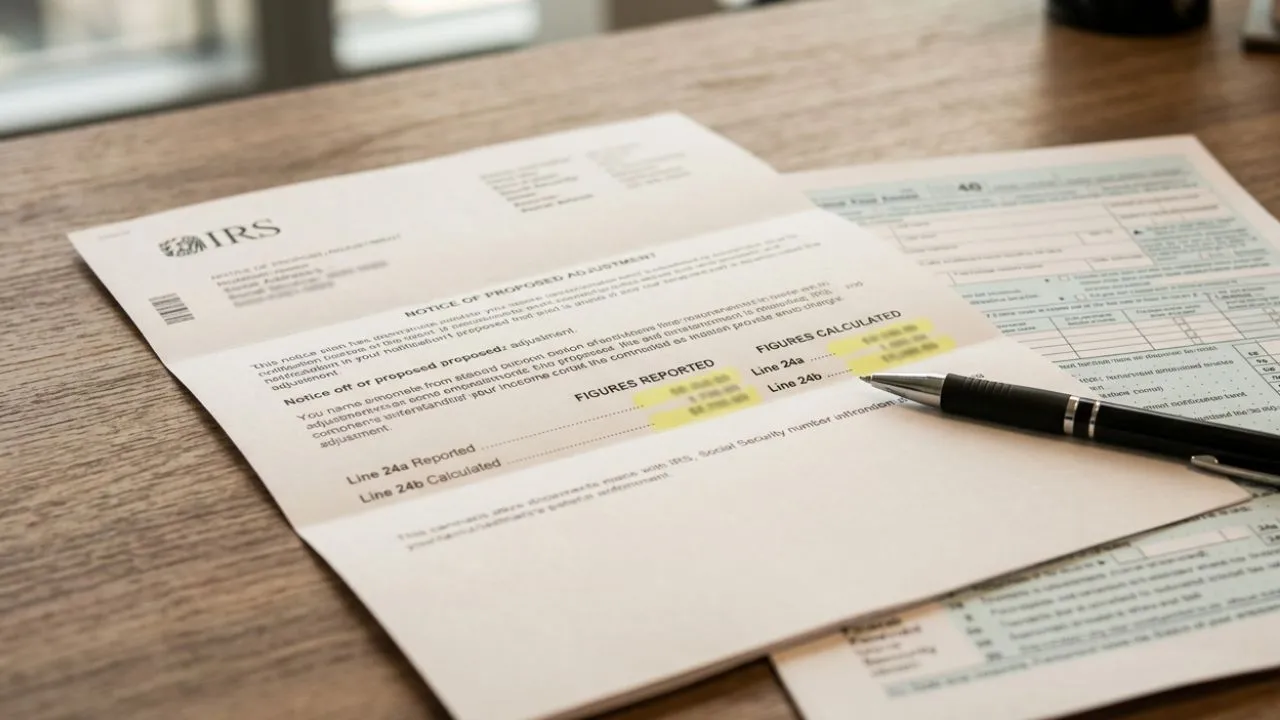
The second reason is an identity verification or income verification flag. The IRS automated system cross-references reported income against W-2 and 1099 data submitted by employers and payers. When a discrepancy appears, the system flags the return for manual review and in some cases sends a letter requesting additional documentation.
If the IRS has sent you a letter, it will appear in your IRS online account at IRS transcript before it arrives by mail. You must respond to any IRS identity verification or documentation request before your refund can release.
Not responding does not cancel your refund, but it extends the delay indefinitely until the IRS closes the review. The IRS code 846 article explains what the approval and deposit codes on your transcript mean and what each one signals about your timeline.
The third reason is a manual review queue that is not connected to a letter or a notice. The IRS selects a portion of returns each year for random compliance review. These reviews are documented on your tax transcript as a code 570 entry, which means additional action pending. A code 570 on your transcript does not mean you are being audited and it does not mean you owe money.
It means an IRS examiner needs to manually look at your return before the system releases the refund. The IRS does not publish a specific timeline for code 570 resolution because it depends on the current workload of the examination function. Historically, code 570 reviews resolve within 60 to 120 days of the review opening date shown on your transcript.
How the IRS Refund System Actually Works and Why Delays Happen at Specific Points
The IRS authorizes every refund internally, but it does not physically send money to your bank. The Bureau of the Fiscal Service, which is a bureau within the U.S. Department of the Treasury, receives the authorized refund file from the IRS and disburses it through the FedACH network operated by the Federal Reserve.
This is why a refund that the IRS shows as Refund Sent on a Wednesday may not appear in your bank account until Thursday or Friday. The FedACH transfer requires your bank to receive and post the deposit according to its own processing schedule, which varies by institution.
The US money movement guide explains this full pipeline in detail, from IRS authorization through Treasury disbursement to your bank’s posting window. Understanding this chain tells you exactly where your money is at each stage and who is responsible for each step.
For taxpayers who filed extension requests by April 15, 2026, the IRS is legally permitted to process those returns through October 15, 2026. An extension to file is not an extension to pay. Any taxes owed were due April 15 regardless of the extension.
Refunds from extension filers are not subject to the same priority queue as original-deadline filers, which means they typically process in the order received after the primary filing season workload clears. The IRS addresses extension filer timelines at IRS extension refunds.
Anyone in this category should expect their IRS refund delay to resolve between June and August 2026 depending on when their return was filed and whether any additional review flags are present.
What Happens Next
The IRS does not publish a specific date on which delayed May 2026 refunds will release en masse. Refund releases happen on a return-by-return basis as individual reviews resolve. The IRS updates the Where’s My Refund tool once per day, typically between midnight and 6 AM ET, so checking multiple times per day does not provide new information.
Tax transcript codes function as internal IRS processing indicators rather than public-facing status labels, and changes in codes such as 570, 571, and 846 reflect system-level processing transitions that precede any visible update in the Where’s My Refund tool.
Refund processing timelines are determined by automated IRS processing systems and downstream Treasury disbursement procedures, meaning the IRS completes authorization before the Bureau of the Fiscal Service executes payment through the Federal Reserve’s FedACH network, which governs final bank settlement timing.
If your status has not changed in more than 21 days and you have not received any correspondence from the IRS, you can call the IRS Refund Hotline at 1-800-829-1954 for an automated status update or request a live agent after the automated system. Wait times in May are typically longer than earlier in the season.
What This Means
The IRS refund delay affecting your return in May 2026 has a specific cause that is documented on your transcript and has a specific resolution path. Checking your transcript at irs.gov/individuals/get-transcript, identifying the relevant code, and taking any requested action is the fastest path to resolution.
What You Should Do Now
- Open the IRS Where’s My Refund tool today and confirm your current status and the date your return was accepted.
- Log in to your IRS online account and pull your current tax transcript. Look for codes 570, 971, or 846 and note the dates beside each one.
- If you see a code 971 on your transcript, check your mail and your IRS online messages for the corresponding letter and respond by the date specified.
- If you see a code 570 with no code 971, your return is in a manual review queue. No action is required from you. Monitor your transcript weekly for a code 571 or 846, which signals resolution.
- If your IRS refund delay has exceeded 60 days with no transcript activity, contact the IRS at 1-800-829-1954 or request a Taxpayer Advocate referral for escalation assistance.