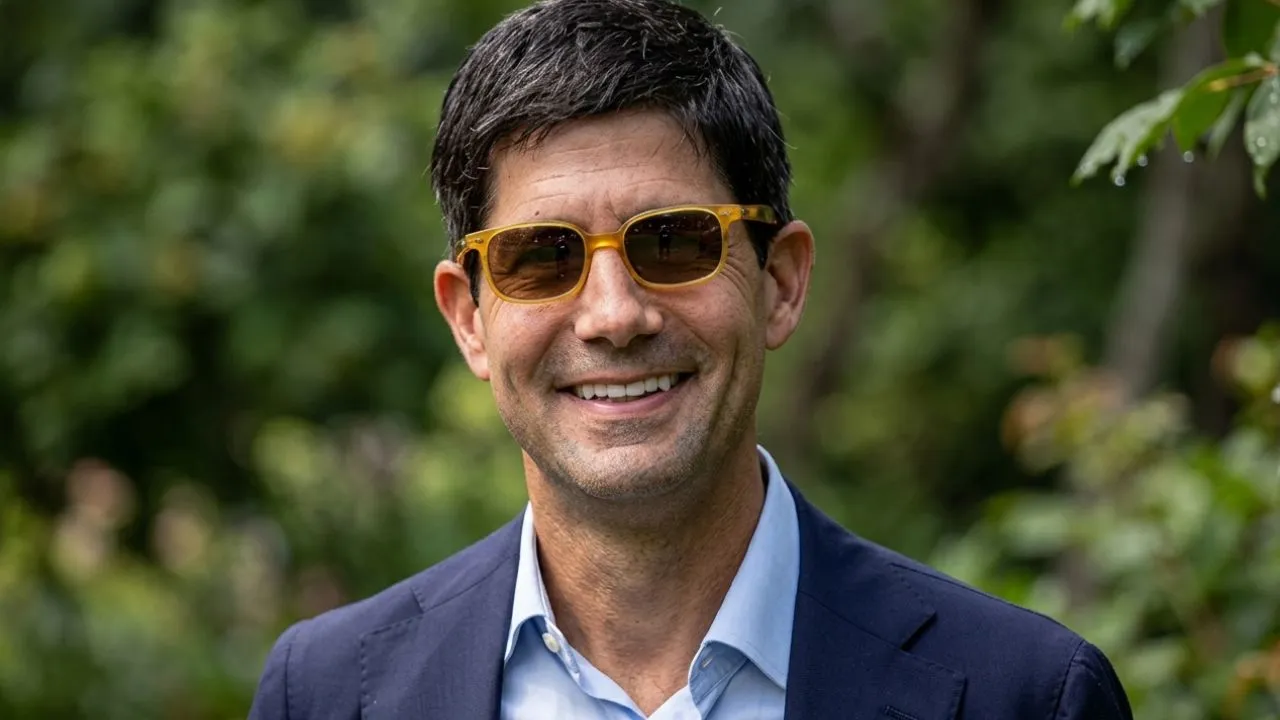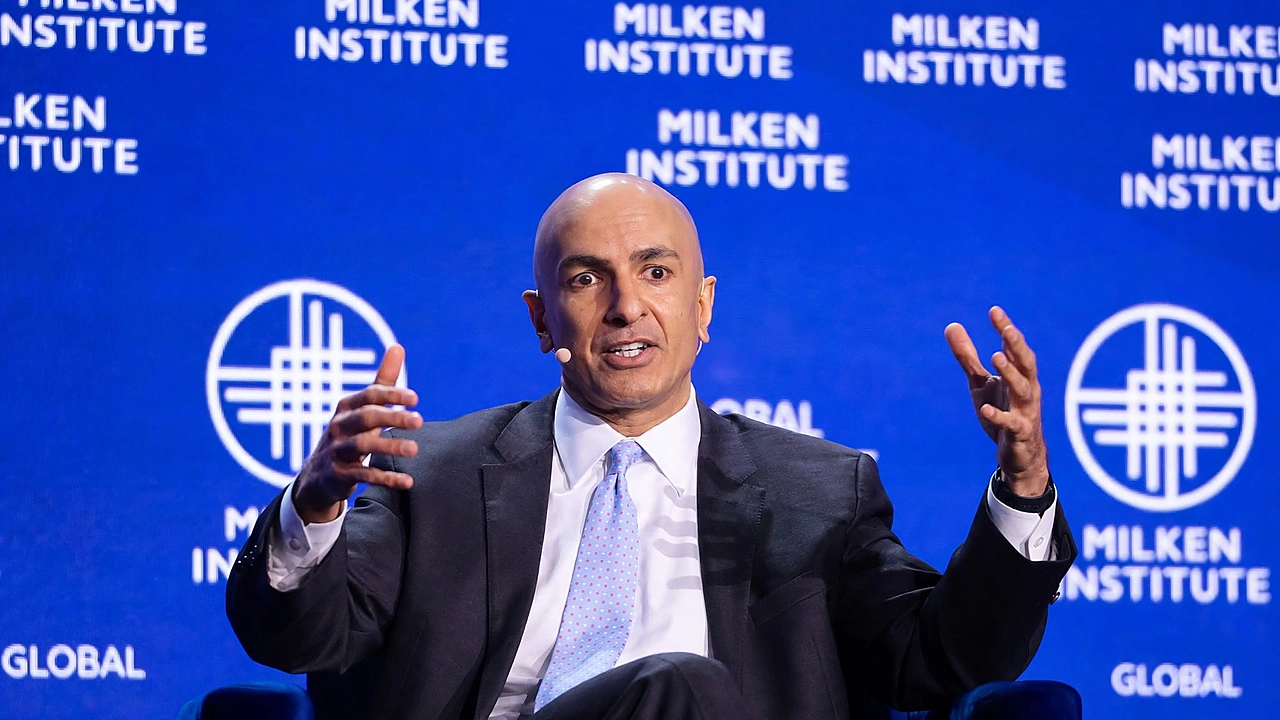
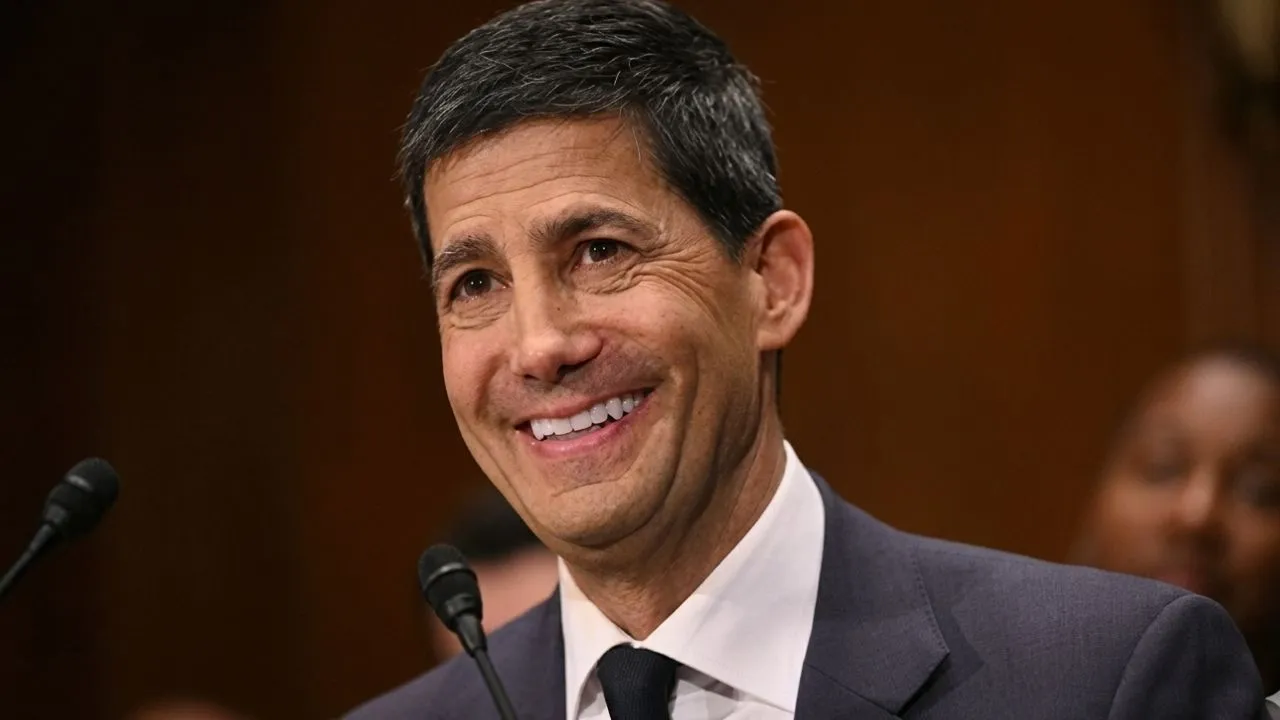
The Federal Reserve Board of Governors confirms the June 16 and 17, 2026 FOMC meeting on its official calendar at federalreserve.gov. Kevin Warsh was sworn in as Fed Chair on May 22, 2026, following Senate confirmation.
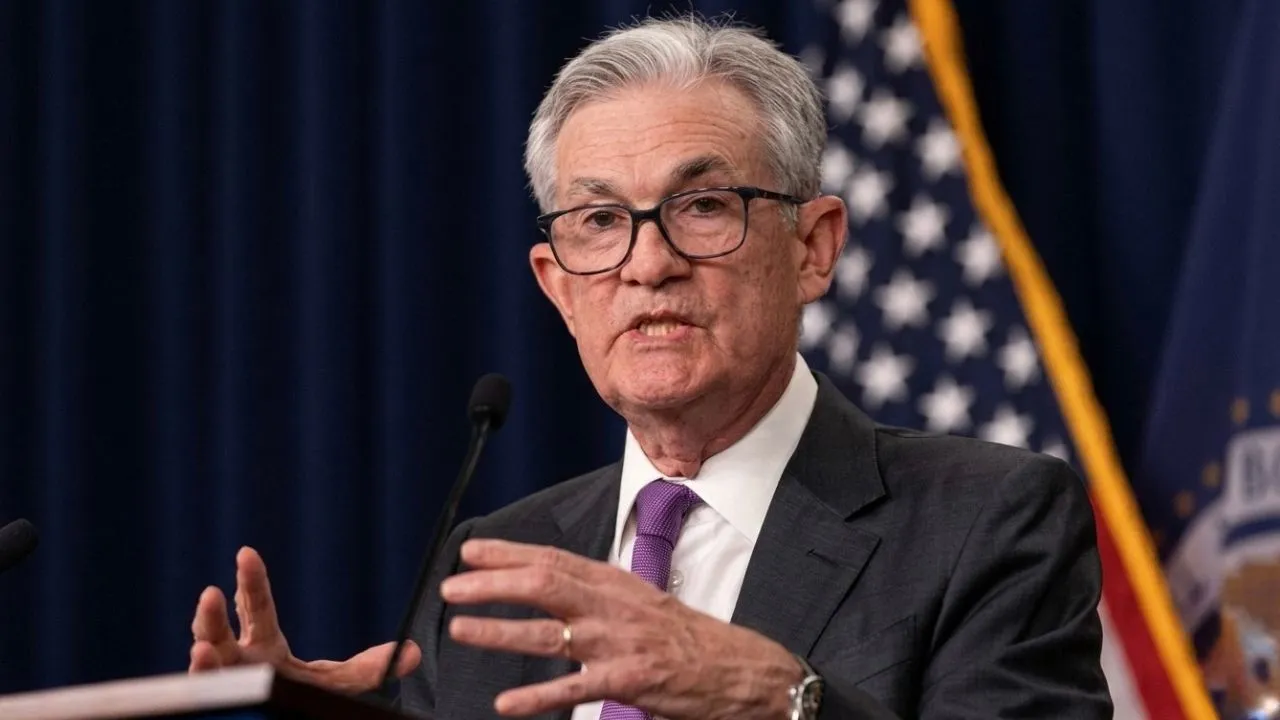
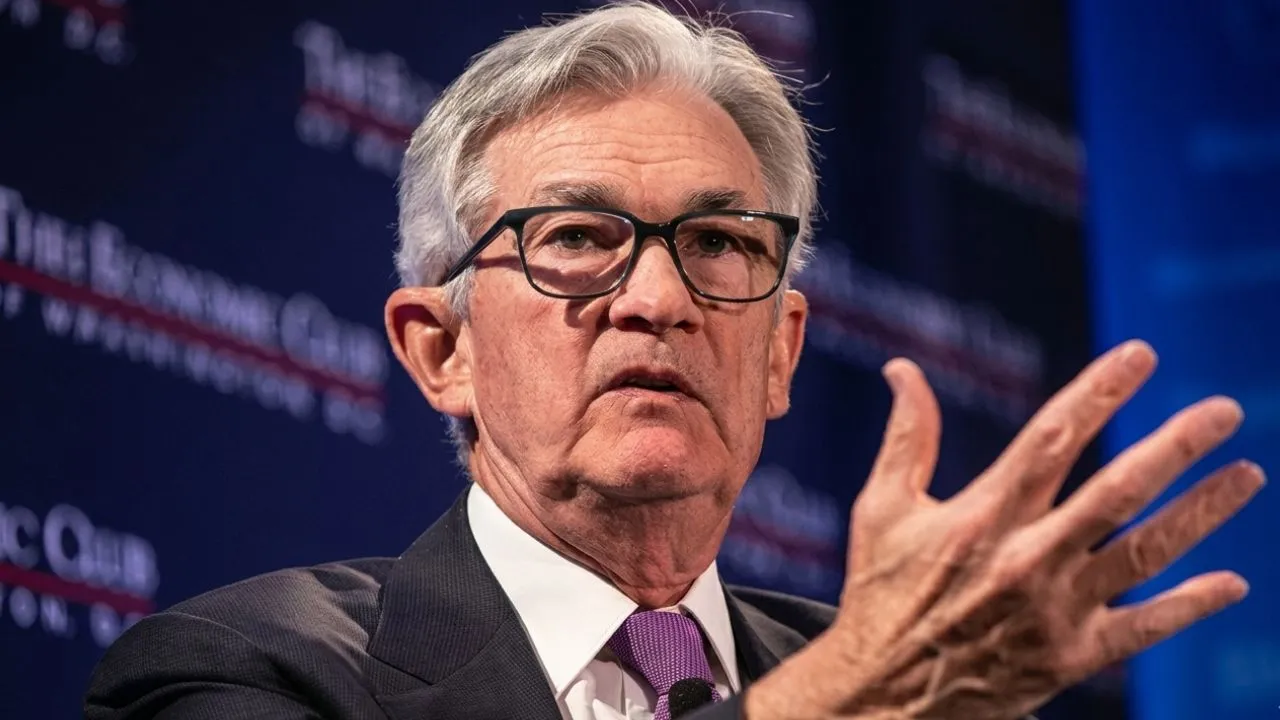
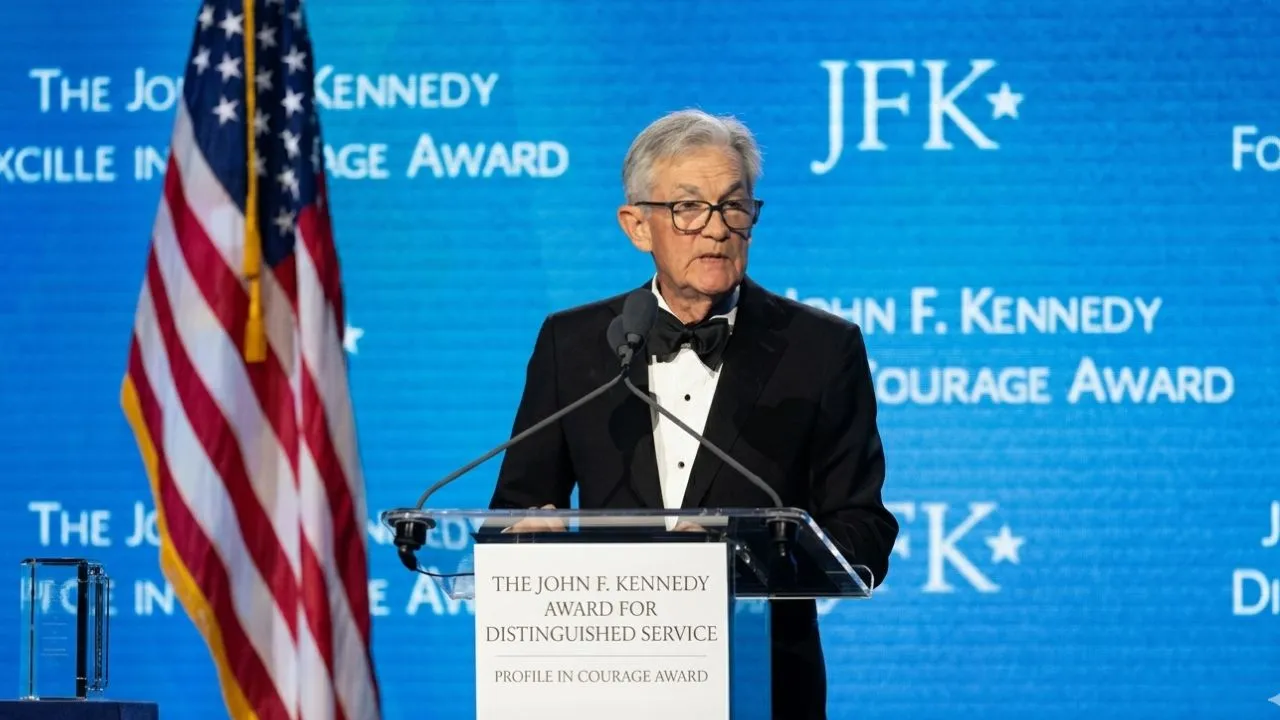
Jerome Powell stepped away from the chairmanship of the Federal Reserve on May 15, 2026, and used his first major public appearance since leaving office to issue the clearest warning any former Fed Chair has delivered in the modern era.
Speaking at the John F. Kennedy Presidential Library in Boston while accepting the Profile in Courage Award, Powell stated that if any administration bypasses the legal removal protections established in the Federal Reserve Act and fires central bank officials over disagreements about monetary policy, the Fed’s credibility would be permanently lost.
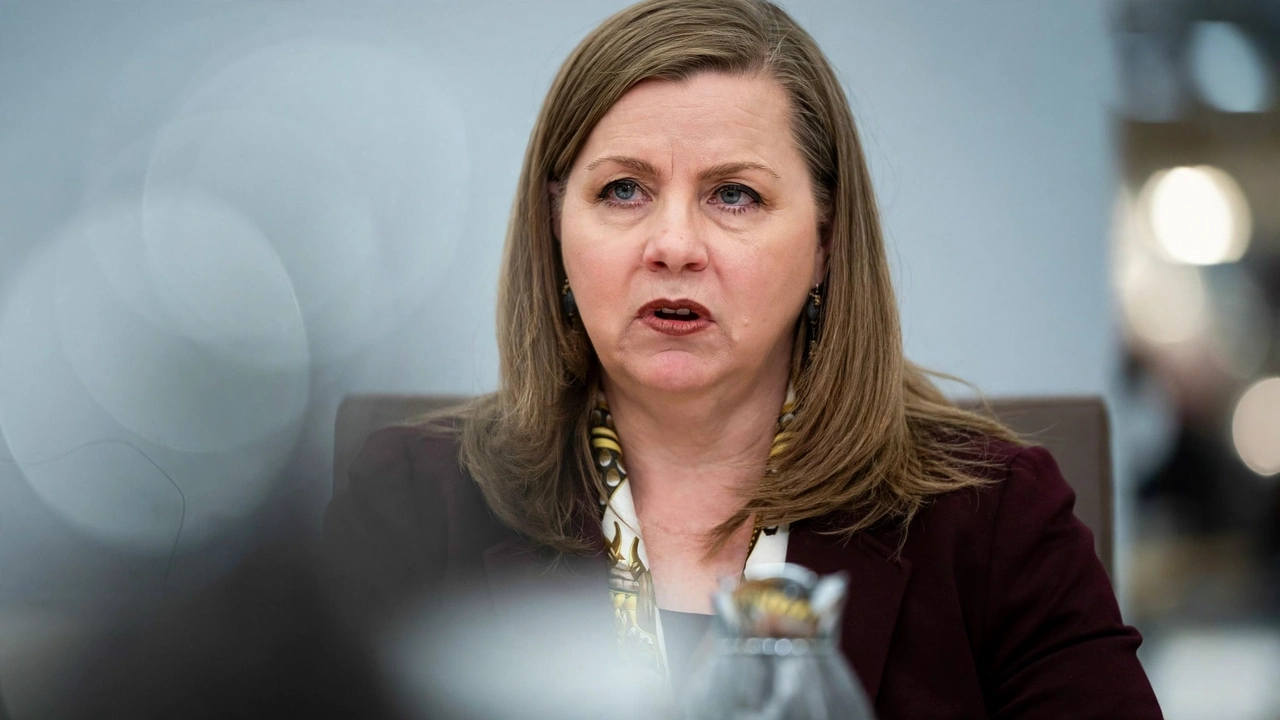
He did not name the administration. He did not need to. The context surrounding that statement is specific. The White House has attempted to remove Fed Governor Lisa Cook in a dispute that has escalated to a Supreme Court review.
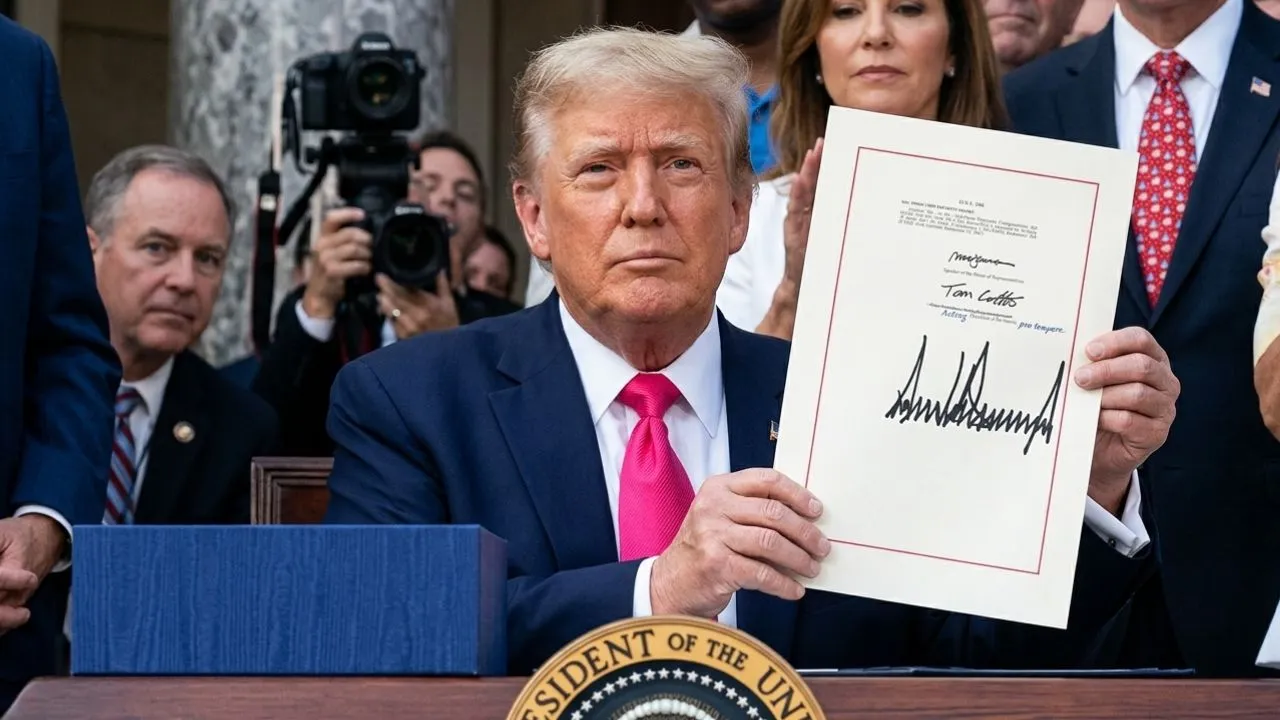
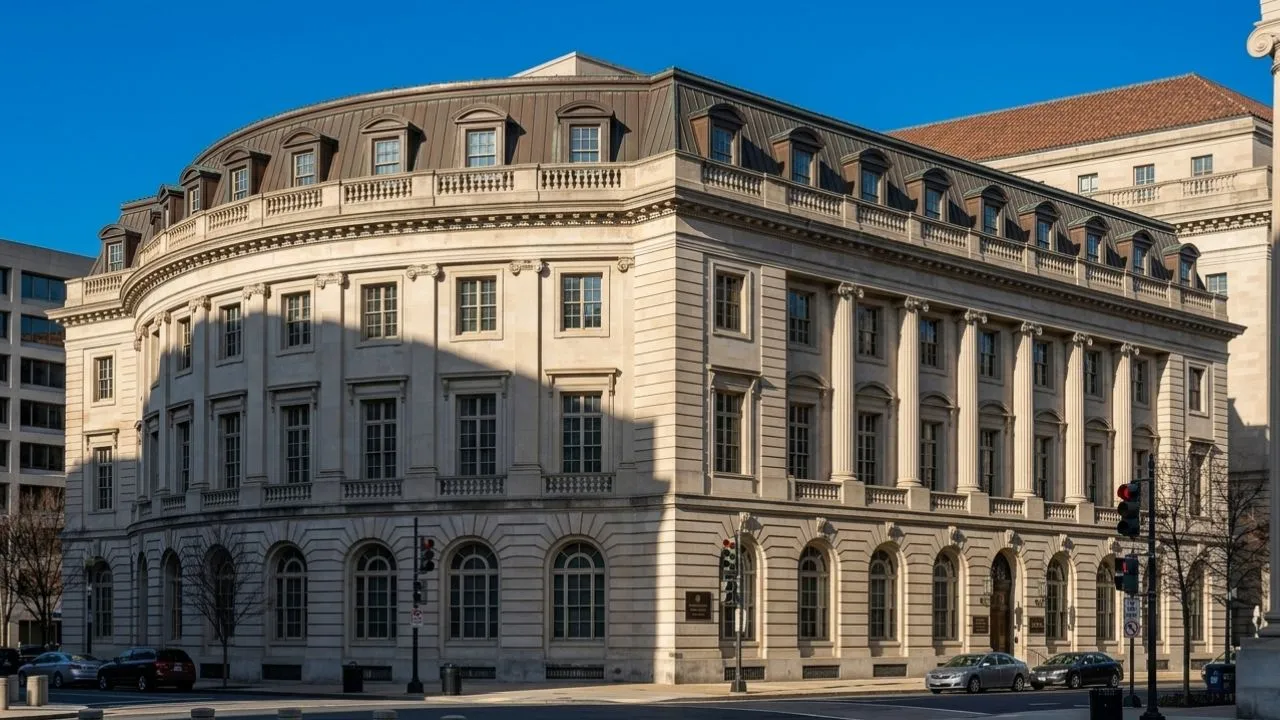
A separate Department of Justice inquiry into Federal Reserve building renovation expenditures has been used as justification for increased executive oversight of the institution.
Powell himself served his final weeks as chair under what multiple legal scholars described as unprecedented pressure. His successors now operate inside that institutional context. The legal framework protecting the Fed’s structural independence from executive removal is documented at the Federal Reserve’s official governance page.
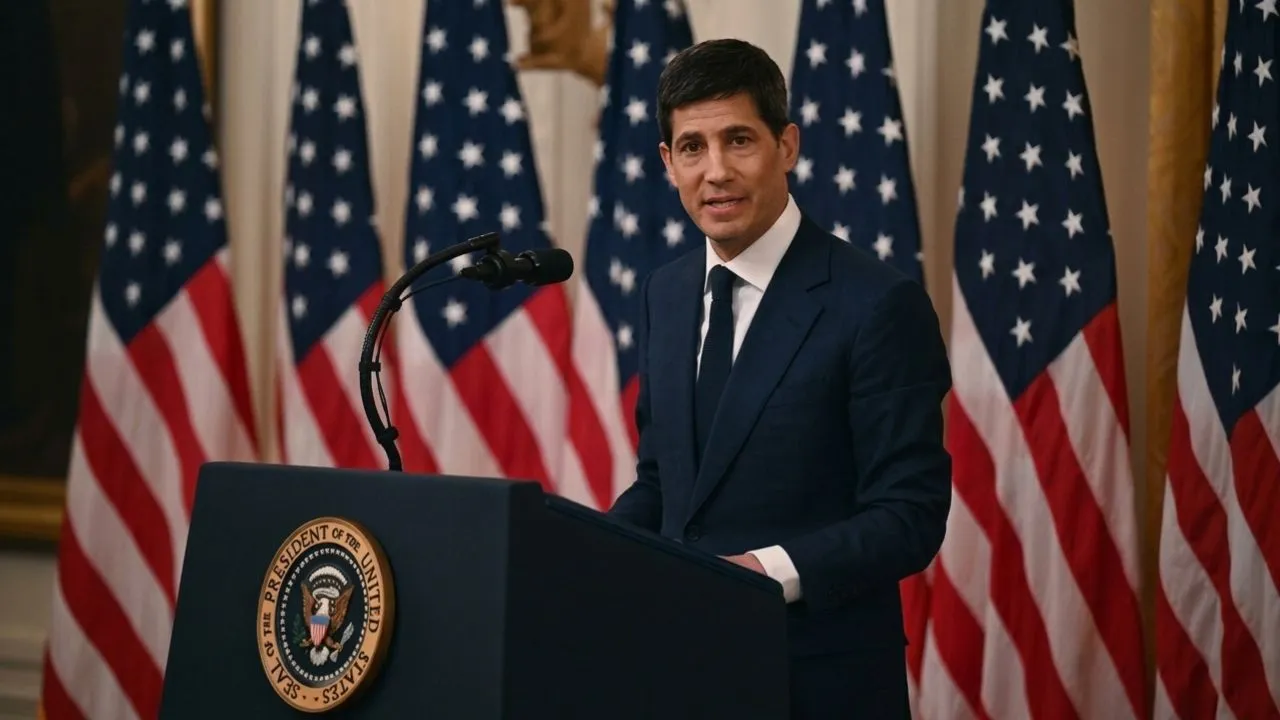
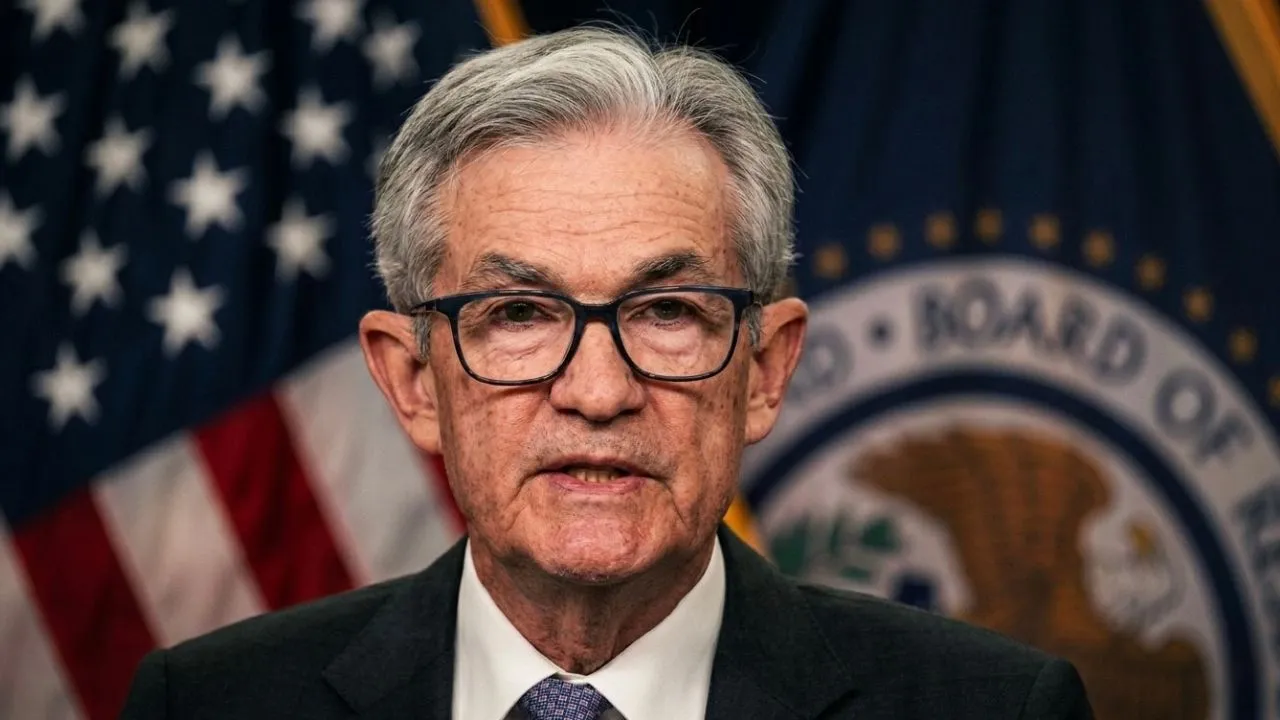
Kevin Warsh is now the man at the center of what Powell described. Warsh was sworn in on May 22 and inherits a Federal Reserve that must demonstrate its independence through its next policy decision, which arrives on June 16. Markets are not treating this as a routine meeting.
Bond traders have repositioned aggressively toward a rate hike, placing the heaviest bets against stable rates since 2007. The FOMC minutes released in May confirmed that inflation has reaccelerated beyond the Committee’s projections for this point in the year. Energy costs, housing, and utility prices are the primary drivers. The FOMC June 16 rate hike outlook covers the full Committee positioning.
What this means for everyday borrowing costs is direct. A rate hike on June 16 pushes the federal funds rate higher, which flows through to credit card annual percentage rates, home equity lines of credit, auto loans, and the savings account yields that banks offer to depositors. A Fed that raises rates under the current political environment sends a signal to global markets that it is operating independently of executive preference.
A Fed that holds rates when inflation data suggests a hike is warranted sends the opposite signal. That signal problem is precisely what Powell warned about. The Warsh Fed Treasury yields savings impact article details how the rate path change under new leadership affects deposit accounts and mortgage pricing.
The institutional history of central bank credibility loss is not abstract. When markets conclude that a central bank is politically managed rather than data-driven, long-term interest rates rise independently of the policy rate, inflation expectations become unanchored, and the currency faces depreciation pressure.
The Federal Reserve History project documents this dynamic across multiple international cases at federalreservehistory.org. The U.S. has not experienced that outcome in the modern era. The June 16 decision is the first concrete test of whether that remains true under the new leadership structure.
Warsh’s policy record before the Fed, including his earlier tenure as a Governor from 2006 to 2011 during the financial crisis, suggests a hawkish orientation on inflation.
If that orientation holds and Warsh leads the Committee toward a rate hike on June 16, the decision will be read simultaneously as an anti-inflation signal and an independence signal. Both matter. The Fed controls inflation mechanics article explains the transmission mechanism between policy rate decisions and consumer prices.
For anyone managing savings, a mortgage renewal, or a floating-rate debt position before June 16, the window between now and that decision is the relevant planning horizon. The mechanics of how a Fed rate decision reaches your savings account yield and your monthly payment are explained through the money movement system.