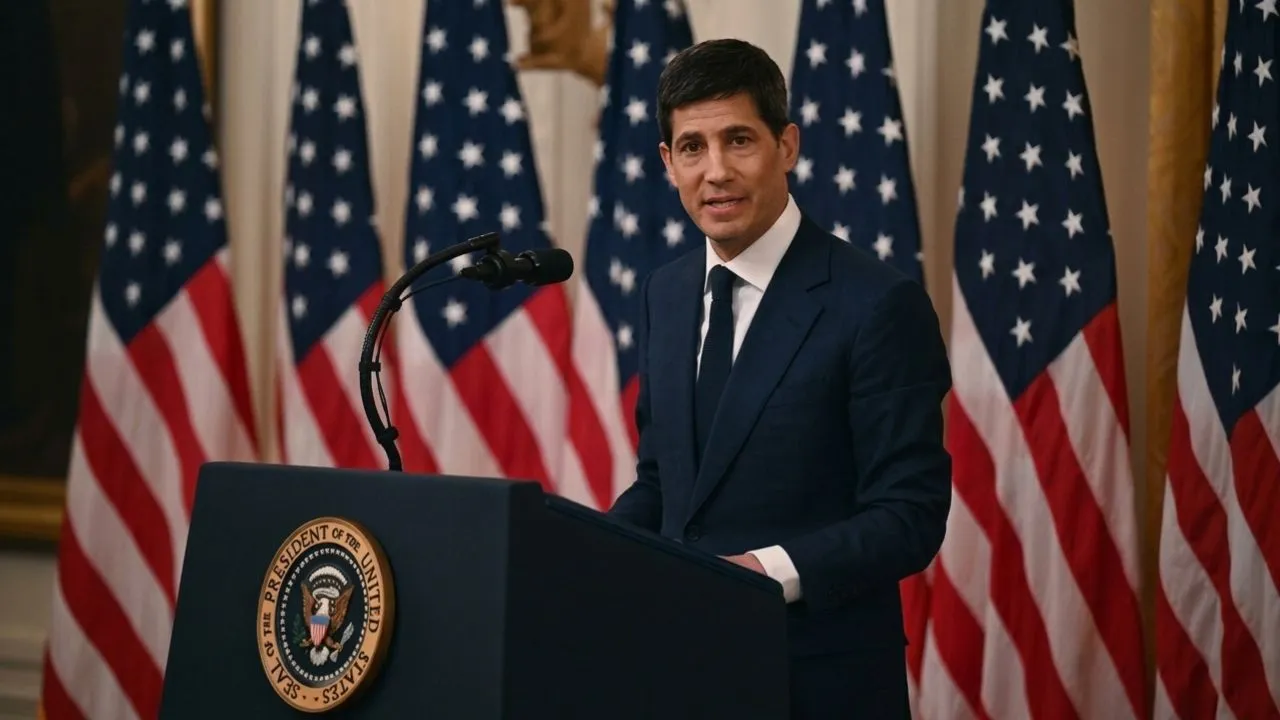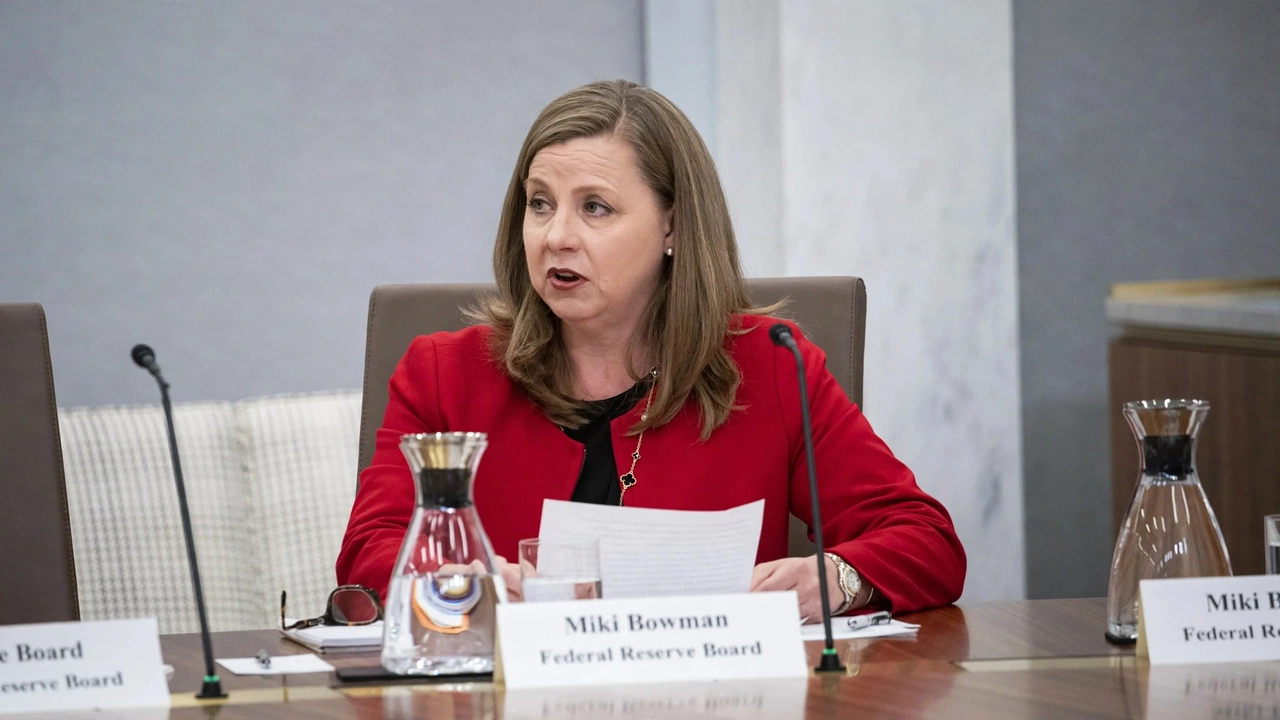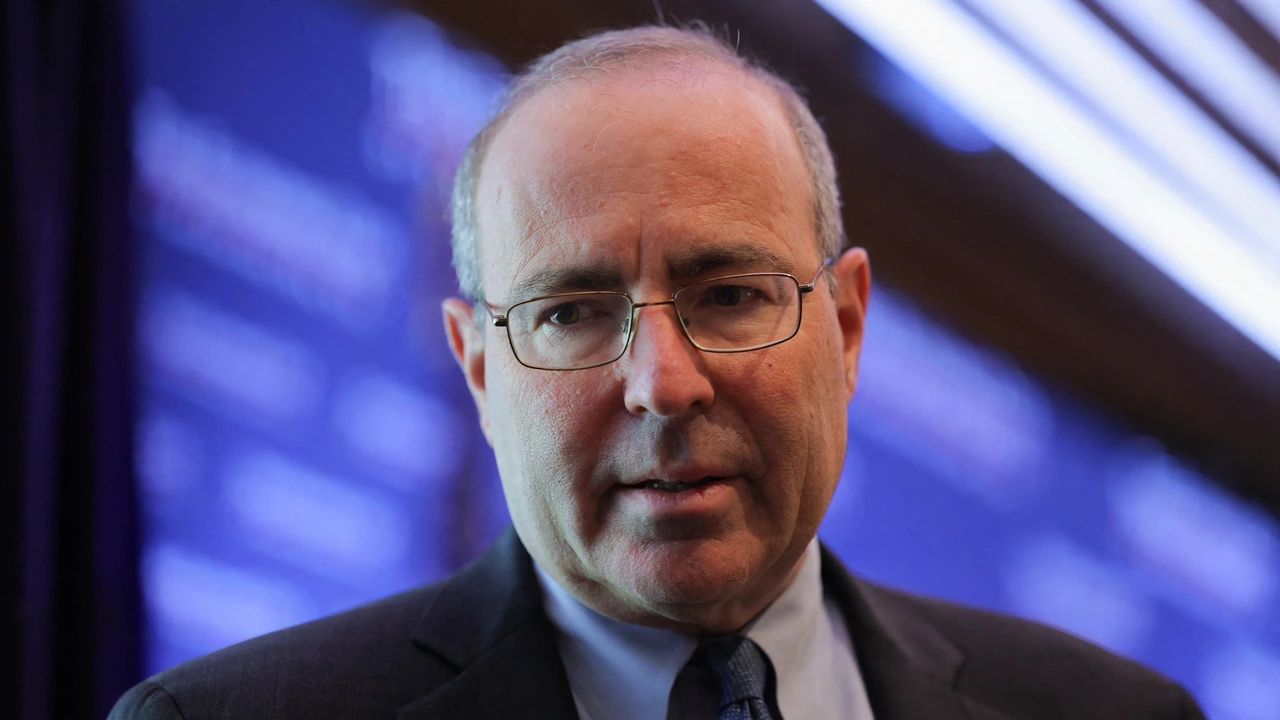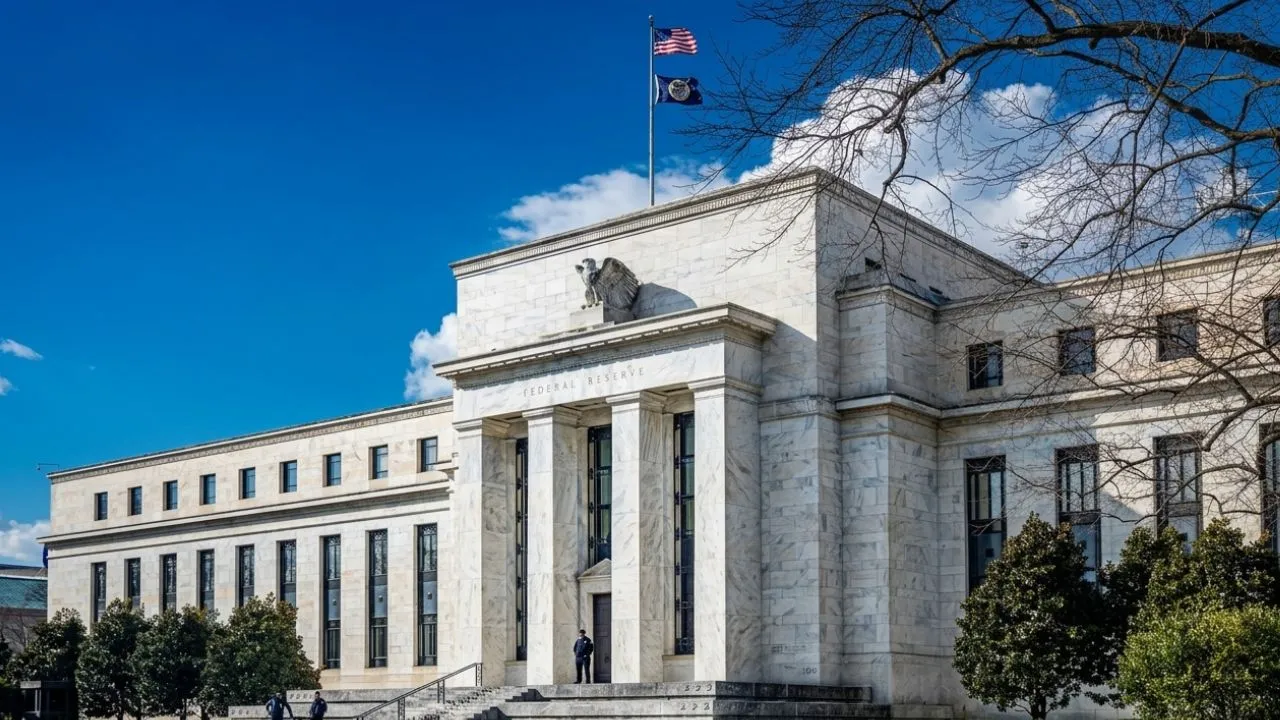


Newly confirmed Federal Reserve Chair Kevin Warsh has begun restructuring the Fed’s senior leadership team, marking the formal operational end of the Jerome Powell era at the central bank, per reporting sourced to the Board of Governors of the Federal Reserve System.
Kevin Warsh Federal Reserve 2026 policy is not an incremental update to what Jerome Powell built over the prior four years. It is a structural break. Warsh is simultaneously pursuing two policy objectives that central bank orthodoxy has historically treated as contradictory: cutting the federal funds rate and accelerating the reduction of the Fed’s balance sheet at the same time.
Wall Street’s most experienced macro traders are watching this combination because no recent Fed chair has attempted both simultaneously at this scale. The intellectual foundation Warsh is building his rate-cut case on is rooted in artificial intelligence productivity.

His theoretical framework argues that AI-driven efficiency gains across the U.S. economy are structurally suppressing inflation in ways that standard models do not yet capture. If AI productivity is genuinely deflationary, then the Fed can cut interest rates more aggressively than traditional inflation benchmarks would ordinarily permit.
The April 2026 Consumer Price Index reading of 3.8% year-over-year and the March Personal Consumption Expenditures print of 3.5% both remain above the Fed’s 2% target, which makes Warsh’s productivity argument a high-stakes intellectual bet rather than a settled empirical case.
For the full CPI measurement methodology, the Bureau of Labor Statistics publishes the complete technical framework. The balance sheet dimension of this policy is equally significant. The Fed’s balance sheet grew to represent 21.6% of U.S. GDP by the end of 2025 through years of quantitative easing and pandemic-era asset purchases.
Warsh is moving to shrink that balance sheet aggressively, pulling reserves out of the banking system and reducing the structural liquidity that financial markets have relied on for over a decade. This process, known in institutional markets as quantitative tightening, mechanically pushes longer-duration Treasury yields higher even as the Fed is cutting short-term rates.
The result is a yield curve under simultaneous pressure from opposing forces, a configuration that creates direct volatility in mortgage rates, savings account yields and corporate financing costs.
The historical parallel generating the most anxiety among senior portfolio managers is 1987. That year, the Federal Reserve attempted a policy tightening cycle while long-duration bond yields were rising, ultimately contributing to October’s equity market collapse.
The 2026 configuration is not identical, but the dynamic of tightening financial conditions at the long end of the curve while simultaneously adjusting short-term rates is drawing direct comparisons from traders who lived through that period. The Fed’s official monetary policy framework documents the current operating parameters the FOMC is working within.
For high-net-worth investors and active capital allocators, the immediate tactical question is how to position duration exposure across fixed income during a period when short-term rates are falling and long-term yields are under upward pressure from balance sheet reduction.
That yield curve dynamic has direct implications for anyone holding longer-dated Treasury positions, mortgage-backed securities, or rate-sensitive equity sectors. Understanding how the Fed’s settlement operations interact with money movement timing is also relevant for institutional portfolio managers managing cash positions around FOMC decision windows.
The Warsh era formally began with his Senate confirmation in May 2026. What makes this opening phase historically significant is not the rate direction alone but the simultaneity of the policy moves.
The Fed has cut rates before. The Fed has shrunk its balance sheet before. Executing both with deliberate speed, justified by an AI productivity thesis operating against a 3.8% CPI backdrop, is the policy shift macro traders are pricing into every asset class in real time.
The maximum Social Security benefit calculation for 2026 provides useful context for how this rate environment affects the retirement income calculations of the Americans most directly exposed to these policy shifts.