

Updated: June 22, 2026 – The IRS confirms it continues processing 2026 refunds in weekly cycles. Taxpayers can verify their status through the Where’s My Refund tool at irs.gov/refunds, updated once every 24 hours after e-file acceptance.
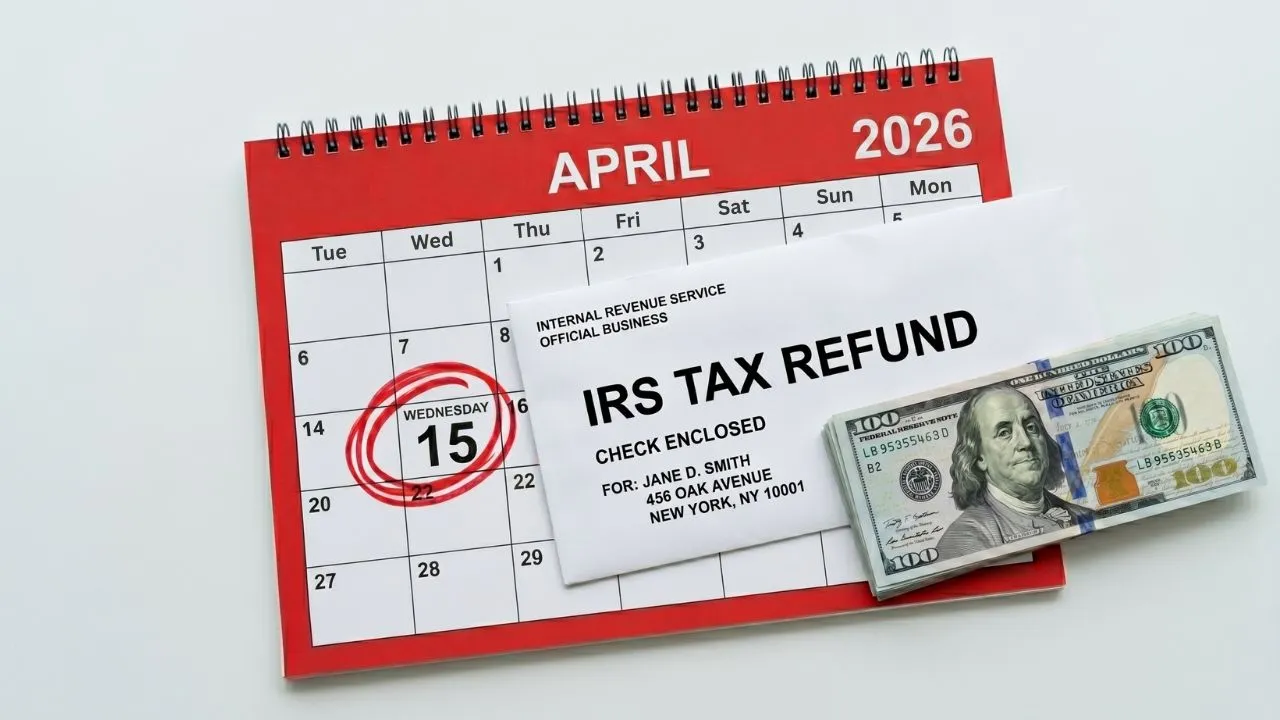
The IRS refund schedule for 2026 means most taxpayers who filed electronically with direct deposit receive their money within 21 days of the IRS accepting their return. The IRS processes refunds in weekly batches. If you filed an extension or experienced a processing delay, your refund is still coming.
The IRS sends direct deposits every week of the year, not only during filing season. The IRS refund schedule operates on a rolling weekly cycle that does not stop when the April 15 filing deadline passes.
As of June 5, 2026, the agency is actively processing refunds for three categories of taxpayers: those who filed valid extensions using Form 4868, those whose original returns were flagged for identity verification or manual review, and those who filed amended returns on Form 1040-X.


All three groups are receiving direct deposits in the current weekly processing cycle. The average direct deposit refund for the 2026 filing cycle stands at $2,388, according to cumulative IRS filing statistics through late May.
The baseline timeline for an electronically filed return with direct deposit selected is 21 calendar days from the date the IRS accepts the return. Paper returns take 6 to 8 weeks minimum and are subject to additional delays during high-volume periods.
The IRS does not process paper returns on a priority basis over electronic submissions. If you mailed a return and are now in June 2026, your refund timeline began the week the IRS received and opened that physical envelope, not the date you sent it.
Readers who want the complete breakdown of how a refund travels through the system before arriving in a bank account should review the IRS refund pipeline explained in detail.
The 2026 Frozen Refund Rule
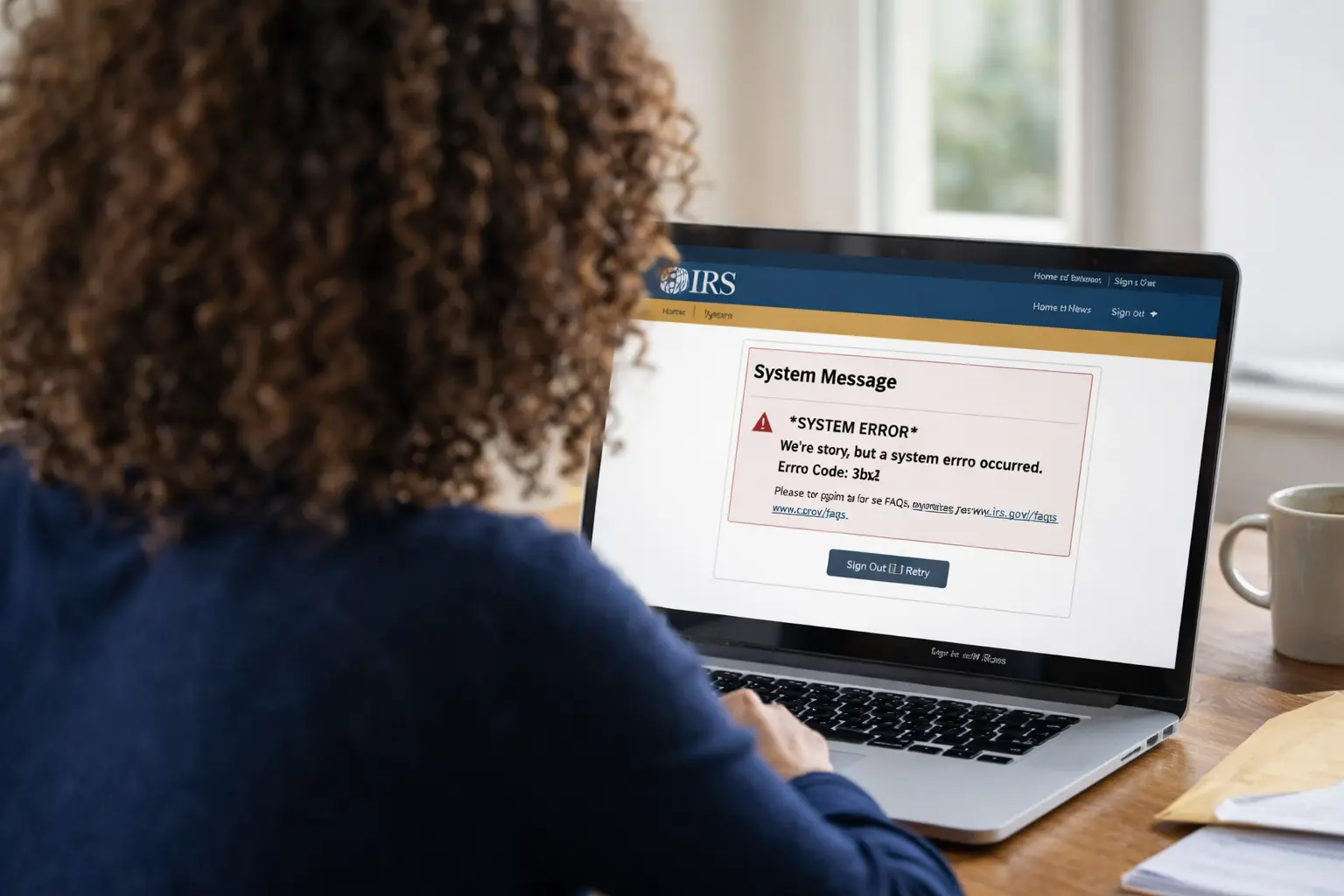
The most consequential operational change introduced for the 2026 processing cycle affects taxpayers whose direct deposit fails at the receiving bank. Under the prior system, a rejected ACH deposit automatically triggered a paper check conversion.
The IRS mailed a check to the address on file within 6 to 8 weeks. Under the current 2026 rule, a rejected direct deposit triggers a CP53E notice and a mandatory 30-day freeze on the refund funds while the taxpayer corrects their banking information through their verified IRS Online Account.
A deposit is rejected by the receiving bank under three primary conditions: the routing number does not correspond to an active financial institution, the account number does not match a live account at that institution, or the account holder name on the IRS file does not match the legal name associated with the account.
The third condition catches a meaningful volume of taxpayers who recently changed their legal name through marriage or divorce and did not update their IRS profile accordingly. A frozen refund under the CP53E notice is not lost, seized, or offset.
It is held in a suspense status pending taxpayer action. Failure to respond within the 30-day window converts the hold to a paper check process, adding a minimum of 6 additional weeks to the total timeline.
If you received a CP53E notice, log into your IRS Online Account at irs.gov immediately. Navigate to the bank account information section, update your routing and account numbers, and submit the correction.
The IRS will re-initiate the direct deposit within one processing cycle after confirming the updated banking details. Readers who have experienced a refund sent to the wrong account should review that specific scenario, which involves a distinct resolution path from the CP53E freeze process.
How to Check Your Refund Status
The IRS Where’s My Refund tool is the only official status portal for individual refund inquiries. It is available at irs.gov/refunds and is updated once every 24 hours, specifically overnight. Checking it multiple times per day returns the same information.
The tool displays one of three status states: Return Received, meaning the IRS has the return in its system but has not yet processed it; Refund Approved, meaning the IRS has completed processing and scheduled the deposit; and Refund Sent, meaning the ACH transfer instruction has been dispatched to the U.S. Treasury and will reach the banking system within 1 to 5 business days.
For taxpayers who have access to their IRS transcript, the presence of Code 846 on the account transcript is the most precise timing indicator available. Code 846, labeled “Refund Issued” on the transcript, carries a specific date.
That date is when the IRS released the funds to the Treasury. The corresponding bank deposit typically arrives within 1 to 3 business days of that transcript date for standard commercial banks.
The IRS Code 846 explained article covers this in complete detail, including how to read the associated cycle code. The broader network of how federal payments move through the US financial infrastructure from the Treasury to your account is also documented at that link.
Amended returns filed on Form 1040-X follow a separate and substantially longer timeline. The IRS processes 1040-X returns in a dedicated unit that does not share processing cycles with original returns.
The standard timeframe for an amended return is 16 weeks from the date the IRS receives the paper form, or 20 weeks if the amendment requires additional review. The IRS provides a separate tracking tool specifically for amended returns at Where’s My Amended Return?.
Common Questions on the IRS Refund Schedule
Why has my refund been in “Refund Approved” status for more than five days without moving to “Refund Sent”?
This status indicates the IRS has approved the refund but has not yet issued the ACH transfer to the Treasury. An extended hold at this stage typically signals one of two conditions: the refund is part of a batch being reviewed for mathematical accuracy before final release, or the account has a soft hold from an automated fraud screening system. Neither condition requires taxpayer action. Most returns clear this hold within 7 to 10 calendar days. If the status remains frozen beyond 21 days from approval, contact the IRS refund hotline at 1-800-829-1954.
Does the IRS deposit refunds on weekends?
The IRS issues ACH transfer instructions to the U.S. Treasury on business days only. The Treasury releases those files to the Federal Reserve on business days only. Your bank may post the deposit on a Saturday if it received the ACH memo file on a Friday, depending on your institution’s posting schedule. The IRS itself does not initiate new transfers on Saturday or Sunday. Readers tracking exact bank posting windows should review the direct deposit timing guide for specific institution schedules.
What does IRS Code 570 mean on my transcript?
Code 570, labeled “Additional Account Action Pending,” means the IRS has placed a temporary hold on the refund pending internal review. This code often appears alongside Code 971, which signals that a notice has been issued. A Code 570 hold does not mean the refund is denied. It means it is paused. Resolution typically occurs within 60 days without any required taxpayer action, unless the accompanying notice requests documentation. The IRS Code 570 explained article covers every resolution pathway for this specific code.
Can the IRS offset my refund to pay a federal debt?
Yes. The Treasury Offset Program authorizes the U.S. Department of the Treasury to intercept tax refunds to satisfy federally held debts including student loan defaults, past-due child support obligations, and unpaid federal agency debts. If your refund was offset, you will receive a notice from the relevant agency explaining the debt applied. The IRS itself does not notify you of an offset before it occurs. The IRS refund offset complete guide documents every debt category, the appeal process, and the contact information for each holding agency.
What You Should Do Now
- Open the Where’s My Refund tool tonight. Enter your Social Security number, filing status, and exact refund amount. Note your current status bar position.
- If you received a CP53E notice, act within 30 days. Log into your IRS Online Account, update your bank routing and account number, and submit the correction. Every day past the notice date shrinks your window before automatic paper check conversion.
- Access your IRS transcript if your IRS refund schedule status has not updated in more than 10 days. Look for Code 846 for the release date, Code 570 for a pending hold, and Code 971 for a notice issued. Each code maps to a specific resolution pathway.
- If you filed a paper return after April 15, do not expect a refund before mid-August at the earliest. Set a calendar reminder to check amended return status in late July using the dedicated IRS tool.
- Read how the Social Security July 2026 payment schedule works if you are also expecting a federal benefit deposit this month alongside your refund. Both payments route through the same ACH infrastructure.