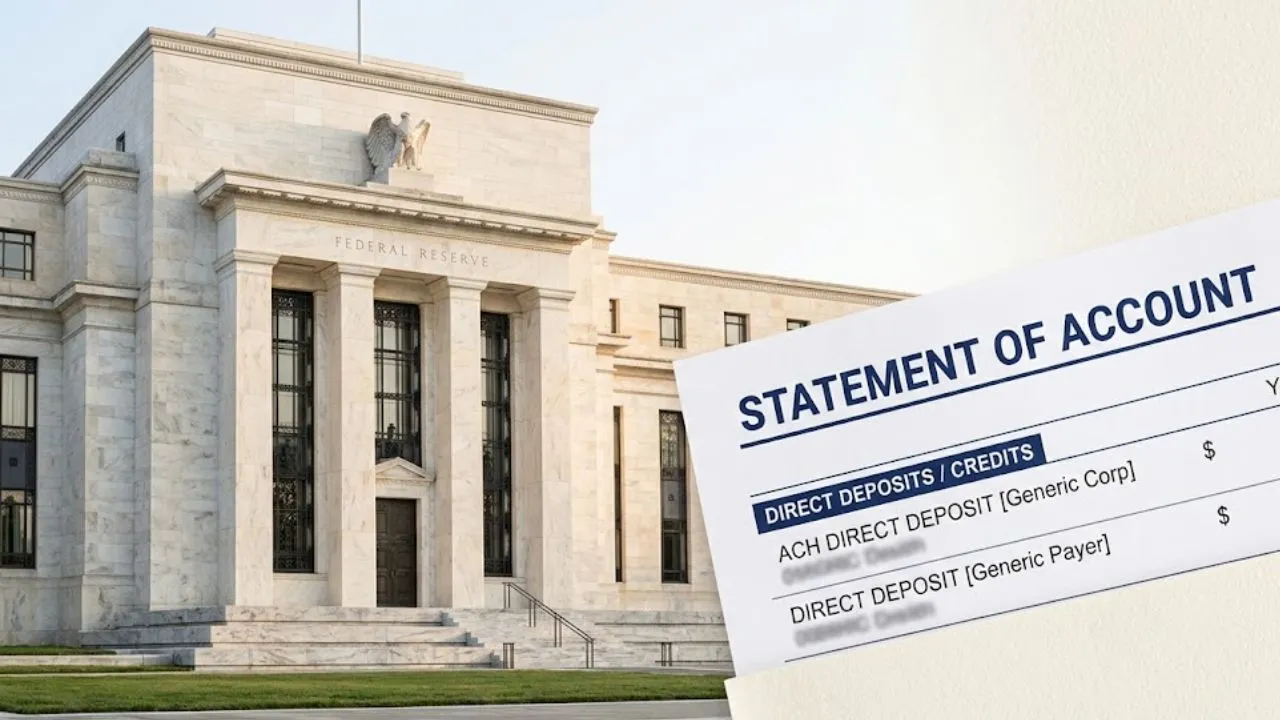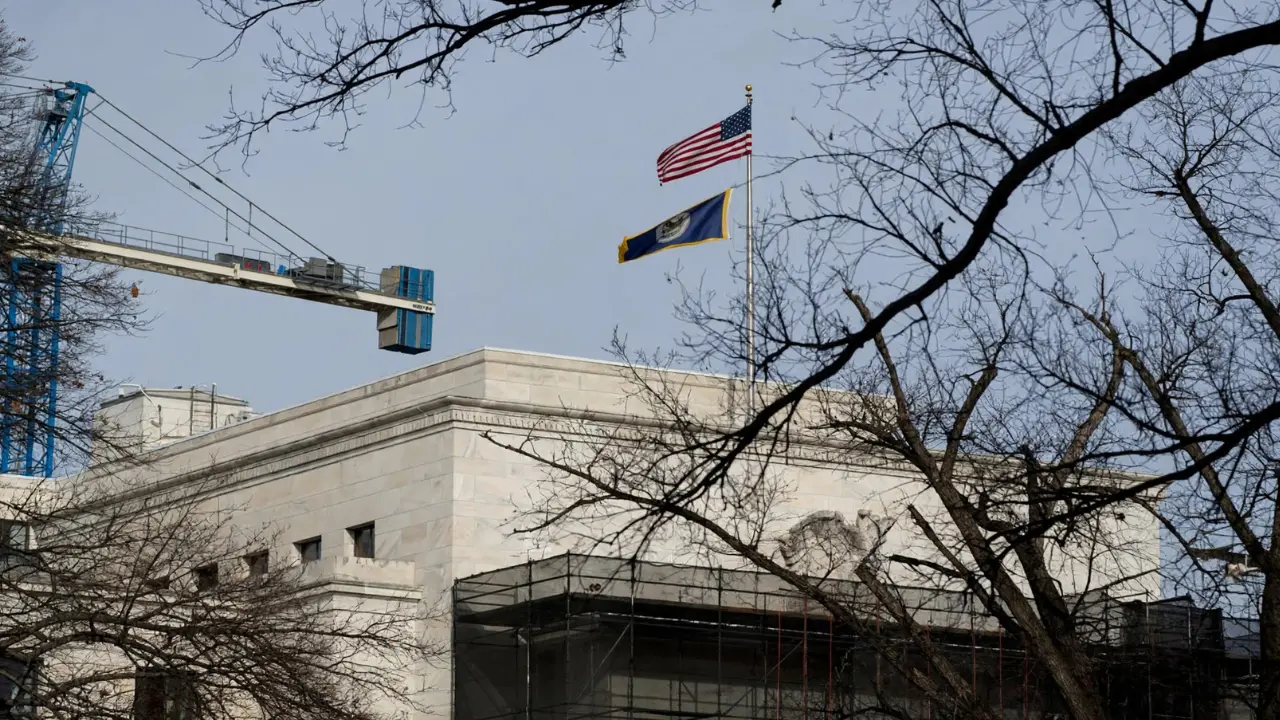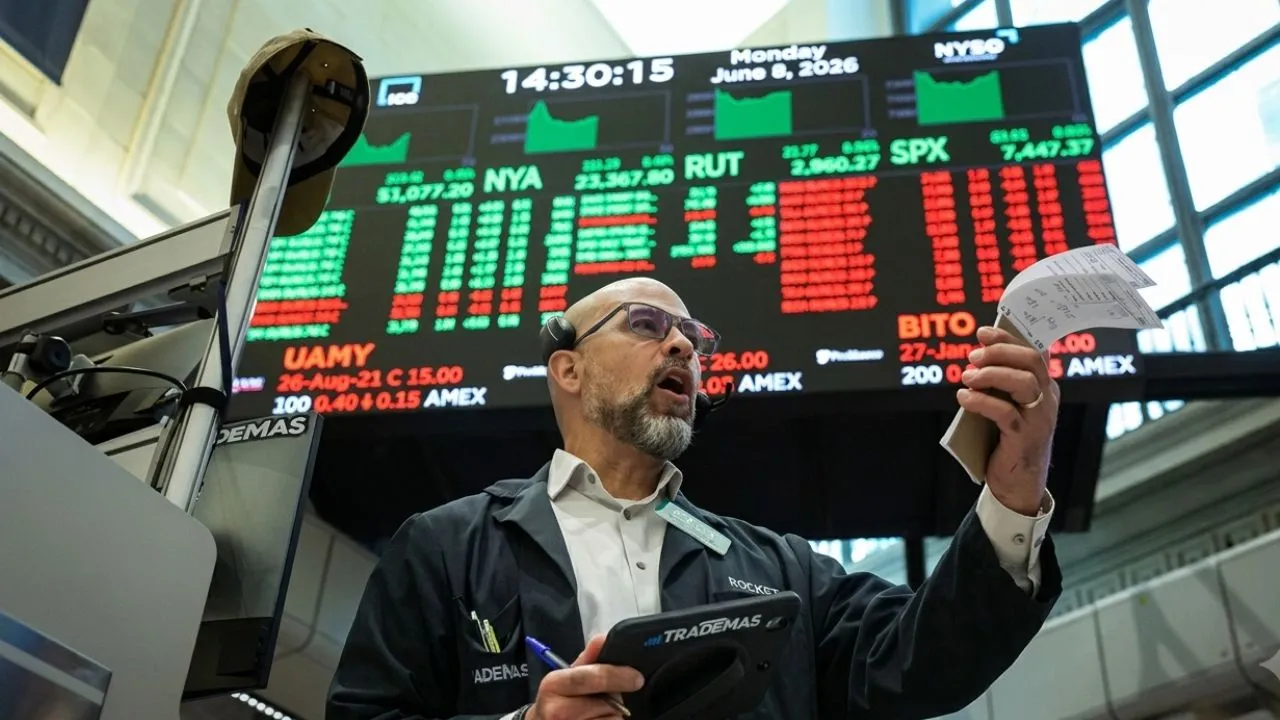

Updated: June 22, 2026 – The Federal Reserve’s FOMC opened its June 16–17 session today under new Chair Kevin Warsh, with Wall Street pricing a 97% probability of no rate change, holding the federal funds target at 3.50%–3.75%, per Federal Reserve meeting data.
The Federal Reserve is holding its benchmark rate steady at 3.50%–3.75% as new Chair Kevin Warsh presides over his first FOMC meeting on June 16–17, 2026. Approximately 130 million American savings account holders face a direct consequence: the overnight liquidity rate anchoring their savings yield will not move today. Markets price a 97% chance of no change. The FOMC statement and dot plot release Wednesday, June 17 at 2:00 PM ET.
The savings yield on your high-yield account is not set by headlines. It is set by one mechanical relationship inside the U.S. banking system: the spread between what banks pay depositors and what they earn by holding overnight reserves with the Federal Reserve at the effective federal funds rate (EFFR), currently 3.64%, according to the New York Fed reference rates.
When that rate stays fixed, banks have precise visibility into their liquidity cost for 90 days forward and adjust deposit rates accordingly. That mechanical chain is what connects today’s FOMC meeting directly to the number in your online banking app.
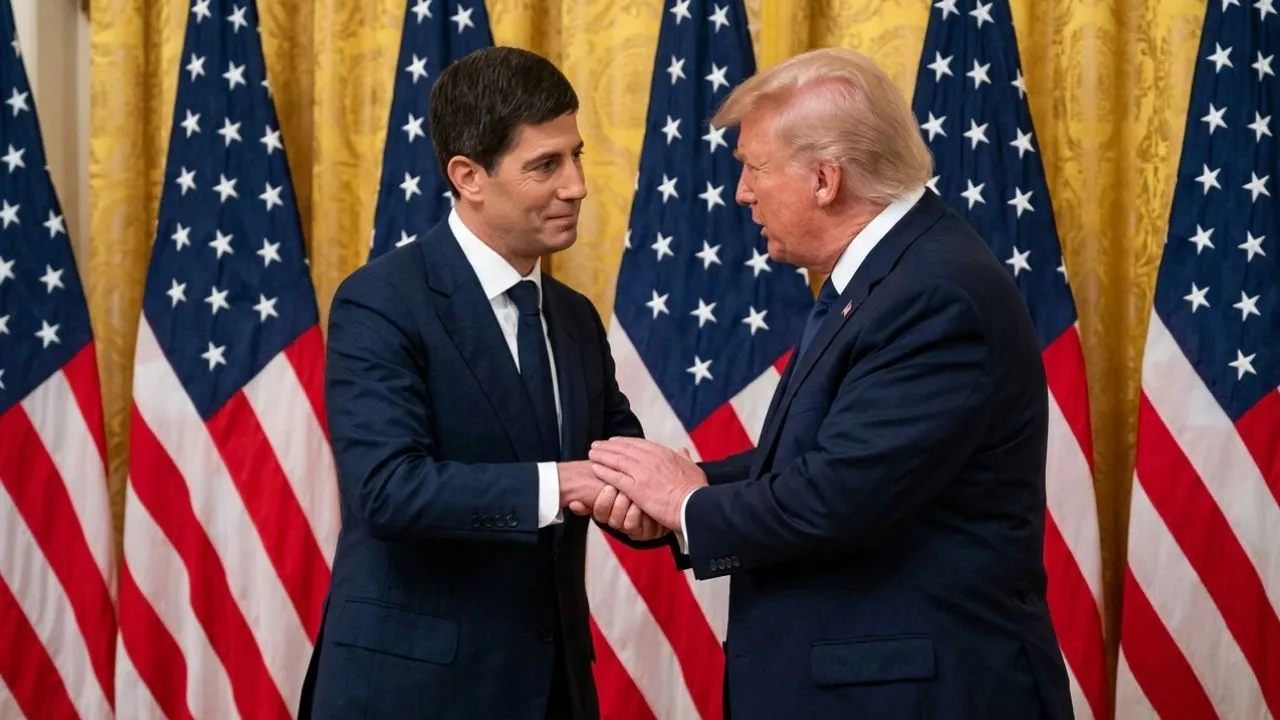
Kevin Warsh was sworn in as Federal Reserve Chair on May 22, 2026 after a 54–45 Senate confirmation vote, and is presiding over his first FOMC meeting on June 16–17, 2026. The institutional weight of this transition extends far beyond symbolism. J.P.
Morgan Wealth Management Chief Investment Strategist Phil Camporeale stated: “The Federal Reserve is not expected to move rates in the June meeting, and we believe they will be on hold for the rest of 2026. There will, however, likely be an explicit move away from a bias toward easing to a neutral stance on rates.”
That shift in language carries a direct financial consequence for savings holders. A neutral policy stance signals to banks that no rate cuts are coming in the near term, which removes pressure to lower high-yield savings rates.
The federal funds rate has remained unchanged across four consecutive FOMC meetings since late 2025, anchoring the effective overnight rate that governs how much banks earn on reserves and therefore how much they can afford to pay depositors.
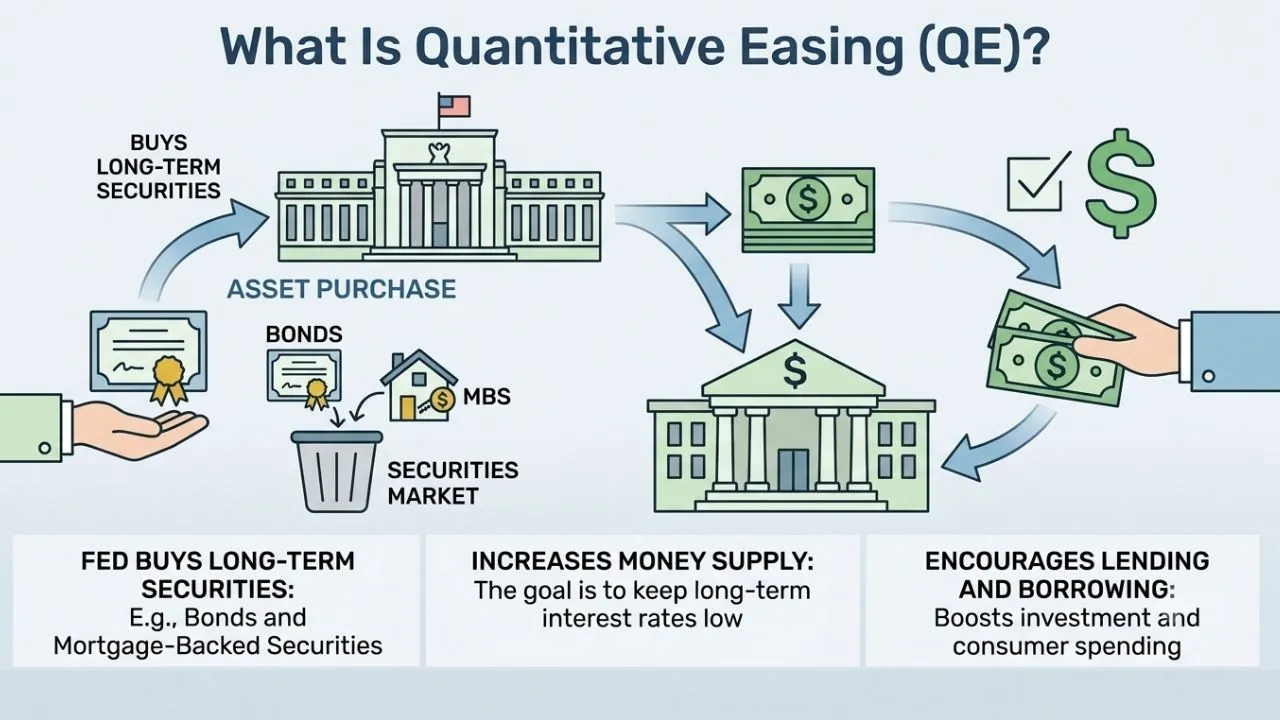
To understand how this settlement machinery operates between the Fed and commercial banks, the complete mechanics are documented in the US money movement system. The EFFR at 3.64% sits 14 basis points above the lower bound of the 3.50%–3.75% target range, a position the Federal Reserve monitors in real time through overnight open market operations.
Banks set high-yield savings rates by calculating this overnight earnings floor and pricing their deposit products against it. A bank earning 3.64% on reserves overnight will offer savers a rate below that figure to preserve its net interest margin.
The Fed’s balance sheet composition further influences this equation: the current reserve balance paid at 3.65% directly establishes the floor beneath which no bank has an economic incentive to offer deposits, per the April 28–29 FOMC minutes.
Why Warsh Changes the Calculation
A closely watched decision at this meeting is what Warsh does with the so-called easing bias, a phrase embedded in the FOMC’s statement that communicates an inclination toward further rate reductions. Dropping it would be consistent with Warsh’s stated ambition to pull the Fed back from the practice of heavily pre-signaling its next steps.
This institutional signal matters enormously for savings holders because bank deposit pricing desks react to forward guidance six to twelve months in advance. If the easing bias disappears from today’s statement, banks that had been quietly preparing to lower savings rates in anticipation of cuts will instead hold or lift those rates.
The change in one sentence inside a policy statement can protect millions of Americans’ passive income without a single basis point moving on the rate itself. The Fed rate decision impact on savings explains this transmission in detail.
The FOMC is meeting as inflation is ticking up again, by 4.2% in May’s consumer price index. Producer prices on goods and services rose even faster at 6.5%, which could mean consumers will feel more of a pinch soon. This current bout of inflation is tricky for the Fed because it is driven by a spike in energy prices caused by the war in Iran.
Stagflation dynamics like this historically produce a specific savings outcome: the Fed cannot cut, but it also hesitates to hike, leaving rates elevated longer than originally anticipated. For savers, this is the most favorable environment in years. The FOMC meeting schedule for 2026 confirms the next rate decision comes July 29, providing a minimum 43-day window of rate stability.
What Happens Next
The FOMC statement releases Wednesday, June 17, 2026 at 2:00 PM ET, followed immediately by Warsh’s first press conference at 2:30 PM ET. Financial markets, savings rate pricing desks at major banks, and an estimated 130 million savings account holders will parse that statement for three specific signals: whether the easing bias is removed, whether any dissents are filed, and what the updated dot plot projects for the rate path through December 2026.
The federal funds rate anchored at its 3.50%–3.75% target range, with May CPI at 4.2% year-over-year amid a 23.5% energy price surge tied to geopolitical tensions, reinforced the higher-for-longer stance ahead of the June 16–17 FOMC meeting, with no change priced at 97% or higher via futures.
Savers in high-yield accounts should act before Wednesday’s press conference concludes. If Warsh removes the easing bias and signals a neutral-to-tightening posture, banks will begin revising savings rates upward within days.
If he retains softer language, some institutions may trim rates by 15 to 25 basis points before the July meeting. The Fed decision impact on savings and the savings account rate after Fed pages on Investozora track these changes in real time.
What This Means
Your savings yield is a direct mechanical output of the federal funds rate and the overnight reserve system that Warsh now controls. The FOMC held at 3.50%–3.75% today, protecting current high-yield savings rates for a minimum of 43 more days. Watch Warsh’s press conference Wednesday, June 17 at 2:30 PM ET for the easing bias decision.
Review your current savings rate today against the 3.64% EFFR floor published at the New York Fed. Any savings yield below 4.00% from a high-yield account deserves competitive review this week. The Warren Warsh Fed chair savings rates analysis on Investozora provides a complete comparison framework for today’s environment.