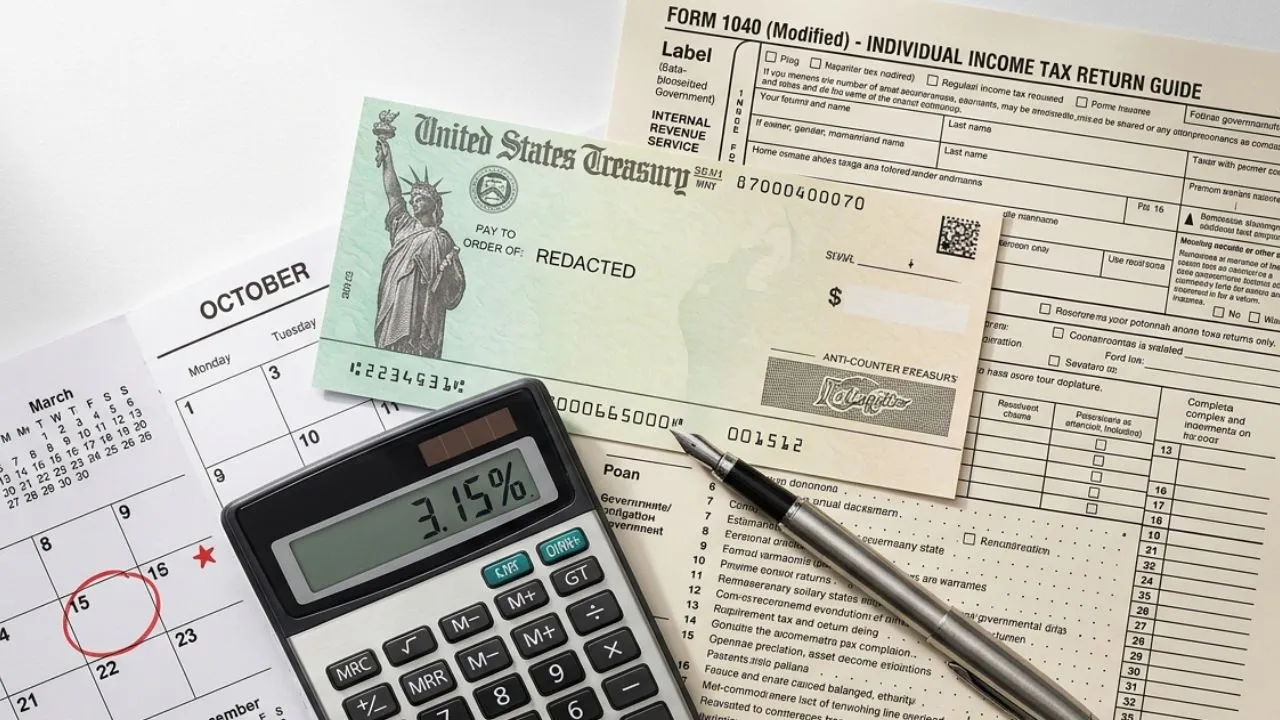

The IRS says most refunds arrive within 21 days. That refund clock does not start the moment you click submit. It starts only when the IRS marks your return as accepted. Some returns, including those claiming certain tax credits, must wait even longer before the clock starts at all.
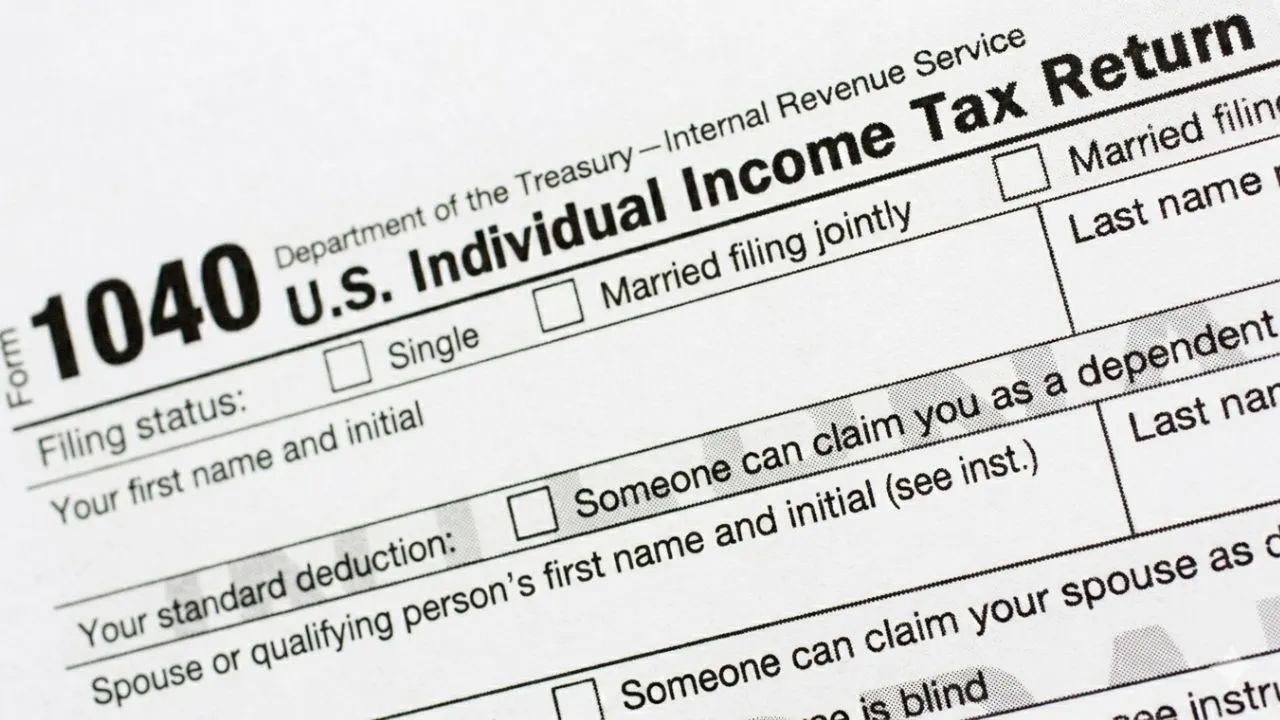
This distinction matters because many filers treat the 21 day window as a guarantee instead of an average. The agency’s own processing status page confirms that electronic Form 1040 returns are generally processed within 21 days. That promise begins at acceptance, not submission, and paper returns sit outside the window entirely.
How The Clock Starts
Software submission and IRS acceptance are two separate events. Only one of them starts the refund clock. When you file electronically, your return first travels through your tax software provider before it ever reaches the agency.
The IRS confirms receipt, runs basic validation checks, and only then issues an accepted status. That accepted status is the true Day Zero. Filers can confirm exactly when their own clock began by checking the refund issued code on their tax transcript once processing finishes.
Why Refunds Take Longer
Certain credits trigger a mandatory delay before the clock can even begin. Under the Protecting Americans from Tax Hikes Act, the IRS cannot release refunds tied to the Earned Income Tax Credit or the Additional Child Tax Credit before mid February. For these filers, the clock stays paused until that legal hold lifts.
Beyond credit holds, automated fraud and error filters can freeze a return completely. An unverified taxpayer identification number or a suspected identity theft flag routes the file into manual correspondence, which carries no fixed timeline.
Once a return clears every check, the refund schedule 2026 status finally moves to approved. From there, funds travel through the same federal rails used by benefit programs like the Direct Express fees system, just routed to a personal bank account instead of a prepaid card.
Refund Edge Cases Explained
Filers who already follow how the Fed creates money sometimes assume refund delays follow similar liquidity logic, but IRS processing runs on a separate internal track entirely. Refunds tied to amended returns, injured spouse claims, or identity theft affidavits leave the standard 21 day track and enter dedicated correspondence queues with their own staffing limits.
For anyone facing a stalled refund, the escalation path runs through the agency’s own channels. The Taxpayer Advocate Service exists specifically for cases stuck well past normal processing windows. The same Treasury settlement rails that release a refund also move other federal benefits, including the disability back pay many Social Security recipients depend on.
What causes an IRS refund to take longer than 21 days?
The IRS says most electronically filed refunds are issued within 21 days, but some returns require additional processing. Common reasons include paper filing, identity verification, math or data errors, and certain tax credits affected by the PATH Act.
Refunds claiming the Earned Income Tax Credit (EITC) or Additional Child Tax Credit (ACTC) can be held until the legal PATH Act release date. In other cases, the IRS may need to verify information before releasing the refund, which can extend the processing time beyond 21 days.
Does “Approved” mean the bank already has my money?
No. An “Approved” status generally means the IRS has finished processing the return and approved the refund for payment. It does not necessarily mean the money has already reached your bank account.
The Treasury still needs to transmit the payment, and your financial institution may need additional time to post it. Depending on the bank and payment method, the deposit can take additional business days after the IRS issues it.
How often does the Where’s My Refund tool update?
The IRS Where’s My Refund? tool generally updates once every 24 hours, usually overnight. Your refund status may not change immediately after the IRS takes an action on your return.
Checking repeatedly throughout the day usually will not provide new information because the system does not continuously refresh for individual users. If your status has not changed, checking again the following day is generally more useful.
What This Means
The refund clock starts at acceptance, not submission, and several statutory holds can pause the refund clock entirely. Understanding this single fact resolves most of the confusion filers feel while waiting on a 2026 refund. The full money movement system behind your refund involves more steps than most filers realize.
What You Should Do Now
Confirm your return shows an accepted status, not merely a submitted status, within your tax preparation software. Check the IRS Where’s My Refund tool only once per day, since the system generally updates overnight and more frequent checks will not reveal new information.
If you claimed the Earned Income Tax Credit (EITC) or Additional Child Tax Credit (ACTC), remember that refund processing timelines typically begin only after the annual mid-February hold is lifted. If your refund remains unchanged for more than 21 days after acceptance, contact the Taxpayer Advocate Service and have your filing details readily available before calling.