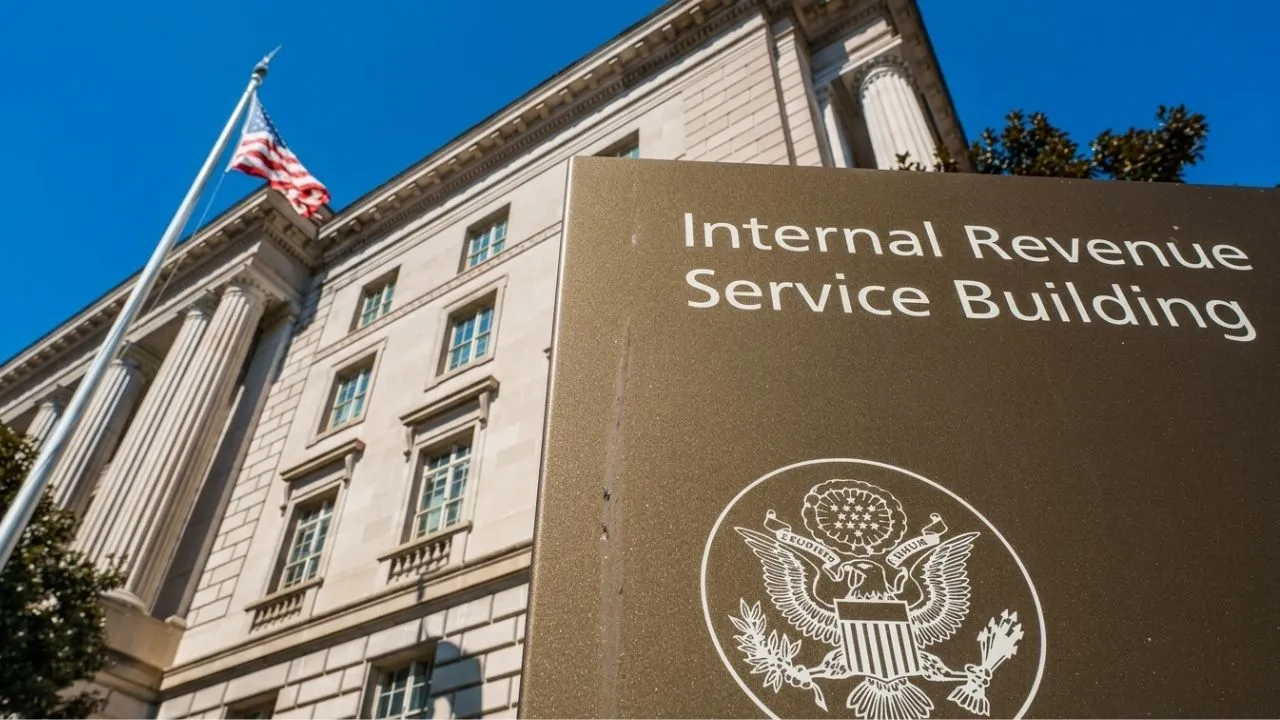
Federal retirement rules governing catch-up contributions changed permanently for the 2026 tax year. Workers nearing retirement now have a narrow window to use these catch-up contributions before eligibility rules shift again. The change affects anyone enrolled in a 401(k), a 403(b), or the federal government’s Thrift Savings Plan.
New Super Catch Up Limits
The standard 401(k) elective deferral cap rises to $24,500 for 2026. Employees age 50 and older can add a standard catch-up contribution of $8,000, bringing their maximum standard contribution limit to $32,500 under current workplace plan rules.
A separate and more powerful provision applies to a specific four-year age band. Workers who turn 60, 61, 62, or 63 during the calendar year qualify for the Super Catch-Up. Their catch-up allocation peaks at $11,250 instead of the standard $8,000 figure.
That structure allows an aggressive tax-sheltered contribution total of $35,750 inside eligible plans. The IRS catch-up rules confirm this figure applies uniformly across private-sector 401(k) plans, 403(b) plans, and the TSP. Once a worker reaches age 64, this specialized window closes, and their maximum catch-up capability reverts to the standard $8,000 limit.
This narrow four-year band represents one of the largest short-term savings opportunities inside the federal tax code. Financial independence, in this specific and narrow sense, becomes mathematically achievable through disciplined use of this window alone.
Mandatory Roth Contribution Rule
A separate rule complicates this opportunity for higher earners. Beginning January 1, 2026, a new FICA wage test applies to every catch-up contribution nationwide. If a participant’s 2025 wages from their current plan sponsor exceeded $150,000 in Federal Insurance Contributions Act (FICA) earnings, the tax treatment changes completely.
All catch-up and Super Catch-Up contributions for that worker must be designated as Roth contributions. Roth contributions are made after tax, unlike the pre-tax deferrals most workers are used to. The official catch-up guidance lays out this wage threshold in exact terms tied to FICA reporting.
This shift removes an immediate tax deduction that high earners previously counted on. It also assumes every employer plan already supports a Roth contribution option internally. That assumption does not always hold true, and that gap creates the real risk heading into 2026.
Where Employer Plans Fail
Many workplace retirement plans have never needed a Roth component before this year. Plan administrators must formally amend plan documents to accept Roth catch-up contributions under the new rule. If a plan lacks that amendment, the consequence is severe for affected employees.
Employers without a compliant Roth framework are legally barred from accepting any catch-up contribution from high earners at all. Not a reduced contribution. Not a delayed contribution. A complete block on the entire catch-up allocation for that worker.
This creates a hidden compliance trap heading into year end. A worker earning over $150,000 who assumes their catch-up contribution will process automatically may discover it never posted. Payroll systems that have not been recoded for the Roth split will simply reject the transaction.
High earners approaching the full retirement age window should treat this as an immediate administrative task rather than a year-end afterthought. Confirming Roth readiness with a benefits department now avoids a contribution failure discovered too late to fix. The IRS retirement topics page remains the authoritative source for confirming exact wage thresholds each plan sponsor must apply.
Workers using the Super Catch-Up alongside other retirement tools benefit from understanding how these contributions interact with future income. Someone who maximizes catch-up contributions in their early sixties often approaches retirement benefit timing decisions with more flexibility later. A larger tax-sheltered balance can support delaying a maximum benefit amount claim, since the account itself now covers a larger share of near-term expenses.
The interaction between accelerated 401(k) savings and eventual benefit calculation formula work matters more than most retirement guides acknowledge. A worker who fully funds catch-up contributions for four consecutive years enters their high-benefit claiming years with meaningfully more flexibility over when to file.
Other provisions in the tax code compound this opportunity. The federal standard deduction amounts rose again for 2026, and family-focused offsets tied to the family tax provisions reduce the net cost of shifting contributions into Roth status. A child savings accounts rule signed into law separately gives families another parallel savings channel outside the workplace plan system entirely.
For workers who prefer marketable government securities alongside a workplace plan, treasury bill basics explain how short-term instruments complement a catch-up strategy without taking on market risk. Some savers compare a current bond yield against Super Catch-Up contributions to decide where additional after-tax savings should go once the workplace limit is reached.
None of these mechanics function in isolation. Every dollar that moves through a 401(k), a Roth account, or a Treasury security ultimately settles through the same underlying federal money movement infrastructure that clears nearly all retirement and government payments nationwide.
A savers match program scheduled to begin in 2027 will layer an additional federal incentive on top of whatever catch-up strategy a worker adopts today, though its total value still depends on the same wage-based eligibility structure. Workers with access to catch-up contributions in 2026 face a genuinely narrow calendar.
The Super Catch-Up window applies only to four specific birth years, and the mandatory Roth rule adds a compliance step most plans have not finished building. Confirming both facts early, directly with a benefits administrator, is the only way to guarantee the contribution actually posts before December 31.