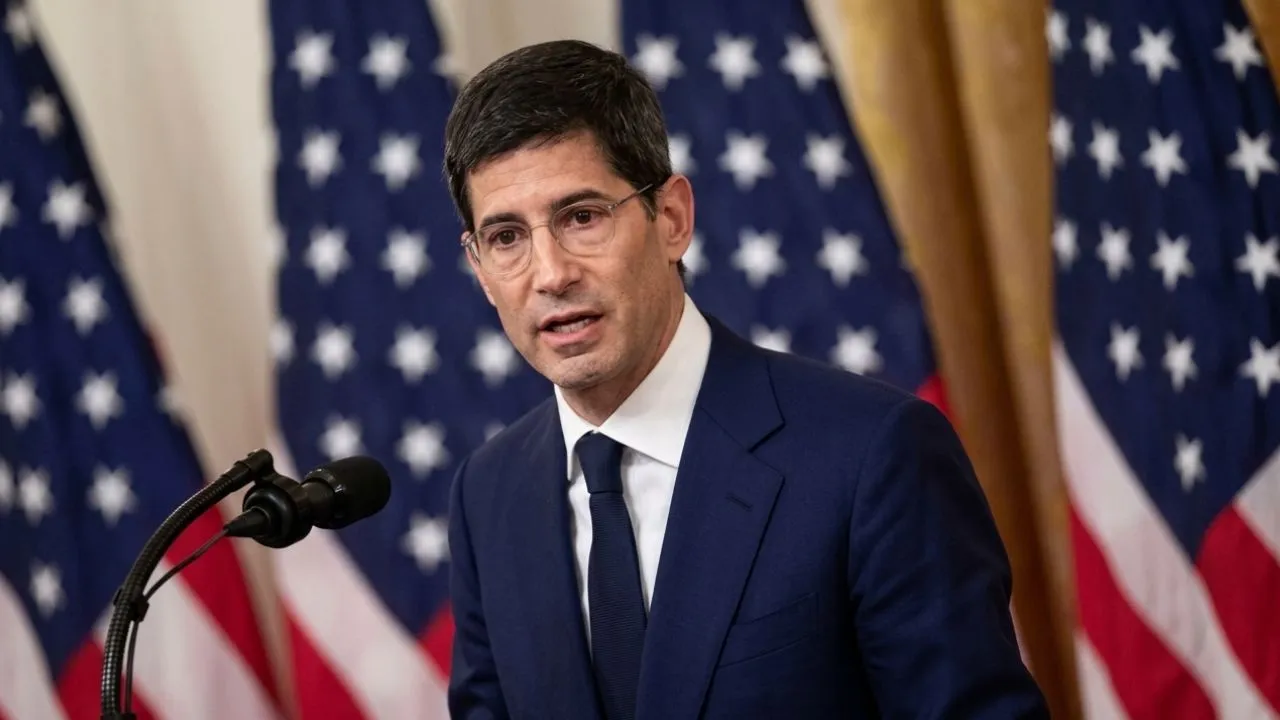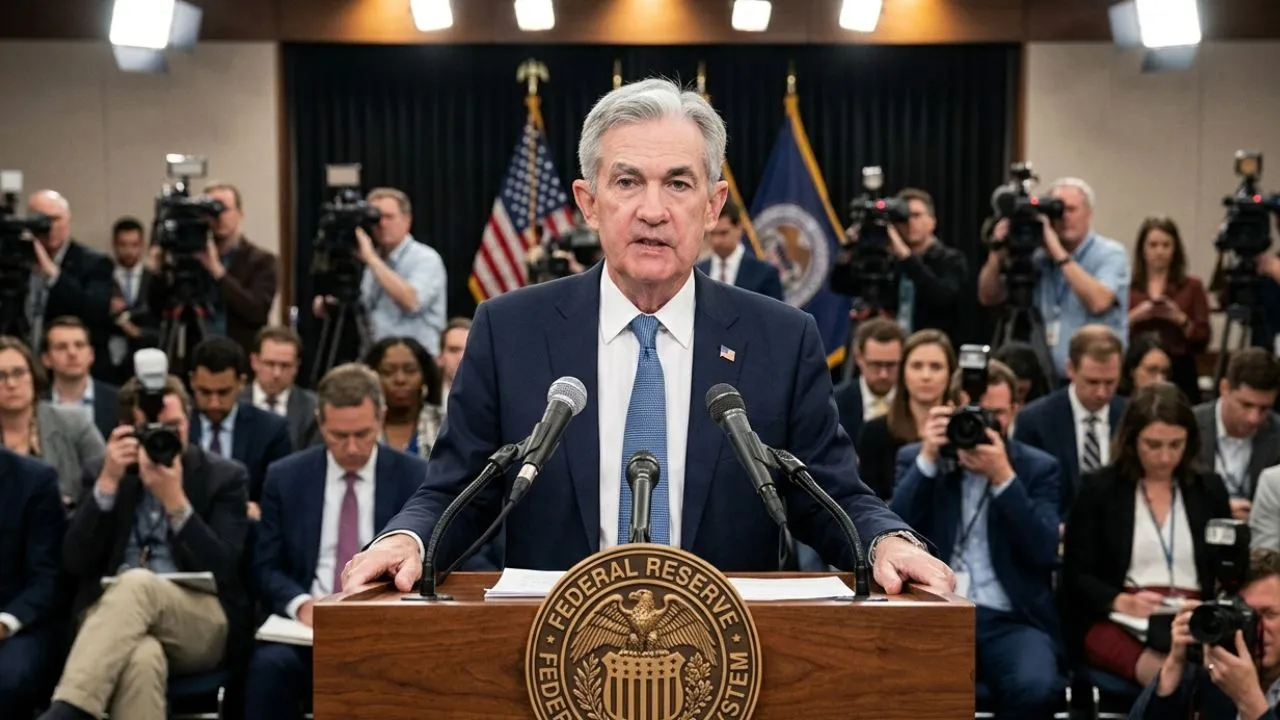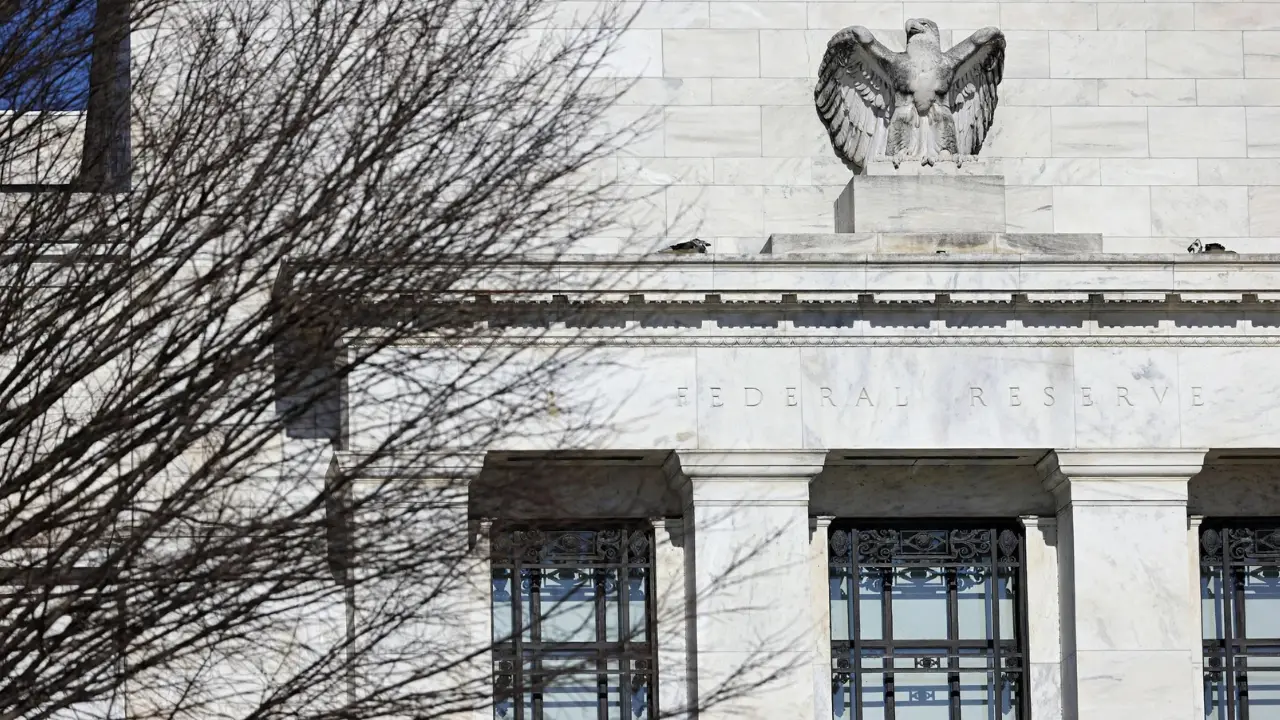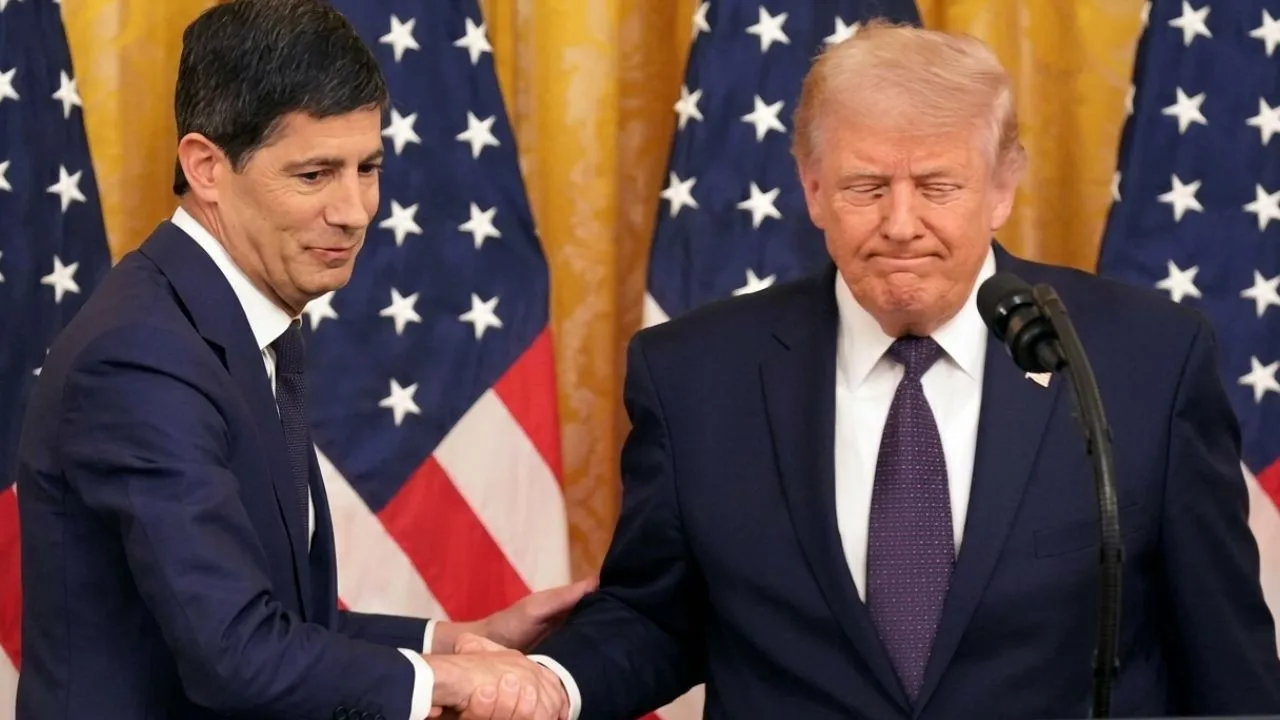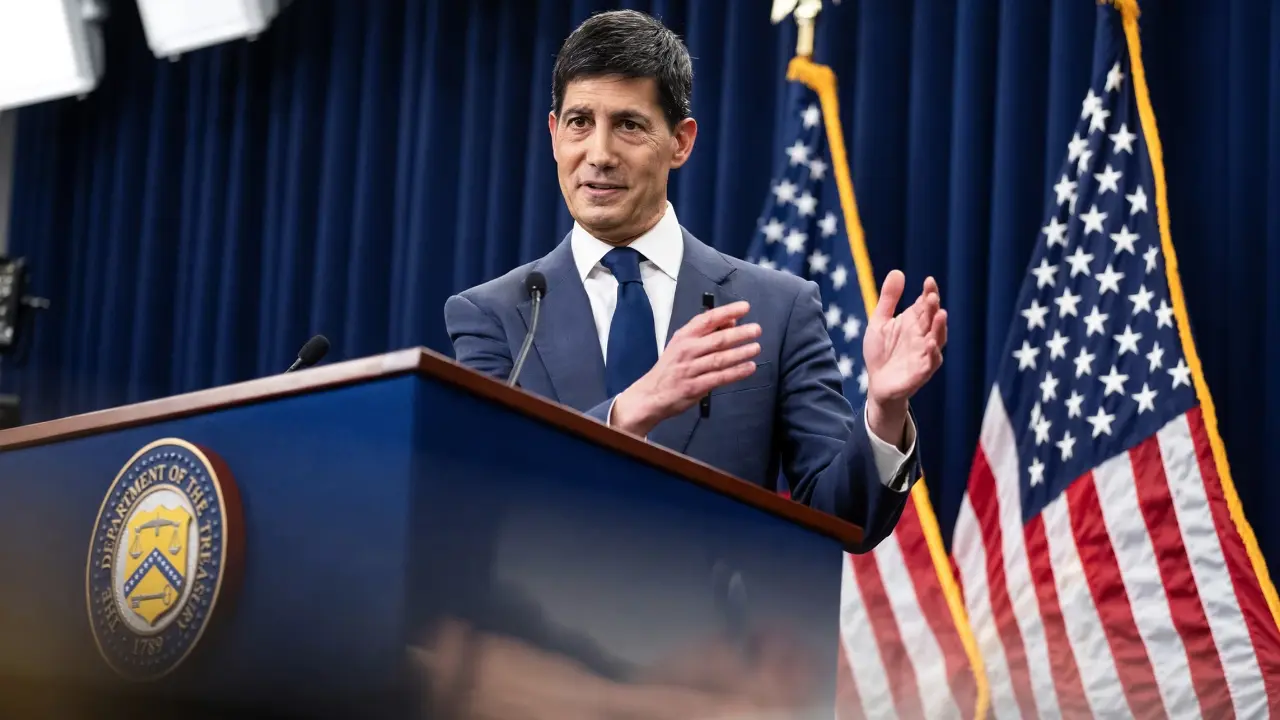
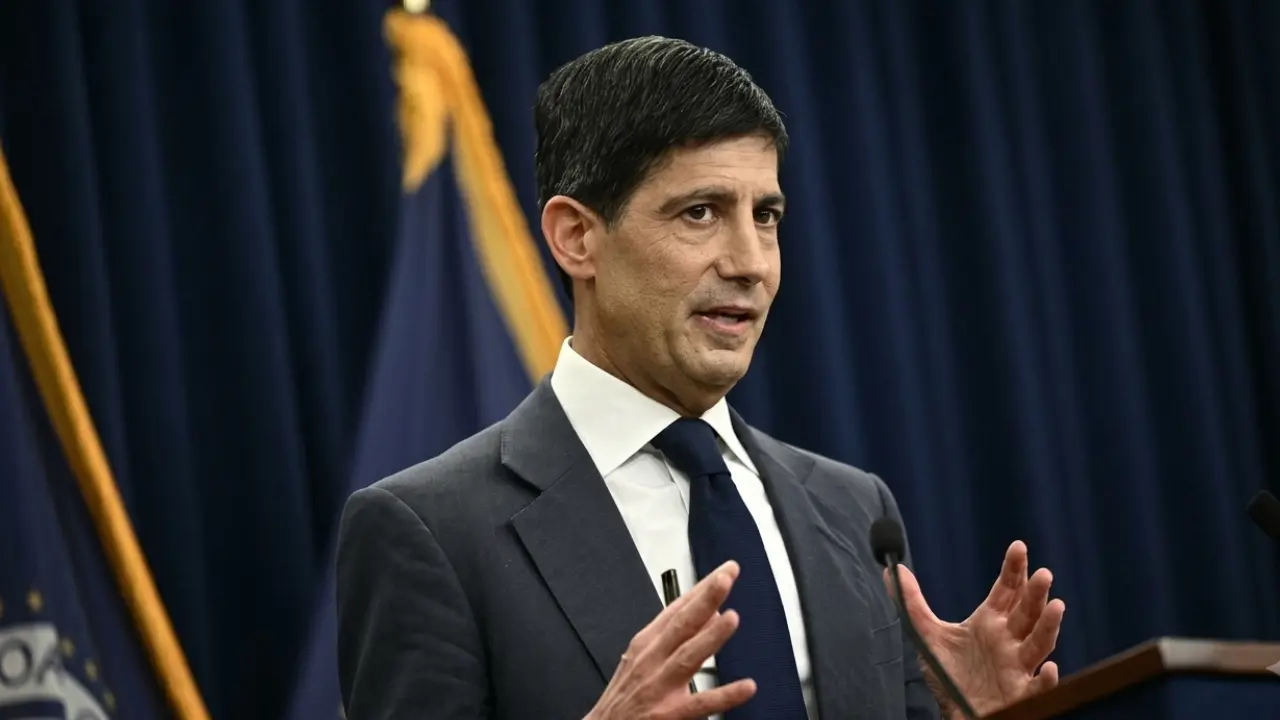
Federal Reserve Chair Kevin Warsh has signaled that the central bank’s next move on interest rates is more likely to be a hike than a cut, after the Fed’s preferred inflation gauge showed prices climbing faster than they have in three years.
Speaking at the European Central Bank’s forum in Sintra, Portugal, Warsh said bluntly that anyone expecting the Fed to tolerate inflation above its 2% target “would be disappointed.”
Core PCE inflation, which strips out food and energy, rose 3.4% year over year in May 2026, the highest reading since October 2023, according to the Commerce Department’s Bureau of Economic Analysis. The federal funds rate has held steady at 3.50% to 3.75% since Warsh took the Fed’s helm in May.
The remarks matter because Warsh has spent his short tenure trying to strip forward guidance out of the Fed’s playbook entirely. Unlike his predecessor, he has declined to publish his own economic projection alongside the Fed’s official forecasts, arguing that specific rate promises box the committee in before the data is fully in.
That makes his blunt language on prices unusual, and Wall Street noticed. The Motley Fool described it as an unmistakable clue about where rates are headed, even without the forward guidance Warsh insists on avoiding.
The inflation backdrop driving that shift is genuinely uncomfortable. The headline PCE index rose 4.1% year over year in May, also a three-year high, while the Consumer Price Index reached 4.2%.
Some coverage has nicknamed the pressure “Trumpflation,” tying the acceleration to tariff and energy policy under the current administration, though Investozora has not independently verified that framing as an official government term and treats it here strictly as market shorthand rather than settled fact. What is confirmed is the Fed’s own read on where this is heading.
At Warsh’s first meeting in June, nine of the Fed’s 18 policymakers penciled in at least one rate hike before year’s end, and six of those projected two separate quarter-point increases. That is a sharp reversal from March, when the committee’s median projection still called for a rate cut in 2026.
This is where the Fed dot plot becomes useful context for readers trying to translate committee jargon into a plain-English forecast. The dot plot does not bind the Fed to act. It shows where individual officials currently expect rates to land, and those expectations can shift meeting to meeting as new data arrives.
Warsh’s own June statement ran to just 130 words, notably shorter than statements under former Chair Jerome Powell, and dropped explicit language about the likely direction of future moves, according to the Fed’s own June policy statement and Sintra remarks reviewed for this article.
Warsh’s approach to the job goes beyond a single inflation reading. On July 9, he announced the leadership of five new task forces examining the Fed’s communications strategy, its roughly $6.7 trillion balance sheet, its reliance on existing economic data, productivity and jobs, and its inflation framework.
In the Fed’s own release announcing the leadership, Warsh said each task force would consider whether policymakers’ “means and methods, analytical tools and policy approaches can be improved upon.”
Those Fed task forces are stacked with outside names, including venture capitalist Marc Andreessen and former Walmart CEO Doug McMillon, a deliberate break from the academic panels that have typically reviewed Fed operations.
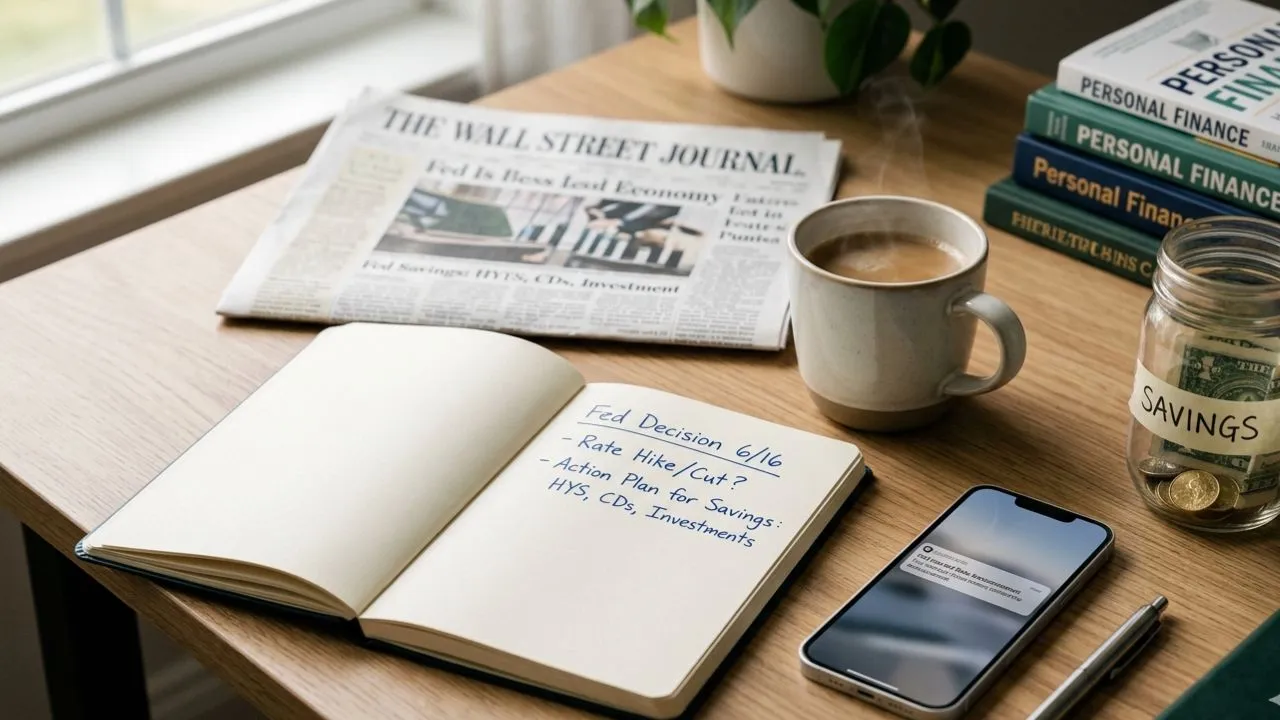
For everyday savers and borrowers, the practical question is what happens if the Fed actually hikes rather than holds again in September. A higher federal funds rate typically pushes up savings account rates, since banks compete harder for deposits when their own borrowing costs rise.
It also tends to keep credit card APRs and adjustable-rate loan costs elevated rather than easing them, the opposite of what markets were pricing in as recently as the spring.
Mortgage rates react less directly to the federal funds rate itself and more to Treasury yields, but a hawkish Fed generally keeps long-term borrowing costs from falling quickly. It is worth being precise about what is confirmed and what is not. Warsh has not announced a rate hike, and the Fed has not scheduled one.
What is confirmed is that a majority of the committee now expects at least one increase this year, that Warsh has publicly rejected the idea of tolerating above-target inflation, and that his own inflation forecast commentary at Sintra was sharper than his written policy statements have been.
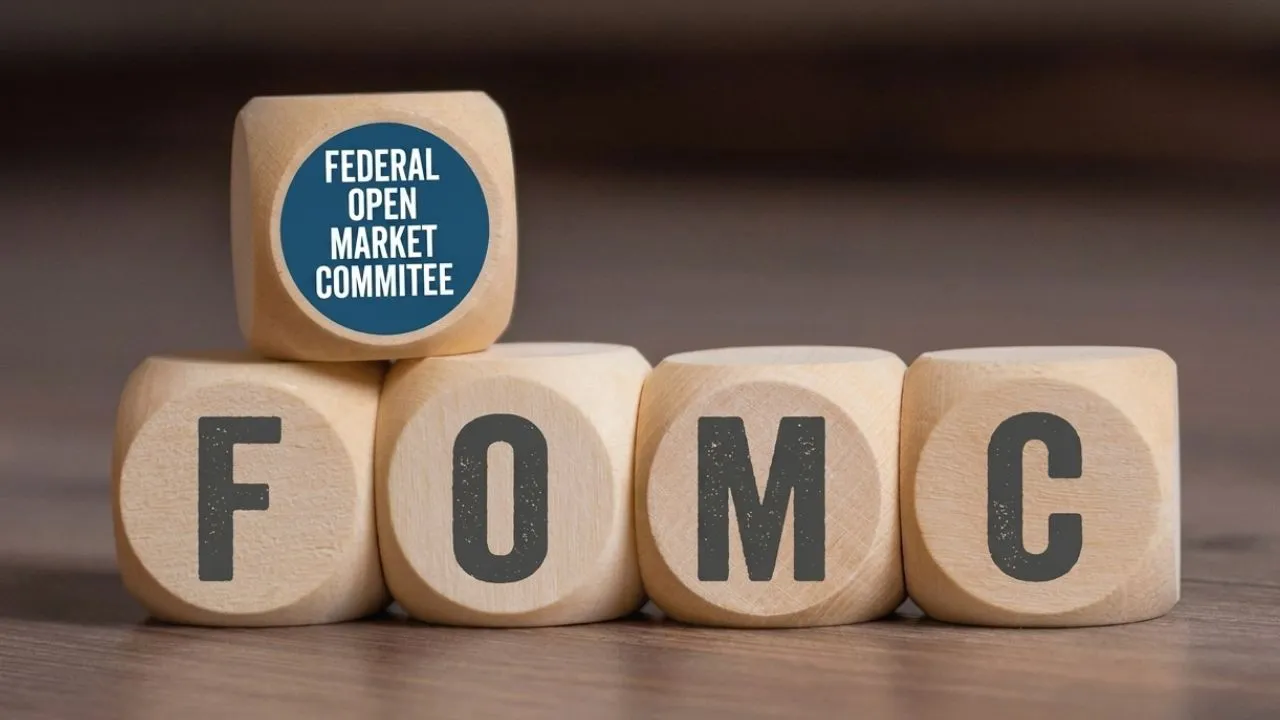
The Fed’s next scheduled FOMC rate decision will be the first real test of whether that rhetoric translates into an actual vote to raise rates. Readers who want to verify this coverage independently can review the Federal Reserve’s July 9 press release on its task force leadership directly at federalreserve.gov, and the Bureau of Economic Analysis’s Personal Consumption Expenditures release for the exact May inflation figures.