

SPCX shares are trading around $145 to $146, roughly flat against the $135 IPO price and down more than 35 percent from their June 16 intraday high of $225.64. The stock touched a new post-IPO low of $145.07 on July 10.
The SpaceX IPO momentum that made Elon Musk the world’s first trillionaire on June 12 has largely evaporated one month later. Shares of Space Exploration Technologies Corp, trading under the ticker SPCX, closed their first session at $160.95, a 19 percent gain over the $135 offer price, after the company raised roughly $75 billion in what became the largest initial public offering in Wall Street history.
As of this week, that early enthusiasm has cooled to the point where the stock is once again trading close to where it started.
How The Debut Actually Went
SpaceX’s Nasdaq debut was a genuine spectacle by any historical measure. More than 500 million shares changed hands on the first day, approaching the roughly 580 million shares traded during Facebook’s 2012 debut, and the stock briefly touched a market value above $2.25 trillion during intraday trading.
By the following Monday, shares climbed a further 20 percent to push the company’s valuation past both Amazon and Microsoft at its peak. That peak came on June 16, when SPCX hit an intraday high of $225.64, just four days after going public.
The rally was driven in part by the company’s February 2026 acquisition of xAI, Musk’s artificial intelligence venture, which brought the Grok chatbot, the Colossus data center operation, and the X social platform under the same corporate umbrella. Musk told investors the combined company could approach $1 trillion in annual revenue by 2030, up from $18.7 billion in 2025.
Why The Stock Has Pulled Back
The reversal began almost immediately after the June 16 peak, with shares falling in three consecutive sessions. By late June, SPCX had settled around $153, still comfortably above the IPO price but well off its high.
The slide continued through early July, and by July 10 the stock had touched $145.07, its lowest level since going public, before a two-day slide that closed the stock near $148 following its addition to the Nasdaq 100 index.
Several factors appear to be behind the pullback. Wall Street analysts have offered sharply divided views on the company’s valuation from the start. CFRA initiated coverage with a sell rating and a 12-month price target of $115, nearly 29 percent below the first-day closing price, citing what it called an extremely ambitious growth strategy and significant capital intensity.
Morningstar valued the stock even lower, at $63 per share, while other firms such as NewStreet Research have set price targets above $165, arguing the investment case only makes sense over a 20 to 25 year horizon rather than the next few quarters.
That split among professional analysts, paired with a company that posted a net loss of roughly $4.3 billion in its most recent quarter, has left retail investors without a clear consensus to anchor around.
What The Numbers Actually Show
According to SpaceX’s own IPO prospectus, the company has accumulated total losses of $41.3 billion since its founding in 2002, and it lost nearly $5 billion in 2025 alone even as revenue grew to $18.67 billion.
Capital expenditures in the first quarter of 2026 totaled $10.1 billion, more than double the $4.1 billion spent in the same period the prior year, with the bulk of that increase tied to AI infrastructure rather than rocket or satellite operations.
Starlink remains the company’s largest and most established business line, accounting for roughly 61 percent of total revenue in 2025 and reaching more than 10.3 million active customers across 160 countries as of March 2026, more than double its subscriber count at the end of 2024.
That steady, subscription-based growth stands in contrast to the far more speculative AI segment that has driven much of the stock’s volatility since the IPO.
What This Means For Investors
A stock trading near its offer price one month after a record debut is not, on its own, evidence of failure. Reuters has found that of the 50 most heavily valued IPOs over the past five years, investors would actually have been better off simply buying an S&P 500 index fund roughly three-quarters of the time, a pattern seen after the debuts of companies from Facebook to Alibaba.
SpaceX’s current pullback fits a well-documented post-IPO cycle in which early speculative buying gives way to a more sober reassessment of fundamentals.
For readers holding SPCX shares directly or through a fund, the practical takeaway is that a company burning billions of dollars a year on AI infrastructure while still profitable from its core rocket and satellite business is, by its own analysts’ admission, a long-dated bet rather than a short-term trade.
Anyone considering a position should weigh the 20 to 25 year horizon some analysts describe against their own investment timeline before treating recent price swings as a signal to buy or sell.
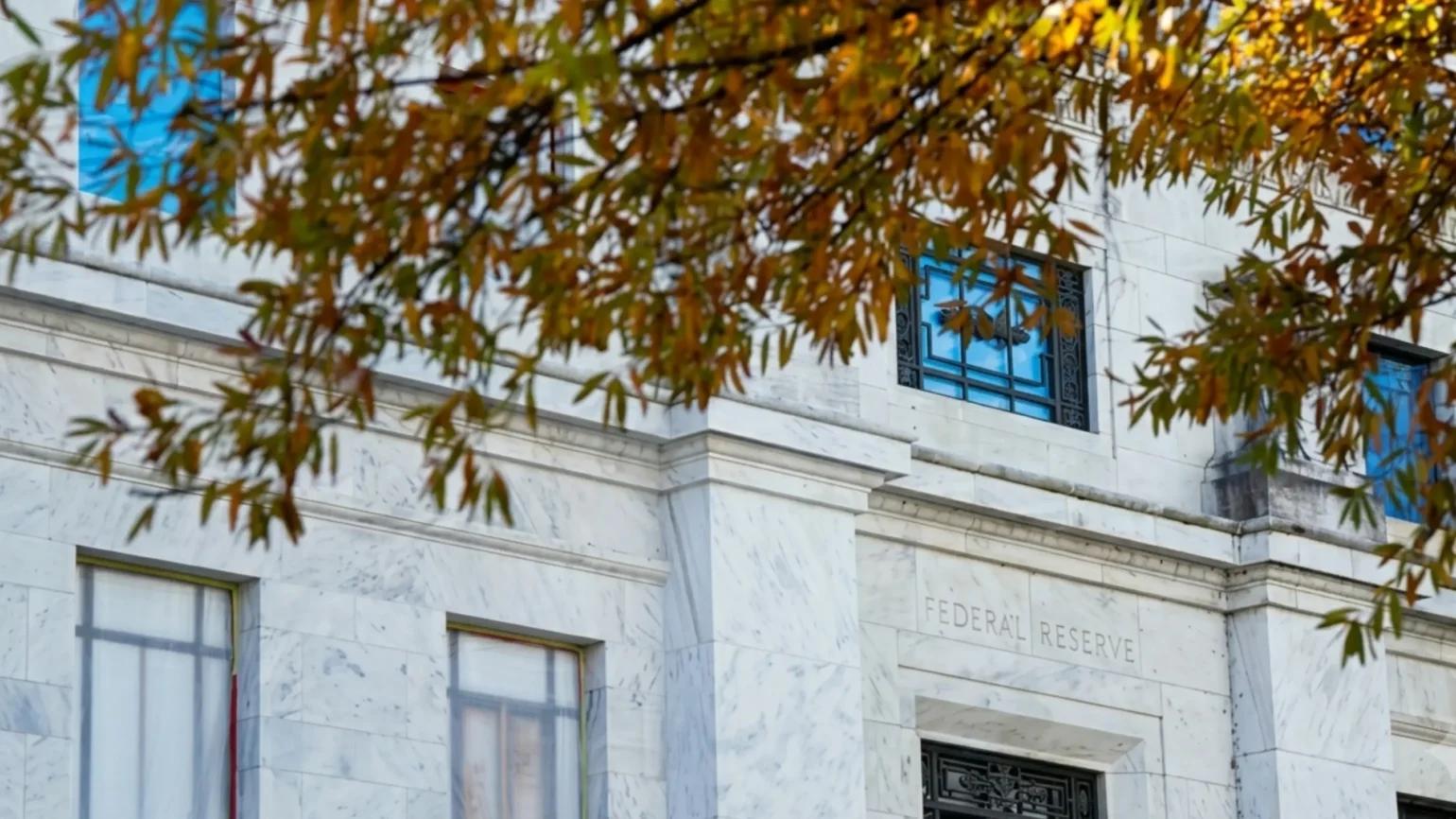
Readers following broader capital markets should also see our related coverage on how fed rate hike expectations are shaping bond yields, since elevated Treasury yields have been a headwind for high-growth, cash-burning stocks like SpaceX throughout this stretch.
For context on how Fed policy connects to the broader us money movement system that underlies everything from bank settlement to capital markets liquidity, that guide offers useful background. Readers weighing how Kevin Warsh’s coming rate decision could affect volatile growth stocks like SpaceX can also see our companion article on the warsh rate decision.
Is SpaceX stock still a good buy after the pullback?
That depends entirely on your time horizon and risk tolerance. Professional analyst price targets currently range from $63 to $800, an unusually wide spread that reflects genuine disagreement over how to value a company combining an established satellite business with a capital-intensive, unproven AI operation.
What You Should Do Now
If you own SPCX shares, review your original reason for buying before reacting to short-term price swings, since the stock’s volatility over its first month reflects a documented pattern seen in other major IPOs rather than a unique red flag.
If you’re considering buying in for the first time, compare the range of analyst price targets against your own investment horizon, and never invest money you cannot afford to hold through a multi-year period of uncertainty.