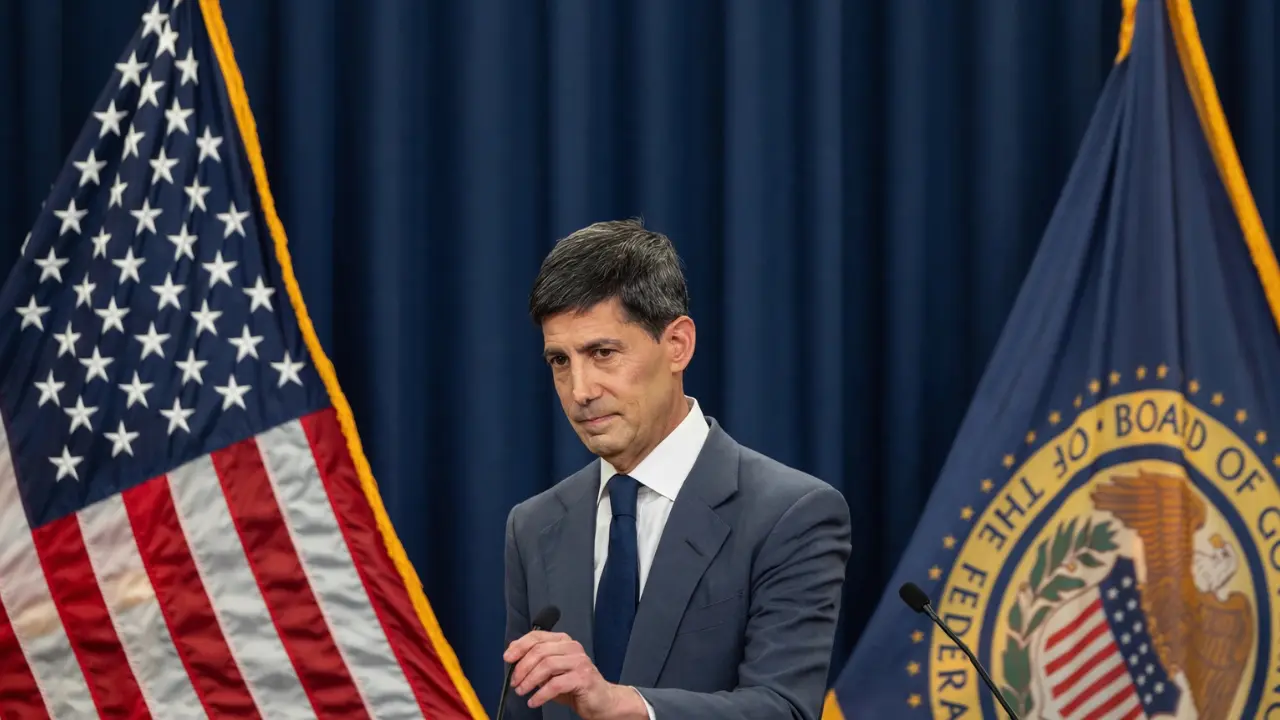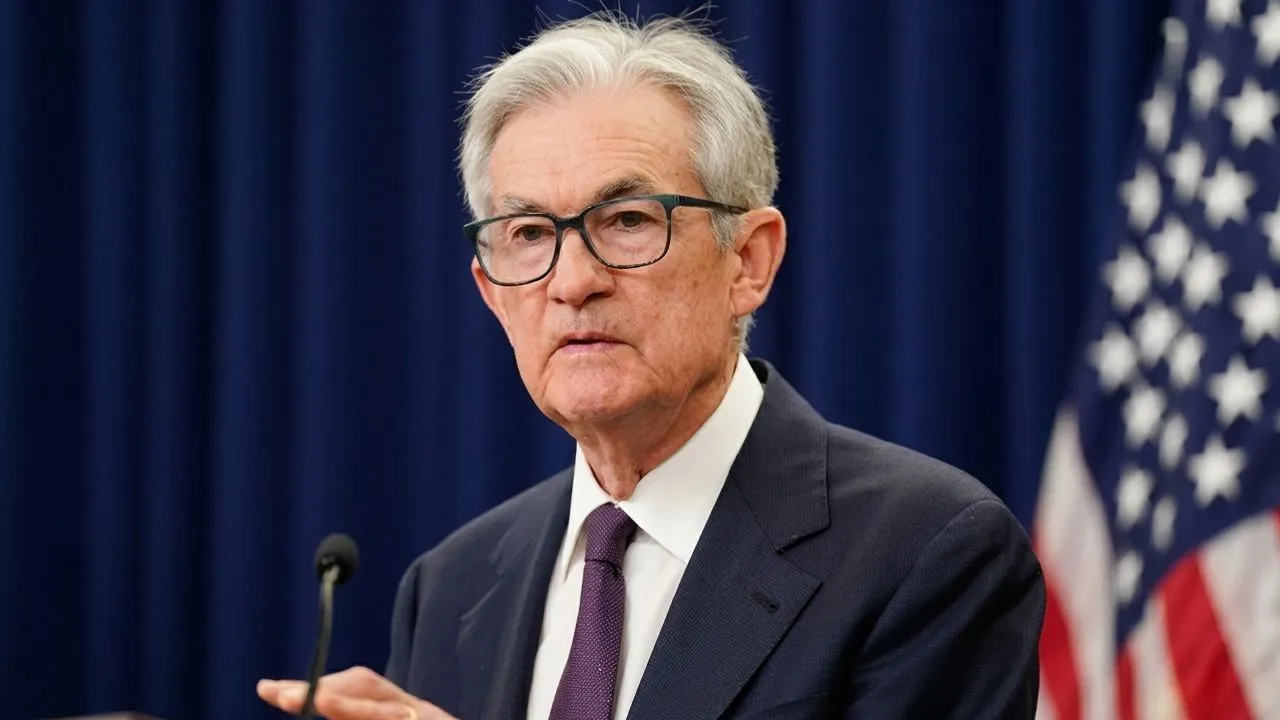


The Federal Reserve held the federal funds target range at 3.50% to 3.75% on July 29. The decision passed 9–3, with three policymakers preferring a quarter-point increase, according to the Fed’s July 29 FOMC statement. Higher interest rates may remain part of the financial picture longer than many consumers expected earlier this year.
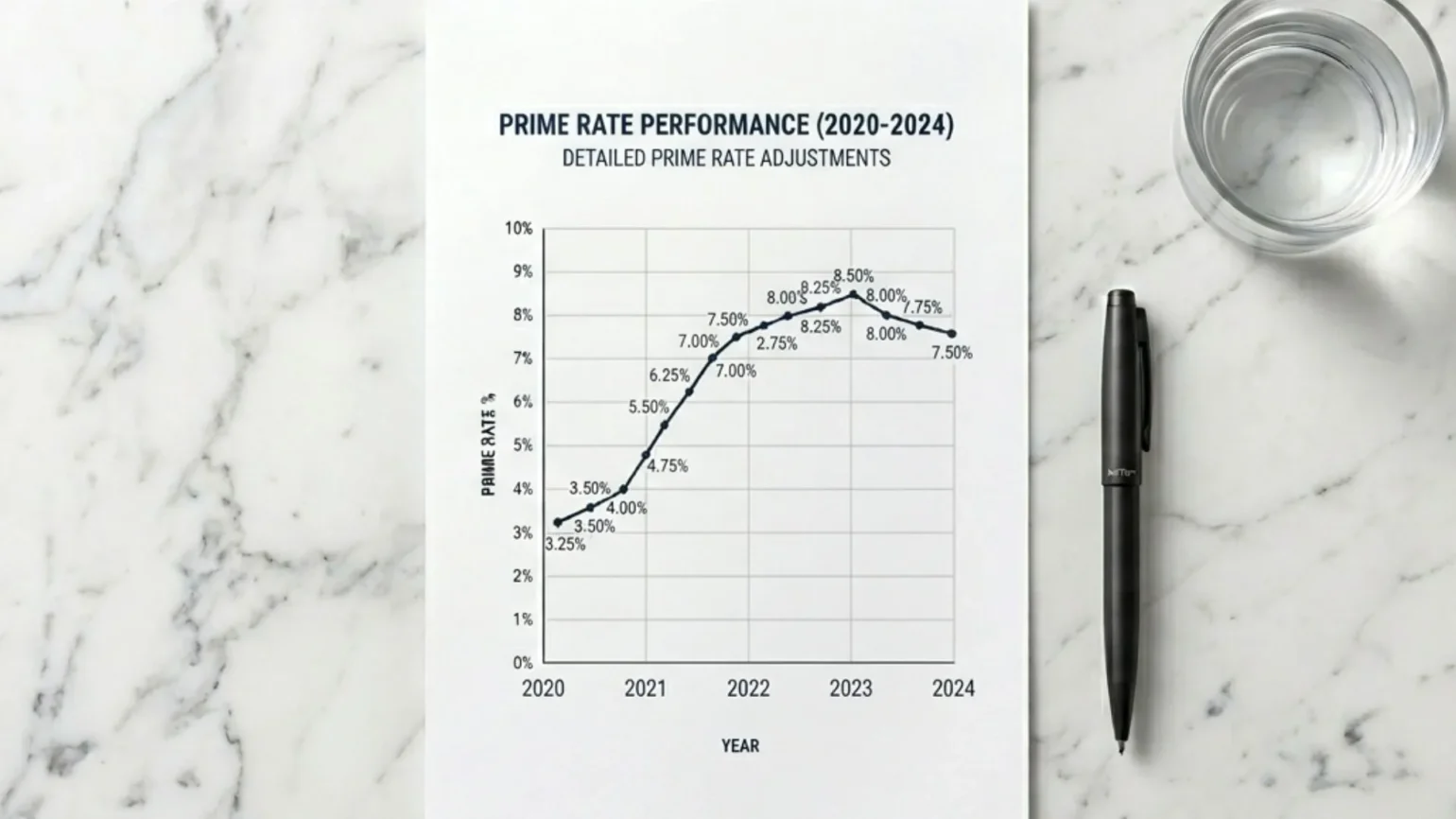
The Federal Reserve has not promised that rates will stay elevated. It has also not announced a date for lower borrowing costs. Instead, the latest official evidence shows a policy rate still at 3.50% to 3.75%, while inflation remains above the Fed’s longer-run 2% goal.
For consumers, that creates two very different effects. Borrowing remains expensive, especially for households carrying credit-card balances or taking new personal loans.
Savers, meanwhile, may have more time to benefit from an environment that still supports relatively attractive returns on cash. A broader explanation of how those decisions reach household finances is available in Investozora’s Federal Reserve policy guide.
Borrowing costs remain a major pressure point
The clearest evidence appears in the Federal Reserve’s latest Consumer Credit G.19 release, published August 7 and covering June and the second quarter of 2026.
Average commercial-bank credit-card rates were 20.94% across all accounts during the second quarter. Accounts that were actually assessed interest averaged 22.15%. Other forms of consumer credit also remained costly.
| Consumer Credit Product | Q2 2026 Commercial-Bank Rate |
|---|---|
| Credit cards, all accounts | 20.94% |
| Credit cards assessed interest | 22.15% |
| 60-month new-car loans | 7.14% |
| 24-month personal loans | 11.86% |
The Federal Reserve reports these figures as annual percentage rates. For new-car and personal loans, the figures are simple averages of banks’ most common rates during the survey period. Individual borrowers can receive substantially different offers depending on their credit profile, lender and loan terms.
The same release shows why credit cards deserve particular attention. A household revolving a balance at an APR above 20% faces a very different financial calculation from someone waiting for mortgage rates or auto-loan rates to decline.
The Federal Open Market Committee does not directly set a consumer’s credit-card APR. It sets the target range for the federal funds rate, while lenders determine the rates they charge borrowers.
For consumers carrying balances, the practical issue is that there is still no confirmed timetable for broad rate relief. Investozora’s guide to credit card APRs explains how changes in the broader rate environment can reach revolving debt.
Mortgages also require a different calculation. A Fed decision does not translate point-for-point into a 30-year mortgage quote. Consumers considering a home purchase can review Investozora’s mortgage rate guide for a closer look at that relationship.
Savers may have more time before the rate environment changes
Higher interest rates create a very different situation for households holding cash.
Investozora analysis: If the Federal Reserve keeps its policy rate near the current 3.50% to 3.75% range, there is less immediate downward pressure from Fed rate cuts on the broader interest-rate environment. That could give competitive savings products more time before a substantial easing cycle changes conditions.
That is an interpretation of the current policy environment, not a Federal Reserve forecast or guarantee. Banks determine the yields they offer depositors. A Fed hold therefore does not guarantee that a particular savings account, money-market account or certificate of deposit will maintain its current rate.
The more useful question for consumers is whether their existing account remains competitive for what the money is supposed to do. Emergency savings generally needs quick access. Money that will not be needed for a fixed period can create a different decision, including whether locking a yield through a certificate of deposit makes sense.
Investozora’s savings rate guide explains how monetary-policy changes can flow into deposit yields over time. The broader lesson is important: higher rates do not affect every household in the same direction. They increase the cost of borrowing for many consumers, while potentially improving the return available to households holding cash.
The Fed’s rate outlook moved higher between March and June
The strongest official evidence behind the possibility of rates staying higher for longer comes from the Fed’s own projections. Those projections also require careful interpretation.
In the Fed’s March 2026 economic projections, the median FOMC participant projected a 3.4% federal funds rate at the end of 2026. By June, that outlook had shifted. The Fed’s June 2026 Summary of Economic Projections showed a median 3.8% year-end federal funds rate projection for 2026.
Inflation projections also moved higher. The median projection for 2026 personal consumption expenditures inflation rose from 2.7% in March to 3.6% in June. The median projection for core PCE inflation increased from 2.7% to 3.3% over the same period.
That change matters because inflation is central to the Federal Reserve’s policy decisions.
The July 29 FOMC statement said inflation remained elevated relative to the Committee’s 2% goal. Three voting members, Beth Hammack, Neel Kashkari and Lorie Logan, preferred to increase the target range by a quarter percentage point rather than hold it steady.
Investozora analysis: Taken together, the March-to-June projection change and the July vote show that the pressure on the rate outlook has moved upward rather than downward. In March, the median policymaker saw the federal funds rate ending 2026 at 3.4%. By June, that median had increased to 3.8%. Then, in July, three voting policymakers argued that the current rate should already be higher.
That is meaningful evidence for the possibility of a longer period of elevated rates. It is not proof that the Fed will raise rates or keep them unchanged for the rest of 2026.
The Fed explains in its projection materials that the forecasts represent individual participants’ assessments of appropriate monetary policy based on the information available at the time. They are not promises about future FOMC decisions.
That uncertainty matters for consumers. Building a household financial decision around a predicted rate cut can be risky because future policy still depends on incoming inflation, employment and economic data. Investozora’s rate decision guide explains how the FOMC makes those decisions.
What You Should Do Now
Consumers carrying expensive variable-rate debt should make decisions using the interest rate they are paying today, rather than assuming a future Federal Reserve cut will quickly make that debt cheaper.
That is especially important for credit cards. The Fed’s latest G.19 data show an average 22.15% rate on accounts assessed interest during the second quarter. At rates around that level, carrying a balance while waiting for possible future relief can remain costly.
Consumers considering a new loan should compare the actual offers available now, including the APR, fees, monthly payment and total repayment cost. A forecast about future monetary policy should not replace that calculation.
Homebuyers should follow the same principle. A purchase should work under the mortgage rate and monthly payment actually available, rather than depending on an assumed future refinancing opportunity. Savers have the opposite issue.
Someone keeping substantial cash in a low-yield account can compare the account with competitive savings products while rates remain elevated. Liquidity, deposit insurance, fees, withdrawal restrictions and how soon the money will be needed should remain part of that comparison.
Doing nothing can therefore carry a cost on both sides. High-interest debt can continue accumulating interest, while cash can remain in an account paying less than other available options.
The next major inflation reading is close. The Bureau of Labor Statistics is scheduled to release the July Consumer Price Index on August 12 at 8:30 a.m. Eastern Time, according to the official BLS CPI release calendar.
That report will provide another piece of evidence about inflation before the Fed’s next scheduled policy meeting.
The Federal Reserve’s official monetary-policy calendar lists the next FOMC meeting for September 15–16, 2026. Minutes from the July 28–29 meeting are scheduled for release on August 19.
Higher interest rates may therefore stay in place longer, but that outcome is not settled.
As of August 10, the confirmed federal funds target remains 3.50% to 3.75%. The latest Fed projections point to a higher 2026 rate path than policymakers expected in March, while the July vote showed that several policymakers preferred even tighter policy.
For consumers, the practical approach is to treat higher interest rates as the environment that exists now not as a permanent condition, but also not as something guaranteed to disappear soon.