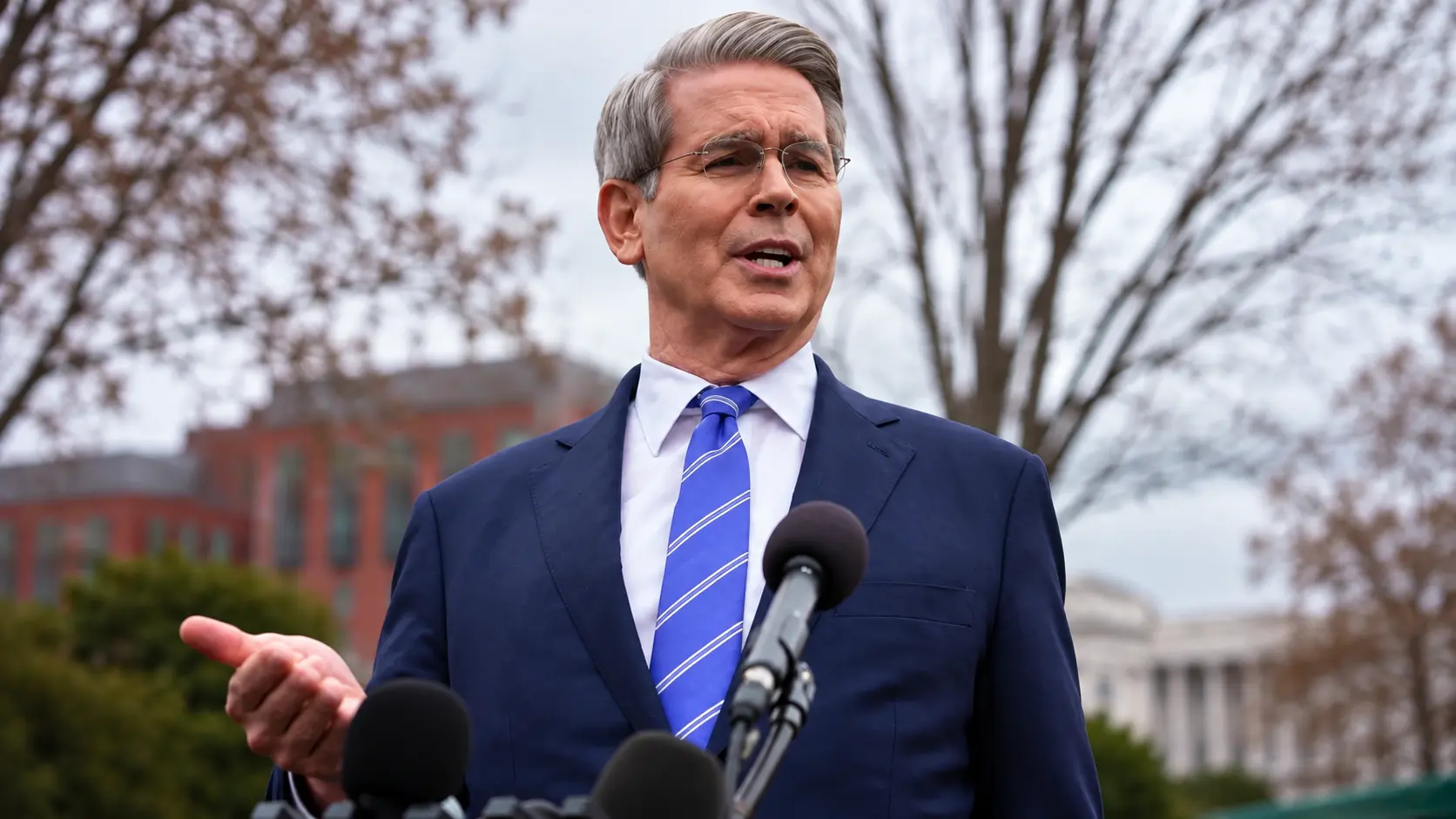

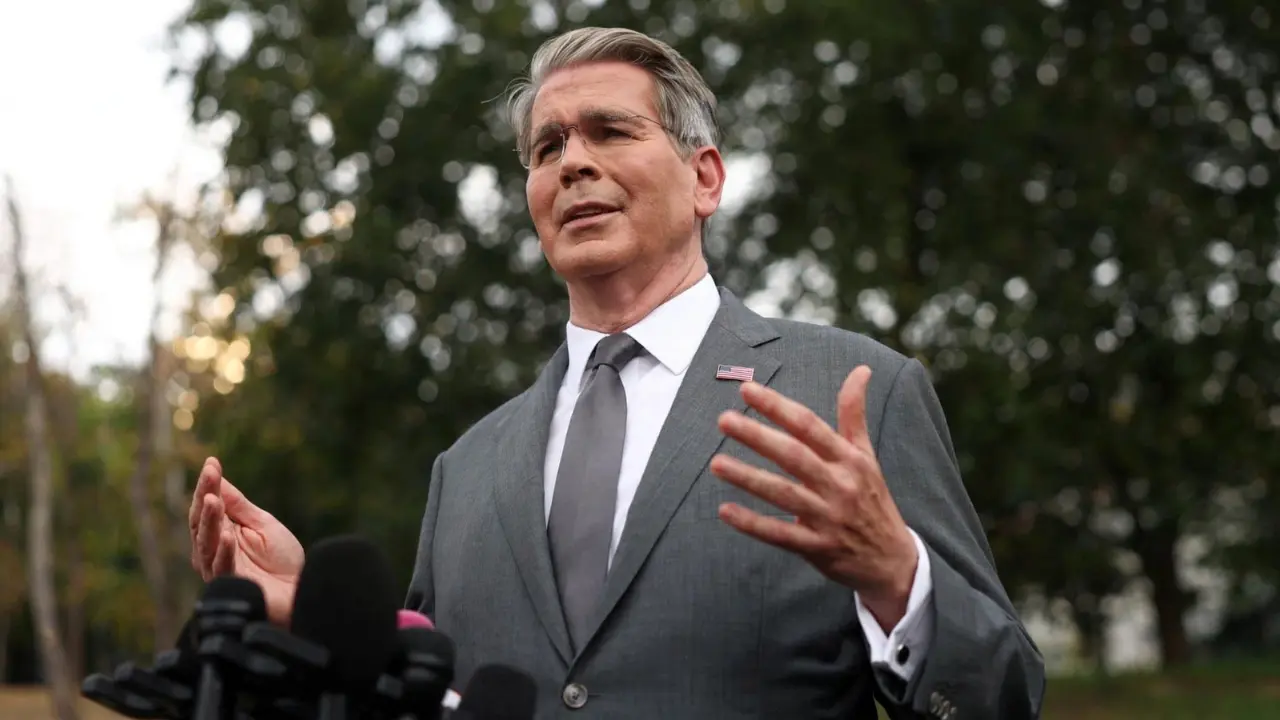
U.S. Treasury Secretary Scott Bessent has promised what he calls the “toughest sanctions in history” against Iran, setting up a potentially sweeping escalation in Washington’s economic campaign against Tehran.
The sanctions themselves, however, have not yet been formally unveiled. According to Reuters’ reporting on Bessent’s announcement, Treasury is expected to disclose the package at a press conference at 2 p.m. EDT on Monday, August 24.
That timing matters. Until Treasury’s Office of Foreign Assets Control publishes the designations, legal authorities and compliance details, Bessent’s description remains a statement about the administration’s intended sanctions campaign rather than a measurable assessment of measures already in force.
Iran responded sharply before Washington released those details. Foreign Ministry spokesman Esmaeil Baghaei said Saturday that the threatened measures went beyond what Tehran describes as an economic war against Iran.
As Reuters reported from Tehran’s response, Baghaei characterized the use of secondary sanctions against foreign governments and businesses as effectively a “declaration of war” on other countries and accused Washington of attempting to exercise “extraterritorial sovereignty.”
The dispute is therefore about more than penalties imposed directly on Iranian entities. Secondary sanctions can force banks, energy companies, shipping groups and other businesses outside Iran to choose between certain Iranian transactions and continued access to the U.S. financial system or market.
The exact scope of Monday’s package remains the most important unanswered question. Treasury has not yet publicly identified the full list of banks, companies, vessels, individuals or foreign intermediaries that could be targeted. Nor has it established publicly whether the package will rely mainly on additional Iranian designations or significantly expand enforcement against institutions in third countries.
Bessent has nevertheless signaled that Washington is preparing a broad pressure campaign. Reuters reported that he described the combined effect of sanctions and the blockade as a “one-two punch” and called for cooperation from U.S. allies and China. China is particularly important because it remains the largest destination for Iranian crude.
Washington already has substantial legal and regulatory infrastructure available for that campaign. President Donald Trump’s February 2025 National Security Presidential Memorandum on Iran restored the administration’s “maximum pressure” policy and directed U.S. agencies to intensify enforcement aimed at reducing Iran’s oil exports, including shipments to China.
The White House added another potential tool in February 2026. Its executive order addressing threats posed by the government of Iran established a framework under which the United States could impose additional tariffs on goods from countries determined to be acquiring Iranian goods or services.
The order references a 25% tariff as one possible rate, but it does not mean every country trading with Iran automatically faces that levy. That distinction is central to assessing whether Monday’s announcement truly represents a fundamental escalation.
If Treasury largely adds new Iranian companies, officials and vessels to existing sanctions lists, the action would deepen an already extensive enforcement campaign. If the United States begins systematically targeting major foreign banks, refiners, ports, shipping companies or other institutions that facilitate Iranian trade, the reach of the new policy could extend far beyond Iran itself.
Treasury has already been moving in that direction. In April, OFAC imposed sanctions on a Chinese independent refinery and a large network of vessels and shipping companies as part of its pressure campaign against Iranian petroleum exports. Treasury later issued a formal warning to Chinese independent refineries about sanctions exposure, saying China purchased roughly 90% of Iran’s exported oil.
In July, Treasury widened its focus again when OFAC sanctioned companies it said were connected to an IRGC-backed Strait of Hormuz payment scheme. Taken together, those measures show that the administration has already built an enforcement structure covering oil sales, shipping networks, financial intermediaries and organizations Treasury associates with Iran’s military establishment.
The historical comparison also deserves scrutiny because the phrase “toughest sanctions in history” currently comes from Bessent, not from an independently established metric. In July 2025, Treasury described a separate action targeting more than 50 individuals and entities and more than 50 vessels as its largest Iran-related sanctions action since 2018, according to Treasury’s official announcement of that package.
Monday’s announcement can therefore be evaluated against a concrete benchmark: the number and importance of targets, the sanctions authorities Treasury uses, the extent of third-country exposure and the enforcement mechanisms available against institutions continuing to transact with Iran.
Tehran’s response centers directly on that extraterritorial reach. Iran argues that Washington does not have legitimate authority to compel foreign banks and businesses to stop commerce that may be lawful in their own jurisdictions. That is Iran’s stated legal and diplomatic position, not a settled international ruling on the forthcoming U.S. measures.
The confrontation is unfolding alongside major disruption in global energy flows. Reuters reported Saturday that U.S. Energy Secretary Chris Wright estimated recent oil movement through the Strait of Hormuz at a seven-day average of roughly 8 million barrels per day, compared with more than 20 million barrels per day before the war. That gap illustrates why sanctions involving Iranian petroleum buyers, tankers or financial intermediaries could have implications well beyond Tehran.
Investozora has previously examined how a Hormuz disruption can feed into U.S. inflation and fuel costs and how Iran developments can influence Treasury yields and inflation expectations. Those channels will become more important if the new sanctions further constrain oil exports or complicate international shipping and payments.
The decisive evidence will arrive Monday. Until Treasury publishes the actual designations and legal authorities, “toughest sanctions in history” should be treated as the administration’s description of its coming policy, not as a verified description of sanctions already imposed.
What matters next is not the rhetoric but the architecture: which entities are sanctioned, whether major foreign institutions are exposed, what transactions become prohibited or sanctionable, and how aggressively Washington intends to enforce those rules against countries continuing to trade with Iran.