

U.S. Treasury yields rose across much of the curve Friday, extending the bond market’s latest move higher as investors weighed persistent inflation, the possibility of tighter Federal Reserve policy and uncertainty over whether expanded Treasury buybacks can ease pressure in longer-dated debt.
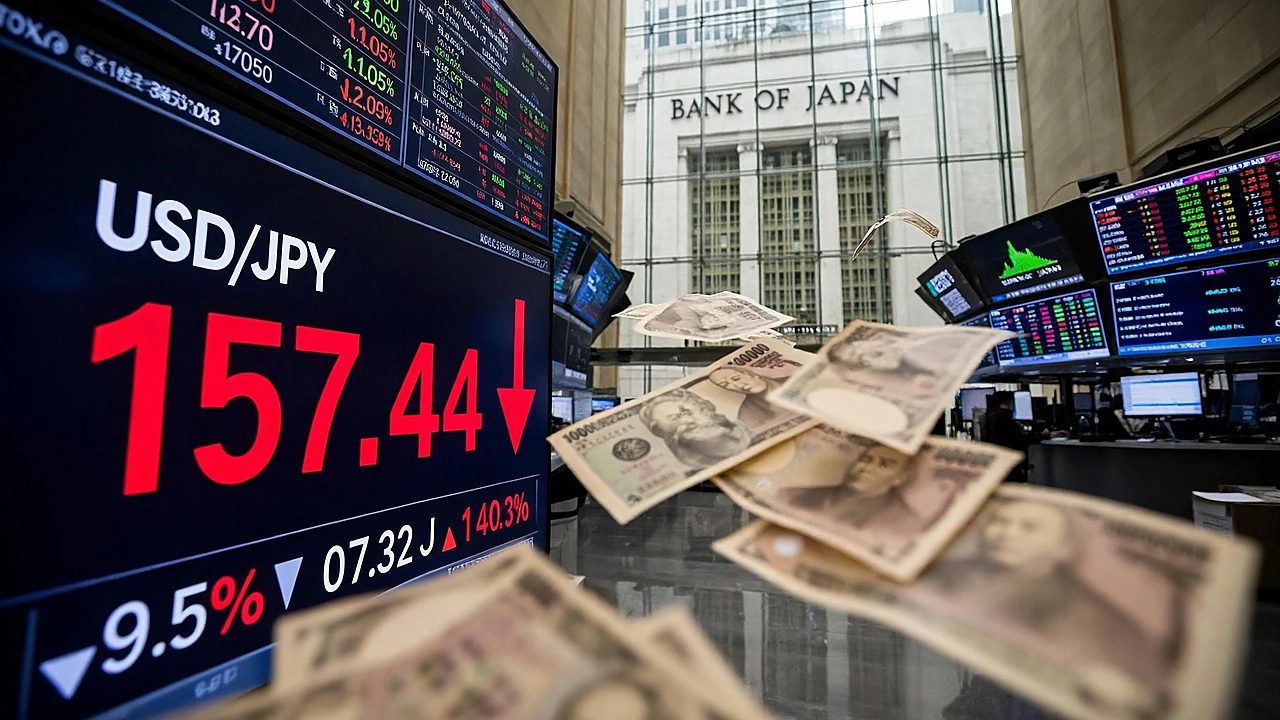
The benchmark 10-year Treasury yield closed at 4.74% on August 21, up from 4.69% Thursday, while the 30-year yield increased from 5.23% to 5.27%. The two-year yield, which is more sensitive to expected Federal Reserve policy, climbed from 4.19% to 4.24%, according to the Treasury Department’s official daily par yield curve data.
Those were increases of five basis points for both the two-year and 10-year yields and four basis points for the 30-year yield. One basis point equals one-hundredth of a percentage point.
The move was not limited to a single trading session. The 10-year yield rose nine basis points between Wednesday and Friday, from 4.65% to 4.74%, while the 30-year yield increased eight basis points, from 5.19% to 5.27%. Those comparisons are Investozora calculations using the Treasury’s August 19 and August 21 closing rates.
Higher Treasury yields do not automatically mean the Federal Reserve has raised interest rates. They show that investors are demanding greater returns to hold government debt.
That can reflect several forces at once, including expectations for future Fed policy, inflation risk, economic growth, the supply of government debt and the additional compensation investors demand for committing money for longer periods.
Inflation cooled in July, but the pressure has not disappeared
The latest consumer inflation report offered a mixed message for the bond market. The Consumer Price Index increased 0.1% in July and 3.4% over the previous 12 months, according to the Bureau of Labor Statistics’ July CPI release. Annual inflation slowed from 3.5% in June, while core CPI, which excludes food and energy eased from 2.6% to 2.5%.
Those figures show that inflation moderated, but they do not establish that the Federal Reserve’s inflation problem is over. The Fed targets inflation measured by the Personal Consumption Expenditures Price Index, not CPI. The latest available PCE price index increased 3.7% in the 12 months through June, while the core PCE index rose 3.3%. Both remained above the Fed’s 2% objective.
Energy presents another complication. Although the CPI energy index declined 1.5% in July, it was still 14.7% higher than a year earlier. Gasoline prices were up 24.6% over the same period. That distinction matters: a one-month decline can provide temporary relief without eliminating the larger year-over-year increase already affecting household costs.
The bond market is therefore responding to more than the direction of a single inflation release. Investors are assessing whether inflation will continue falling, stall above the Fed’s target or accelerate again if energy and other supply-sensitive prices rise.
Federal Reserve minutes reinforced the risk of tighter policy
Minutes from the Federal Open Market Committee’s July 28–29 meeting, released August 19, showed that inflation remained central to the policy debate.
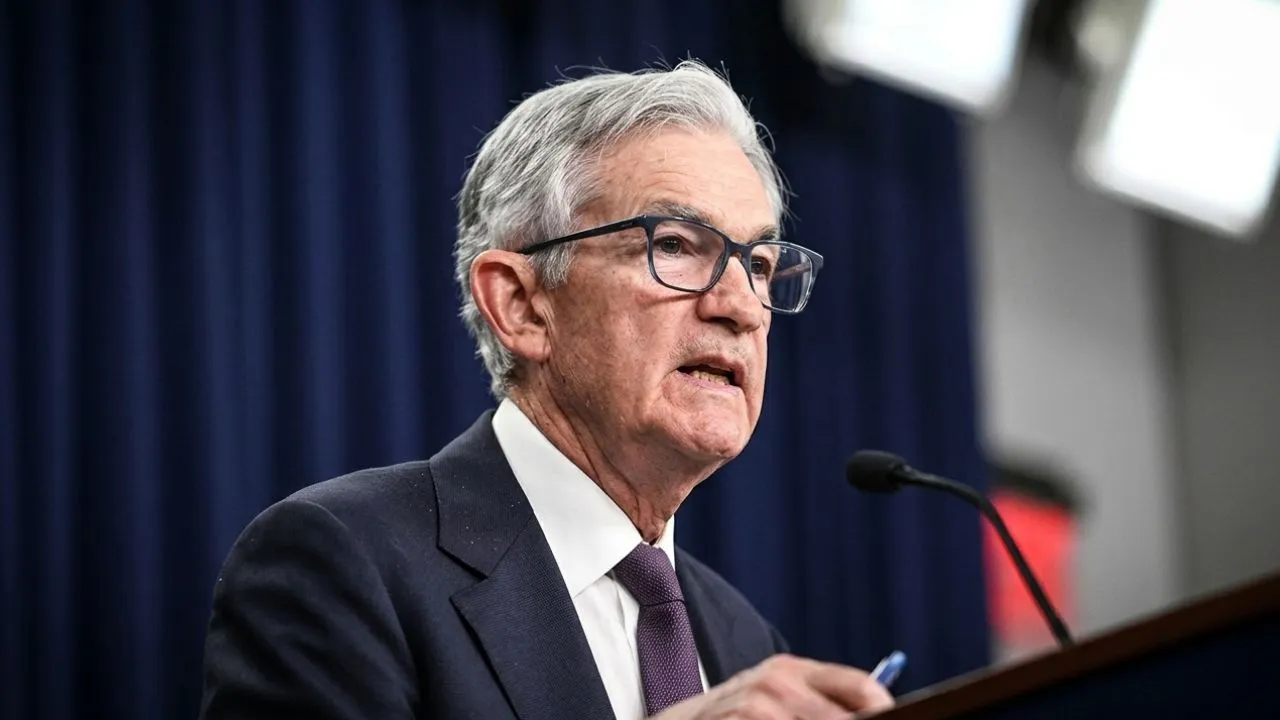
The FOMC voted 9–3 to maintain the federal funds target range at 3.5% to 3.75%. Three members, Beth Hammack, Neel Kashkari and Lorie Logan, preferred an immediate quarter-point increase. The official July FOMC minutes also said many participants believed additional tightening would probably be necessary if inflation failed to decline.
The minutes reported that nominal Treasury yields had risen 25 to 30 basis points during the period reviewed by policymakers. According to the Fed, that increase primarily reflected higher real interest rates and expectations for a more restrictive policy path, while longer-term inflation compensation remained broadly stable.
That is an important qualification. Rising nominal yields are not proof that investors expect inflation itself to rise by the same amount. A Treasury yield contains several components, including expected inflation, expected short-term interest rates and a term premium for holding longer-duration debt.
The minutes also describe market conditions as they existed before and during the July meeting. They are not a live forecast of what the Fed will do in September. New inflation, employment and economic-growth data could change policymakers’ assessment before the next decision.
Readers can see a more detailed distinction between the central bank’s overnight policy rate and market-determined bond yields in Investozora’s explanation of how the federal funds rate and Treasury yields interact.
Treasury doubled planned long-end buybacks, but did not cap yields
The latest increase in yields came after the Treasury Department announced a significant expansion of its longer-dated securities buybacks. Beginning September 9, Treasury will increase the maximum size of liquidity-support buybacks in the 10-to-20-year and 20-to-30-year sectors from $2 billion to at least $4 billion per operation. The change will remain in effect through November 4, according to the department’s August 19 buyback announcement.
The program allows Treasury to repurchase older, less actively traded securities and can improve liquidity in parts of the market. It should not be described as a Federal Reserve-style monetary stimulus program, a guarantee of lower yields or a direct attempt to reduce consumer interest rates.
Friday’s higher closing yields show the limit of interpreting the announcement as an immediate rate-relief measure. Buybacks can improve trading conditions without eliminating the inflation, policy, fiscal and supply risks incorporated into bond prices. Investozora’s earlier coverage explains why Treasury buybacks can support market liquidity without automatically reversing higher interest rates.
What rising Treasury yields mean for households
The immediate consequences differ by financial product. For homebuyers, a higher 10-year yield can add upward pressure to fixed mortgage rates because mortgage-backed securities compete with Treasury securities for investor demand.
The relationship is not one-to-one: mortgage rates also depend on credit risk, lender costs, market volatility and the spread investors demand over Treasury yields. One day’s move therefore does not guarantee an equivalent change in advertised mortgage rates.
People considering a mortgage or refinance should compare several lenders and obtain written loan estimates rather than assuming every lender will reprice by the same amount. Investozora’s guide to how higher interest rates affect mortgages and other borrowing costs explains the transmission in greater detail.
For savers, elevated market yields can support competitive rates on newly issued Treasury securities, certificates of deposit and some savings accounts. Banks are not required to pass every market-rate increase to depositors, however, and rates can differ sharply between institutions.
Existing bondholders face the opposite side of the equation. When market yields rise, the price of an existing fixed-rate bond generally falls because newly issued securities offer more competitive returns. Longer-duration bonds ordinarily experience larger price changes than shorter-duration securities for the same change in yield.
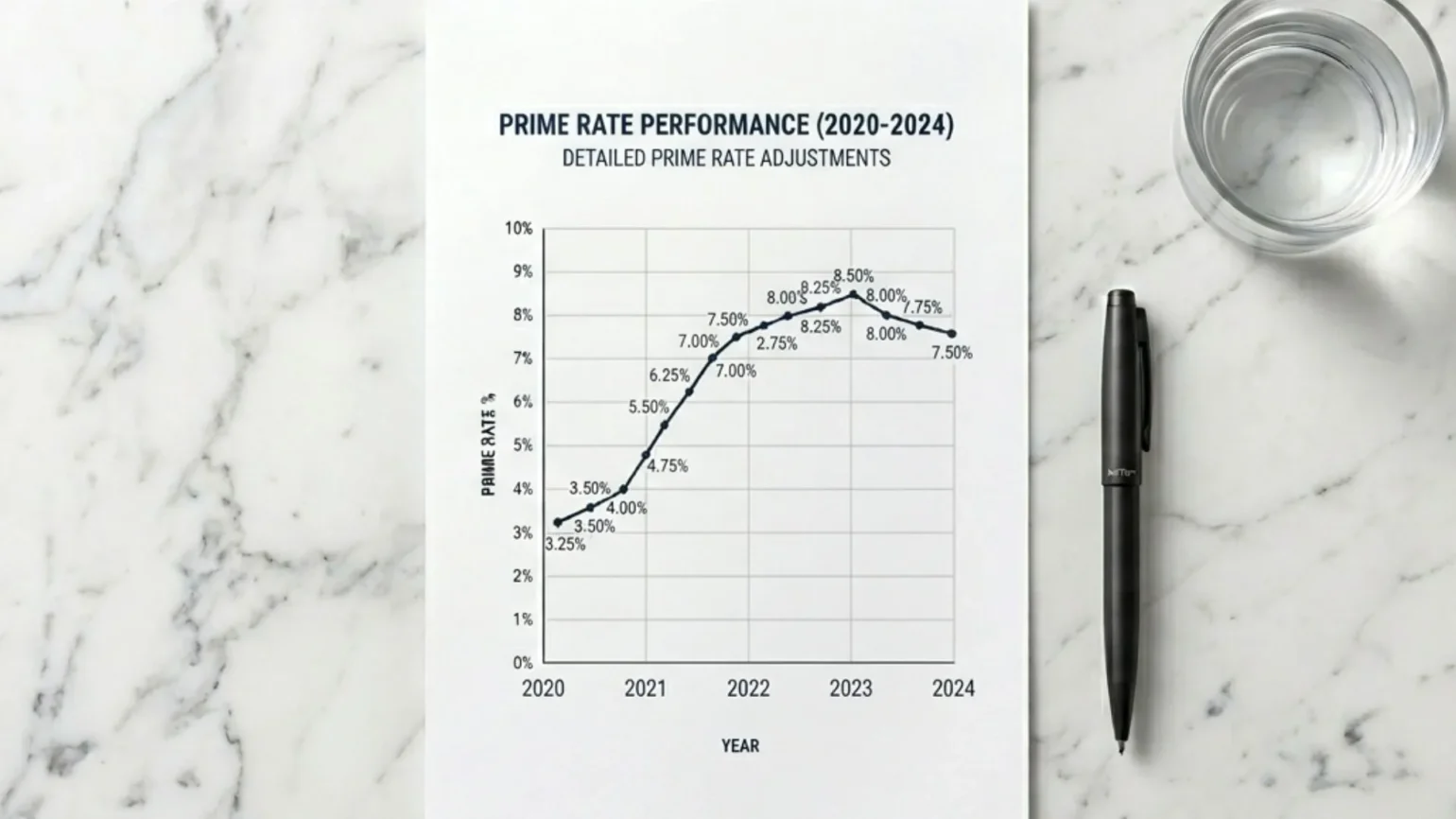
Credit card borrowers should not assume Friday’s 10-year Treasury move directly changed their annual percentage rate. Variable credit-card rates are more closely connected to the prime rate and short-term Federal Reserve policy. The distinction between short-term policy rates and longer-term Treasury yields is essential when evaluating which household costs may move first.
For the federal government, higher yields gradually raise borrowing costs as Treasury issues new securities and refinances maturing debt. They do not instantly reprice every dollar of outstanding federal debt.
The next inflation report could reset rate expectations
Three confirmed dates now matter for the interest-rate outlook. The Bureau of Economic Analysis is scheduled to publish July personal income, spending and PCE inflation data on Wednesday, August 26, at 8:30 a.m. Eastern time, according to the official BEA release calendar. Because PCE is the Fed’s preferred inflation measure, an unexpectedly strong or weak reading could materially change market expectations.
Treasury’s larger long-end buyback operations are scheduled to begin September 9. The Bureau of Labor Statistics will then release August CPI data on September 11, while the Federal Reserve’s next policy meeting is scheduled for September 15–16.
Until those events occur, Friday’s closing rates establish what the Treasury market priced not what the Fed is guaranteed to do next. The confirmed picture is that yields rose across short, intermediate and long maturities; inflation remained above the Fed’s target despite some July moderation; and policymakers were divided over whether rates were restrictive enough.
What remains uncertain is whether incoming inflation data will justify another rate increase, allow the Fed to remain on hold or relieve some of the pressure that has pushed borrowing benchmarks higher.
For households, the practical response is not to make a major financial decision based on one trading session. Borrowers should compare actual offers, savers should review available yields, and bond investors should understand their exposure to changing rates. The August 26 inflation release will provide the next authoritative evidence, not a guarantee, about where interest rates may go from here.