



JPMorgan is warning that the U.S. Treasury’s expanded bond-buyback push may ease pressure in parts of the government debt market without solving the fiscal imbalance now confronting Washington, a distinction that has become more important after gross federal debt crossed $40 trillion for the first time.
Treasury moved on August 19 to at least double the size of planned buybacks in the 10-to-20-year and 20-to-30-year sectors, raising the ceiling from $2 billion to at least $4 billion per operation for purchases scheduled from September 9 through November 4.
The announcement followed a sharp rise in long-term yields, with the 30-year Treasury yield reaching 5.34%, its highest level since 2007, before retreating after the intervention was announced. Investozora has separately detailed Treasury’s decision to double long-bond buybacks and what the move means for the Treasury market.
JPMorgan strategists Jay Barry and Jason Hunter argued that the action addresses “the symptoms and not the root cause.” Their concern is not simply that $4 billion is small relative to the Treasury market.
They warned that without meaningful fiscal consolidation, investors could see increasingly tactical debt-management moves as less credible and demand a larger term premium, extra compensation for holding long-dated debt. That could ultimately push long-term yields higher rather than produce the lasting decline policymakers want.
A separate warning from James Sullivan, JPMorgan’s co-head of global fundamental research, made the mechanics easier to understand. Sullivan compared buying back longer-duration bonds while relying more heavily on shorter-duration financing to “paying your mortgage with your credit card.” The maturity profile changes, but the underlying obligation does not disappear.
That is also why the buyback debate needs an important qualification: Treasury itself has not described its regular buyback program as a plan to eliminate federal debt. In its August 5 quarterly refunding statement,
Treasury said it expected to purchase up to $38 billion of off-the-run securities during the quarter for liquidity support and up to $25 billion of one-month-to-two-year securities for cash-management purposes. In other words, the official objective is to improve market functioning and manage financing more efficiently, not to erase the government’s accumulated borrowing.
The distinction matters because a buyback can succeed operationally while failing as a fiscal cure. When Treasury repurchases an older, less-liquid security, it can improve trading conditions in that part of the market. But if the government still spends more than it collects and must finance the gap with new securities, the overall debt trajectory remains driven by deficits, interest costs, tax policy and spending decisions.
Treasury’s own historical analysis says liquidity-support buybacks create predictable opportunities to sell older securities, while cash-management buybacks are intended to reduce cash-balance and bill-issuance volatility. Readers can also see Investozora’s explanation of how the U.S. Treasury borrows money.
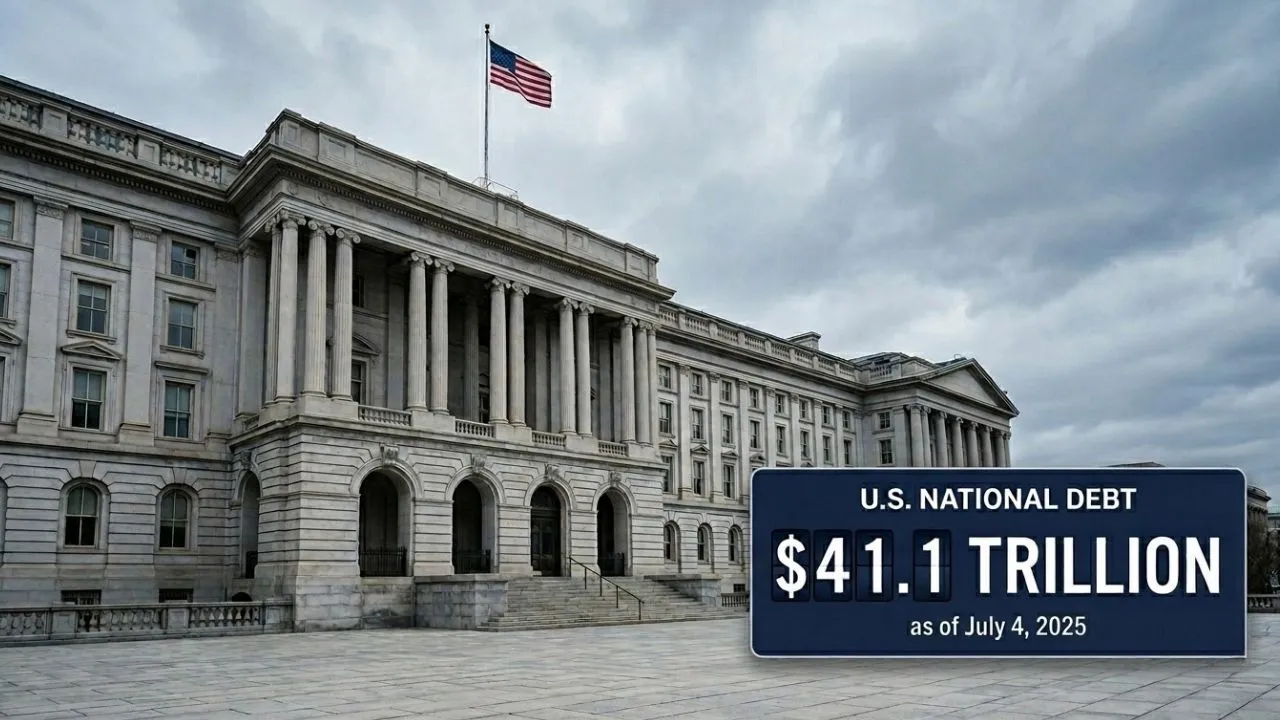
The scale of that fiscal problem became more visible this week. Treasury data showed total public debt outstanding reached $40.047 trillion on August 18, including about $32.266 trillion of debt held by the public and $7.782 trillion of intragovernmental holdings.
The $40 trillion figure is gross federal debt, so it should not be confused with the smaller debt-held-by-the-public measure economists often use to assess the government’s exposure to financial markets. Treasury’s national-debt data and explanation are updated from its Debt to the Penny dataset, while Investozora has examined the broader impact of U.S. debt on Americans’ money.
The Congressional Budget Office’s February 2026 baseline underscores why JPMorgan is focused on the underlying deficit rather than the mechanics of individual buybacks. CBO projected a $1.9 trillion federal deficit for fiscal 2026, equal to 5.8% of gross domestic product.
Under current law, it projected debt held by the public rising from 101% of GDP in 2026 to 120% in 2036 and 175% by 2056. CBO’s 2026–2036 budget outlook makes clear that those are projections, not predetermined outcomes; future legislation, economic growth, inflation, interest rates and other policy changes could materially alter the path.
Bond investors are already testing how much relief the Treasury action can provide. The initial fall in yields after the buyback announcement proved brief. By the end of the week, the 10-year Treasury yield was around 4.74% and the 30-year yield around 5.28%, according to market data reported Friday.
That does not prove buybacks caused yields to rise. Long-term rates are being pulled by several forces at once, including inflation expectations, federal borrowing needs, energy prices, Federal Reserve policy and competing demand for capital.
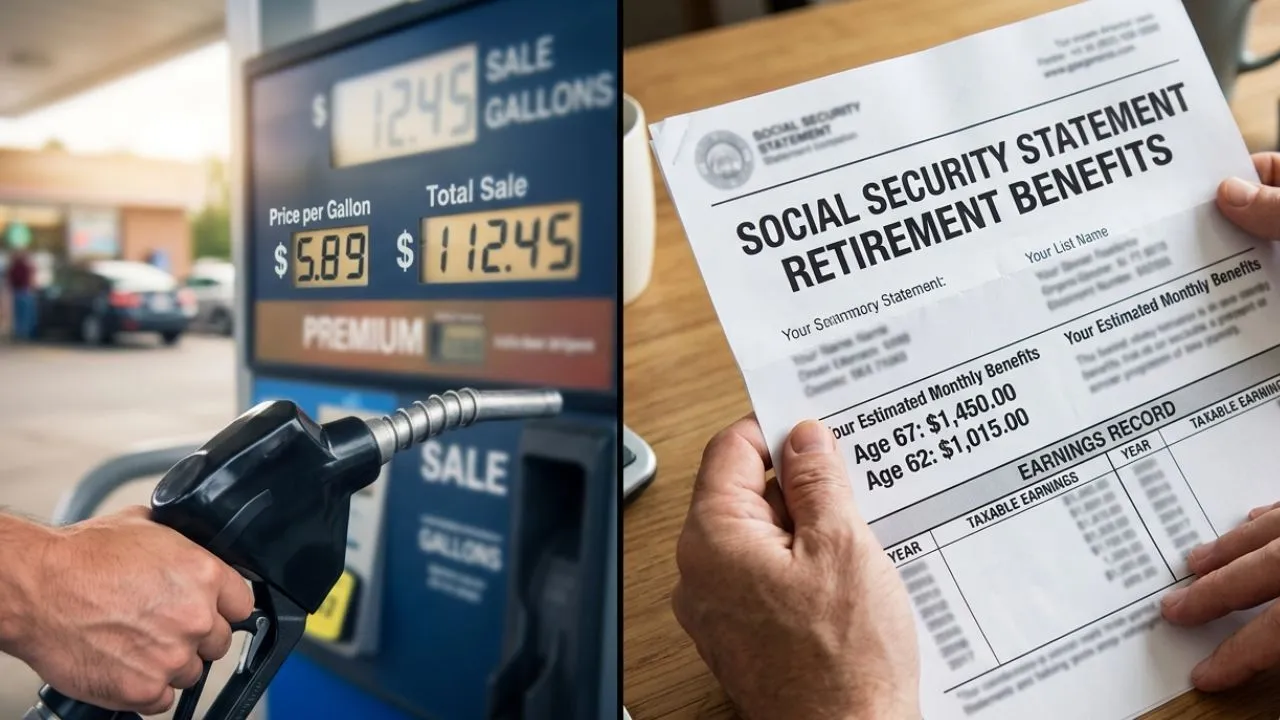
For households, the immediate issue is not the symbolic $40 trillion milestone by itself. The more practical transmission channel is the cost of long-term borrowing. Treasury yields serve as benchmarks throughout the financial system, so sustained increases can put upward pressure on mortgage rates, corporate financing and other forms of credit.
Treasury Secretary Scott Bessent himself has described Treasury yields as feeding into pricing for mortgages, bank loans and corporate bonds. Investozora’s guide to how Treasury yields affect mortgages, savings and household finances explains that transmission in more detail.
The next test is therefore bigger than whether one round of buybacks pushes the 30-year yield down for a day. Investors will be watching whether Treasury preserves a predictable debt-management framework, whether Washington produces credible deficit reduction, how much short-term issuance is used to finance the government, and whether inflation allows the Federal Reserve to change its policy stance.
JPMorgan’s warning does not mean Treasury buybacks are useless. It means they solve a different problem. Buybacks can support liquidity and alter the maturity mix of federal borrowing.
They cannot, on their own, close a budget deficit or reduce the country’s long-run need to borrow. With gross debt now above $40 trillion, that distinction is becoming the central question for the Treasury market.








One thought on “JPMorgan Warns Treasury Bond Buybacks Won’t Fix America’s $40 Trillion Debt Problem @import url("https://fonts.googleapis.com/css2?family=Poppins:wght@400;500;600&family=Source+Sans+3:wght@400;500;600;700&display=swap"); /* ========================================= NORMAL BYLINE ========================================= */ .izo-clean-byline { display: flex; align-items: center; justify-content: space-between; width: 100%; max-width: 620px; gap: 16px; margin-top: 4px; margin-bottom: 16px; font-family: "Poppins", Arial, sans-serif; } .izo-clean-byline-content { display: flex; flex-direction: column; justify-content: center; align-items: flex-start; min-width: 0; gap: 4px; line-height: 1.12; transform: translateY(-4px); font-family: "Poppins", Arial, sans-serif; } .izo-clean-author-wrap { position: relative; display: inline-block; width: fit-content; line-height: 1.12; margin: 0; padding: 0; outline: none; } .izo-by-label { font-family: "Poppins", Arial, sans-serif; font-size: 14px; font-weight: 400; color: #111; line-height: 1.12; margin-right: 3px; } .izo-clean-author-name { position: relative; display: inline-block; font-family: "Poppins", Arial, sans-serif; font-size: 14px; font-weight: 600; color: #111; cursor: pointer; line-height: 1.12; padding: 0; margin: 0; text-decoration-line: underline; text-decoration-color: #111; text-decoration-thickness: 1px; text-underline-offset: 1px; } .izo-clean-author-name::after { display: none; } .izo-clean-meta { font-family: "Poppins", Arial, sans-serif; font-size: 11px; font-weight: 400; color: #555; line-height: 1.12; margin: 0; padding: 0; } /* ========================================= RIGHT ACTIONS GOOGLE + SHARE ========================================= */ .izo-byline-actions { display: flex; align-items: center; justify-content: flex-end; gap: 7px; flex: 0 0 auto; position: relative; top: 6px; } /* ========================================= GOOGLE SOURCE BADGE ========================================= */ .izo-google-source-badge { display: inline-flex; align-items: center; justify-content: center; width: 34px; height: 34px; min-width: 34px; flex: 0 0 34px; padding: 6px; margin: 0; box-sizing: border-box; background: #ffffff !important; border: 1px solid rgba(85,85,85,0.30) !important; border-radius: 6px; box-shadow: none !important; text-decoration: none !important; overflow: hidden; transition: border-color 0.18s ease, background-color 0.18s ease; } .izo-google-source-badge img { display: block; width: 100%; height: 100%; max-width: 100%; object-fit: contain; object-position: center; margin: 0; padding: 0; border: 0 !important; border-radius: 0 !important; background: transparent !important; box-shadow: none !important; } .izo-google-source-badge:hover { background: #ffffff !important; border-color: rgba(85,85,85,0.45) !important; box-shadow: none !important; transform: none !important; } .izo-google-source-badge:focus { background: #ffffff !important; outline: 1px solid rgba(85,85,85,0.45); outline-offset: 2px; box-shadow: none !important; } /* ========================================= SHARE BUTTON ========================================= */ .izo-share-button { display: inline-flex; align-items: center; justify-content: center; width: 34px; height: 34px; min-width: 34px; flex: 0 0 34px; padding: 7px; margin: 0; box-sizing: border-box; background: #ffffff !important; border: 1px solid rgba(85,85,85,0.30) !important; border-radius: 6px; box-shadow: none !important; color: #333333 !important; cursor: pointer; text-decoration: none !important; overflow: hidden; appearance: none; -webkit-appearance: none; transition: border-color 0.18s ease, color 0.18s ease, background-color 0.18s ease; } .izo-share-button svg { display: block; width: 18px; height: 18px; fill: none; stroke: currentColor; stroke-width: 1.8; stroke-linecap: round; stroke-linejoin: round; margin: 0; padding: 0; } .izo-share-button:hover { background: #ffffff !important; border-color: rgba(85,85,85,0.45) !important; color: #111111 !important; box-shadow: none !important; transform: none !important; } .izo-share-button:focus { background: #ffffff !important; outline: 1px solid rgba(85,85,85,0.45); outline-offset: 2px; box-shadow: none !important; } /* ========================================= AUTHOR DETAILS CARD ========================================= */ .izo-clean-author-tooltip { position: absolute; top: calc(100% + 10px); left: 0; width: 440px; max-width: calc(100vw - 40px); background: #fff; color: #333; border: 1px solid #e5e5e5; border-radius: 8px; padding: 16px; font-family: "Source Sans 3", Arial, sans-serif; font-size: 13px; font-weight: 400 !important; line-height: 1.55; box-shadow: 0 8px 24px rgba(0,0,0,0.10); opacity: 0; visibility: hidden; transform: translateY(5px); transition: opacity 0.2s ease, transform 0.2s ease, visibility 0.2s ease; z-index: 9999; pointer-events: none; } /* ========================================= IMAGE + BIO ========================================= */ .izo-tooltip-main { display: flex; align-items: flex-start; gap: 14px; width: 100%; } .izo-tooltip-image { width: 96px; height: 96px; flex: 0 0 96px; object-fit: cover; object-position: center; display: block; border-radius: 6px; margin: 0; padding: 0; } .izo-tooltip-bio { flex: 1 1 auto; min-width: 0; font-family: "Source Sans 3", Arial, sans-serif; font-size: 13px; font-weight: 400; line-height: 1.55; color: #333; margin: 0; padding: 0; } .izo-clean-author-tooltip strong { font-family: "Source Sans 3", Arial, sans-serif; font-weight: 400 !important; } /* ========================================= DESKTOP HOVER ========================================= */ .izo-clean-author-wrap:hover .izo-clean-author-tooltip { opacity: 1; visibility: visible; transform: translateY(0); pointer-events: auto; } /* ========================================= KEYBOARD / MOBILE TAP ========================================= */ .izo-clean-author-wrap:focus .izo-clean-author-tooltip, .izo-clean-author-wrap:focus-within .izo-clean-author-tooltip { opacity: 1; visibility: visible; transform: translateY(0); pointer-events: auto; } /* ========================================= POPUP FOOTER SOCIALS | READ PROFILE ========================================= */ .izo-tooltip-footer { display: flex; align-items: center; gap: 14px; margin-top: 16px; width: 100%; } .izo-tooltip-socials { display: flex; align-items: center; gap: 14px; margin: 0; padding: 0; } .izo-tooltip-socials a { display: inline-flex; align-items: center; justify-content: center; width: 24px; height: 24px; color: #222; text-decoration: none; border: none; transition: opacity 0.2s ease, transform 0.2s ease; } .izo-tooltip-socials a:hover { opacity: 0.72; transform: translateY(-1px); } .izo-tooltip-socials svg { width: 21px; height: 21px; fill: currentColor; display: block; } /* Grey separator */ .izo-tooltip-separator { display: inline-flex; align-items: center; justify-content: center; color: #b5b5b5; font-family: "Source Sans 3", Arial, sans-serif; font-size: 20px; font-weight: 400; line-height: 1; margin: 0 1px; } /* Read profile */ .izo-clean-author-tooltip .izo-profile-link { display: inline-block; font-family: "Source Sans 3", Arial, sans-serif; font-size: 13px; font-weight: 600; color: #1a73e8; text-decoration: none; border-bottom: 1px solid #1a73e8; line-height: 1.25; white-space: nowrap; } /* ========================================= MOBILE ========================================= */ @media (max-width: 650px) { .izo-clean-byline { display: flex; flex-direction: row; align-items: center; justify-content: space-between; width: 100%; max-width: 100%; gap: 7px; margin-top: 3px; margin-bottom: 14px; flex-wrap: nowrap; } .izo-clean-byline-content { display: flex; flex-direction: column; flex: 1 1 auto; min-width: 0; max-width: calc(100% - 68px); gap: 3px; line-height: 1.12; transform: translateY(-4px); } .izo-clean-author-wrap { line-height: 1.12; margin: 0; padding: 0; max-width: 100%; white-space: nowrap; } .izo-by-label { font-size: 12px; line-height: 1.12; margin-right: 3px; } .izo-clean-author-name { font-size: 12px; font-weight: 600; line-height: 1.12; padding: 0; margin: 0; text-underline-offset: 1px; white-space: nowrap; } .izo-clean-meta { font-size: 9.5px; line-height: 1.12; margin: 0; padding: 0; color: #555; white-space: nowrap; } /* ========================================= GOOGLE + SHARE MOBILE STAY ON SAME ROW ========================================= */ .izo-byline-actions { display: flex; flex-direction: row; align-items: center; justify-content: flex-end; gap: 5px; flex: 0 0 auto; white-space: nowrap; position: relative; top: 5px; } /* GOOGLE MOBILE */ .izo-google-source-badge { width: 28px; height: 28px; min-width: 28px; flex: 0 0 28px; padding: 5px; border-radius: 5px; background: #ffffff !important; border: 1px solid rgba(85,85,85,0.30) !important; box-shadow: none !important; margin: 0; } .izo-google-source-badge img { width: 100%; height: 100%; } /* SHARE MOBILE */ .izo-share-button { width: 28px; height: 28px; min-width: 28px; flex: 0 0 28px; padding: 6px; border-radius: 5px; background: #ffffff !important; border: 1px solid rgba(85,85,85,0.30) !important; box-shadow: none !important; margin: 0; } .izo-share-button svg { width: 15px; height: 15px; stroke-width: 1.8; } /* ========================================= MOBILE AUTHOR CARD ========================================= */ .izo-clean-author-tooltip { width: min(340px, calc(100vw - 32px)); max-width: calc(100vw - 32px); padding: 14px; left: 0; font-size: 12.5px; line-height: 1.5; } .izo-tooltip-main { gap: 11px; align-items: flex-start; } .izo-tooltip-image { width: 82px; height: 82px; flex: 0 0 82px; border-radius: 5px; } .izo-tooltip-bio { font-size: 12.5px; line-height: 1.5; } /* Mobile footer */ .izo-tooltip-footer { gap: 11px; margin-top: 14px; flex-wrap: nowrap; } .izo-tooltip-socials { gap: 12px; } .izo-tooltip-socials a { width: 22px; height: 22px; } .izo-tooltip-socials svg { width: 20px; height: 20px; } .izo-tooltip-separator { font-size: 18px; margin: 0; } .izo-clean-author-tooltip .izo-profile-link { font-size: 12.5px; line-height: 1.2; } }
ByAdarsha Dhakal

Adarsha Dhakal is the Founder and Editor of Investozora, an independent U.S. financial news publication he launched in August 2025. He covers IRS tax refunds, Social Security benefit payments, federal payment systems, Federal Reserve policy, and U.S. Treasury operations, explaining how government financial decisions affect the daily lives of American households. All reporting is sourced directly from official government records including IRS.gov, SSA.gov, FederalReserve.gov, and fiscal.treasury.gov.
|
Read full profile →
Published Aug 23, 2026 · 2:54 PM ET · Updated 1 month ago

”