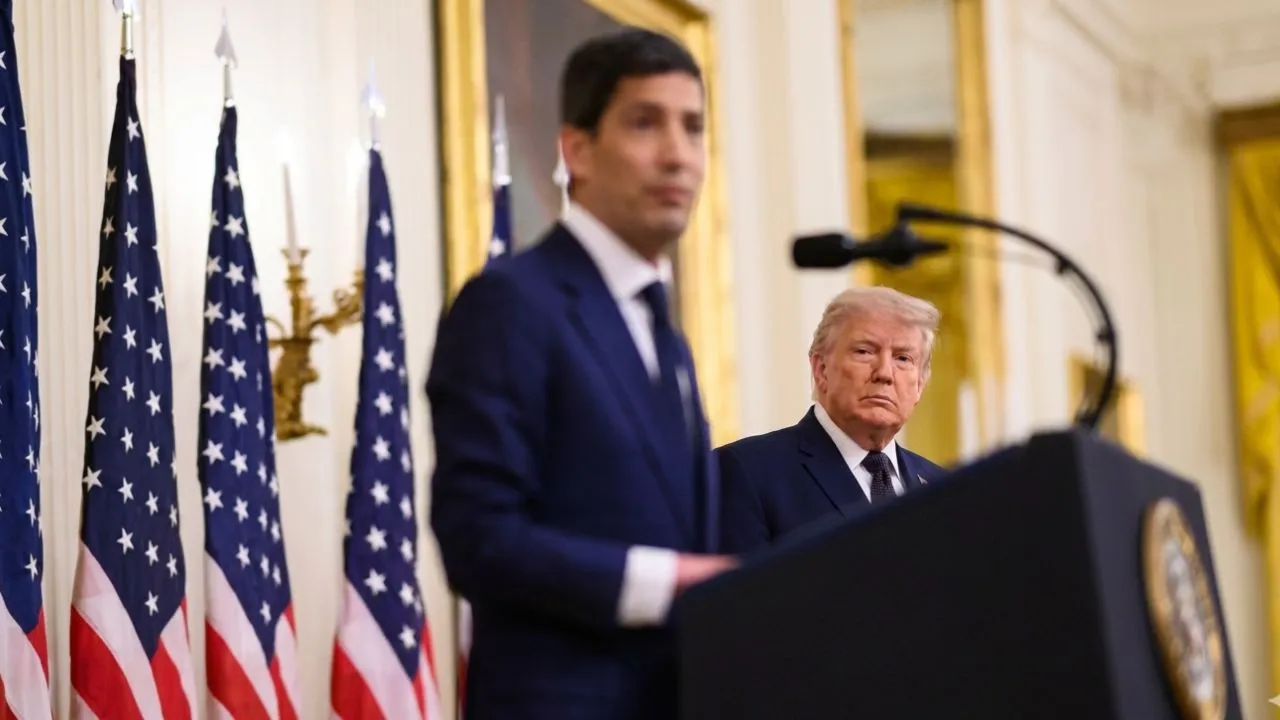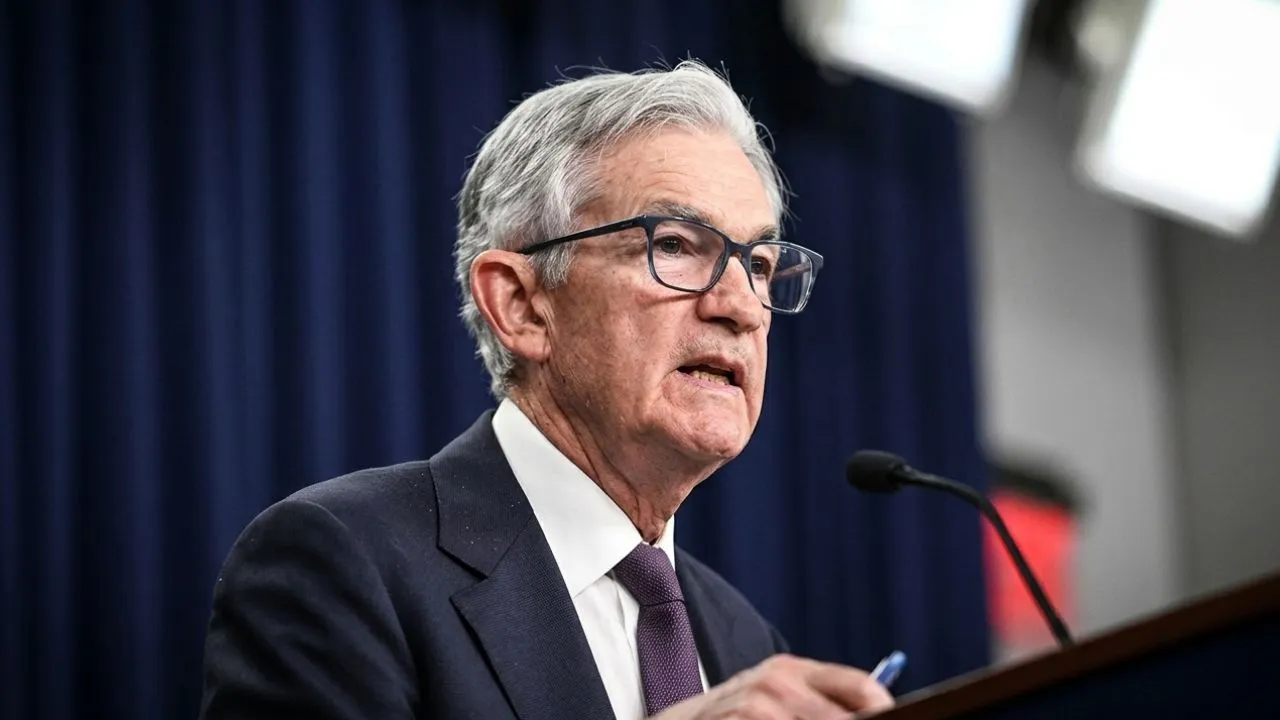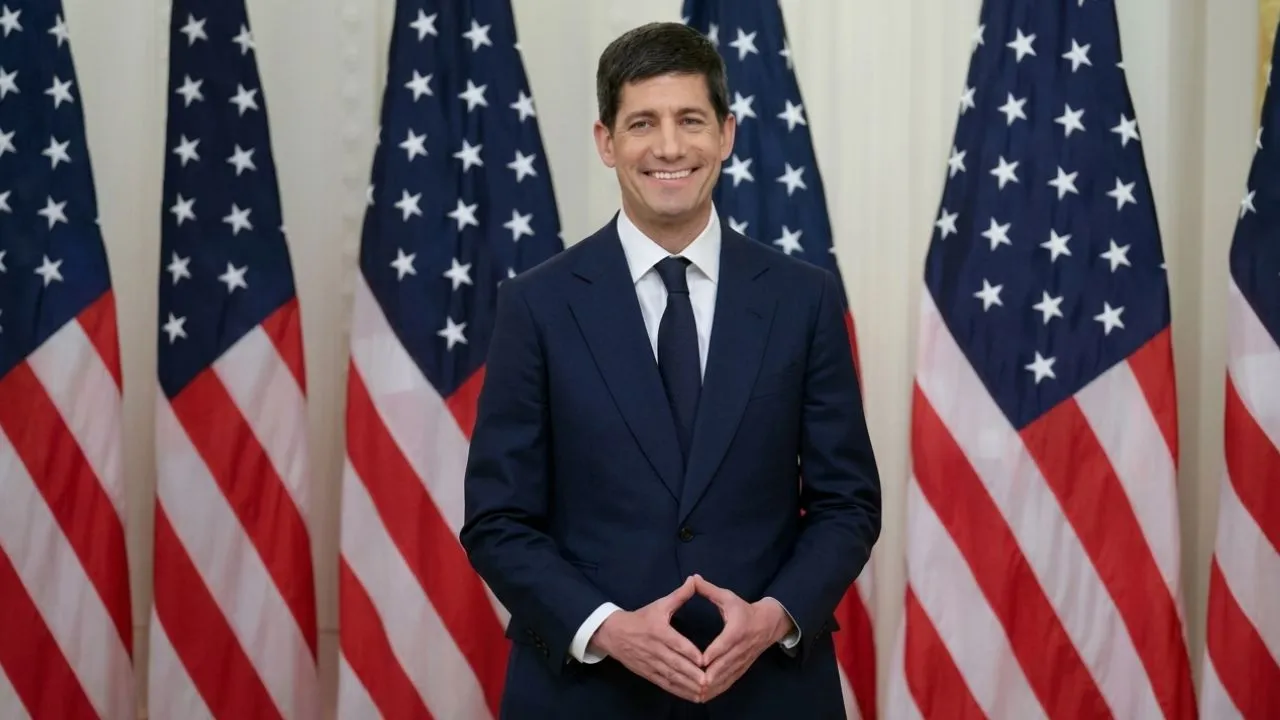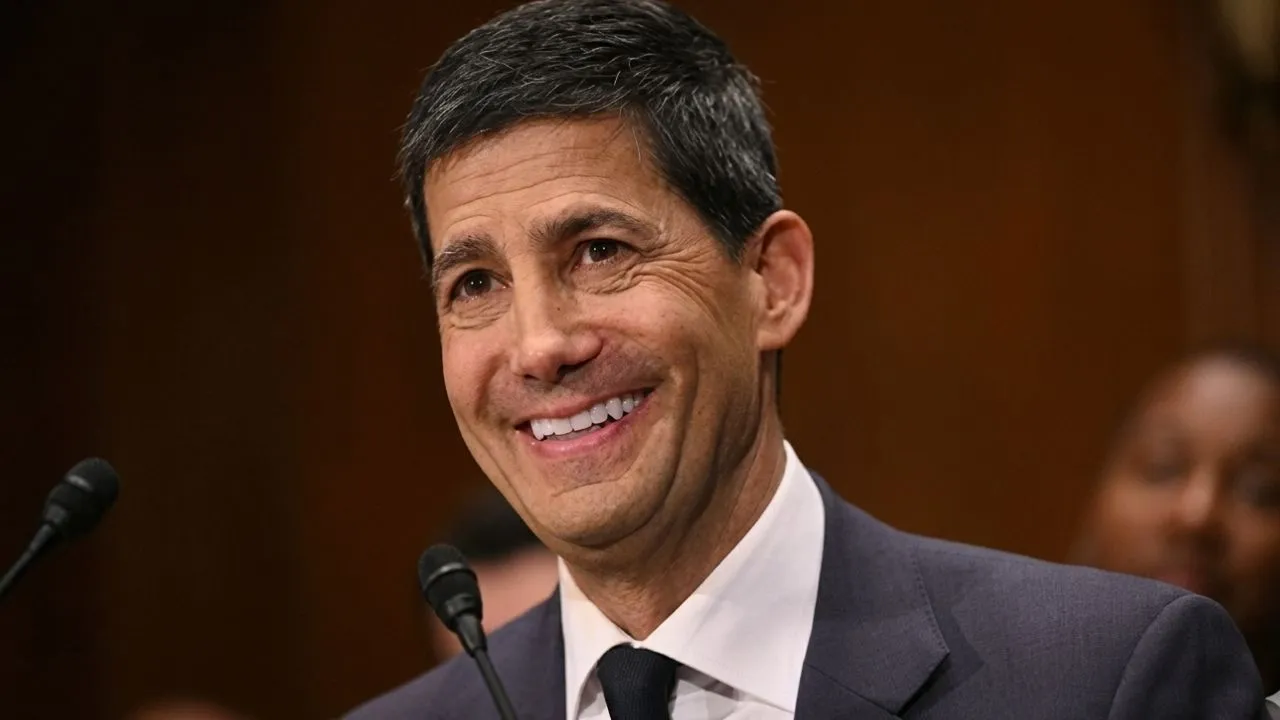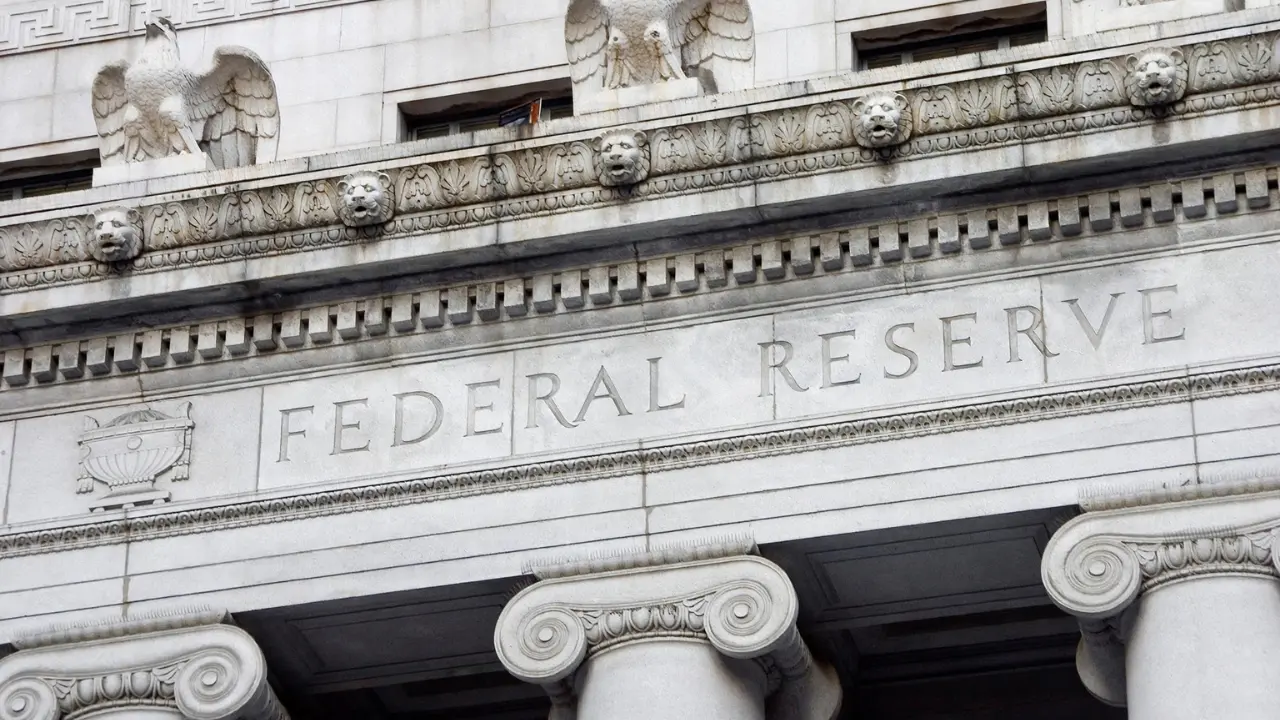

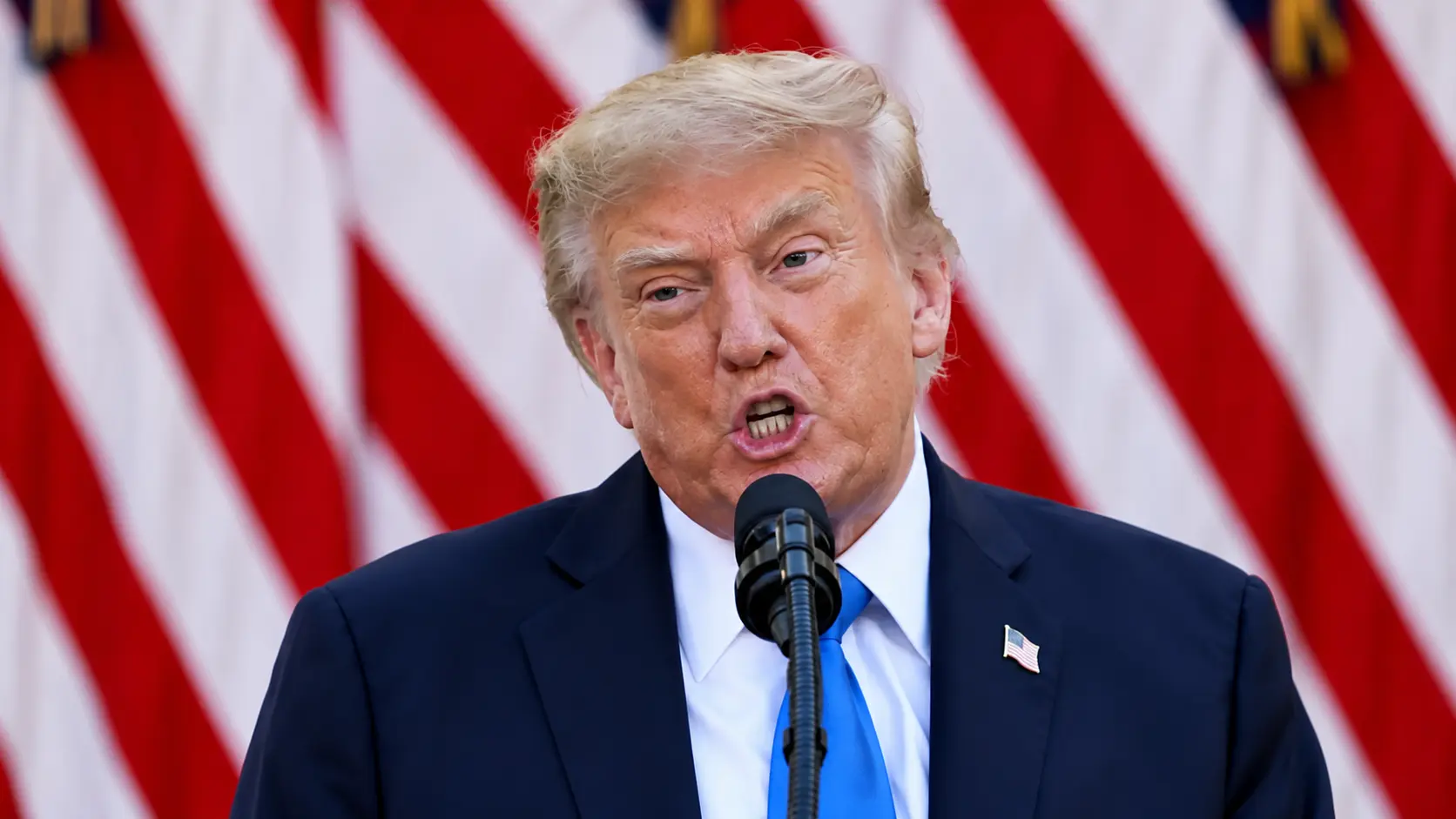
President Donald Trump sharply increased pressure on the Federal Reserve on Friday, demanding lower interest rates and threatening to restrict U.S. trade with countries that run trade surpluses with America if the central bank does not act.
The warning came just hours after a much stronger-than-expected U.S. jobs report pushed financial markets in the opposite direction. Instead of strengthening the case for a rate cut, the new labor data increased expectations that the Fed could raise rates at its September meeting.
Trump said on Truth Social that high interest rates put the United States at an unfair disadvantage and called on the Fed to lower borrowing costs. He then tied that demand directly to trade policy, writing: “LOWER THE RATE OR I’LL STOP TRADING WITH COUNTRIES WITH WHICH WE HAVE A DEFICIT.” Reuters reported that the president’s warning represented a new escalation in his campaign for lower rates.
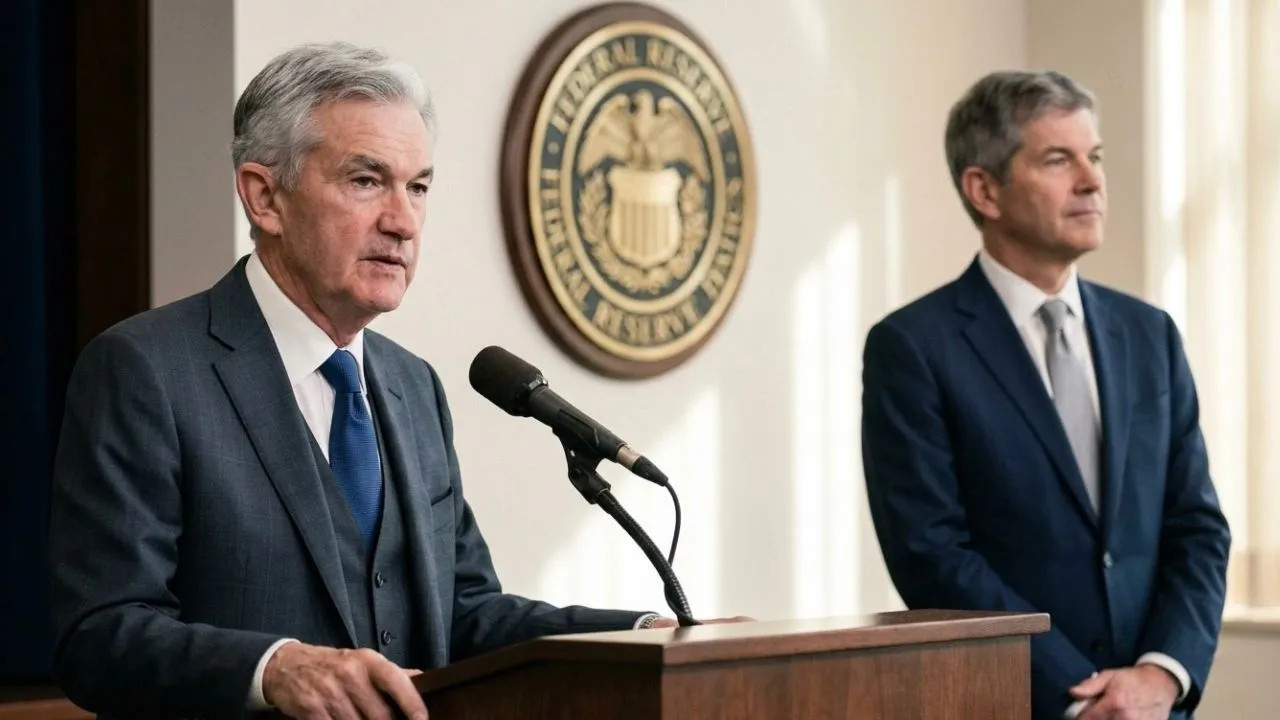
The timing makes the confrontation especially important. The Federal Reserve’s rate path and the jobs report are now moving into a critical two-week period in which Chair Kevin Warsh and other policymakers must decide whether inflation remains serious enough to justify tighter policy.
The latest numbers point to a stronger labor market than Wall Street expected. The Bureau of Labor Statistics’ August employment report showed that employers added 162,000 jobs in August. The unemployment rate stayed at 4.1%, while average hourly earnings rose 0.3% during the month and 3.1% from a year earlier. June and July payroll growth was also revised higher by a combined 55,000 jobs.
Those figures matter because the Fed is currently trying to judge whether the economy is strong enough to withstand higher borrowing costs while inflation remains above its 2% objective. The employment report gave policymakers less evidence of an urgent need to support the economy through lower rates. The key rate picture now is:
- Federal funds target range: 3.50% to 3.75%
- September rate-hike probability after the jobs report: about 62%, according to futures pricing reported by Reuters
- 10-year Treasury yield Friday: about 4.77% in market trading
- Next FOMC meeting: September 15–16
The Fed officially kept its target range at 3.50% to 3.75% on July 29. Three policymakers dissented because they preferred a quarter-point increase, an unusually clear sign that some officials already believed policy should be tighter. The Federal Reserve’s July FOMC statement said inflation remained elevated relative to the Fed’s 2% goal.
That puts Trump and the Fed on conflicting paths. Trump argues that a strong country should be able to borrow at lower rates. Conventional monetary policy works differently: when employment remains strong while inflation is too high, a central bank generally has more room to keep rates elevated or raise them without immediately threatening the labor market.
Markets reflected that difference Friday. Treasury yields rose after the employment report, with the benchmark 10-year yield moving near 4.77%, while traders increased their expectations for another Fed increase. U.S. stocks also came under pressure as investors reconsidered the possibility of tighter policy.
The pressure is being amplified by trade. The latest U.S. international trade report from the Commerce Department’s BEA showed that the U.S. goods and services deficit jumped to $88.6 billion in July from a revised $71.2 billion in June. Exports fell by $6.6 billion to $310.7 billion, while imports rose $10.8 billion to $399.3 billion.
That 24.4% monthly increase in the deficit helps explain why Trump linked his Fed criticism to trade. But the data also show an important longer-term distinction: the year-to-date U.S. trade deficit through July was still $188.4 billion, or 29.6%, smaller than during the same period last year. The latest monthly deterioration is therefore significant, but it does not mean the full-year trend has already reversed.
There is another complication. Expanding trade restrictions in an effort to force lower interest rates could work against the goal if new barriers raise import costs or add to inflation pressure.
Higher inflation can make the Fed more reluctant to cut rates and can also push longer-term Treasury yields higher. Investozora has previously explained how the federal funds rate and Treasury yields interact and why rising yields can spread into mortgages and other borrowing costs.
That distinction matters because the White House cannot directly set the federal funds rate. The Federal Open Market Committee makes that decision. Trump can publicly pressure policymakers and pursue separate trade policies, but neither his demand nor Friday’s market pricing determines what the Fed will actually do.
The next evidence arrives quickly. The BLS September release calendar shows that August producer-price data are due September 10, followed by the consumer price index on September 11. The Fed then meets September 15–16.
Those inflation reports may matter more for the final decision than Friday’s strong jobs number. Fed Governor Christopher Waller had already indicated that moderating inflation could support leaving rates unchanged, while Warsh has recently taken a tougher stance on persistent price pressure. Reuters reported that futures markets moved to roughly a 62% probability of a September increase after the jobs report, but that remains a market expectation, not a Fed decision.
For households and businesses, that means Trump’s call for lower rates should not be read as evidence that borrowing costs are about to fall. For now, the newest employment numbers have strengthened the opposite possibility.
The decisive test comes next week: whether inflation cools enough to give the Fed a reason to stay on hold, or remains strong enough to turn September into the next rate-hike meeting.