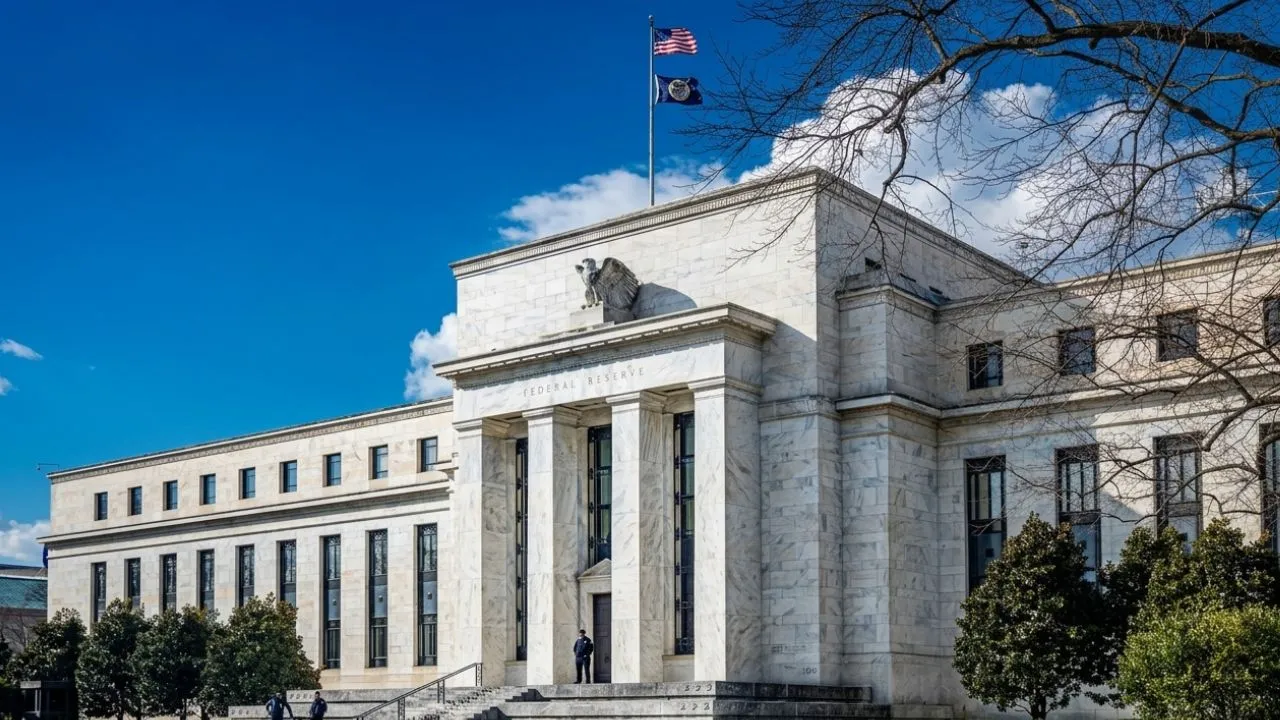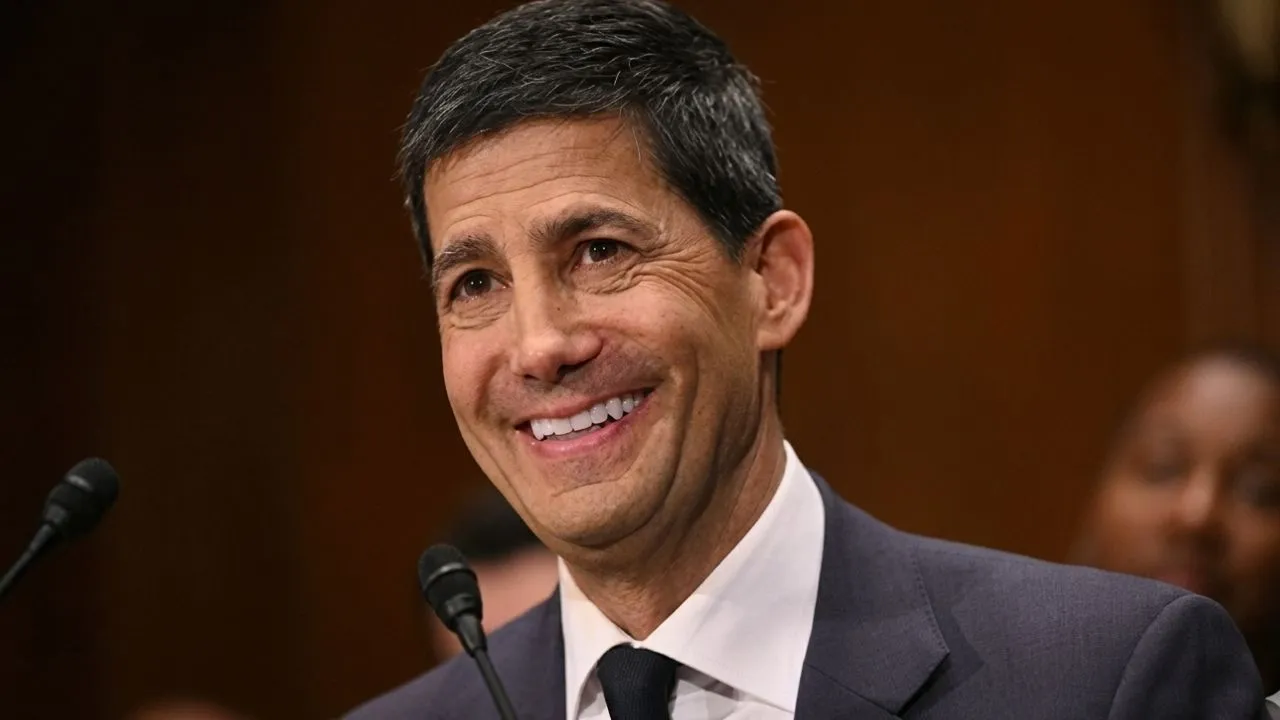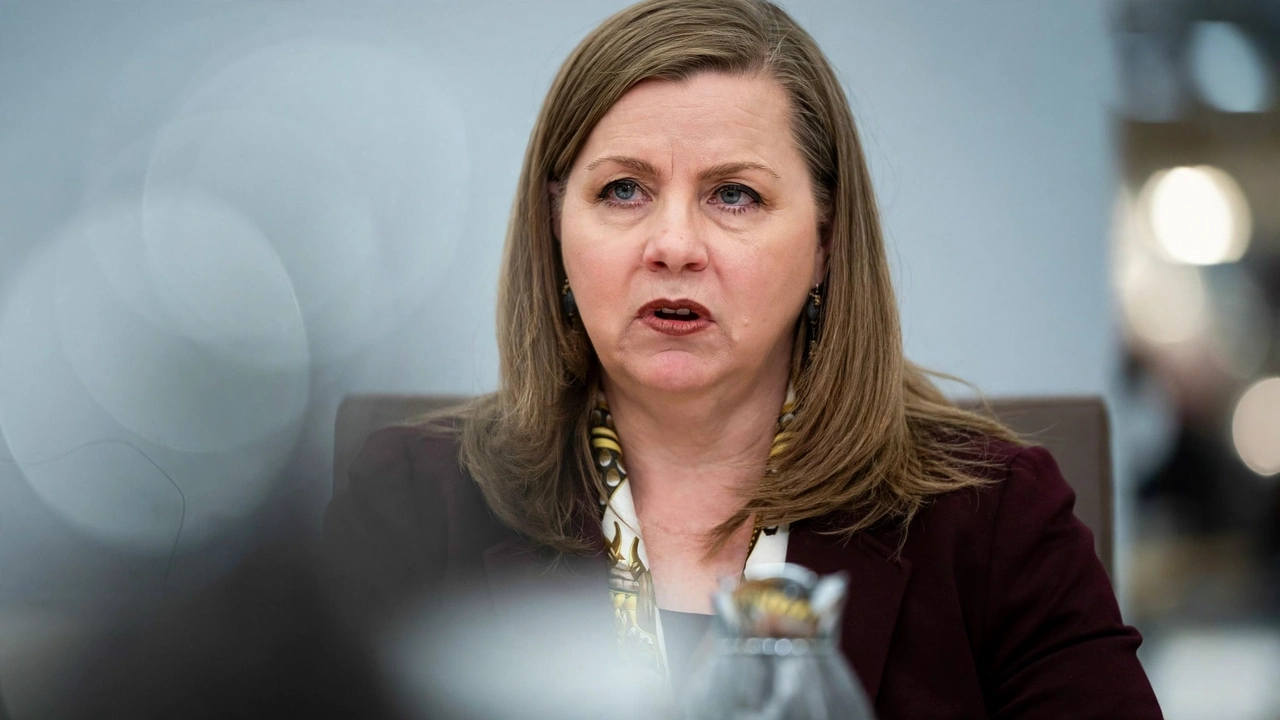
Federal Reserve Vice Chair for Supervision Michelle Bowman said the central bank is approaching a decision on major changes to its bank stress-testing framework, with the Board expected to consider final revisions in the coming weeks.
Bowman outlined the timeline Friday, September 18, during remarks at Mansion House in London, describing the work as the final stage of a multiyear effort to make the Fed’s annual tests more transparent and less volatile.
In her September 18 stress-testing remarks, Bowman said the reforms are intended to improve model transparency, public accountability and the reliability of the capital requirements produced by the tests.
The timing marks a notable advance from June, when Bowman told the House Financial Services Committee that the Fed was still reviewing public comments on its proposed changes.
Bowman’s remarks represent her views as Vice Chair for Supervision, not a completed decision by the Federal Reserve Board. The speech explicitly states that her views are her own and are not necessarily those of her Board colleagues or the Federal Open Market Committee.
Final Rules Approach
Two major changes are approaching final consideration. The first would substantially expand disclosure around the models and scenarios used in the annual supervisory stress test. Under the Fed’s stress-test transparency proposal, the Board would publish more detailed model information and create a recurring process for public comment on material model changes and stress scenarios.
Bowman said disclosures would include model equations, variables, coefficients, assumptions, limitations and the reasoning behind modeling decisions. The second change concerns the stress capital buffer, or SCB, which converts stress-test results into part of the capital requirement imposed on large banks.
Under the Fed’s SCB proposal, the requirement would use an average of a bank’s maximum projected capital decline across its two most recent annual stress tests instead of relying on a single year’s result. The effective date would also move from October 1 to January 1.
Bowman said the combination would cut SCB volatility roughly in half without materially changing aggregate required capital. That distinction matters because the reforms change how stress-test-driven requirements are calculated and communicated rather than simply lowering capital across the banking system.
Changes Still Open
Some details remain unresolved. Bowman said commenters proposed freezing bank balance-sheet data before proposed scenarios are released and using two global market shock scenarios with the larger projected loss determining the SCB. She said she looks forward to considering both approaches in the final rule, indicating they have not yet been adopted.
She also plans to recommend a separate proposal for the 2027 stress test that would revise the model used to estimate noninterest income, including revenue from investment banking, wealth management and market-making activities.
The process builds on changes the Fed first put forward in 2025. In her June congressional testimony, Bowman said greater transparency could help outsiders identify model weaknesses and allow banks to plan capital needs more effectively.
Investozora has separately covered Bowman’s supervisory role in its reporting on what the Fed knew about Silicon Valley Bank’s risks, a related part of the broader debate over how the Federal Reserve supervises large banks.
What Comes Next
Bowman also previewed a broader use of stress testing after the capital-rule overhaul is completed. She said supervisors could increasingly use scenario analysis and reverse stress tests to identify vulnerabilities at individual firms. Unlike the annual capital stress test, she said those exercises would not determine capital requirements.
For now, the central development is procedural: the proposals remain unfinished, but Bowman has moved the timeline from reviewing public feedback to expecting Board consideration of final revisions within weeks.
That makes the next Federal Reserve Board action not Friday’s speech itself the point at which the proposed stress-test overhaul could become binding policy.