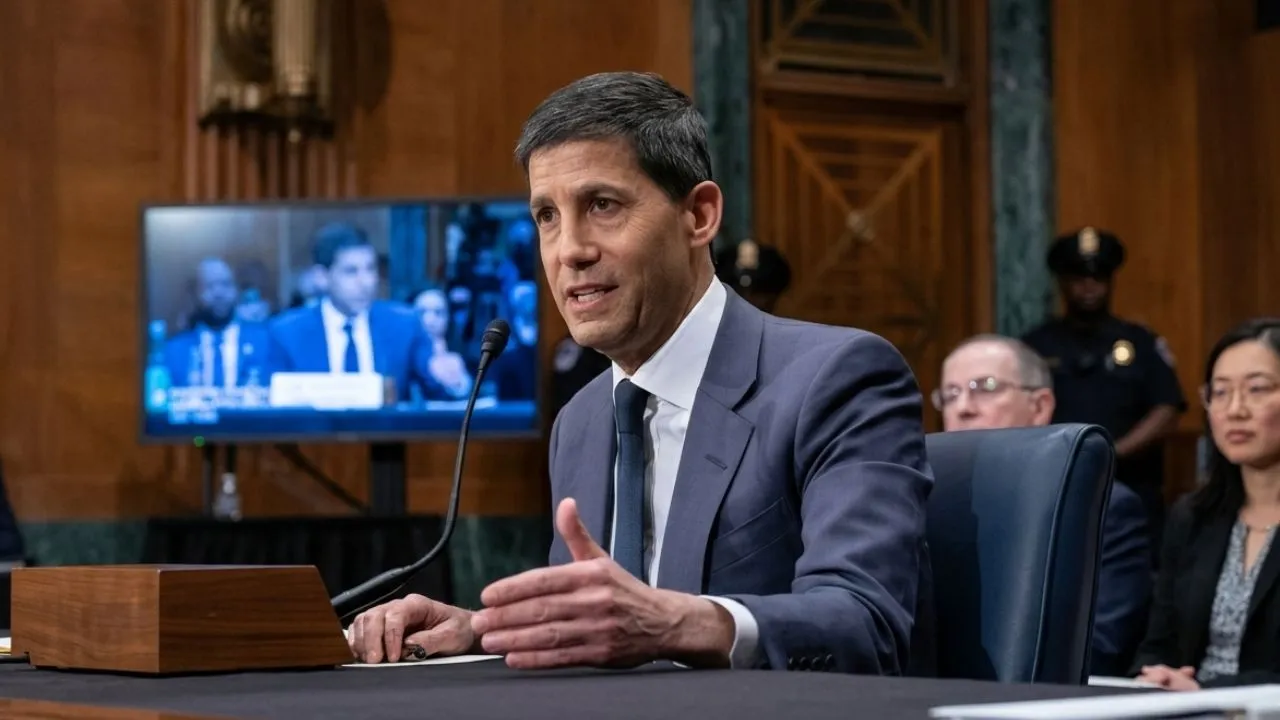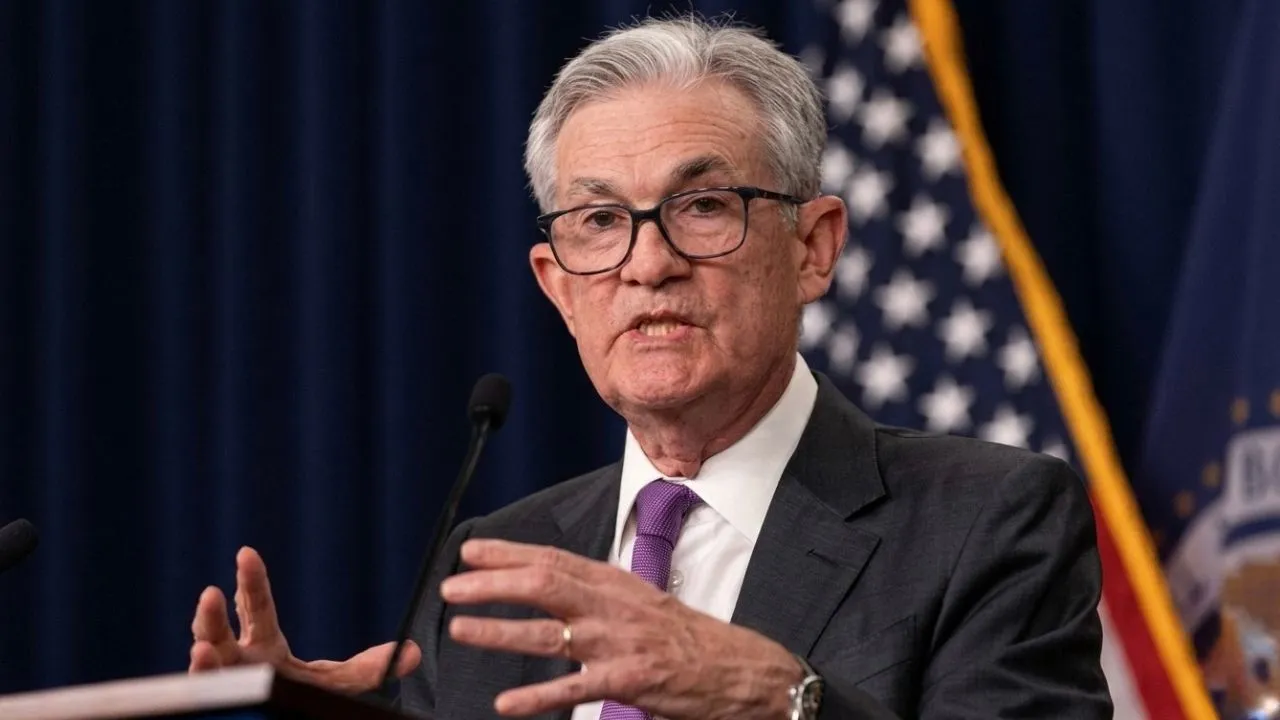
Federal Reserve Bank of Richmond President Tom Barkin said inflation in the U.S. economy is no longer concentrated in energy and tariff-sensitive categories, pointing to broader price pressures and greater willingness among businesses to pass higher costs to customers.
Speaking Sept. 22 at the CFA Society Baltimore at the Center Club in Baltimore, Barkin used his remarks to explain the Federal Open Market Committee’s decision the previous week to raise interest rates. His complete address, “Why Hike?” — Barkin’s full Sept. 22 remarks, was explicitly presented as his own views rather than a statement on behalf of the FOMC or Federal Reserve System.
Barkin said the latest inflation data make it difficult to attribute elevated price growth only to the Middle East conflict or tariffs. July’s headline personal consumption expenditures (PCE) price index was up 3.7% from a year earlier, while core PCE rose 3.3%.
More than 60% of the PCE index’s 180 categories were increasing at rates above 3% year over year, according to Barkin’s decomposition. The underlying July figures are also reported by the BEA’s July 2026 PCE release.
His explanation extends beyond traditional supply shocks. Barkin said businesses are facing cost pressures from tariffs and oil but also from artificial-intelligence investment spillovers, health care, transportation and commodity prices.
He argued that businesses have also become more comfortable testing whether customers will accept price increases after successfully passing through costs during the pandemic-era supply disruptions.
That is a more specific emphasis than Barkin offered in his Aug. 13 speech. At that time, he described two competing possibilities: inflation could fall as tariffs, the Middle East conflict and the AI investment boom eased, or elevated inflation could become more embedded. He said the open question was whether additional rate increases would be necessary.
On Sept. 22, Barkin said the temporary-shock explanation had become less convincing because tariffs were still appearing, the Middle East conflict remained unresolved and AI-related supply pressures continued.
He said Richmond Fed business surveys showed prices received averaging 3.5% growth since late 2023, while the second-quarter CFO Survey showed firms expecting 4.1% year-over-year price growth in 2027.
The institutional decision itself came from the FOMC, not Barkin personally. On Sept. 16, the Committee voted 12-0 to raise the federal funds target range by a quarter percentage point to 3.75%-4.00%, saying inflation remained elevated and the action would support a more timely return to its 2% goal. Barkin is listed as an alternate FOMC member for 2026, rather than one of the Committee’s 12 voting members.
Investozora analysis: Barkin’s remarks primarily clarify the rationale he sees behind the September hike rather than announce a new policy decision. He did not commit to another increase, saying the number of additional hikes, if any, would depend on how inflation, demand and employment develop. The next scheduled FOMC meeting is Oct. 27-28, while the next PCE release is scheduled for Sept. 30.
For context, readers can compare this explanation with Investozora’s Sept. 17 report on the Fed’s rate increase, its Sept. 21 coverage of Goolsbee’s demand-and-inflation comments, and its recent report on Philadelphia Fed price pressures. These provide institutional, policymaker and regional-price context without treating Barkin’s personal assessment as an FOMC decision.