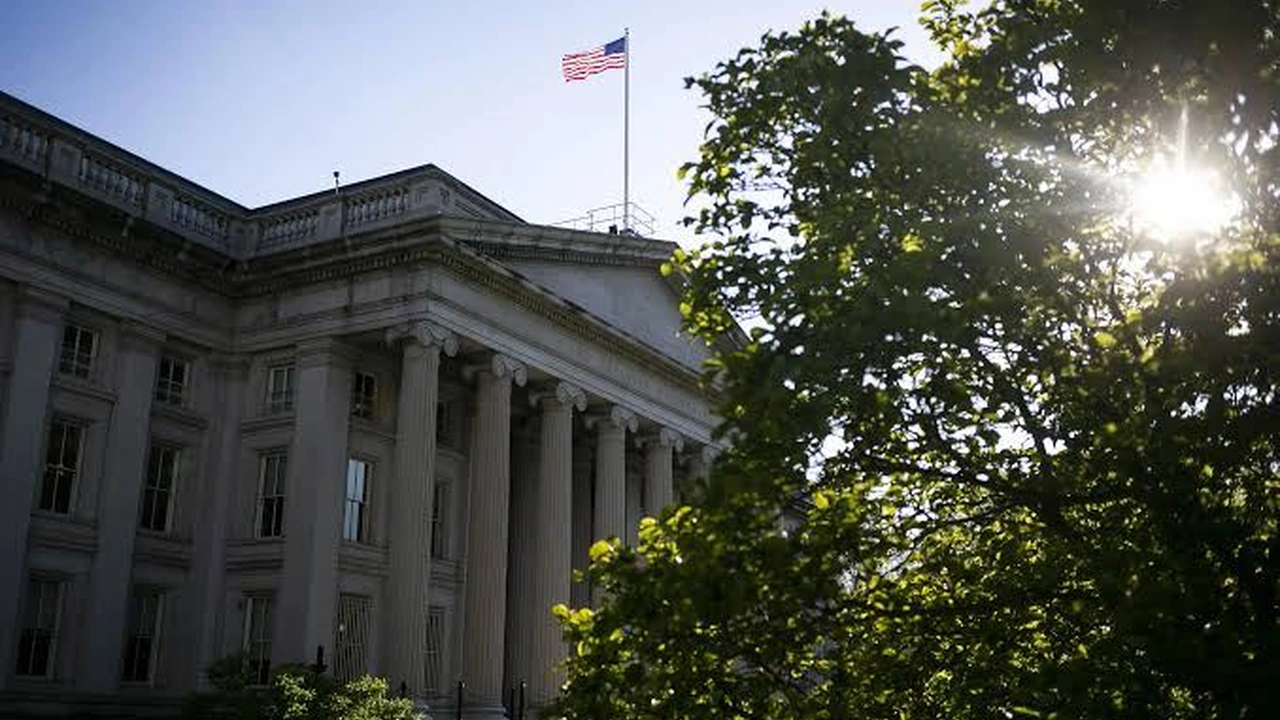


The U.S. Treasury is scheduled to auction five-year notes on Tuesday, October 27, with market schedules listing a $70 billion offering as investors assess demand for government debt ahead of the Federal Reserve’s next interest-rate decision.
The sale appears on the Treasury’s official auction schedule, which lists October 22 as the announcement date and November 2 as the settlement date. The $70 billion amount is also listed in market auction schedules, although the Treasury’s individual offering announcement should be checked to confirm the final terms.
The auction follows a difficult September sale for five-year debt. Market reports recorded a 5.033% high yield at the September 23 auction, with a bid-to-cover ratio of approximately 2.21. That result provides an important benchmark for Tuesday’s bidding, particularly as investors reconsider the Treasury yield outlook and the direction of U.S. interest rates.
The central question is whether buyers will absorb the new supply at a lower yield, or demand similarly elevated returns to hold intermediate-term government securities. The bid-to-cover ratio will be one of the most closely watched measures.
It compares the total amount of eligible bids with the amount accepted at auction. A higher ratio would indicate more bidding relative to the securities awarded, although it would not independently establish stronger underlying demand without considering pricing and the composition of bidders.
The Treasury’s auction rules provide that successful competitive bidders receive the same auction-clearing price. The resulting yield reflects the price investors are willing to pay for the securities, rather than a rate set directly by the Federal Reserve.
That distinction matters because the federal funds rate and Treasury yields operate through different mechanisms. Monetary policy influences short-term financing conditions, while five-year yields also reflect expectations for future interest rates, inflation, economic growth and compensation for holding longer-duration debt.
Investors are entering the auction as the Federal Reserve approaches its October 27–28 policy meeting. The upcoming decision increases the importance of separating expectations about monetary policy from actual demand for Treasury securities.
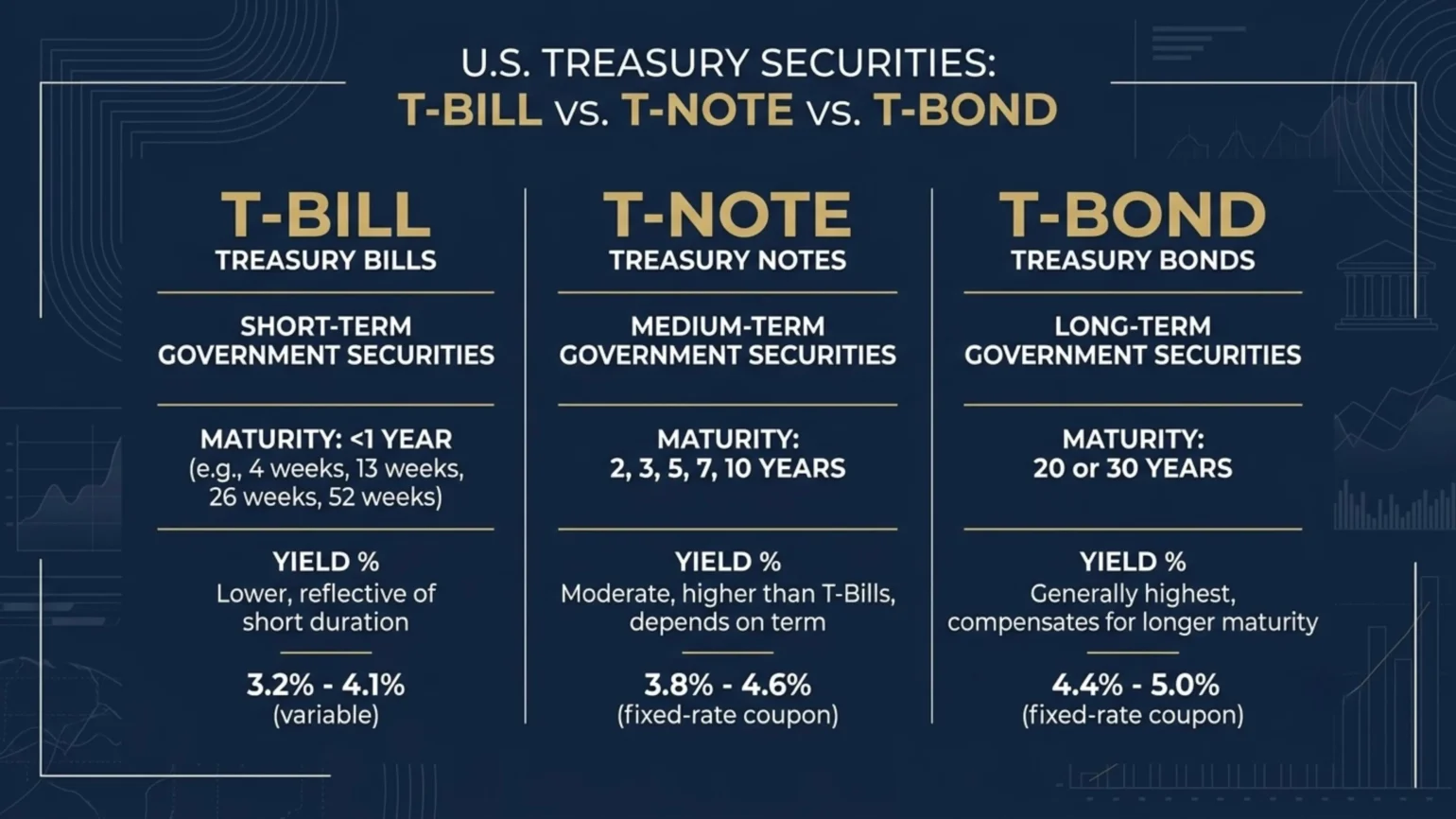
Five-year notes occupy an important position between short-term government financing and longer-term bonds. Changes in their yields can influence broader fixed-income valuations and expectations for borrowing costs, although the effect on individual consumer rates is neither immediate nor one-for-one.
For investors purchasing securities directly, Treasury note terms specify fixed coupon payments every six months. The auction determines the security’s pricing and applicable coupon, while investors who sell before maturity remain exposed to changes in market prices.
The previous auction’s reported yield of 5.033% should not be confused with Tuesday’s result. Any comparison will require the newly published high yield, accepted bids and bidder participation. Changes in the interest-rate environment between the two auctions must also be considered.
The Treasury auction is also relevant to broader market liquidity. Settlement can affect cash balances and the distribution of reserves through the banking system, but the amount and timing of any net liquidity effect depend on other Treasury receipts, payments and financing operations.
The October 27 sale will provide a new reading on investor appetite for five-year government debt. The Treasury’s official auction results will determine the clearing yield and allocation details.
The next scheduled developments are Wednesday’s two-year floating-rate note auction and Thursday’s seven-year note auction, followed by the November 2 settlement of the five-year securities. Those events will offer additional evidence about demand across different Treasury maturities.