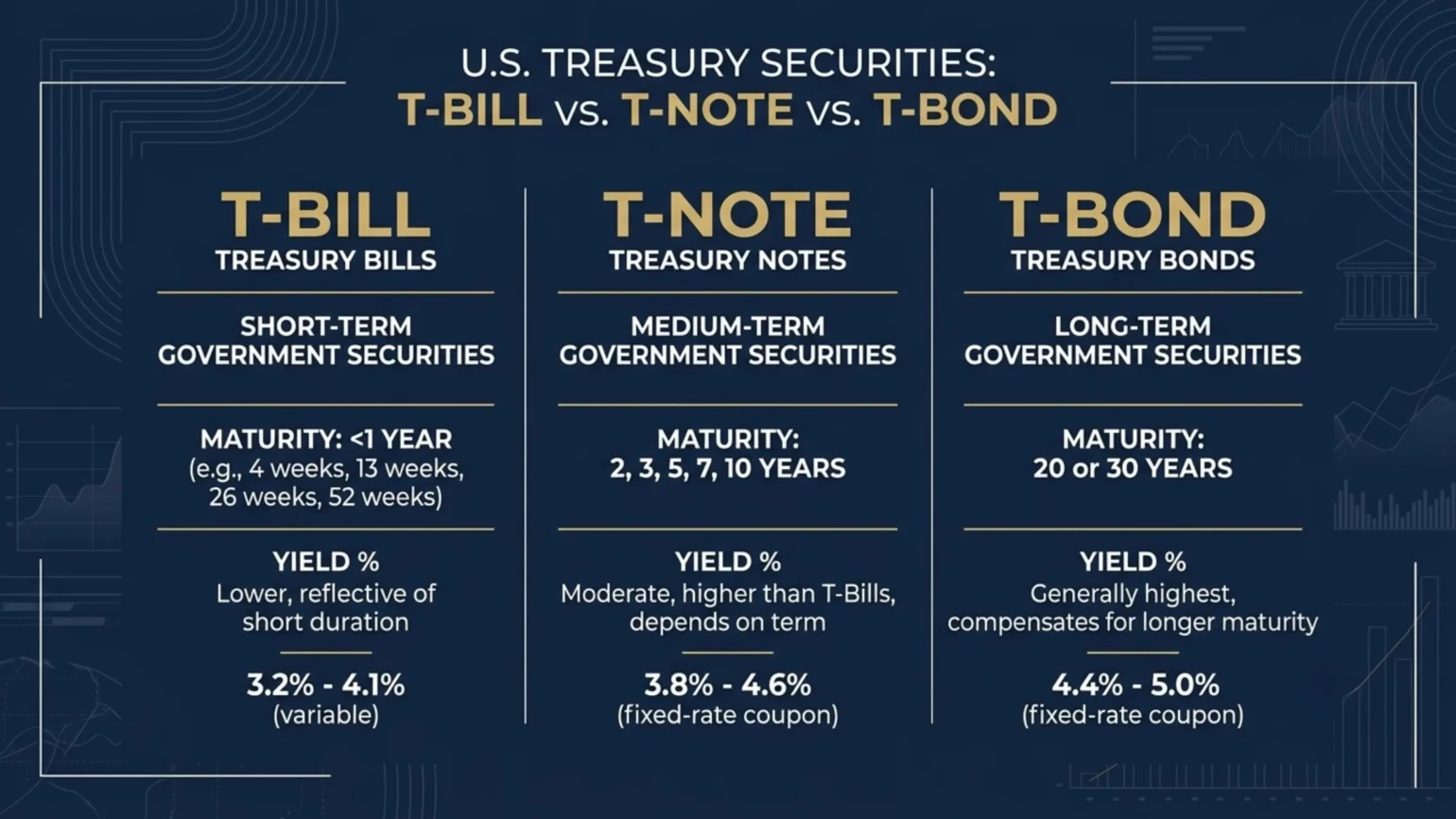


The 10-year U.S. Treasury yield crossed the 5.10% threshold during Wednesday’s session, reaching its highest intraday level in nearly two decades. The milestone move coincided with a broader repricing of long-term borrowing costs as fixed-income investors assessed shifting interest rate expectations and an upcoming wave of government debt issuance.
According to official data from the U.S. Department of the Treasury, the benchmark 10-year note hit an intraday peak of 5.12% before stabilizing near 5.10% approaching the 3:00 p.m. ET close. The session’s rally in yields represents an approximate 17-basis-point surge from Tuesday’s 4.93% close, extending a multi-week breakout above the psychologically significant 5% level.
Bond markets rarely move on a single catalyst, and Wednesday’s sell-off in Treasurys reflected a convergence of structural and macroeconomic factors. Rather than pointing to one specific data release, market participants noted that the yield spike followed persistent signals that the Federal Reserve may keep policy restrictive for longer than previously anticipated. According to the CME FedWatch Tool, futures pricing adjusted on Wednesday, reflecting diminished expectations for near-term rate relief as the broader economy continues to show resilience against tighter financial conditions.
Simultaneously, fixed-income desks are preparing for a heavy slate of upcoming sovereign debt sales. The Treasury’s quarterly refunding and auction schedule requires investors to absorb substantial new supply of long-dated notes and bonds.
When issuance increases without a matching rise in organic demand, the resulting term premium pushes yields higher to attract buyers. This supply-and-demand dynamic is a primary mechanical reason why Treasury yields are staying high despite occasional softening in short-term inflation metrics.
The broader yield curve also shifted on Wednesday. The 2-year yield, which is more sensitive to immediate Federal Reserve policy decisions, edged higher but underperformed the long end of the curve, resulting in a slight steepening of the 2s10s spread. This steepening suggests that while the market accepts the Fed’s current baseline, it is demanding greater compensation for the inflation and fiscal risks associated with holding 10-year and 30-year debt.
For ordinary households, the 10-year Treasury yield is a critical benchmark that directly dictates the cost of long-term consumer debt. The spike past 5.10% places immediate upward pressure on the 30-year fixed mortgage rate, which lenders price off the 10-year note plus a default and servicing premium.
With mortgage rates already hovering near 6.95% heading into the autumn housing market, a sustained move above 5.10% on the benchmark Treasury note threatens to push borrowing costs back toward the 7% mark, further constraining housing affordability and refinancing activity.
Looking ahead, bond markets will be watching upcoming consumer spending data and Federal Reserve commentary to determine whether Wednesday’s 5.10% breach was a temporary liquidity squeeze or the beginning of a structural reset higher for long-term interest rates.