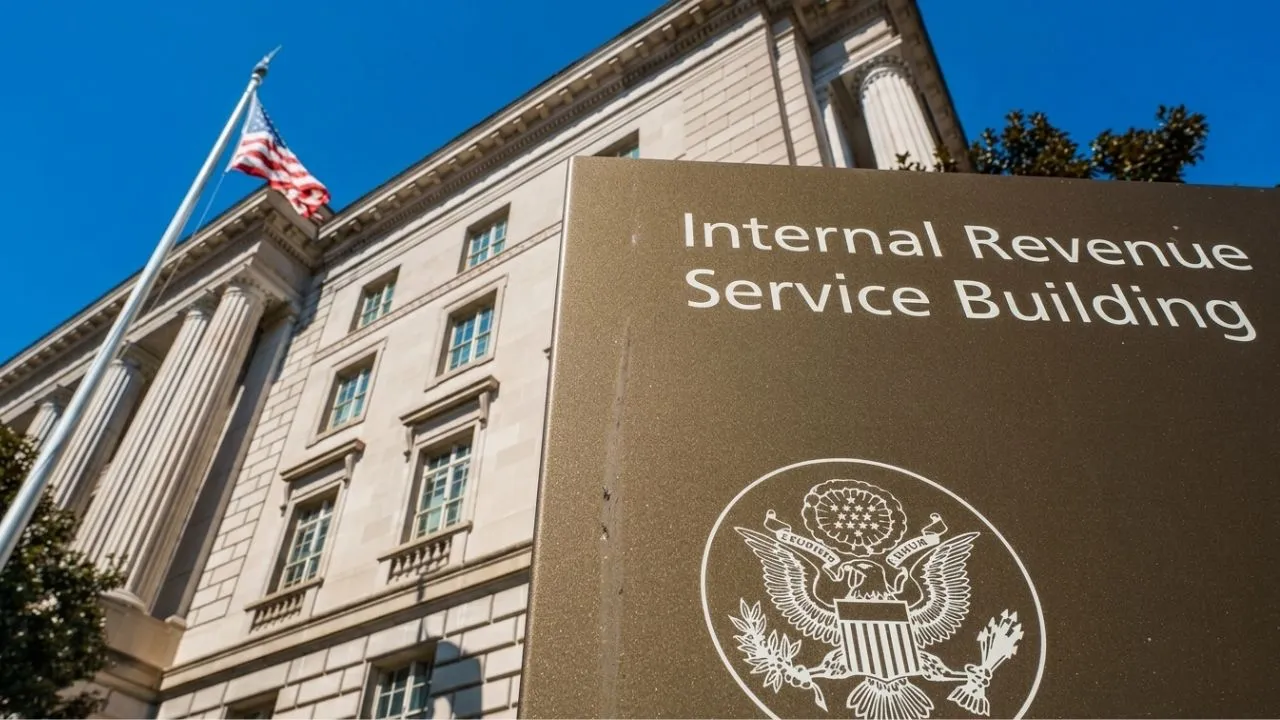
The Internal Revenue Service collected a record $5.6 trillion in federal taxes during fiscal year 2026, nearly 5% more than the previous year, according to an October 29 announcement that also reported substantial increases in tax refunds and digital-service usage.
The figures cover the federal fiscal year that ended September 30, 2026. In its official announcement, the agency described the results as its strongest collections performance on record.
The announcement presents two developments worth examining together: the government collected more tax revenue while the IRS reported larger refunds during the 2026 filing season.
I find the distinction important because neither record collections nor higher average refunds, by themselves, establish how much any individual taxpayer ultimately owed or received.
Record Tax Collections
The IRS reported $5.6 trillion in fiscal 2026 collections, compared with approximately $5.3 trillion in fiscal 2025. According to the 2025 IRS Data Book, the agency collected $5.3 trillion in gross taxes during the preceding fiscal year.
That earlier total included individual income taxes, employment taxes, business income taxes and other federally administered taxes. The IRS’s historical collections methodology is important here. Gross collections are measured before refunds are deducted and also include applicable penalties and interest.
That means the $5.6 trillion figure should not be interpreted as the government’s final revenue after refunds, total federal budget receipts, or a measure of additional taxes paid by every American. The Treasury Department separately reports federal receipts, spending and budget balances through its Monthly Treasury Statement.
Those measures serve different accounting purposes. Gross IRS collections measure revenue received through tax administration, while Treasury budget reports account for federal receipts and expenditures under their own reporting framework.
This is also why I would not use the record collections figure alone to conclude that federal finances improved or that taxpayers faced higher effective tax rates.
Refunds Also Increased
Alongside the collections record, the IRS reported several changes in its 2026 filing-season performance. According to the October 29 release:
- The total dollar amount of refunds claimed increased 17% from the previous year.
- The average refund increased 11%.
- Approximately 90% of electronic filers received refunds in less than 21 days.
- The total amount of refunds disbursed increased by more than 20% from 2025 to 2026.
These figures describe nationwide filing-season outcomes, not guaranteed payments to individual taxpayers. The difference between refunds claimed and refunds actually disbursed also matters.
A taxpayer may claim an overpayment on a return, but the amount ultimately issued can depend on IRS processing, corrections, applicable offsets and other account-specific circumstances.
Investozora previously examined the 2026 refund increase and explained how changing average refund figures relate to individual filing results. The newer IRS announcement provides a broader fiscal-year performance picture rather than changing those individual refund rules.
For taxpayers still awaiting payment, the agency’s nationwide performance statistics do not establish a personal deposit date. Our refund processing guide explains why individual returns can follow different timelines.
Tax Rates Explained
The IRS also reported that the overall average federal income tax rate fell to 12.6% for tax year 2025, based on individual returns filed through mid-July 2026.
The agency described that result as a 4% decline from the comparable prior-year measure and said average rates decreased across income categories. However, the figure is an aggregate income tax measure, not a universal tax rate assigned to every household.
An individual taxpayer’s effective rate depends on taxable income, deductions, credits and other applicable tax provisions. It should not be confused with statutory marginal income tax brackets. The announcement attributes improvements in taxpayers’ outcomes to the administration’s Working Families Tax Cuts legislation.
While the IRS’s figures support its reported aggregate results, determining the precise effect of a particular tax-law provision requires comparing applicable rules and individual tax circumstances. My reading of the release is that the collections record and lower reported average income tax rate are not inherently contradictory.
Total collections and an average tax rate measure different things, and changes in the tax base, income, timing and composition of payments can influence the relationship between them. The IRS has not established through this announcement that every taxpayer received a tax reduction or a larger refund.
Digital Services Expand
The October 29 report also showed how extensively taxpayers used IRS digital services during fiscal 2026. IRS.gov recorded more than 954 million visits, while taxpayers conducted nearly 469 million refund-status checks.
Individual Online Account users reached approximately 37.6 million, up 34% from the previous year. The agency recorded 224 million account logins and more than $133.6 billion in payments through those accounts.
The IRS also reported approximately $38 billion in tax revenue protected from identity-theft refund fraud during fiscal 2026. These figures provide a picture of the agency’s operational workload, but they do not directly measure how quickly every return was processed or whether every taxpayer received satisfactory service.
Digital access has become increasingly central to IRS administration. Investozora previously covered the new IRS app and its expanded account-access functions. Our IRS app guide also explains how taxpayers can use official services to review records, notices and payments.
What Taxpayers Should Know
The October 29 announcement is a retrospective performance report. It does not create a new refund program, authorize additional payments to all taxpayers, establish new eligibility requirements or announce a nationwide refund deadline.
The statistics describe IRS collections and service activity across taxpayers and businesses. They do not identify a group automatically entitled to an additional payment because collections reached $5.6 trillion. Individual refund eligibility still depends on the applicable tax rules, return information and IRS account processing.
Taxpayers checking an existing refund can use the IRS refund status tool, which provides account-specific information after a return is processed. Investozora’s refund status guide explains the distinction between a return being received, a refund being approved and a refund being sent.
Similarly, taxpayers whose refunds require additional review can consult our refund delay guide rather than assuming the agency’s national processing averages apply to their cases. No special application, amended return or payment request is required solely because the IRS reported record fiscal-year collections.
What Comes Next
The next important step is the publication of detailed fiscal 2026 collections and refund tables that allow the headline figures to be evaluated by tax category and compared consistently with prior years. The IRS’s fiscal 2025 Data Book already provides historical information covering collections, refunds, filing activity and tax administration.
I will be watching for the comparable fiscal 2026 breakdown, particularly the distinction between gross collections and net collections after refunds, along with any revised figures or methodological explanations.
For now, the verified conclusion is clear: the IRS reports record collections of $5.6 trillion for fiscal 2026, alongside higher aggregate refund measures and growing use of digital tax services. Those national results describe the scale of federal tax administration. They do not, on their own, determine the tax liability or refund outcome of any individual American.