Seven major OPEC+ oil producers agreed on Sunday, November 1, to keep their December 2026 crude oil production targets unchanged, extending a policy pause as the conflict involving Iran continues to threaten Gulf energy shipments and complicate the outlook for global oil supplies.
Saudi Arabia, Russia, Iraq, Kuwait, Kazakhstan, Algeria and Oman made the decision during a virtual meeting, according to the official OPEC statement. The seven countries will maintain the required production levels established for September, with their next review scheduled for November 29.
The decision leaves December targets at the same levels maintained for October and November. A comparison with OPEC’s October decision shows no additional increase or reduction in the seven countries’ required output, making this the third consecutive month covered by the September production framework.
Saudi Arabia retains the largest allocation at 10.478 million barrels per day, followed by Russia at 9.949 million and Iraq at 4.431 million, according to the production figures published by the Saudi Press Agency. Kuwait’s allocation remains at 2.676 million, Kazakhstan’s at 1.628 million, Algeria’s at 1.007 million and Oman’s at 841,000 barrels per day.
Together, those allocations total approximately 31.01 million barrels per day. That figure represents required production, not verified daily output or the volume of crude reaching international buyers.
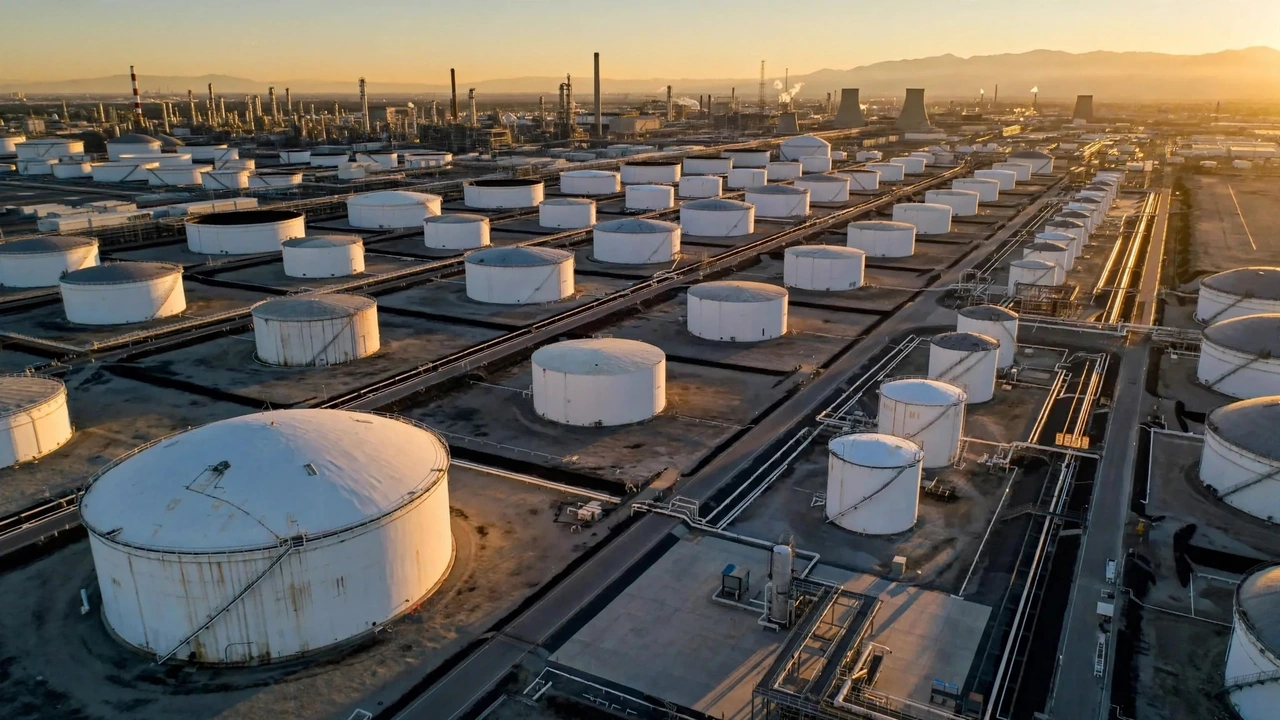
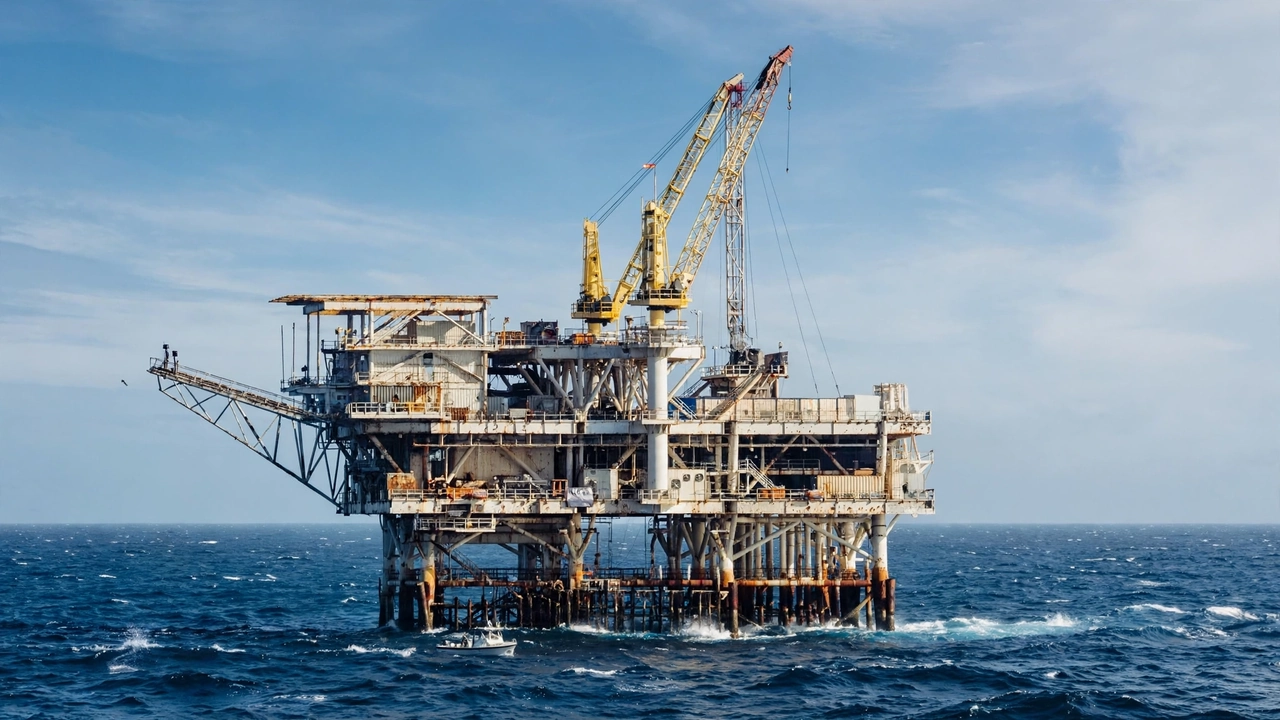
The distinction has become increasingly important as geopolitical disruptions affect Gulf energy flows. OPEC+ members may retain unchanged production targets without delivering the same amount of oil to global markets when shipping routes, infrastructure and export operations face interruptions.
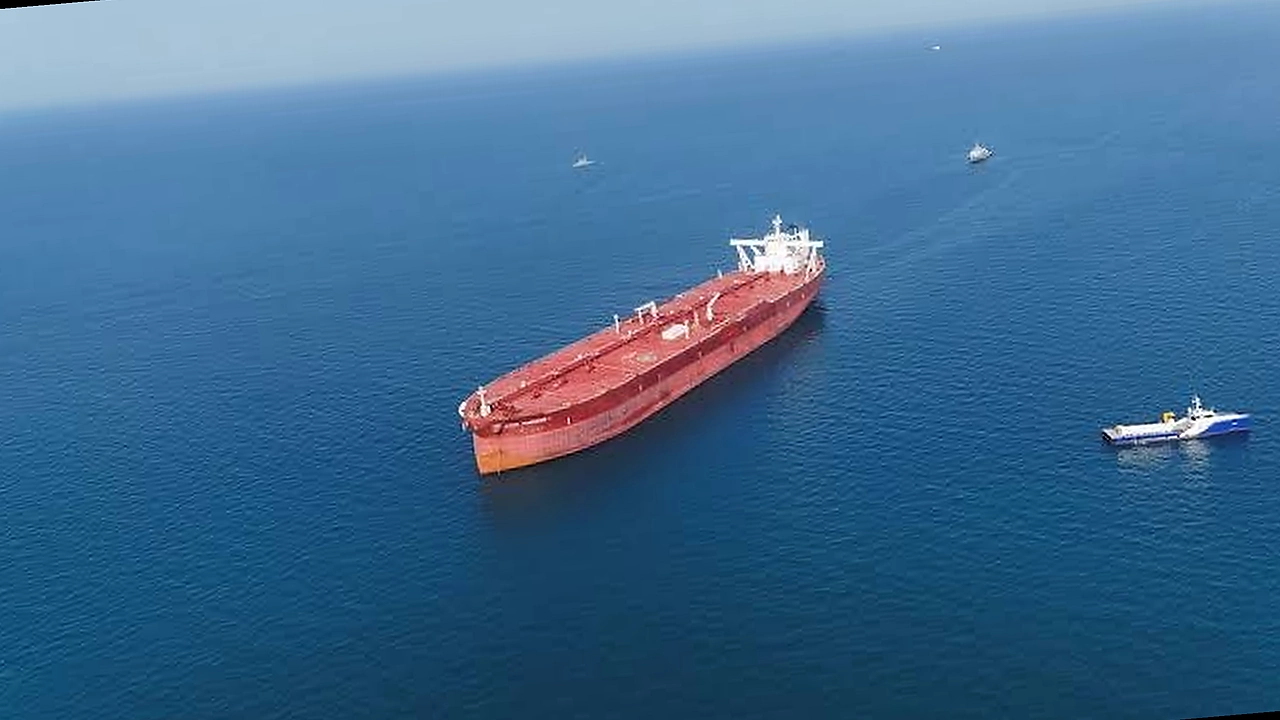
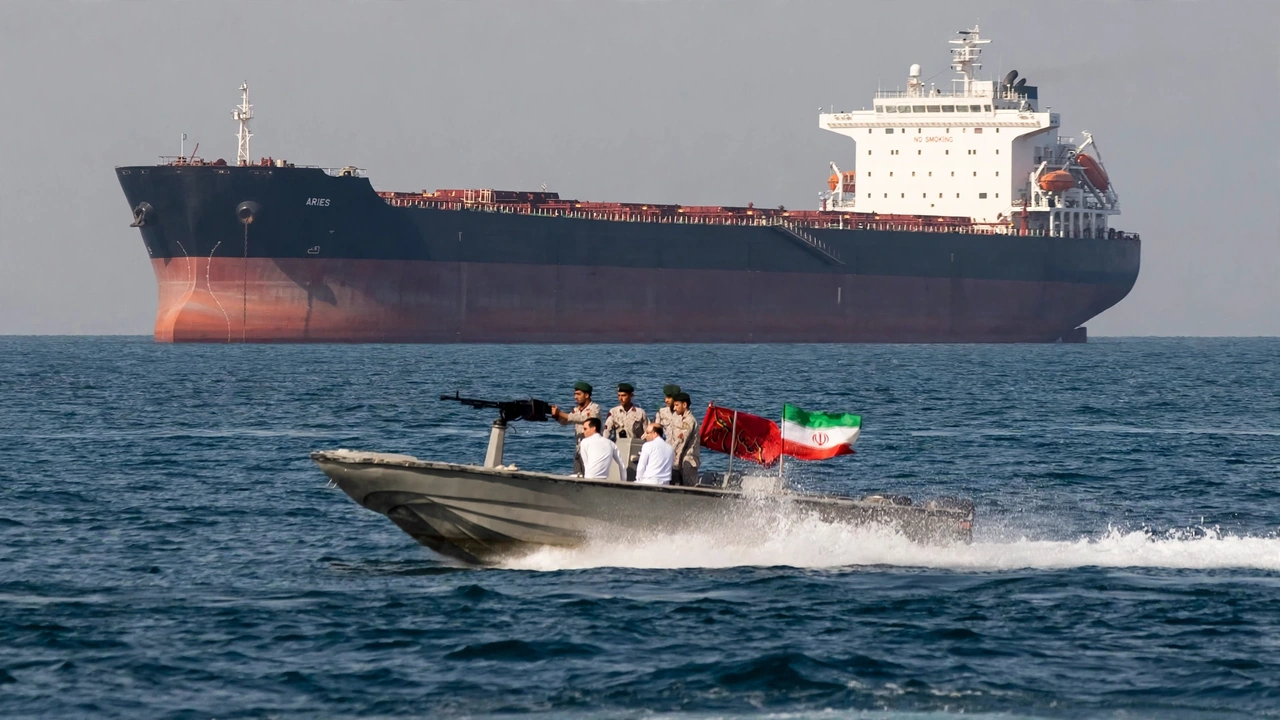
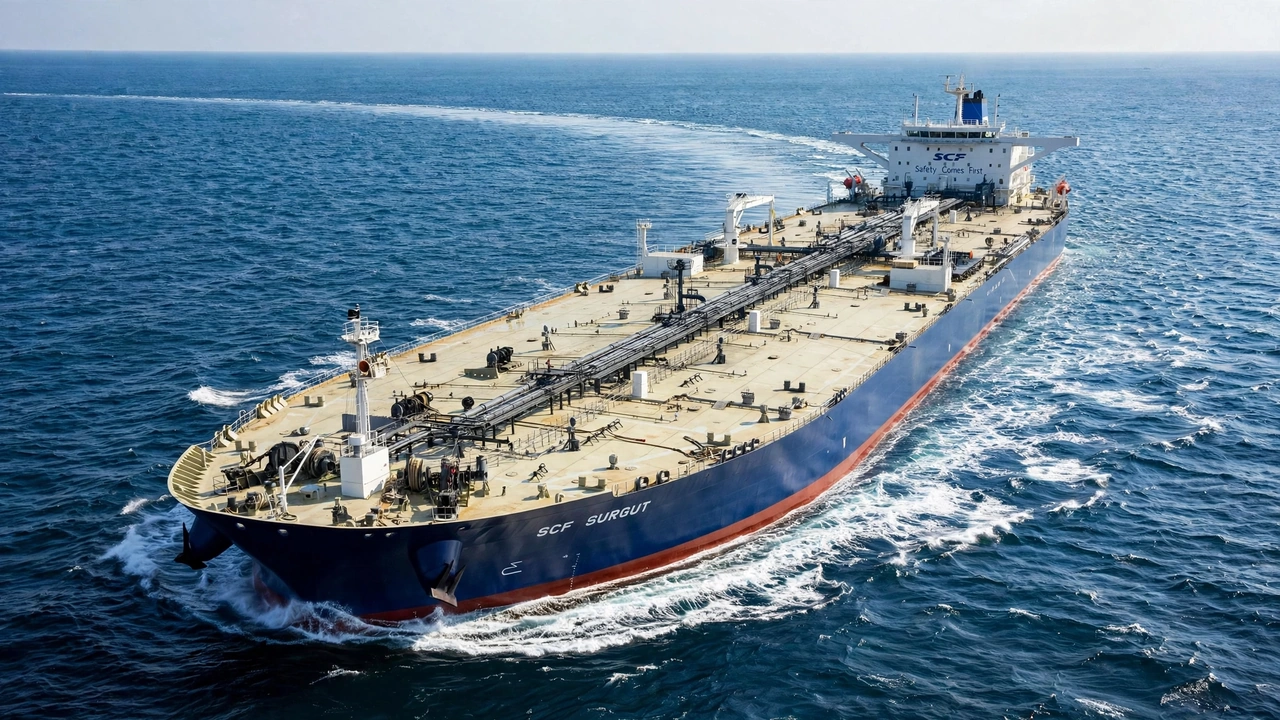
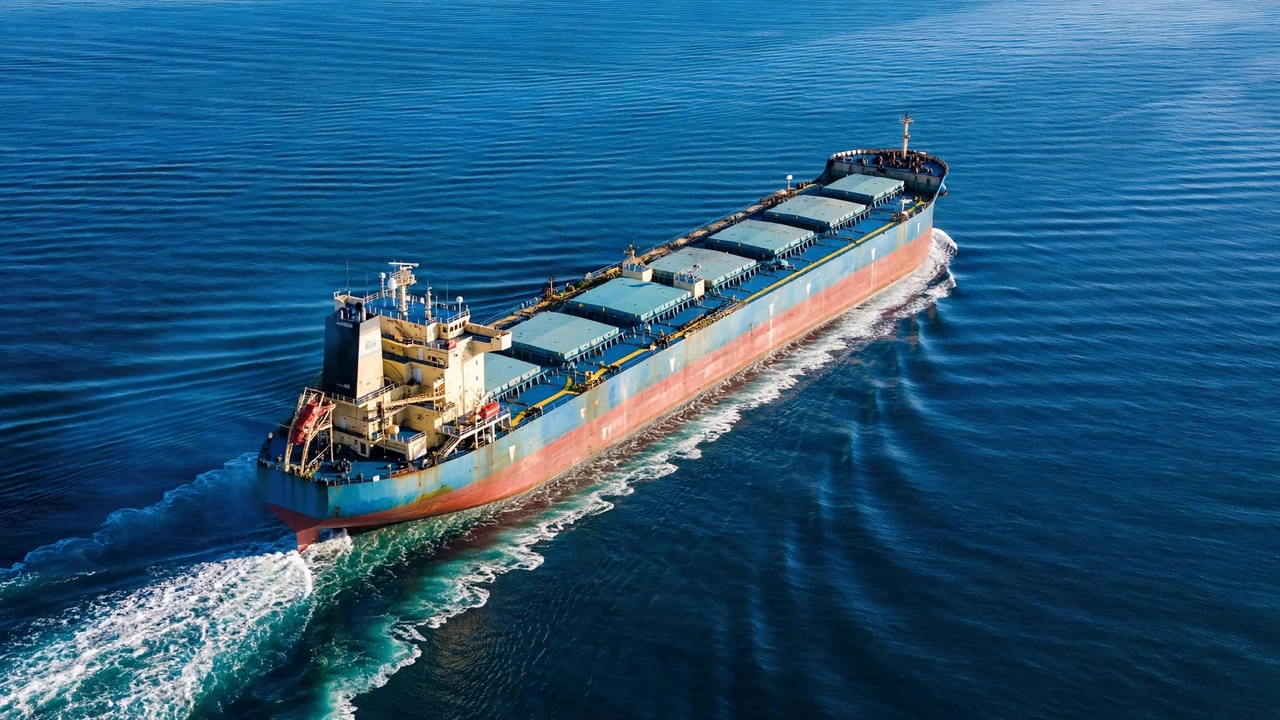
The continuing conflict involving Iran has disrupted regional oil shipments, with Gulf producers attempting to restore exports while operating below their production targets, according to Reuters reporting. The disruption follows months of heightened concerns surrounding the Strait of Hormuz, a critical route for energy shipments.
Earlier Investozora coverage examined Hormuz closure risks, the consequences of Saudi supply disruptions and the market reaction to a Hormuz tanker attack. Those developments illustrate why stable production allocations alone cannot resolve uncertainty over the amount of oil available to refiners and importers.
For consumers and businesses, the implications depend on actual supply conditions and the response of international oil prices. Higher crude costs can increase pressure on transportation and fuel expenses, although the effect varies by country, fuel market, taxes and refining conditions. Investozora has previously examined how Saudi export recovery affected crude prices and how renewed oil market tensions influenced U.S. benchmark futures.
The United States also has emergency supply arrangements that can become relevant during severe disruptions. Earlier Investozora reporting detailed the condition of the Strategic Petroleum Reserve, while separate coverage examined an emergency oil release supported by the International Energy Agency.
Sunday’s OPEC+ decision did not announce a new emergency supply measure or establish additional production specifically to offset the conflict. The seven producers reiterated their commitment to production conformity under the Declaration of Cooperation, the framework governing cooperation between OPEC members and participating non-OPEC producers.
A broader question concerns production policy in 2027. At its June ministerial meeting, OPEC+ reaffirmed its overall production framework through December 2026 and emphasized the importance of assessing members’ maximum sustainable production capacity before establishing future baselines. Those assessments matter because a country’s production baseline helps determine how much it may be permitted to produce under subsequent agreements.
An agreed target is different from operational capacity, and neither independently establishes export availability. The next scheduled meeting on November 29 will bring renewed attention to production allocations, the group’s 2027 framework and whether recovering Gulf shipments could change the balance between available supply and global demand.