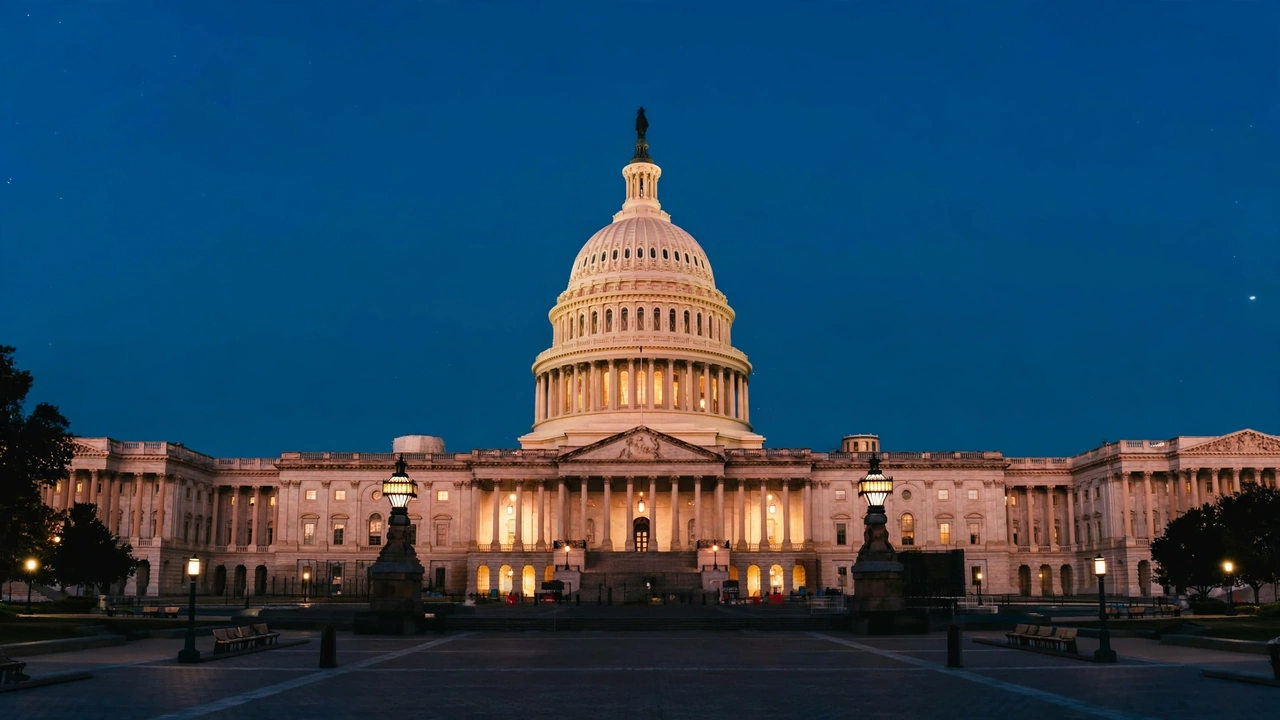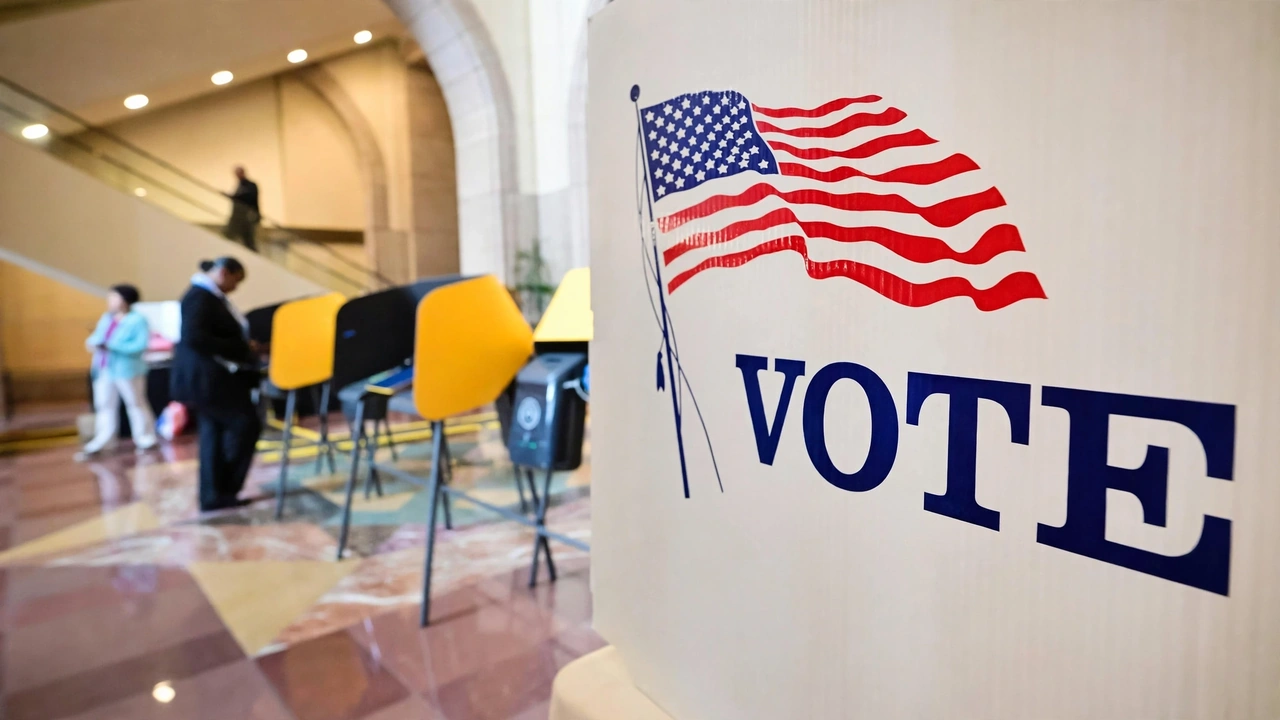

WASHINGTON, Nov. 4, 2026 — Democrats made major gains in Tuesday’s U.S. midterm elections, flipping Republican-held Senate seats and advancing toward control of the House of Representatives, although the final balance of power in Congress remained unsettled as votes continued to be counted.
According to Reuters election reporting, Democrats had flipped at least eight Republican-held House seats, with major U.S. news organizations projecting that the party would capture the chamber. The Senate remained more uncertain, despite Democratic victories in several closely watched races.
Democrat Roy Cooper defeated Republican Michael Whatley in North Carolina, while Annie Andrews defeated Republican Darline Graham in South Carolina, according to election projections. Democrats also scored projected victories in Ohio and Texas, where Sherrod Brown and James Talarico defeated Republican opponents.
Those Senate gains could be decisive. Reuters reported that Democrats had captured four Republican-held seats, potentially enough to secure a majority if the party successfully defended its remaining vulnerable seats, including Michigan and Minnesota.
Democrats also retained the Senate seat held by Jon Ossoff in Georgia. The outcome followed a campaign dominated by concerns about living costs, economic policy and President Donald Trump’s leadership, issues reflected in Investozora’s earlier examination of midterm voter priorities.
Michigan remained particularly important to the Senate outcome. Investozora previously reported on the unusual Michigan Senate endorsement in which Democratic Representative Haley Stevens backed Republican Mike Rogers over her party’s nominee.
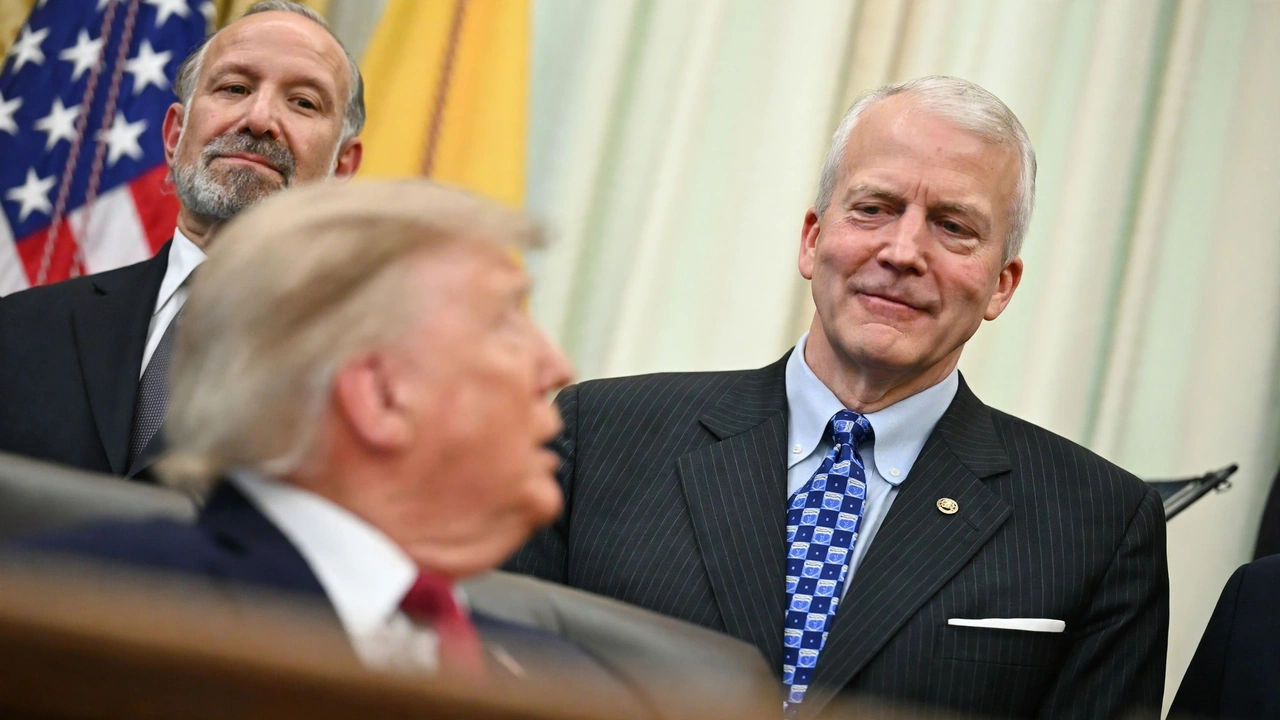
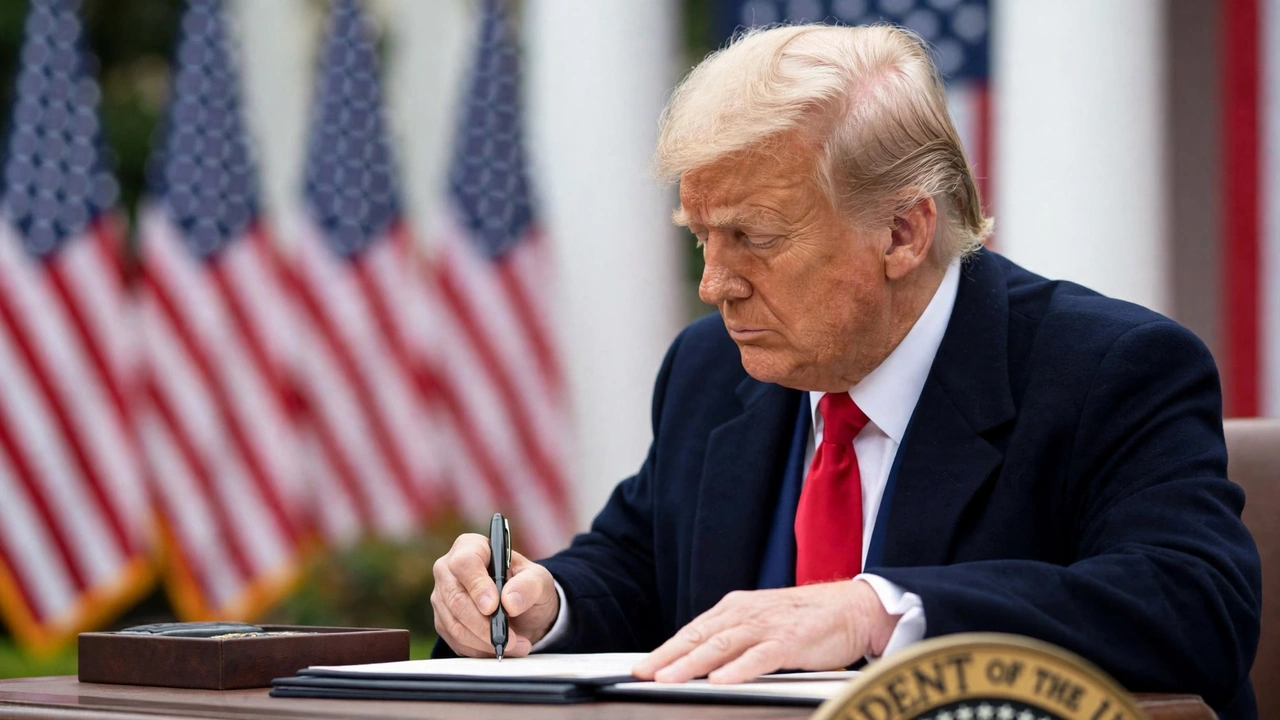
The emerging results could significantly alter Trump’s ability to advance legislation during the final two years of his presidency. A Democratic-controlled House could block administration proposals, influence federal spending negotiations and expand congressional oversight.
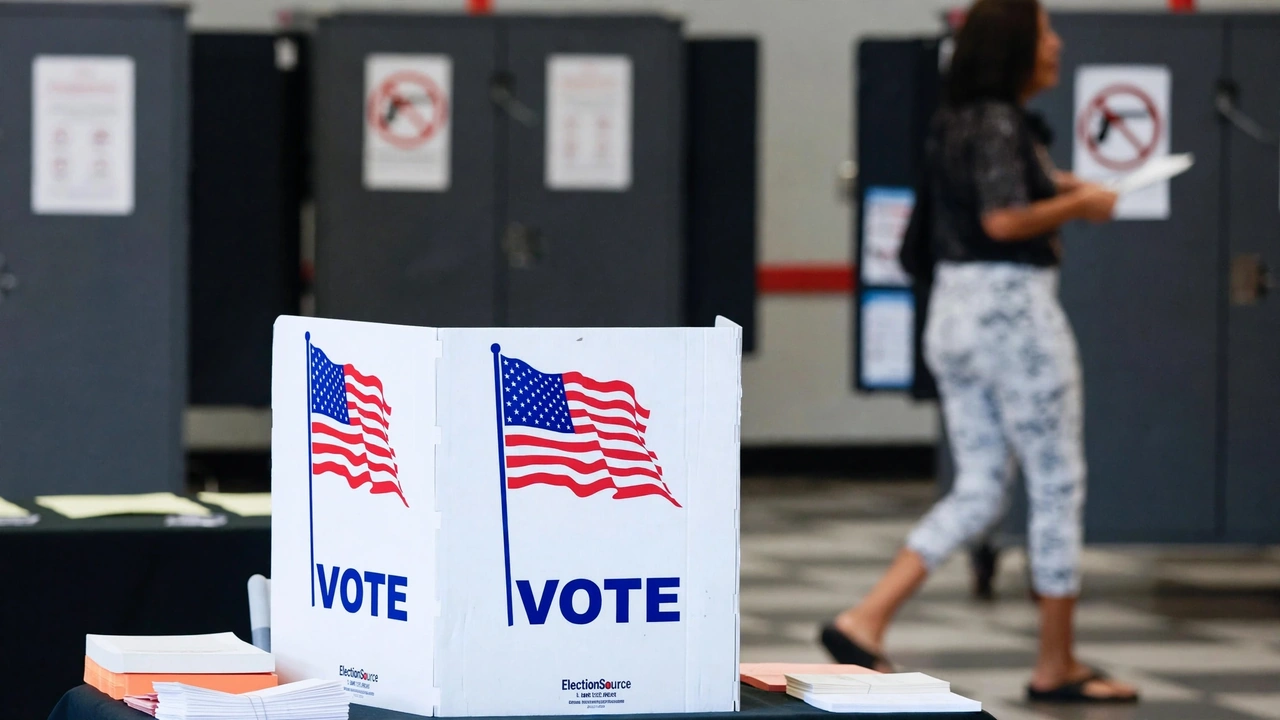
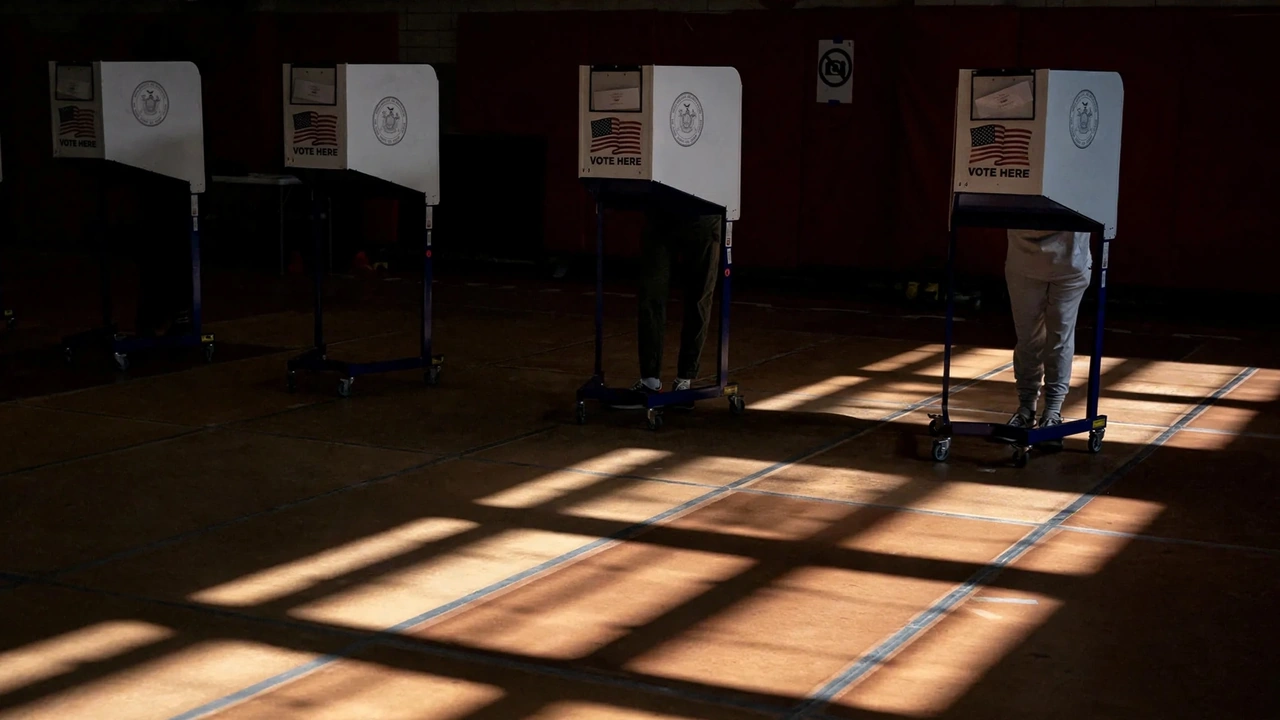
Investozora’s earlier tax and spending analysis examined how different congressional majorities could affect federal budgets without automatically changing existing tax laws or benefit payments. Election administration has also faced legal scrutiny. Investozora covered election worker protections, a California ballot ruling and an Alaska election lawsuit ahead of the vote.
Official results remain subject to state counting and certification procedures. The North Carolina election board and South Carolina election commission maintain state election reporting systems.
The next decisive developments will be additional race projections, updated ballot counts and the resolution of outstanding Senate contests. Until those outcomes are established, neither party’s final congressional majority should be treated as definitively confirmed.