
House Democrats are preparing to make Medicaid funding and Affordable Care Act subsidies early legislative priorities when the new Congress takes office in January, seeking to reverse major healthcare changes enacted under President Donald Trump. The push follows the party’s midterm election victories and could reopen a consequential debate over federal health spending and insurance costs for millions of Americans.
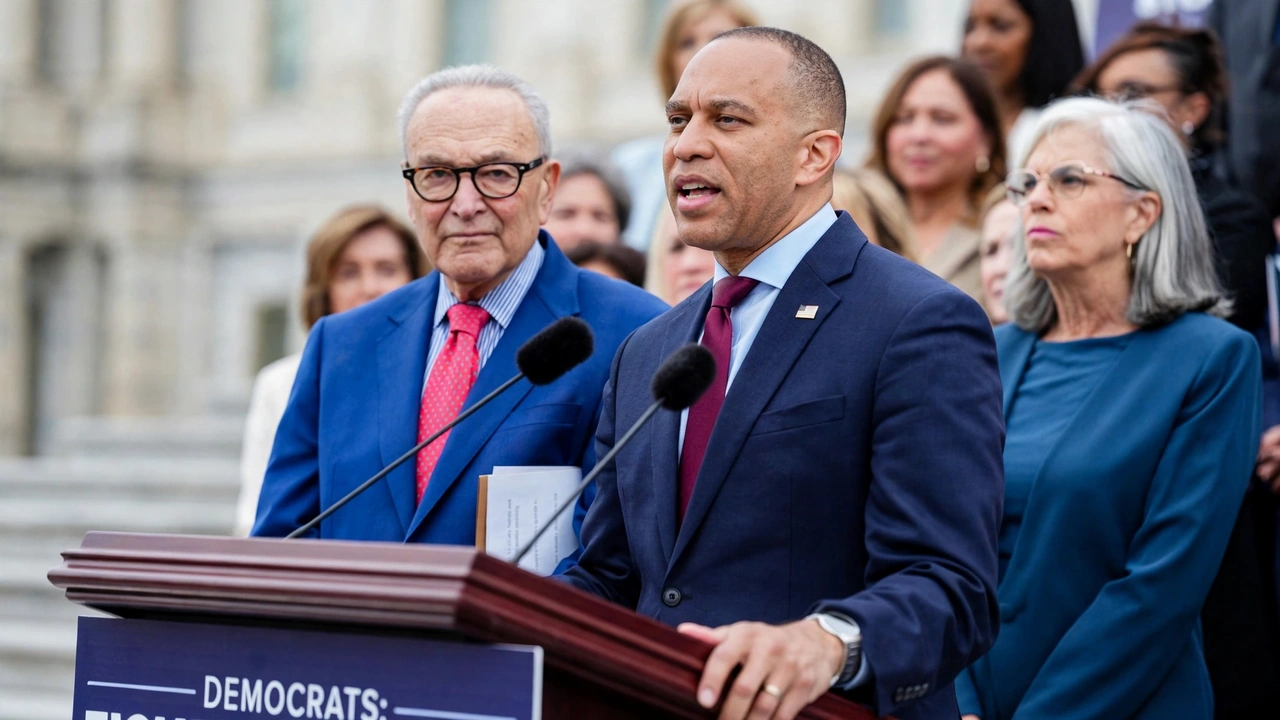
In a November 4 letter, Democratic Leader Hakeem Jeffries said House Democrats must act within the first 100 days to reverse Medicaid cuts and extend Affordable Care Act tax credits. The 120th Congress begins January 3, 2027, according to the House schedule, but specific voting dates and final legislation have not been announced.
The healthcare agenda follows the election’s shift in congressional power, including Democrats’ Senate victory, which strengthens the party’s ability to pursue legislation next year. Jeffries, who is seeking to become House speaker, has made lowering household costs a central priority, although congressional control alone does not guarantee that the proposals will become law.
One immediate objective is restoring the enhanced premium tax credits that helped eligible households pay for health insurance purchased through Affordable Care Act marketplaces. The temporary expansion ended after December 31, 2025, according to the CMS policy explanation, although the underlying premium tax credit remains available to qualifying households.
Restoring the enhanced assistance could reduce what eligible consumers pay for coverage, depending on the final legislation and their circumstances. The distinction matters as Treasury and the IRS separately consider 2027 tax rules affecting eligibility and verification requirements, which are not the same as restoring the expired subsidy expansion.
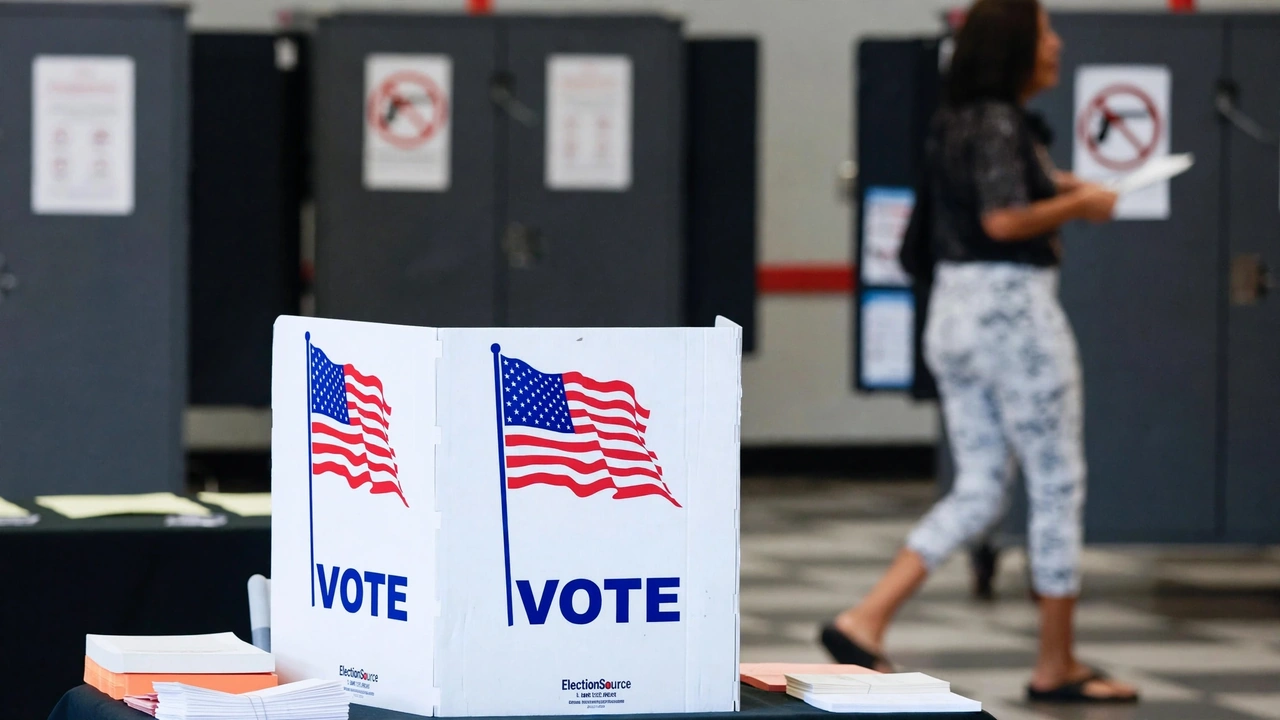
The timing is particularly important because Americans are already selecting health insurance for next year. The Centers for Medicare & Medicaid Services says 2027 enrollment through HealthCare.gov runs from November 1, 2026, through January 15, 2027, meaning the enrollment period began before the new Congress takes office.
For consumers, a planned congressional vote is not an approved change in insurance assistance. Current marketplace eligibility determinations and available plan prices remain the appropriate basis for coverage decisions unless federal law or applicable guidance changes.
Medicaid presents a separate challenge involving federal spending, eligibility and state healthcare financing. The Republican-enacted 2025 reconciliation law changed several aspects of the program, including enrollment processes and financing arrangements, making its reversal a major legislative undertaking.
In its February 2026 outlook, the Congressional Budget Office projected that the law would reduce Medicaid spending by approximately $1.2 trillion from 2026 through 2035 and lower Medicaid enrollment by 13.1 million people in 2035 relative to its baseline. Those are forward-looking estimates, not the number of people who have already lost coverage, and reduced Medicaid enrollment does not necessarily mean every affected person becomes uninsured.
Reversing those provisions would reopen consequential decisions about federal spending and coverage protections, adding to the broader budget debate. The financial impact would depend on which provisions lawmakers repeal or replace, how quickly changes take effect and whether Congress adopts offsetting measures.
The ACA subsidy dispute has already produced a significant congressional vote. On January 8, 2026, the House approved a three-year extension of enhanced premium tax credits by 230 votes to 196, with 17 Republicans joining Democrats, according to the official House roll call.
That measure did not become law, leaving the enhanced subsidies expired despite bipartisan support in the House. A renewed legislative effort would face the same fundamental distinction between House passage and enactment, an issue also central to congressional tax and spending negotiations.
Under the Senate’s cloture rules, most legislation can face a 60-vote threshold to end debate, although certain budget measures follow different procedures. President Trump would also retain the power to veto legislation, creating another obstacle to major healthcare changes without bipartisan agreement.
The policy push comes after an election in which healthcare concerns ranked among voters’ important issues, alongside broader economic worries about household expenses. Jeffries has also identified housing, groceries, energy and caregiving as priorities for Democratic working groups developing additional affordability legislation.
The next confirmed institutional milestone is the start of the new Congress on January 3, followed by leadership decisions, legislation and any officially scheduled votes. Until a measure is enacted, the healthcare proposals remain political commitments rather than changes to Americans’ existing Medicaid benefits or ACA premium tax credits.